Născut
January 28, 1912
Cody, United States
Decedat
August 11, 1956
East Hampton, United States
Cunoscut pentru
American painter
Jackson Pollock (1912–1956) was United States best known for American painter.
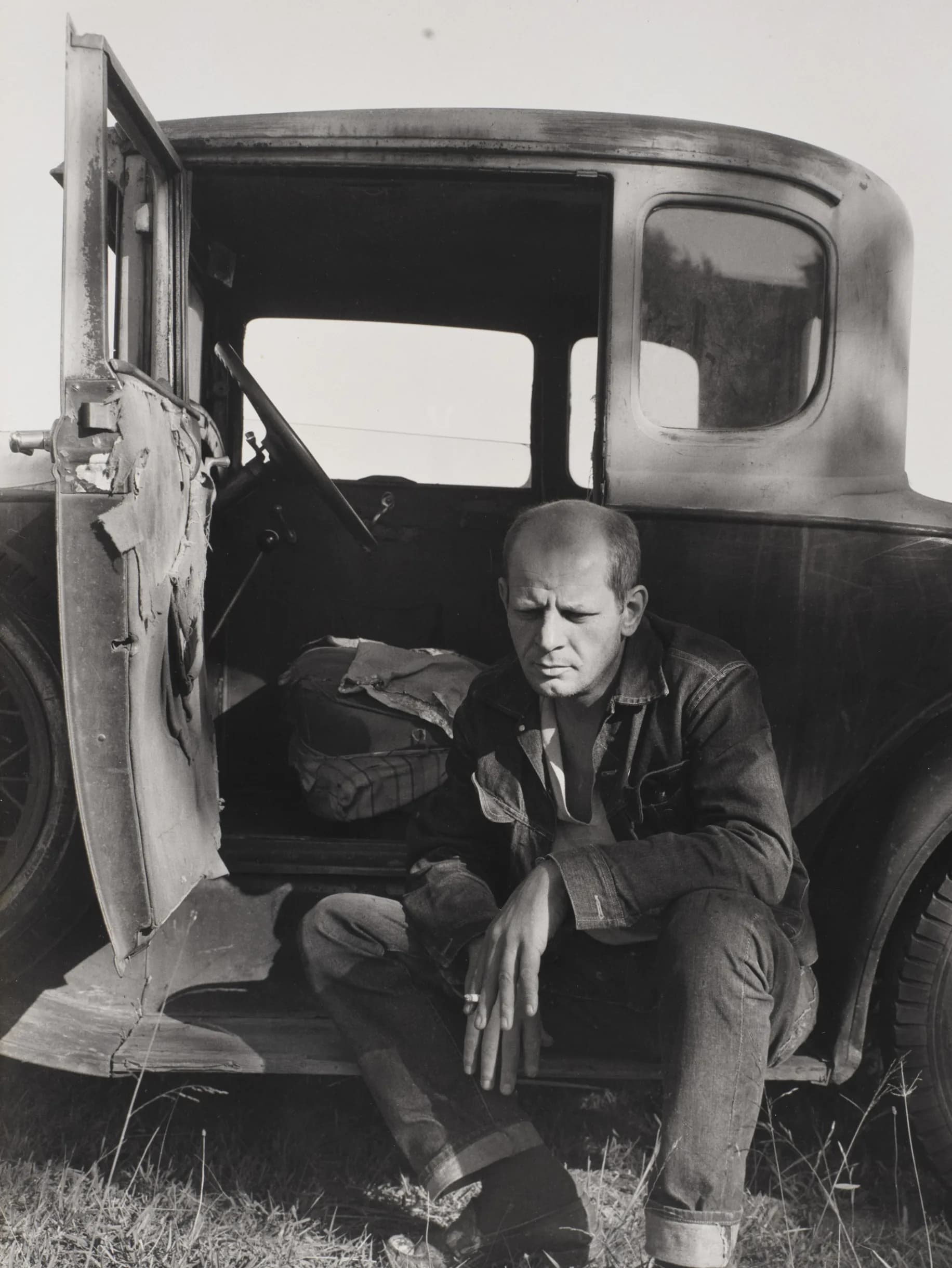
Paul Jackson Pollock (January 28, 1912 – August 11, 1956) was an American painter from Cody, United States. He was a major figure in the abstract expressionist movement, known for his revolutionary "drip technique" of pouring paint. Pollock's distinctive methods profoundly influenced modern art.
O viață în momente
Momentele care au modelat o viață
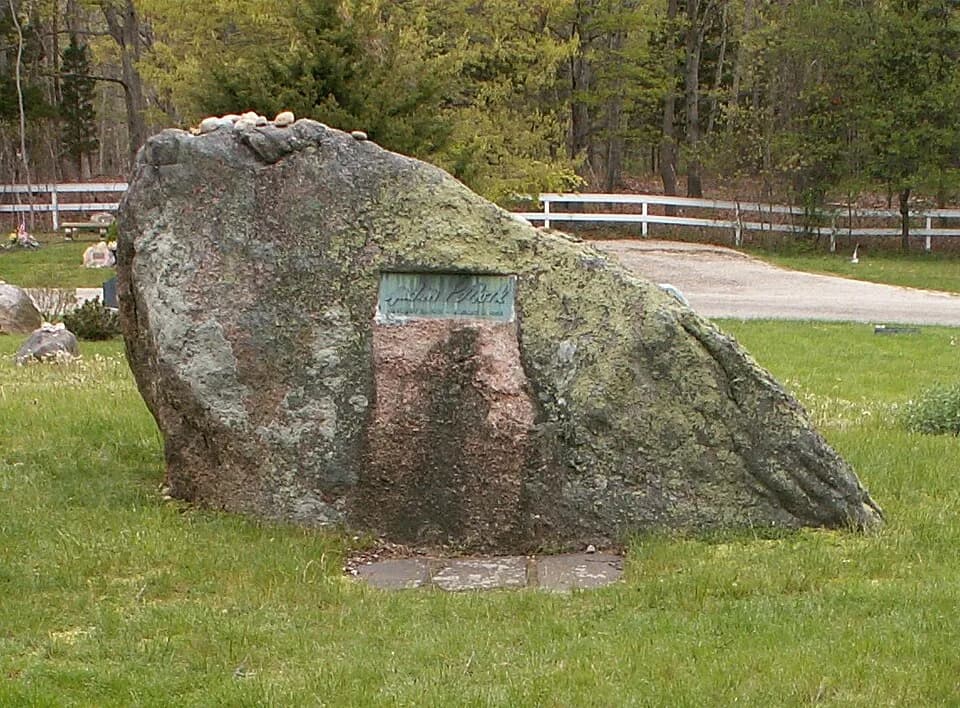
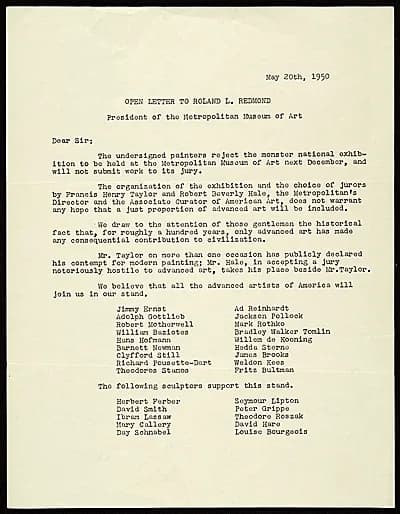

Capitolul
Capitolele vieții
Capitolul 1 · 1912· Capitolul 1 din 6
Early Life and Origins
Jackson Pollock entered the world on January 28, 1912, in the town of Cody, located within the United States. Although specific details regarding his early family background are not extensively provided, his formative years in the American West likely contributed to the independent spirit evident in his later artistic endeavors. This period of his life served as the initial stage for the development of the transformative artist he would ultimately become.
Capitolul 2· Capitolul 2 din 6
Career Beginnings
Pollock's professional journey commenced within the vibrant artistic landscape, where he established himself first as a dedicated painter, a skilled printmaker, and an insightful draftsperson. These foundational practices provided him with a robust technical grounding, which he would subsequently transcend and redefine through his truly innovative techniques. It was during these nascent stages that he began cultivating a distinctive visual style destined to capture the profound attention of the art world.
Capitolul 3· Capitolul 3 din 6
Major Achievements and Career Highlights
Jackson Pollock solidified his standing as a major figure within the abstract expressionist movement, fundamentally reinventing the very act of artistic creation. He achieved widespread recognition for his truly groundbreaking "drip technique," a method involving the pouring or splashing of liquid household paint onto canvases arrayed horizontally on the floor. This innovative approach allowed him the freedom to engage with and paint his works from all perspectives, resulting in compositions famously termed "all-over painting" and "action painting," where the full force of his body was intrinsically involved in the dynamic creative process.
The profoundly unique character of his artistic output, frequently described as a frenetic and rhythmic dancing style, inevitably generated intense and often divided critical discussion. Some discerning observers lauded the raw immediacy and visceral energy embedded within his creations, appreciating their directness and power. Conversely, others critiqued what they perceived as the "random effects" of his method, sparking considerable debate within the artistic community regarding the definition of art itself. Nevertheless, Pollock's unconventional methods undeniably stretched the conventional boundaries of art, opening new and exciting possibilities for abstract expression.
Capitolul 4 · 1950· Capitolul 4 din 6
Notable Works or Contributions
Among Jackson Pollock's most esteemed contributions to the visual arts are several compelling works housed in leading global institutions. "Autumn Rhythm: Number 30, 1950" (1950) stands as a monumental piece at the Met Museum, powerfully showcasing his sophisticated mastery of the signature drip technique. The Met Museum's collection also features other pivotal early and mid-career works, including "Pasiphaë" (ca. 1943), "Untitled" (ca. 1938–41), "Untitled (Psychoanalytic Drawing)" (ca. 1939–40), and another "Untitled" from approximately 1939–42, collectively illustrating the breadth and evolution of his artistic exploration.
The prestigious Art Institute of Chicago (AIC) similarly preserves a significant array of his artistic endeavors, providing a comprehensive look at his diverse output. This includes the evocative "Greyed Rainbow" (1953) and "The Key" (1946), both offering insights into his creative phases both before and after his most famous period of innovation. Additionally, numerous untitled works from various critical periods, such as "Untitled" (1944), "Untitled" (c. 1938–41), and multiple "Untitled" pieces from 1944–45 (some subsequently printed in 1967), further emphasize his prolific nature as both a painter and a printmaker during a period of intense experimentation.
Capitolul 5 · 1956· Capitolul 5 din 6
Later Years
Jackson Pollock's impactful life tragically concluded on August 11, 1956, in East Hampton, United States, when he was just 44 years old. His untimely passing marked the end of an exceptionally dynamic and influential artistic career, one that had already left a distinctive imprint on the art world. Despite the relative brevity of his existence, the profound reach of his artistic innovation continued to expand exponentially, fundamentally reshaping contemporary perceptions of modern art for generations to come.
Capitolul 6· Capitolul 6 din 6
Legacy and Impact
Jackson Pollock's enduring legacy stands as a singular and potent force within the panorama of modern art, particularly for his central and defining role within abstract expressionism. His groundbreaking "drip technique" and highly personal "action painting" methodologies liberated the practice of painting from conventional easel-based techniques and strict figurative representation, thereby serving as a powerful wellspring of inspiration for countless artists who followed. He bravely challenged established norms concerning artistic creation and viewer perception, unequivocally cementing his status as an unparalleled iconoclast in 20th-century art history.
The intense critical discourse that continuously surrounded his work, spanning from its initial enthusiastic praise to its outspoken derision, distinctly highlights the truly revolutionary essence of his unique contributions. Pollock's unwavering readiness to boldly push artistic boundaries and to engage his entire physical and emotional being in the immersive painting process undeniably left a distinctive mark on the global art community. His celebrated works persistently remain subjects of diligent academic study and profound admiration, collectively reflecting his singular and enduring artistic vision that continues to resonate today.
Întrebări frecvente
Întrebări frecvente
Când a murit Jackson Pollock?
Jackson Pollock a murit pe 11 august 1956 în East Hampton, United States, la vârsta de 44 ani.
Unde s-a născut Jackson Pollock?
Jackson Pollock s-a născut în Cody, United States pe 28 ianuarie 1912.
Pentru ce este cunoscut(ă) Jackson Pollock?
Jackson Pollock este cunoscut(ă) cel mai mult pentru American painter.
Câți ani avea Jackson Pollock la moarte?
Jackson Pollock avea 44 ani la momentul morții.
Ce naționalitate avea Jackson Pollock?
Jackson Pollock era din United States.
Cronologie
O viață dintr-o privire
Galerie foto
O viață în imagini
Faceți clic pe orice polaroid pentru a-l mări · 23 fotografii
Cod QR
Distribuiți această biografie
Imprimați și distribuiți
Scanați pentru a vizita această pagină biografică. Imprimați pentru evenimente, expoziții sau materiale educaționale.