Ur.
June 18, 1942
Urbana, United States
Zm.
April 4, 2013
Chicago, United States
Znany/a z
American film critic and author
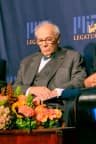
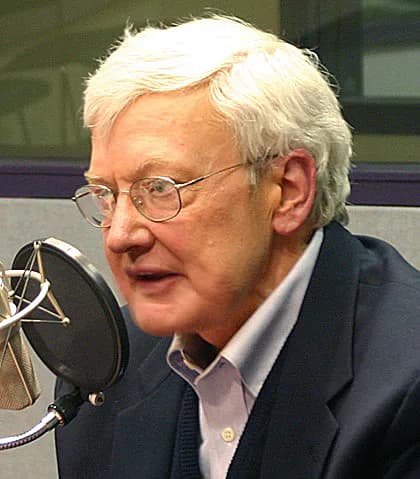
Roger Ebert (1942–2013) was United States best known for American film critic and author.
Roger Joseph Ebert (June 18, 1942 – April 4, 2013) was an American film critic and author from Urbana, United States. He was the first film critic to win the Pulitzer Prize for Criticism in 1975, shaping how mainstream audiences engaged with cinema. Ebert's influence made him the nation's most prominent and influential film critic.
Rozdział
Rozdziały życia
Rozdział 1 · 1942· Rozdział 1 z 7
Opening Tribute
Roger Joseph Ebert (June 18, 1942 – April 4, 2013) was an American film critic, author, and journalist whose insightful commentary shaped cinematic discourse for decades. He served as a principal voice in film criticism, writing for the Chicago Sun-Times from 1967 until his passing in 2013. Ebert’s distinctive blend of populist appeal and humanistic values made him a highly regarded figure among moviegoers and filmmakers alike.
Rozdział 2 · 1942· Rozdział 2 z 7
Early Life and Origins
Roger Joseph Ebert was born on June 18, 1942, in Urbana, United States. His formative years in Urbana set the stage for a career that would deeply influence American culture. Though specific details about his family and early upbringing are not provided in public records, his Midwestern roots are often seen as contributing to his accessible and relatable critical style.
Rozdział 3 · 1967· Rozdział 3 z 7
Career Beginnings
Ebert began his distinguished career with the Chicago Sun-Times in 1967, quickly establishing himself as a formidable voice in film criticism. His keen intellect and accessible prose style set him apart from his contemporaries. Early in his career, he notably wrote the first published review of legendary director Martin Scorsese, recognizing a nascent talent that would define generations.
Rozdział 4 · 1975· Rozdział 4 z 7
Major Achievements and Career Highlights
In a testament to his critical acumen, Roger Ebert made history in 1975 by becoming the first film critic to win the Pulitzer Prize for Criticism. This prestigious award cemented his status as a leading figure in American journalism. Throughout his career, Ebert was celebrated for his intimate writing style and critical views, which were deeply informed by values of populism and humanism. He possessed a rare ability to make sophisticated cinematic and analytical ideas accessible to non-specialist audiences through his entertaining and direct prose.
Ebert was a vocal advocate for foreign and independent films, consistently championing directors such as Werner Herzog, Errol Morris, and Spike Lee, alongside mainstream giants like Martin Scorsese. Neil Steinberg of the Chicago Sun-Times lauded Ebert as "without question the nation's most prominent and influential film critic," while Kenneth Turan of the Los Angeles Times hailed him as "the best-known film critic in America." The New York Times acknowledged that "The force and grace of his opinions propelled film criticism into the mainstream of American culture," asserting that he not only guided moviegoers on what to watch but also how to interpret what they saw.
Rozdział 5· Rozdział 5 z 7
Notable Works and Contributions
Beyond his prolific newspaper columns, Roger Ebert was a respected author, screenwriter, reporter, and television presenter. His extensive bibliography includes influential works such as Your Movie Sucks, Life Itself, and Roger Ebert's movie home companion, which further showcased his expansive knowledge and wit. He also contributed to Prentice Hall Literature--Timeless Voices, Timeless Themes--Platinum and penned titles like The Real Tom Jones, Higman, Two weeks in the midday sun, A kiss is still a kiss, and Ebert's little movie glossary.
Ebert's presence extended to the screen, where he appeared in a number of documentaries and films. These included Life Itself (2014), a compelling documentary about his own life, Waking Sleeping Beauty (2010), For the Love of Movies: The Story of American Film Criticism (2009), Dead On: The Life and Cinema of George A. Romero (2008), and The Man Who Shot Chinatown (2007). His diverse contributions solidified his reputation as a significant cultural commentator across multiple media.
Rozdział 6 · 2013· Rozdział 6 z 7
Later Years
Roger Ebert continued his dedicated work for the Chicago Sun-Times until his death on April 4, 2013, in Chicago, United States. Despite facing significant health challenges in his final years, he maintained his commitment to reviewing films, often adapting his methods to continue sharing his insights. His dedication to his craft, even in adversity, highlighted his deep love for cinema and his readers.
Rozdział 7· Rozdział 7 z 7
Legacy and Impact
Roger Ebert's influence on film criticism and popular culture is undeniable and enduring. His unique approach democratized film analysis, making it engaging and understandable for a broad audience. He transformed the role of the film critic from a niche observer to a mainstream cultural influencer, advising audiences on not just what to see, but also how to think about what they saw.
His legacy is marked by his unwavering commitment to cinema as an art form and his ability to articulate its power and beauty to millions, forever changing how America talks about movies. Ebert's dedication to quality journalism and accessible criticism continues to resonate, shaping new generations of critics and movie lovers alike, ensuring his place as a giant in the field.
Życie w chwilach
Chwile, które ukształtowały życie

FAQ
Często zadawane pytania
Kiedy zmarł(a) Roger Ebert?
Roger Ebert zmarł(a) 4 kwietnia 2013 w Chicago, United States w wieku 70 lat.
Gdzie urodził(a) się Roger Ebert?
Roger Ebert urodził(a) się w Urbana, United States 18 czerwca 1942.
Z czego najbardziej znany(a) jest Roger Ebert?
Roger Ebert jest najbardziej znany(a) z American film critic and author.
Ile lat miał(a) Roger Ebert w chwili śmierci?
Roger Ebert miał(a) 70 lat w chwili śmierci.
Jakiej narodowości był(a) Roger Ebert?
Roger Ebert pochodził(a) z United States.
Oś czasu
Życie w skrócie
Galeria zdjęć
Życie w obrazach
Kliknij dowolny polaroid, by go powiększyć · 24 zdjęć
Kod QR
Udostępnij tę biografię
Drukuj i udostępnij
Zeskanuj, aby odwiedzić tę stronę biografii. Wydrukuj na wydarzenia, wystawy lub materiały edukacyjne.