Ur.
August 28, 1165
Paris, France
Zm.
July 21, 1223
Mantes-la-Jolie, France
Znany/a z
King of France, and the first to be called by that title
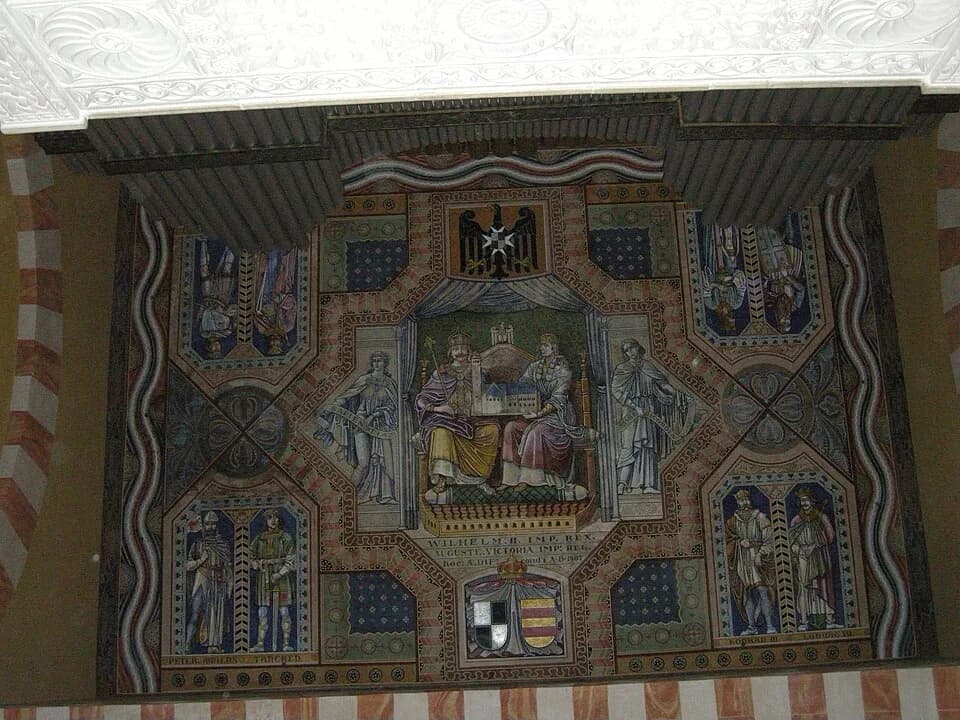
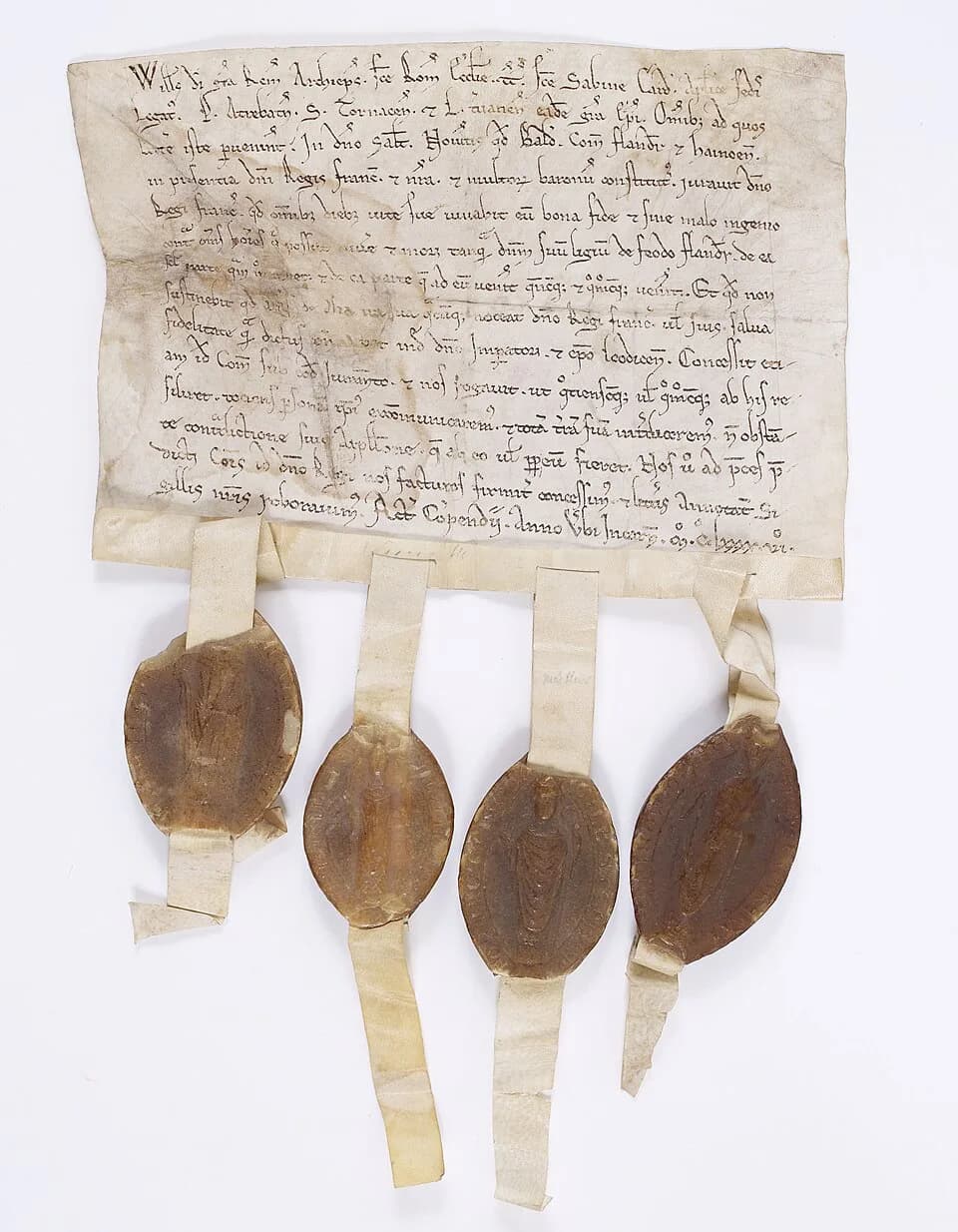
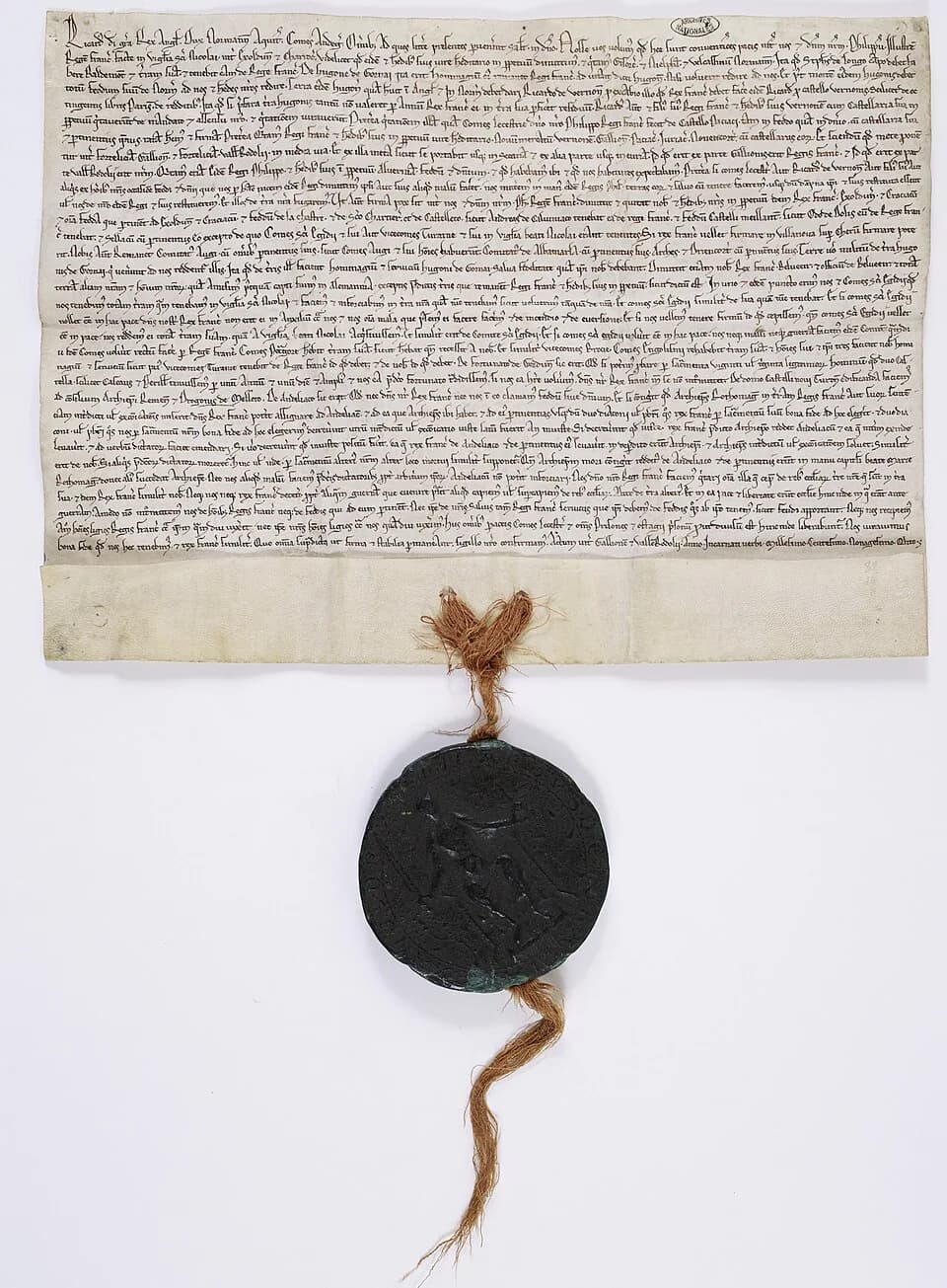
Philip II of France (1165–1223) was France best known for King of France, and the first to be called by that title.
Philip II of France (August 28, 1165 – July 21, 1223) was a sovereign from France. He was the first monarch to style himself "King of France" from 1190, having previously been known as a king of the Franks. His reign notably extended the crown lands.
Życie w chwilach
Chwile, które ukształtowały życie

Rozdział
Rozdziały życia
Rozdział 1 · 1180· Rozdział 1 z 8
Opening Tribute to a Royal Pioneer
Philip II of France, a sovereign who reigned from 1180 to 1223, was born on August 28, 1165, in Paris, France, and passed away on July 21, 1223, in Mantes-la-Jolie, France. He holds a unique place in history as the first French monarch to officially use the title "King of France." This significant shift from his predecessors, who were known as "kings of the Franks," underscored his ambition and vision for the nascent nation. His impactful reign fundamentally reshaped the identity and territorial scope of France, leaving a lasting legacy.
Rozdział 2 · 1165· Rozdział 2 z 8
Early Life and Royal Lineage
The birth of Philip in Paris on August 28, 1165, was an event met with particular joy and expectation within the royal court. As the only son of King Louis VII and his third wife, Adela of Champagne, his arrival was seen as a divine blessing. He was, in fact, affectionately nicknamed 'God-given' due to his appearance late in his father's life. This auspicious beginning set the stage for a future monarch who was destined to redefine French sovereignty and its territorial boundaries.
Growing up within the royal confines of France, young Philip was immersed in the complex political and social dynamics of his era. His education and upbringing would have prepared him for the demanding role of kingship. As the sole male heir, the weight of dynastic continuity rested squarely upon his shoulders from an early age, influencing his perception of royal duty and authority.
Rozdział 3 · 1180· Rozdział 3 z 8
Ascension and the Realm of the Franks
Philip ascended to the throne in 1180, stepping into a role previously defined by tradition. For centuries, the rulers of the region had been styled as "kings of the Franks," a designation that reflected a more tribal and less centralized dominion over a collection of peoples. This title suggested a personal rule over an ethnic group rather than a distinct geographic and political entity.
His early years as king involved navigating the existing political structures, which were characterized by powerful feudal lords holding significant autonomy. The challenge for Philip was to consolidate power and establish a more unified royal authority over these diverse territories. His initial reign built upon the foundations laid by his ancestors while subtly laying the groundwork for monumental changes to come.
Rozdział 4 · 1190· Rozdział 4 z 8
A New Era: The King of France
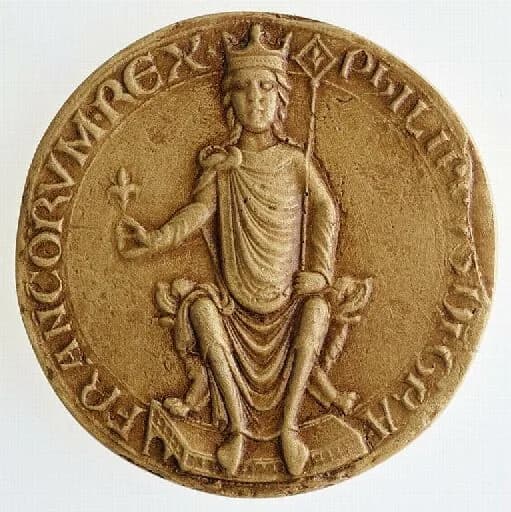
A truly pivotal moment in Philip's reign, and in French history, occurred from 1190 onward. It was at this juncture that Philip II became the very first French monarch to formally style himself "King of France." This was a deliberate and profoundly symbolic change from the traditional "King of the Franks." The adoption of this new title represented a conscious assertion of authority over a specific geographic and political entity, establishing a clear link between the monarch and the land itself.
This redefinition of the monarch's title was more than just a name change; it signified a fundamental shift in the understanding of the French state. It marked a crucial step in the evolution of France from a loose collection of feudal territories into a more unified nation-state under a singular, powerful crown. Philip's vision began to shape a collective French identity, moving beyond mere tribal allegiances.
Rozdział 5· Rozdział 5 z 8
Philip Augustus: Architect of Expansion
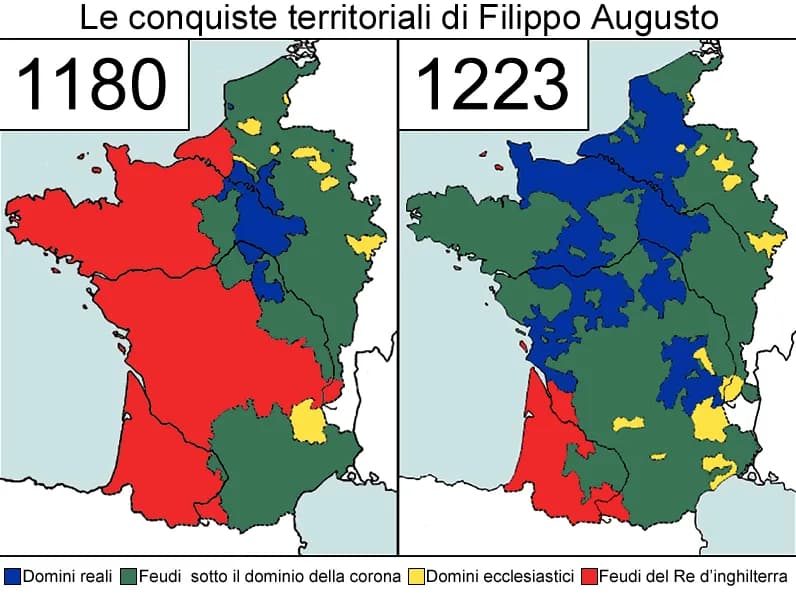
Philip II earned the distinguished epithet "Augustus" from the chronicler Rigord, a title reserved for rulers of exceptional achievement. This honor was bestowed upon him specifically for having extended the crown lands of France so remarkably during his long and active reign. His strategic and often military efforts greatly expanded the royal dominion and control, consolidating the monarch's power and influence across the realm.
The expansion of crown lands under Philip Augustus was not simply about territorial acquisition; it was a calculated endeavor to centralize power and strengthen the royal administration. His policies aimed at bringing more feudal territories directly under the king's authority, thereby diminishing the independence of powerful vassals. This significant consolidation of power laid essential groundwork for future French monarchies, creating a more cohesive and powerful state.
Rozdział 6 · 1180· Rozdział 6 z 8
Years of Enduring Leadership
Philip II sustained his impactful rule for over four decades, steadfastly guiding France through a period of significant growth and transformation. His extensive reign, which commenced in 1180, saw him at the helm during numerous crucial historical events. Throughout these years, he consistently pursued policies that strengthened the monarchy and expanded the influence of the crown across Western Europe.
Rozdział 7 · 1223· Rozdział 7 z 8
The Final Chapter
The reign of Philip Augustus concluded with his passing on July 21, 1223. He died in Mantes-la-Jolie, France, bringing to an end an era that had profoundly reshaped the nation. His death marked the close of a transformative period in French history, leaving behind a kingdom fundamentally altered by his ambition and strategic genius.
Rozdział 8· Rozdział 8 z 8
Legacy of a Unified Nation
The legacy of Philip II of France is considerable and enduring, particularly for his instrumental role in shaping the modern concept of France itself. By being the first to proudly call himself "King of France," he articulated a new vision for his realm, establishing a clear national identity. This move transcended the previous, more fragmented view of the kingdom.
Furthermore, his dramatic expansion of the royal domain, earning him the title "Augustus," solidified a foundation for centralized monarchy and a stronger, more unified French state. His reign laid down crucial political and territorial precedents that would influence the development of France for centuries, making him a true architect of the French nation.
FAQ
Często zadawane pytania
Kiedy zmarł(a) Philip II of France?
Philip II of France zmarł(a) 21 lipca 1223 w Mantes-la-Jolie, France w wieku 57 lat.
Gdzie urodził(a) się Philip II of France?
Philip II of France urodził(a) się w Paris, France 28 sierpnia 1165.
Z czego najbardziej znany(a) jest Philip II of France?
Philip II of France jest najbardziej znany(a) z King of France, and the first to be called by that title.
Ile lat miał(a) Philip II of France w chwili śmierci?
Philip II of France miał(a) 57 lat w chwili śmierci.
Jakiej narodowości był(a) Philip II of France?
Philip II of France pochodził(a) z France.
Oś czasu
Życie w skrócie
Galeria zdjęć
Życie w obrazach
Kliknij dowolny polaroid, by go powiększyć · 46 zdjęć
Kod QR
Udostępnij tę biografię
Drukuj i udostępnij
Zeskanuj, aby odwiedzić tę stronę biografii. Wydrukuj na wydarzenia, wystawy lub materiały edukacyjne.