Ur.
November 8, 1916
Nowawes, Germany
Zm.
May 10, 1982
Stockholm, Sweden
Znany/a z
Swedish-German playwright and author
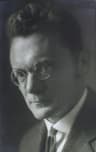
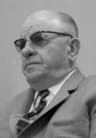
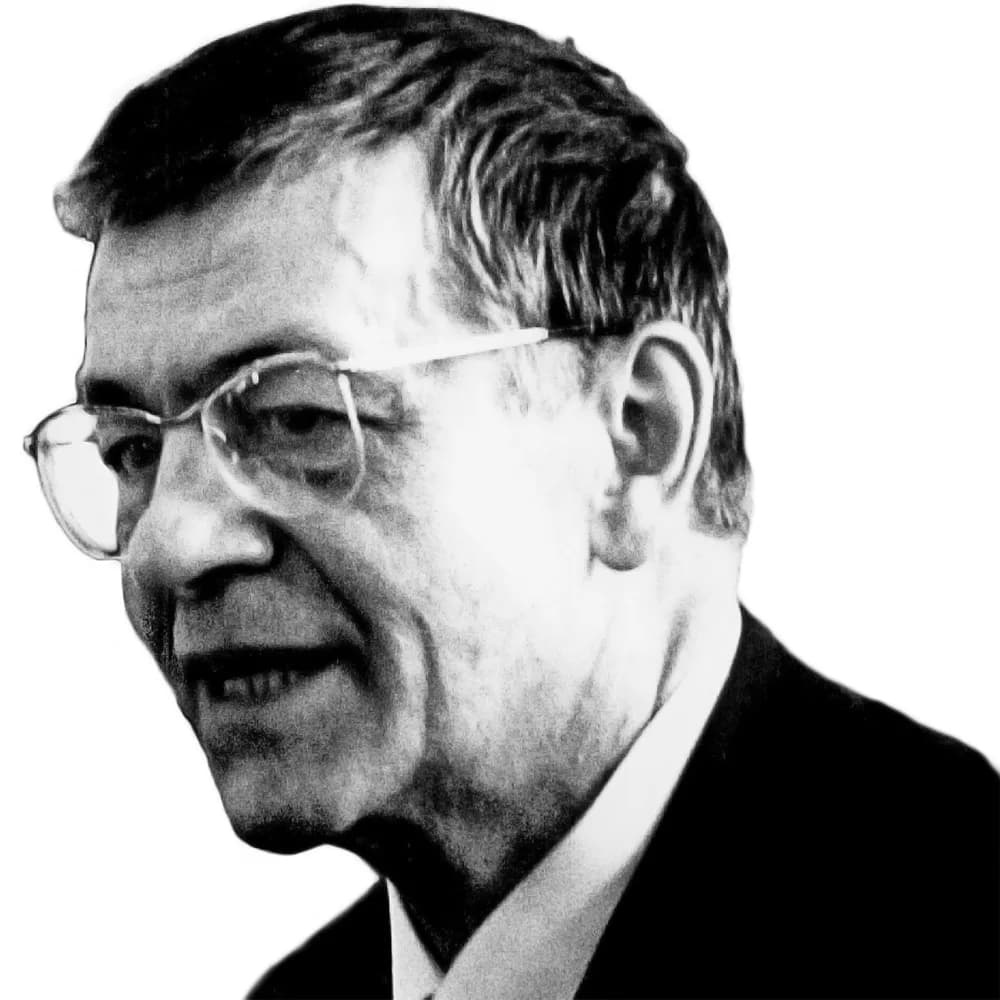
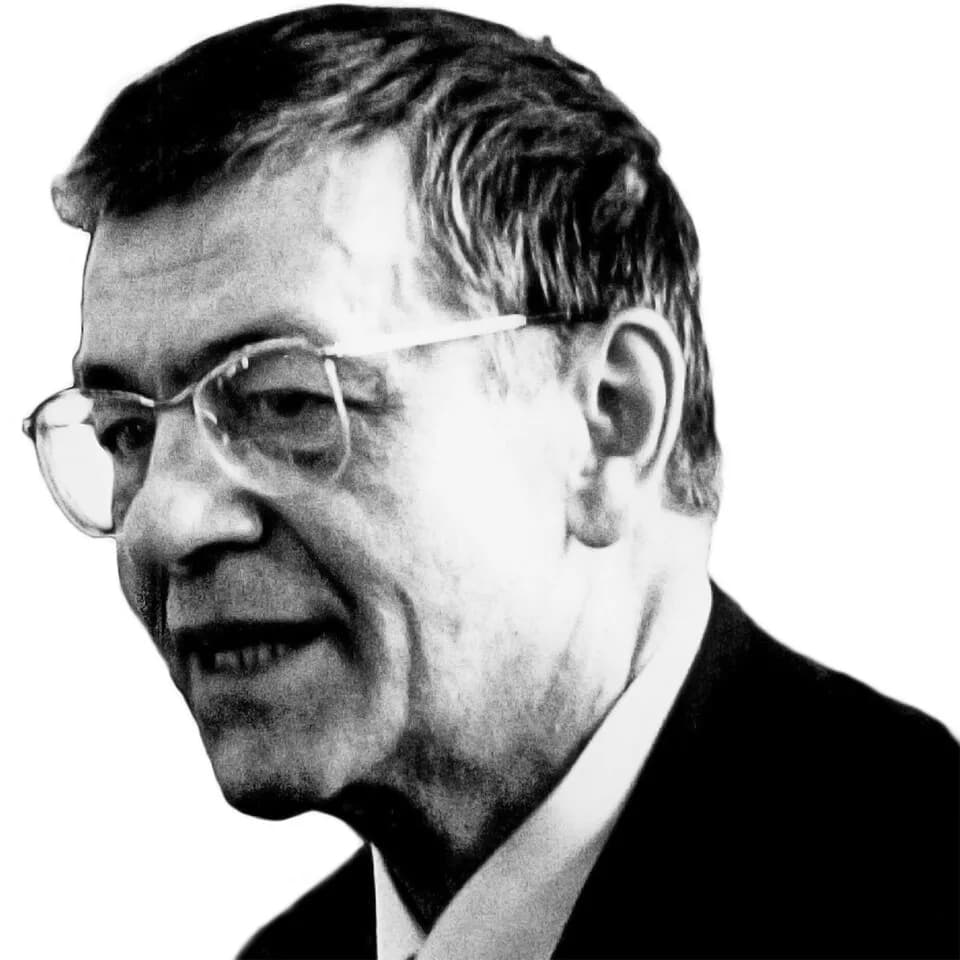
Peter Weiss (1916–1982) was Germany best known for Swedish-German playwright and author.
Peter Weiss (November 8, 1916 – May 10, 1982) was a Swedish-German playwright and author from Nowawes, Germany. He is renowned for his influential plays <i>Marat/Sade</i> and <i>The Investigation</i>, and his novel <i>The Aesthetics of Resistance</i>. His work significantly shaped German-language literature and theatre in the mid-20th century.
Rozdział
Rozdziały życia
Rozdział 1 · 1916· Rozdział 1 z 7
Early Life and Origins
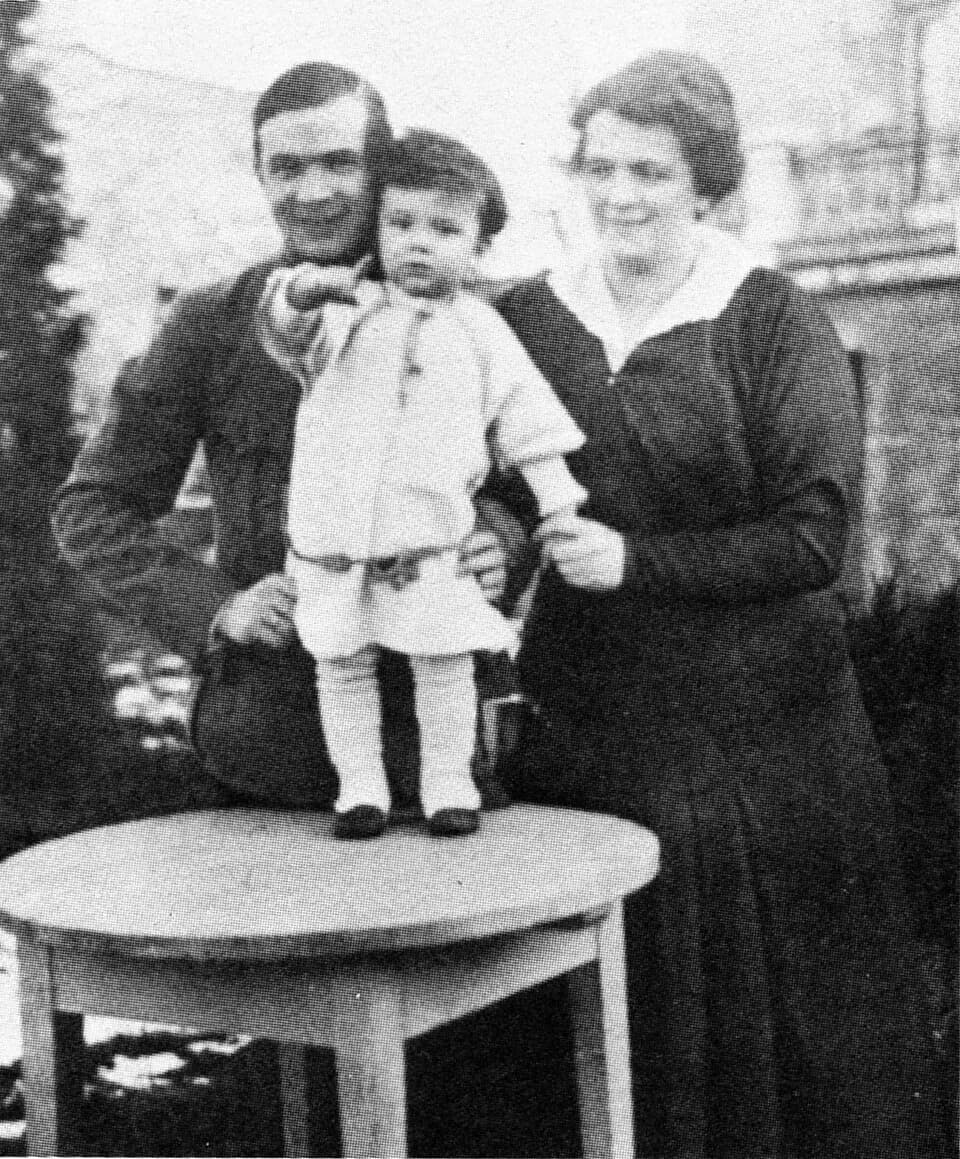
Peter Ulrich Weiss was born on November 8, 1916, in Nowawes, Germany. His formative years in Germany coincided with a period of significant political and social upheaval. These early experiences undoubtedly contributed to the critical and often politically charged nature of his later artistic endeavors, shaping his worldview and artistic voice.
The environment of his birth country played a crucial role in his development as an artist and intellectual. He later moved to Sweden, which became his adopted home and a base for much of his groundbreaking work. This transnational existence offered him unique perspectives that he infused into his writing and visual art.
Rozdział 2· Rozdział 2 z 7
Career Beginnings
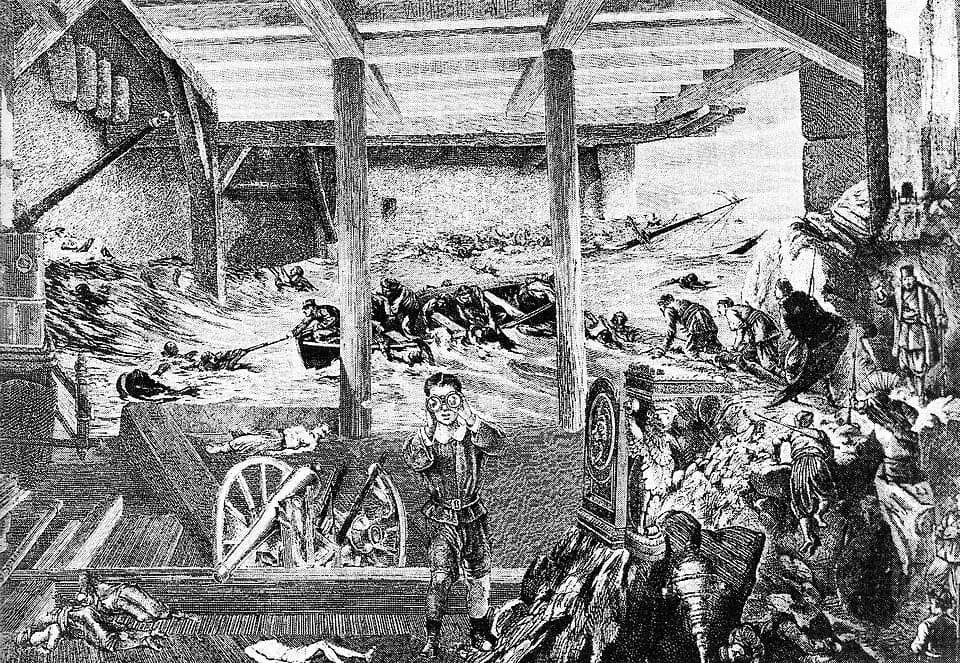
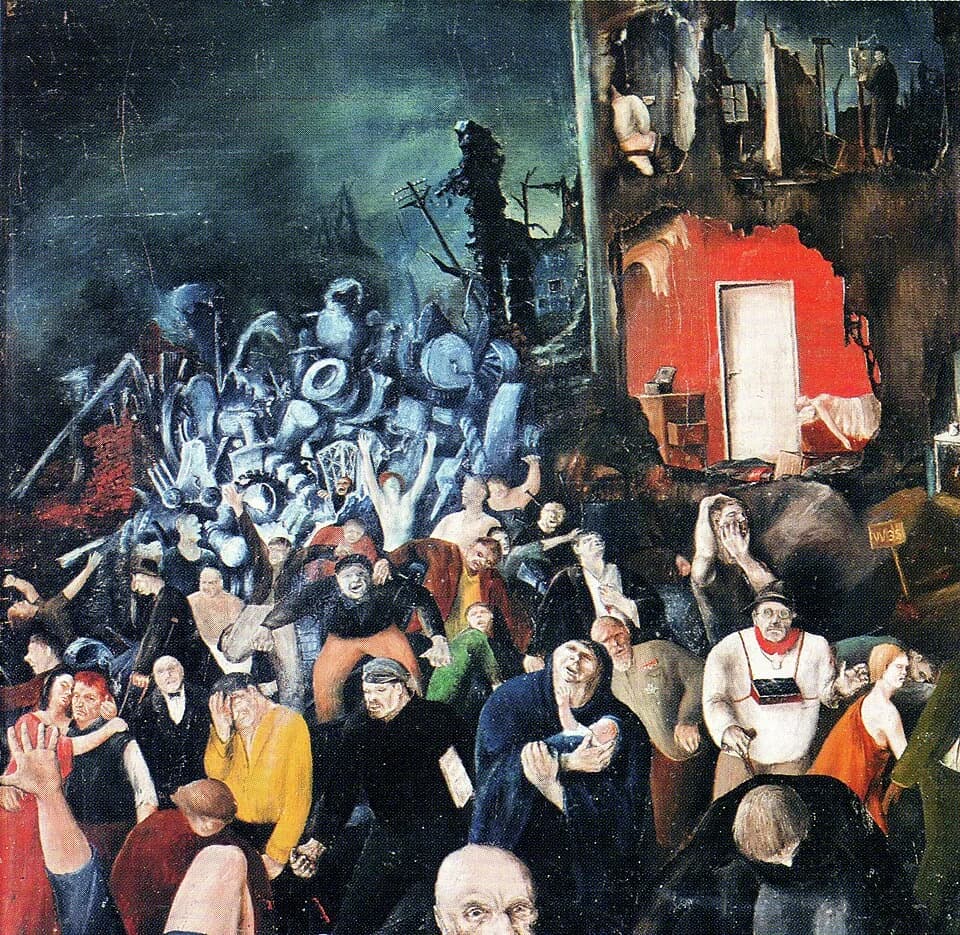
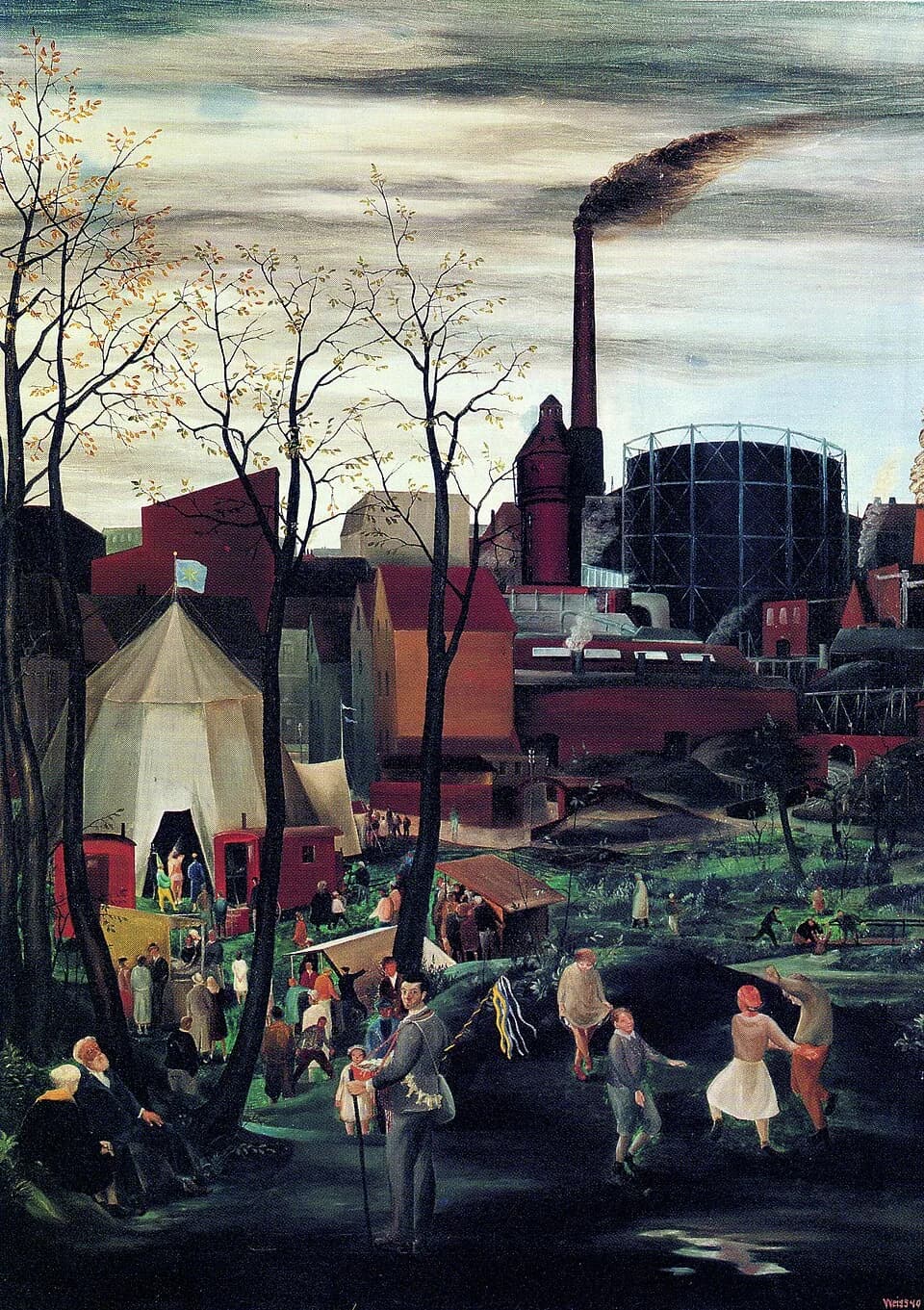
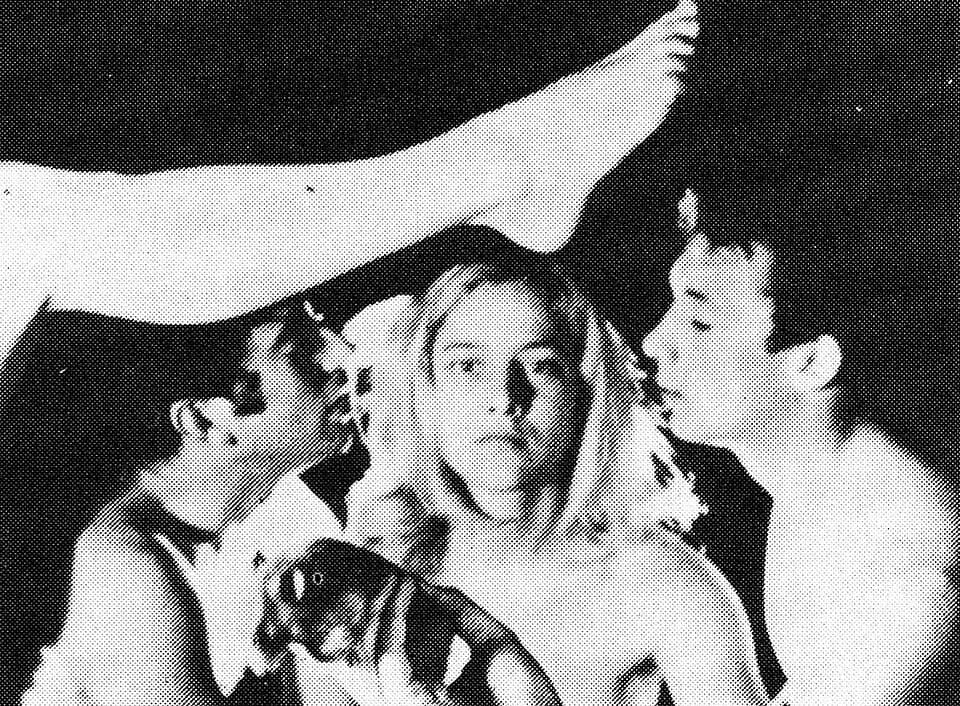
Weiss's artistic journey began with diverse explorations across multiple creative disciplines. He initially engaged as a painter, graphic artist, and experimental filmmaker, demonstrating a wide range of talents beyond traditional writing. This period of artistic experimentation laid the groundwork for his later, more focused literary and dramatic achievements, allowing him to develop a unique aesthetic perspective.
His early works often showcased an avant-garde sensibility, pushing the boundaries of conventional artistic expression. These initial forays into film and visual art, while perhaps less widely known than his theatrical successes, were fundamental to his growth as an artist. They enabled him to develop the keen visual and structural sense evident in his subsequent plays and prose.
Rozdział 3 · 1964· Rozdział 3 z 7
Major Achievements and Career Highlights
One of Peter Weiss's most significant contributions to world theatre was his electrifying play, Marat/Sade, officially titled The Persecution and Assassination of Jean-Paul Marat as Performed by the Inmates of the Asylum of Charenton Under the Direction of the Marquis de Sade. This complex and innovative work, first performed in 1964, garnered him international acclaim and firmly established him as a leading playwright of his generation. Its intricate meta-theatrical structure and challenging themes continue to provoke audiences and scholars alike.
Another powerful theatrical achievement was The Investigation (Die Ermittlung), a documentary-style play based on the Frankfurt Auschwitz Trials. Premiering in 1965, this work unflinchingly confronted the horrors of the Holocaust, highlighting Weiss's commitment to exploring ethical and historical truths through art. Both plays underscore his dedication to using the stage as a platform for profound social and political commentary.
Beyond the theatre, Weiss made substantial literary contributions, most notably with his sprawling novel, The Aesthetics of Resistance. This multi-volume work, published between 1975 and 1981, is considered "one of the most important German-language work[s] of the 70s and 80s." It cemented his reputation as a master prose writer, weaving together historical narrative with philosophical depth and personal reflection.
Rozdział 4· Rozdział 4 z 7
Personal Life
While Peter Weiss's professional accomplishments are well-documented, specific details regarding his personal life, such as family and relationships, are not extensively provided in available public records. He maintained a private existence while his artistic output engaged deeply with public and historical themes. His life journey took him from Germany to Stockholm, Sweden, where he eventually passed away.
Rozdział 5 · 1969· Rozdział 5 z 7
Notable Works or Contributions
Peter Weiss's expansive body of work reflects his restless creative spirit across numerous professions, including screenwriter, writer, playwright, illustrator, musician, painter, graphic artist, film director, production designer, film producer, director, librettist, essayist, and prose writer. His direct involvement in filmmaking included the 1969 film Man on Horseback. His discography features significant recordings like The Persecution and Assassination of Jean-Paul Marat as Performed by the Inmates of the Asylum of Charenton Under the Direction of the Marquis de Sade (1967) and L'Instruction (1989), often bringing his dramatic works to an audio format.
His written works extended well beyond his most famous plays and novel. Notable entries in his bibliography include Das Gespräch der drei Gehenden, Gesang vom lusitanischen Popanz, and Dem Unerreichbaren auf der Spur. He also authored Direnmenin estetiği, reflecting his continued exploration of resistance themes. These works showcase his versatility as an author capable of navigating various forms and subjects.
Weiss's contributions also included Turandot oder Der Kongre der Weiwscher / Publikumsbeschimpfung / Helm / Genusien / Fulein Julie / Goldene Stdte / Der frhliche Weinberg (Spectaculum -) and Von Insel zu Insel. He explored avant-garde film and wrote Avantgardefilm and Night with guests, demonstrating his engagement with experimental forms. His extensive collection of essays and prose reflects a sustained intellectual curiosity throughout his lifetime.
Rozdział 6 · 1982· Rozdział 6 z 7
Later Years
Peter Weiss spent his later years in Stockholm, Sweden, continuing his creative endeavors. His work continued to challenge and provoke thought until the end of his life. He passed away on May 10, 1982, in Stockholm, leaving behind a profound body of work that continues to resonate.
Rozdział 7· Rozdział 7 z 7
Legacy and Impact
Peter Weiss's legacy is firmly rooted in his willingness to confront complex moral and political issues through his art. He fearlessly used the stage and the printed page to examine historical injustices and the human condition, making his work resonate with audiences across generations. His bold experimentation with theatrical forms and narrative structures set new standards for engaged art.
He is remembered for his unique ability to blend documentary realism with profound philosophical inquiry, leaving a lasting impact on German and Swedish cultural landscapes. The recognition of The Aesthetics of Resistance as one of the most important German-language works of its era speaks volumes about his literary stature. Weiss continues to inspire artists and thinkers with his courageous and uncompromising pursuit of truth in art.
Życie w chwilach
Chwile, które ukształtowały życie
FAQ
Często zadawane pytania
Kiedy zmarł(a) Peter Weiss?
Peter Weiss zmarł(a) 10 maja 1982 w Stockholm, Sweden w wieku 65 lat.
Gdzie urodził(a) się Peter Weiss?
Peter Weiss urodził(a) się w Nowawes, Germany 8 listopada 1916.
Z czego najbardziej znany(a) jest Peter Weiss?
Peter Weiss jest najbardziej znany(a) z Swedish-German playwright and author.
Ile lat miał(a) Peter Weiss w chwili śmierci?
Peter Weiss miał(a) 65 lat w chwili śmierci.
Jakiej narodowości był(a) Peter Weiss?
Peter Weiss pochodził(a) z Germany.
Oś czasu
Życie w skrócie
Galeria zdjęć
Życie w obrazach
Kliknij dowolny polaroid, by go powiększyć · 25 zdjęć
Kod QR
Udostępnij tę biografię
Drukuj i udostępnij
Zeskanuj, aby odwiedzić tę stronę biografii. Wydrukuj na wydarzenia, wystawy lub materiały edukacyjne.