Ur.
May 9, 1927
Bochum, Germany
Zm.
February 6, 2019
Göttingen, Germany
Znany/a z
German biophysical chemist
Manfred Eigen (1927–2019) was Germany best known for German biophysical chemist.
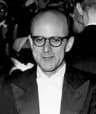
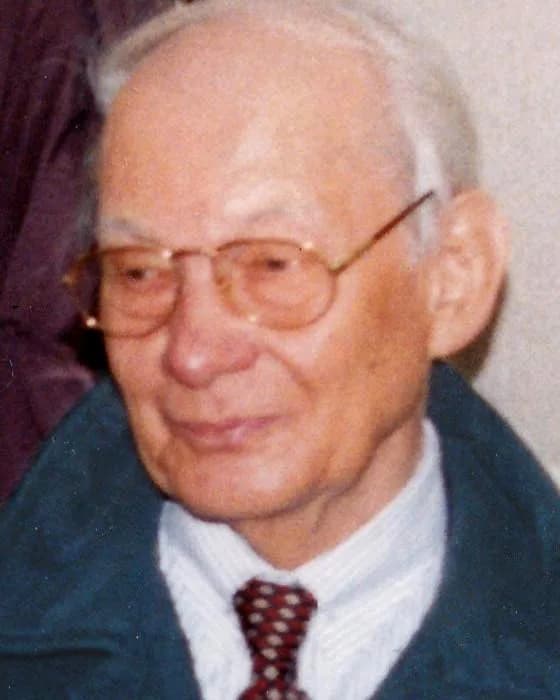
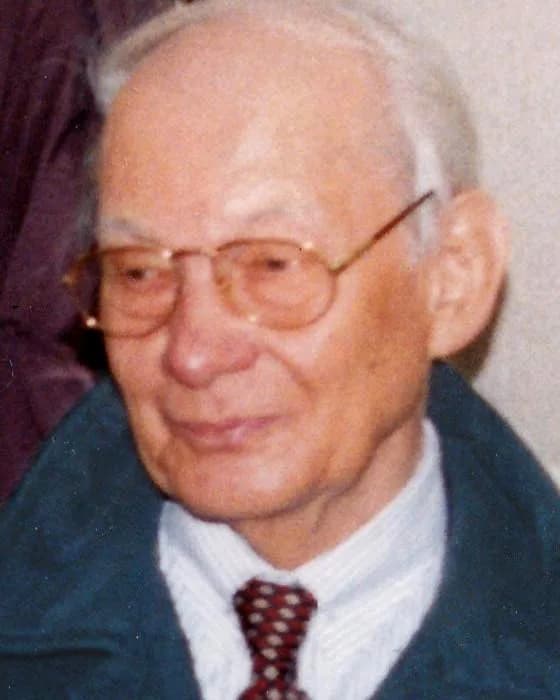
Manfred Eigen (May 9, 1927 – February 6, 2019) was a German biophysical chemist from Bochum. He won the 1967 Nobel Prize in Chemistry for his studies of fast chemical reactions. His work significantly advanced the understanding of chemical kinetics.
Rozdział
Rozdziały życia
Rozdział 1 · 1927· Rozdział 1 z 6
Early Life and Origins
Manfred Eigen began his remarkable journey in Bochum, Germany, where he was born on May 9, 1927. His early life in Germany set the stage for a career that would ultimately lead him to the pinnacle of scientific achievement. While detailed accounts of his family life remain private, his upbringing undoubtedly instilled in him a deep curiosity and rigor for scientific inquiry. This formative environment fostered the intellectual foundation upon which his later revolutionary work would be built.
Rozdział 2· Rozdział 2 z 6
Career Beginnings
Eigen's professional path was characterized by a diverse engagement with science, encompassing significant roles as a physicist, writer, chemist, and university teacher. From his early days, he established himself as a serious scientific researcher, exploring complex chemical phenomena with an innovative spirit. This multidisciplinary approach allowed him to bridge gaps between traditional scientific disciplines, particularly in his development as a biophysical chemist. He combined principles from physics and chemistry, ultimately specializing in biophysics, a testament to his broad intellectual capacity and forward-thinking scientific perspective.
Rozdział 3 · 1967· Rozdział 3 z 6
Major Achievements and Career Highlights
The defining moment in Manfred Eigen's illustrious career came in 1967 when he was awarded the Nobel Prize in Chemistry. This prestigious honor recognized his pioneering studies of extremely fast chemical reactions, a field he revolutionized. He achieved this by devising innovative methods to disturb chemical equilibrium using very short pulses of energy. His pioneering techniques allowed scientists to observe and measure reactions occurring on timescales previously thought to be immeasurable, providing unprecedented insight into chemical kinetics.
The Nobel Committee specifically cited his work for "their studies of extremely fast chemical reactions, effected by disturbing the equilibrium by means of very short pulses of energy." This recognition highlighted his success in opening up entirely new avenues for understanding fundamental chemical processes. His methodologies provided critical tools for studying dynamic systems, from simple acid-base reactions to complex biological mechanisms, thereby expanding the horizons of chemical research.
Rozdział 4· Rozdział 4 z 6
Notable Works and Contributions
Beyond his Nobel-winning research, Manfred Eigen was a prolific writer, sharing his insights across numerous notable works that transcended pure scientific papers. His bibliography includes thought-provoking titles such as "Steps Towards Life" and "Zufall," which explored the fundamental aspects of biological self-organization and chance in evolution. He further explored complex scientific and philosophical themes in "Prospettive della scienza" and "Die Idee der Universität."
Other significant contributions to literature include "Das Spiel," which likely explored game theory or the "game of life" in a scientific context, and the extensive treatise "From strange simplicity to complex familiarity: a treatise on matter, information, life and thought." These works, alongside "Het Spel," "Das Urgen," "Die "ummessbar" schnellen Reaktionen," and "Grenzübertritte," reflect his dedication to communicating science and its broader implications to a wider audience. His academic contributions are further evidenced by his substantial publishing record, with an h-index of 23 across 93 papers, demonstrating a consistent and impactful output of research.
His published academic works included foundational papers like "Zur Theorie der starken Elektrolyte," published in 2004, which garnered 27 citations, and "Wasserstoffbrückensysteme als Medien chemischen Stofftransports" from the same year. He also contributed to understanding reaction rates with "Die Geschwindigkeit der Neutralisationsreaktion" and offered critical commentary in "Bemerkung zu der voranstehenden Mitteilung: „On strong electrolytes in solutions”." Earlier work on concentration was evident in "Zum Konzentrationsverlauf der Aktivitätskoeffizienten starker Elektrolyte," all from 2004, showcasing his enduring engagement with fundamental chemical principles.
Rozdział 5 · 2019· Rozdział 5 z 6
Later Years
Manfred Eigen continued to contribute significantly to the scientific community well into his later years, maintaining his intellectual vigor and commitment to research. His dedication to both scientific inquiry and the education of future generations remained constant throughout his long and distinguished career. He passed away in Göttingen, Germany, on February 6, 2019, at the age of 91, leaving an irreplaceable void in the world of science.
Rozdział 6· Rozdział 6 z 6
Legacy and Impact
Manfred Eigen's legacy is immense, profoundly shaping the understanding of chemical reactions and the very origins of life. His Nobel Prize-winning methodology for measuring extremely fast chemical reactions remains a cornerstone of modern chemical kinetics and experimental biophysics. This work provided essential tools for studying fundamental biological processes, such as the rapid dynamics of enzyme reactions and protein folding, which are critical for life itself.
As a pioneering biophysical chemist, he championed interdisciplinary approaches, demonstrating how the rigorous principles of physics and chemistry could illuminate the most complex biological questions. His extensive body of work, comprising 93 academic papers and an h-index of 23, alongside his numerous influential books, continues to educate and inspire new generations of scientists worldwide. He leaves behind a world forever changed by his relentless pursuit of knowledge, his innovative scientific spirit, and his deep insights into the mechanisms of life itself.
Życie w chwilach
Chwile, które ukształtowały życie
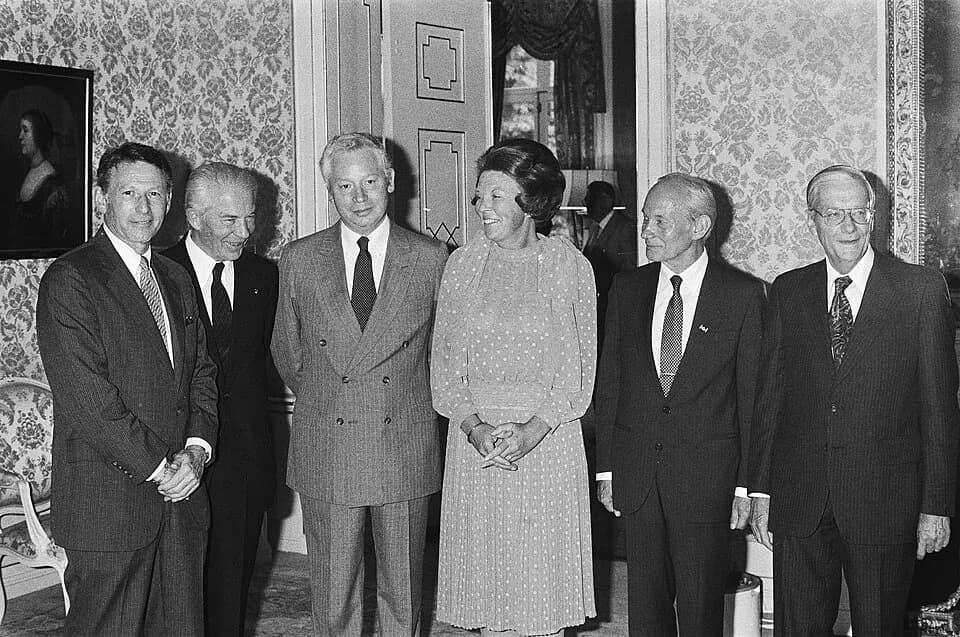
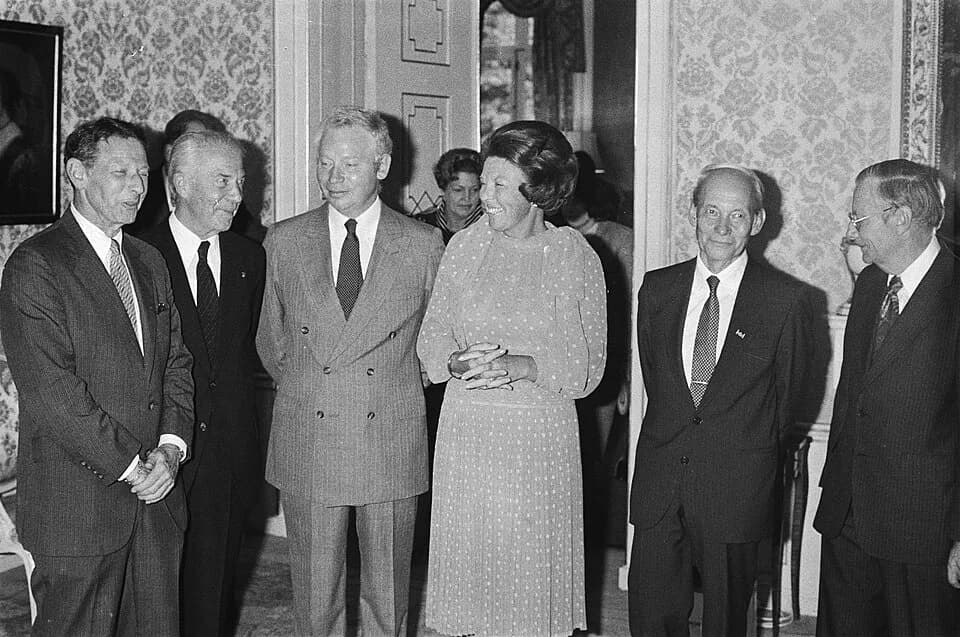
FAQ
Często zadawane pytania
Kiedy zmarł(a) Manfred Eigen?
Manfred Eigen zmarł(a) 6 lutego 2019 w Göttingen, Germany w wieku 91 lat.
Gdzie urodził(a) się Manfred Eigen?
Manfred Eigen urodził(a) się w Bochum, Germany 9 maja 1927.
Z czego najbardziej znany(a) jest Manfred Eigen?
Manfred Eigen jest najbardziej znany(a) z German biophysical chemist.
Ile lat miał(a) Manfred Eigen w chwili śmierci?
Manfred Eigen miał(a) 91 lat w chwili śmierci.
Jakiej narodowości był(a) Manfred Eigen?
Manfred Eigen pochodził(a) z Germany.
Oś czasu
Życie w skrócie
Galeria zdjęć
Życie w obrazach
Kliknij dowolny polaroid, by go powiększyć · 49 zdjęć
Kod QR
Udostępnij tę biografię
Drukuj i udostępnij
Zeskanuj, aby odwiedzić tę stronę biografii. Wydrukuj na wydarzenia, wystawy lub materiały edukacyjne.