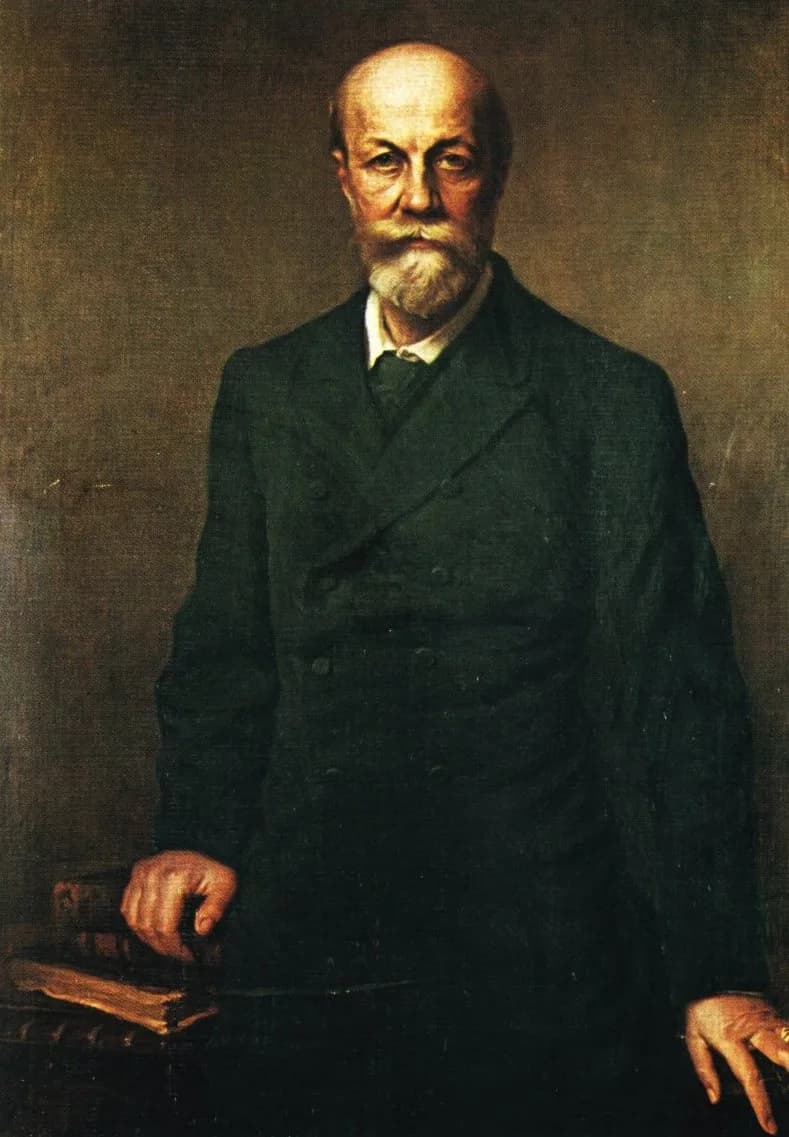
Ur.
February 18, 1825
Komárno, Slovakia
Zm.
May 5, 1904
Budapest, Hungary
Znany/a z
Hungarian writer
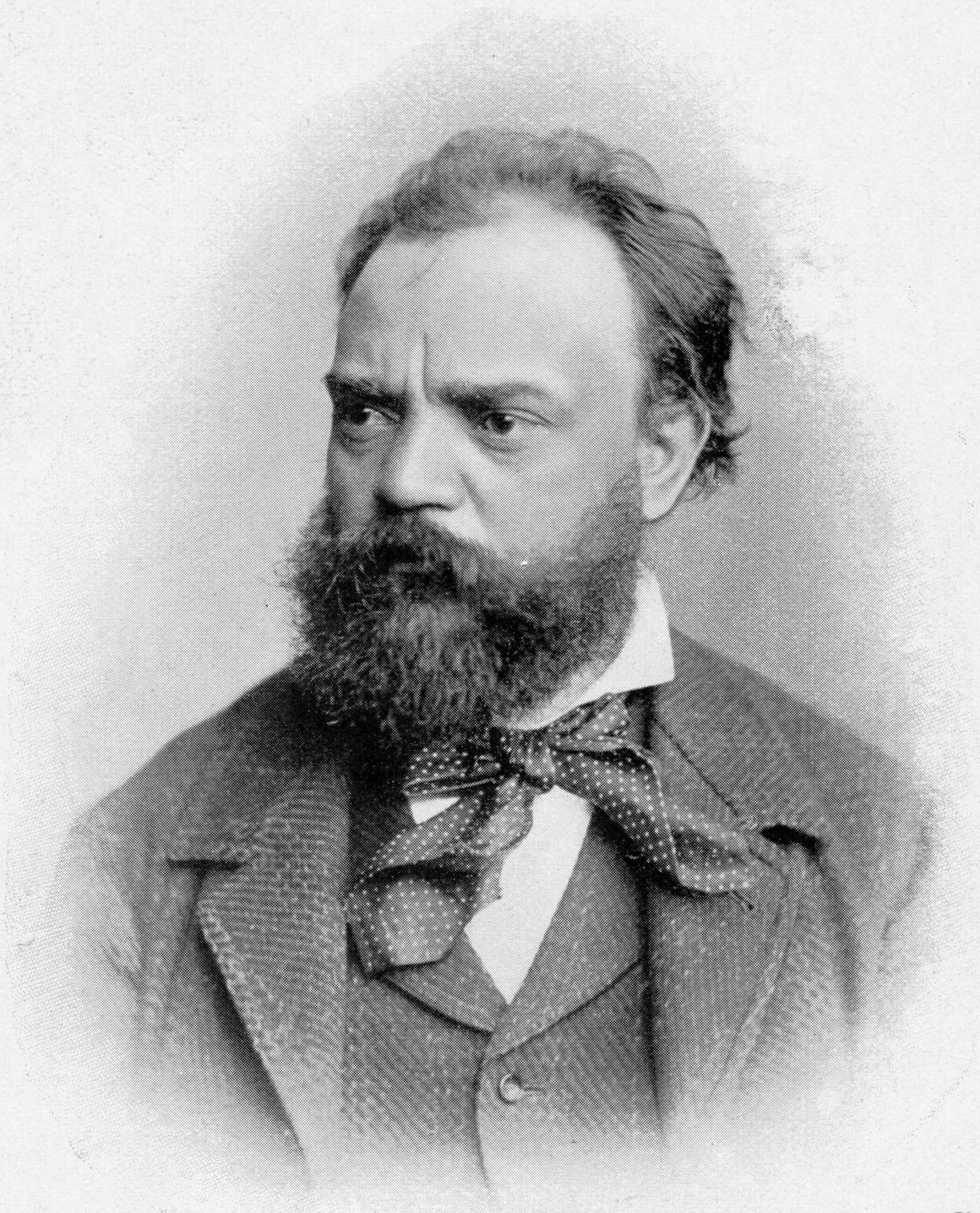
Mór Jókai (1825–1904) was Slovakia best known for Hungarian writer.
Mór Jókai (February 18, 1825 – May 5, 1904) was a Hungarian writer, novelist, dramatist, and politician. He was a leader in the 1848 Hungarian Revolution and became widely known for his romantic novels, admired even by Queen Victoria. His literary work significantly shaped Hungarian culture.
Życie w chwilach
Chwile, które ukształtowały życie
Rozdział
Rozdziały życia
Rozdział 1 · 1825· Rozdział 1 z 6
An Enduring Hungarian Voice
Mór Jókai (February 18, 1825 – May 5, 1904) was a prolific Hungarian writer, celebrated as a novelist, dramatist, politician, and journalist. His vast body of work and his active participation in the Hungarian Revolution of 1848 secured his place as a foundational figure in Hungarian culture and literature. He is remembered for bringing rich narratives and passionate characters to life, captivating readers both at home and abroad.
Rozdział 2 · 1825· Rozdział 2 z 6
Early Life and Political Awakening
Born as Móricz Jókay of Ásva on February 18, 1825, in Komárno, Slovakia, Jókai’s early years laid the foundation for his future literary and political pursuits. He emerged into a world on the cusp of significant political change. His experiences and observations from this period deeply influenced his nationalistic fervor and later revolutionary spirit.
Jókai quickly became a prominent voice in Hungarian public life, driven by a deep commitment to his homeland. His early engagement positioned him to play a crucial role in the momentous events that would soon unfold. This blend of literary talent and political conviction defined much of his remarkable career.
Rozdział 3 · 1848· Rozdział 3 z 6
Literary Career and Ascendancy
Mór Jókai's career truly ignited with the outbreak of the Hungarian Revolution of 1848, where he served as a leader in Pest. His journalistic and political writings during this turbulent time established him as a significant figure. Following the revolution, he channeled his energy into his literary work, becoming an exceptionally productive writer.
His romantic novels, filled with adventure, passion, and vivid historical detail, soon gained immense popularity. These compelling narratives resonated with a wide audience, establishing him as one of Hungary's most beloved authors. Jókai’s distinctive storytelling style quickly became recognizable and widely admired.
Rozdział 4· Rozdział 4 z 6
International Recognition and Influence
Beyond Hungary’s borders, Mór Jókai achieved considerable fame, particularly among the elite of Victorian England. His novels were translated and widely read, earning him enthusiastic praise from critics and readers alike. The English press frequently drew comparisons between Jókai and the renowned English novelist Charles Dickens, highlighting his storytelling prowess and ability to capture the human condition.
Among his most distinguished admirers was Queen Victoria herself, a testament to the universal appeal and quality of his work. This international acclaim solidified Jókai's reputation as a literary giant, transcending national boundaries. His narratives offered a window into Hungarian culture and history for a global readership.
Rozdział 5· Rozdział 5 z 6
A Wealth of Works
Mór Jókai's bibliography is extensive and diverse, showcasing his command over various genres and themes. His notable works include the captivating novel “Schwarze diamanten” (Black Diamonds), and the historical narrative “A véres kenyér” (The Bloody Bread). He also penned “Szabadság a hó alatt” (Freedom Under the Snow), exploring themes of struggle and resilience.
Other significant contributions include “Zoltán Karpáthi, der Sohn des Nabob” (Zoltán Kárpáthy, The Nabob's Son) and “Szegény gazdagok” (The Poor Rich), which delve into social dynamics and personal fortunes. His dramatic and journalistic talents are evident in works like “Cikkek ës beszëdek. Összeällïtotta ës sajtö alä rendezte” (Articles and Speeches. Compiled and Edited). Further acclaimed titles include “The day of wrath”, “Egy magyar költő életéből” (From the Life of a Hungarian Poet), “Petőfi Koltón”, “Páter Peter”, and “Hugo von Habenichts”.
Rozdział 6 · 1904· Rozdział 6 z 6
Later Life and Enduring Legacy
Mór Jókai continued his literary and political endeavors throughout his later years. He passed away on May 5, 1904, in Budapest, Hungary, leaving behind an unparalleled literary heritage. His life’s work provided a vivid chronicle of Hungarian society and history, cementing his status as a national treasure.
His enduring legacy is evident in the continued readership and study of his novels, which remain central to Hungarian literature. Jókai's contributions as a writer, politician, and revolutionary continue to inspire and inform new generations. He forever enriched the literary landscape and cultural identity of Hungary, a storyteller whose voice still resonates powerfully today.
FAQ
Często zadawane pytania
Kiedy zmarł(a) Mór Jókai?
Mór Jókai zmarł(a) 5 maja 1904 w Budapest, Hungary w wieku 79 lat.
Gdzie urodził(a) się Mór Jókai?
Mór Jókai urodził(a) się w Komárno, Slovakia 18 lutego 1825.
Z czego najbardziej znany(a) jest Mór Jókai?
Mór Jókai jest najbardziej znany(a) z Hungarian writer.
Ile lat miał(a) Mór Jókai w chwili śmierci?
Mór Jókai miał(a) 79 lat w chwili śmierci.
Jakiej narodowości był(a) Mór Jókai?
Mór Jókai pochodził(a) z Slovakia.
Oś czasu
Życie w skrócie
Galeria zdjęć
Życie w obrazach
Kliknij dowolny polaroid, by go powiększyć · 23 zdjęć
Kod QR
Udostępnij tę biografię
Drukuj i udostępnij
Zeskanuj, aby odwiedzić tę stronę biografii. Wydrukuj na wydarzenia, wystawy lub materiały edukacyjne.