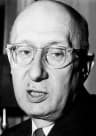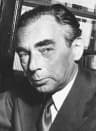
Ur.
September 20, 1899
Kirchhain, Germany
Zm.
October 18, 1973
Annapolis, United States
Znany/a z
History of Political Philosophy scholar
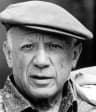
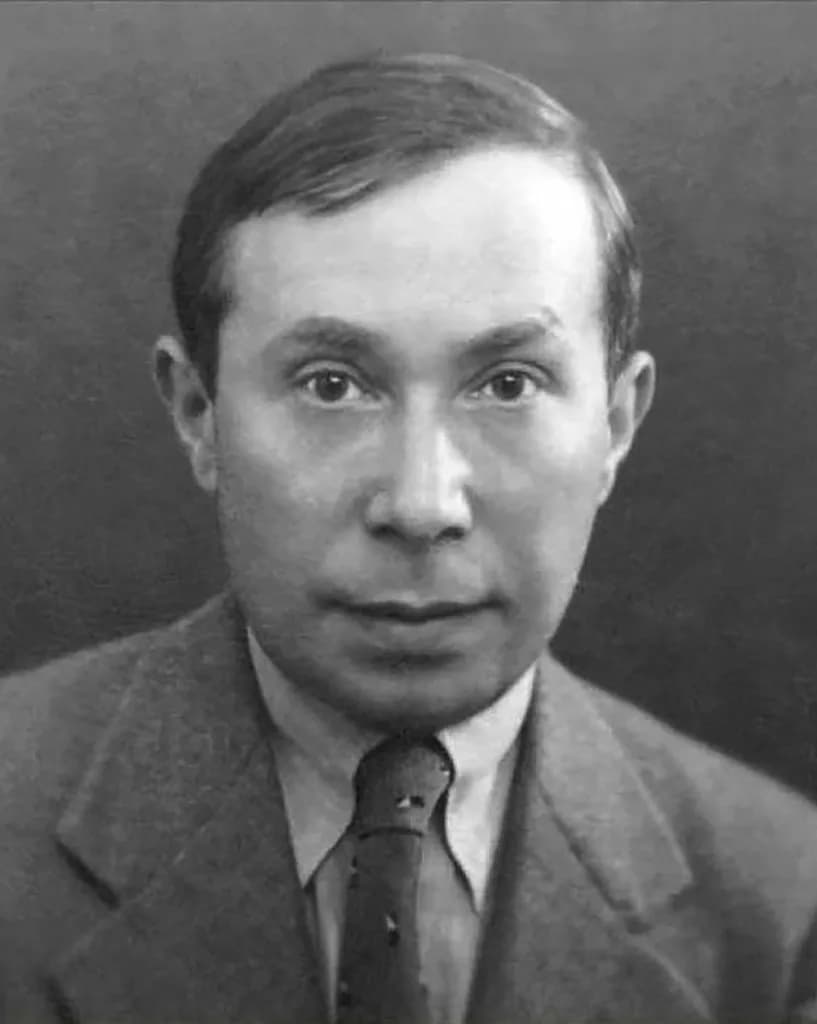
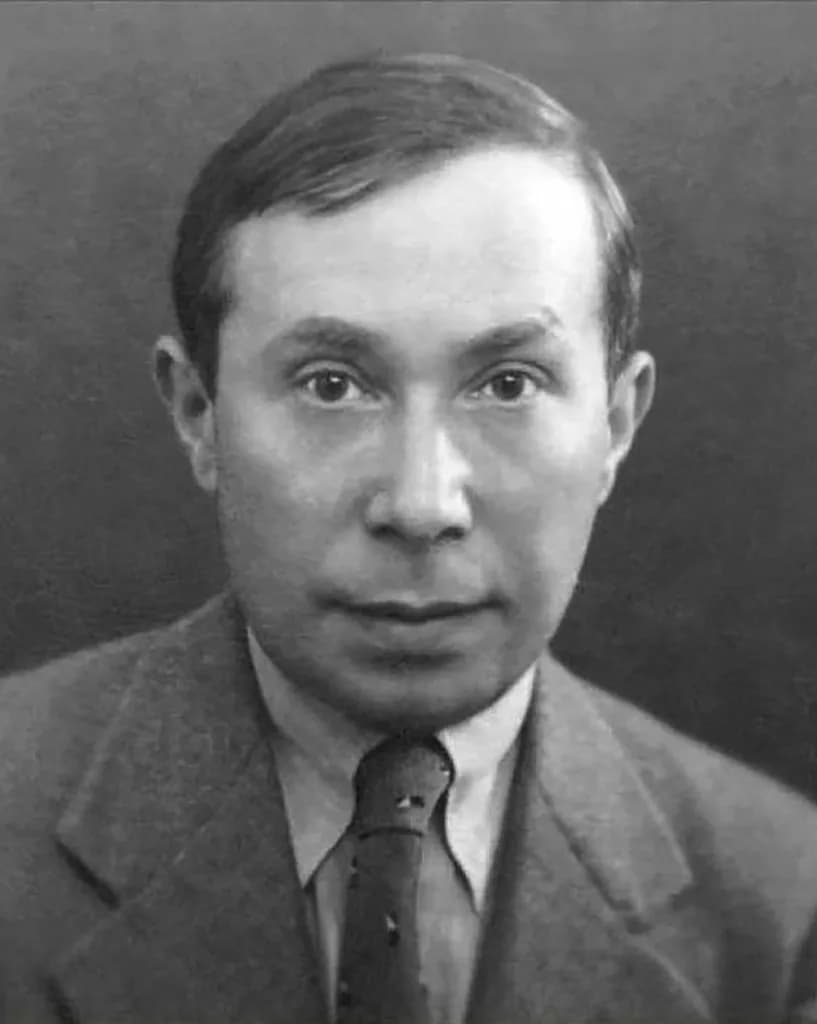
Leo Strauss (1899–1973) was Germany best known for History of Political Philosophy scholar.
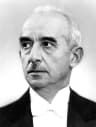
Leo Strauss (September 20, 1899 – October 18, 1973) was a German-American political philosopher. He greatly influenced twentieth-century political theory through his interpretations of classical thought and natural right. Strauss advocated for recovering ancient political philosophy as a corrective to modern relativism.
Rozdział
Rozdziały życia
Rozdział 1 · 1899· Rozdział 1 z 7
Early Life and Origins
Born on September 20, 1899, in Kirchhain, Germany, Leo Strauss spent his early years in a culturally rich environment. His background in Germany during a period of significant intellectual ferment likely shaped his profound engagement with fundamental philosophical and political questions. This foundational experience would later inform his unique scholarly perspective and approach.
Rozdział 2· Rozdział 2 z 7
Career Beginnings
Strauss began his distinguished career as a university teacher, political scientist, and philosopher. He rapidly established himself as a scholar deeply immersed in the history of political philosophy. His early work laid the groundwork for his groundbreaking interpretations of ancient and medieval thought, setting the stage for his lasting influence.
Rozdział 3· Rozdział 3 z 7
Major Achievements and Career Highlights
Leo Strauss's career was marked by significant achievements, greatly impacting twentieth-century political theory in the United States. He gained recognition for his distinctive interpretations of ancient and medieval philosophy, particularly his account of classical natural right. These contributions solidified his reputation as a leading figure in his field.
A notable aspect of his scholarship was his assertion that philosophers often employed esoteric writing. He proposed that thinkers presented different teachings to general readers versus specialist audiences, fundamentally altering how historical texts could be approached. This method became central to his academic legacy and intellectual project.
Rozdział 4· Rozdział 4 z 7
Personal Life
The biographical information provided focuses primarily on Leo Strauss's extensive professional and academic contributions. Specific details concerning his personal life, including family, relationships, or individual hobbies outside of his scholarly pursuits, are not available in the given data.
Rozdział 5· Rozdział 5 z 7
Notable Works or Contributions
Among his most significant contributions, Strauss meticulously developed interpretations of ancient and medieval philosophy. His scholarship breathed new life into the questions and methods inherent in classical political thought. He carefully examined the philosophical trajectory from figures like Niccolò Machiavelli, arguing for a decisive break from the classical understanding of politics.
Strauss maintained that the modern turn in philosophy, initiating with Machiavelli and culminating in historicism and relativism, represented a crisis. His life's work aimed to recover the core questions and methods of ancient political philosophy. This recovery was intended as a corrective to what he perceived as the perceived shortcomings of modern thought and its understanding of the good life.
Rozdział 6 · 1973· Rozdział 6 z 7
Later Years
Leo Strauss continued his influential academic work into his final years, upholding his rigorous commitment to the study of classical inquiry. He passed away on October 18, 1973, in Annapolis, United States. His death marked the conclusion of a prolific life dedicated to the profound exploration of political philosophy and its historical development.
Rozdział 7· Rozdział 7 z 7
Legacy and Impact
The legacy of Leo Strauss is characterized by his enduring and profound influence on political theory and the scholarly study of classical political thought. His ideas sparked extensive academic discussion and shaped generations of scholars. He effectively urged a serious re-engagement with foundational philosophical texts and their timeless questions.
His emphasis on the esoteric dimensions of philosophical writing and his critique of modern relativism significantly reshaped academic methodologies. Strauss’s comprehensive work continues to inspire critical thought and debate in various academic disciplines. His teachings remain a vital resource for understanding the complexities of political philosophy and its history.
Życie w chwilach
Chwile, które ukształtowały życie

FAQ
Często zadawane pytania
Kiedy zmarł(a) Leo Strauss?
Leo Strauss zmarł(a) 18 października 1973 w Annapolis, United States w wieku 74 lat.
Gdzie urodził(a) się Leo Strauss?
Leo Strauss urodził(a) się w Kirchhain, Germany 20 września 1899.
Z czego najbardziej znany(a) jest Leo Strauss?
Leo Strauss jest najbardziej znany(a) z History of Political Philosophy scholar.
Ile lat miał(a) Leo Strauss w chwili śmierci?
Leo Strauss miał(a) 74 lat w chwili śmierci.
Jakiej narodowości był(a) Leo Strauss?
Leo Strauss pochodził(a) z Germany.
Oś czasu
Życie w skrócie
Galeria zdjęć
Życie w obrazach
Kliknij dowolny polaroid, by go powiększyć · 19 zdjęć
Kod QR
Udostępnij tę biografię
Drukuj i udostępnij
Zeskanuj, aby odwiedzić tę stronę biografii. Wydrukuj na wydarzenia, wystawy lub materiały edukacyjne.