Ur.
April 5, 1732
Grasse, France
Zm.
August 22, 1806
Paris, France
Znany/a z
French painter
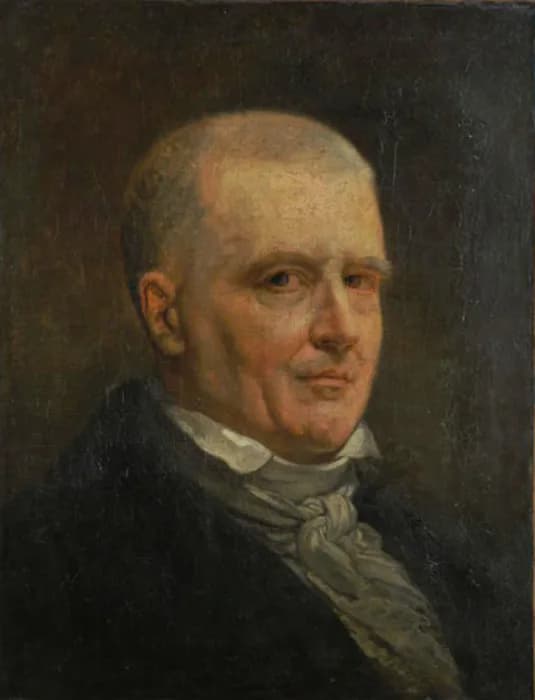
Jean-Honoré Fragonard (1732–1806) was France best known for French painter.
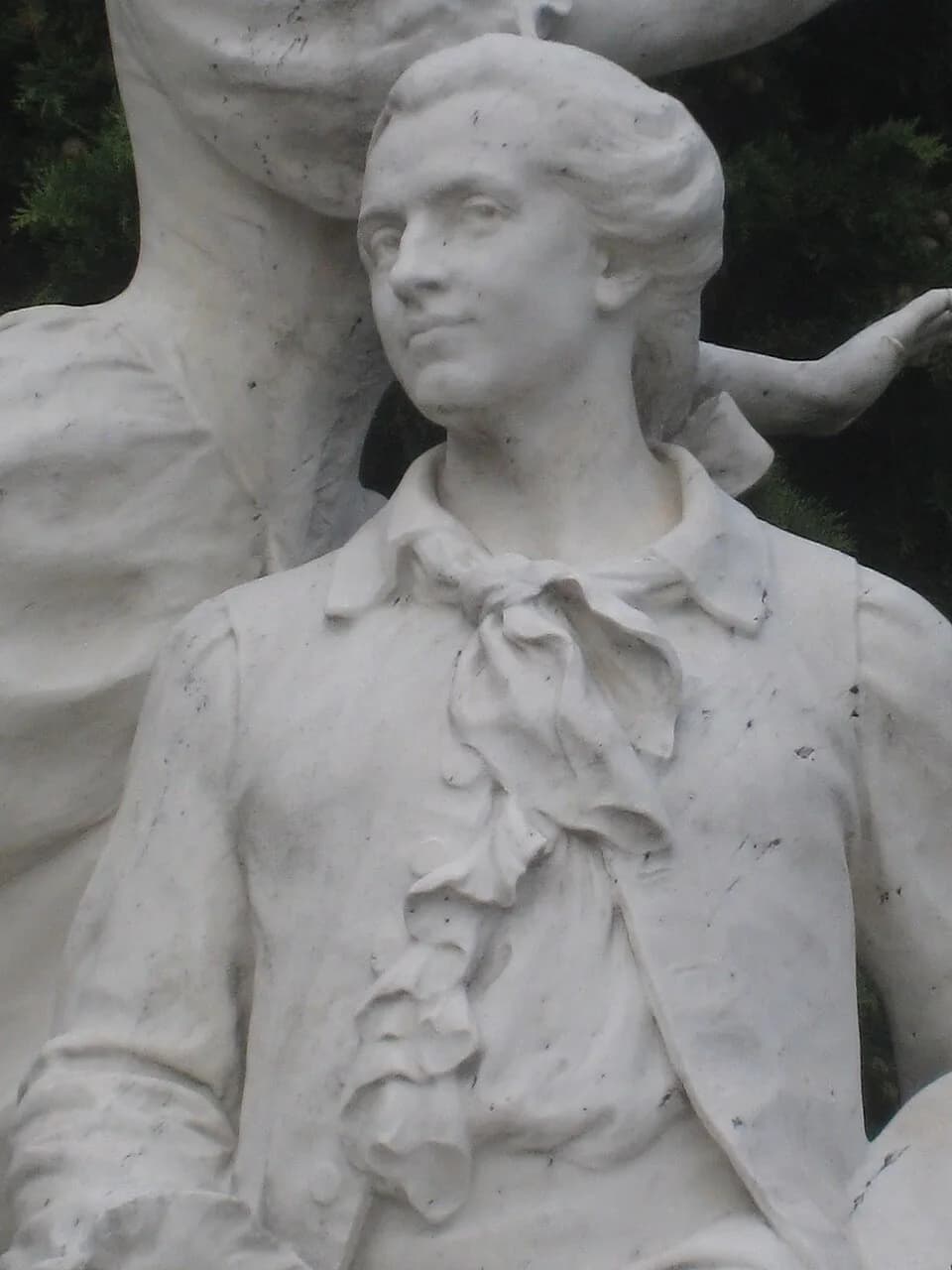
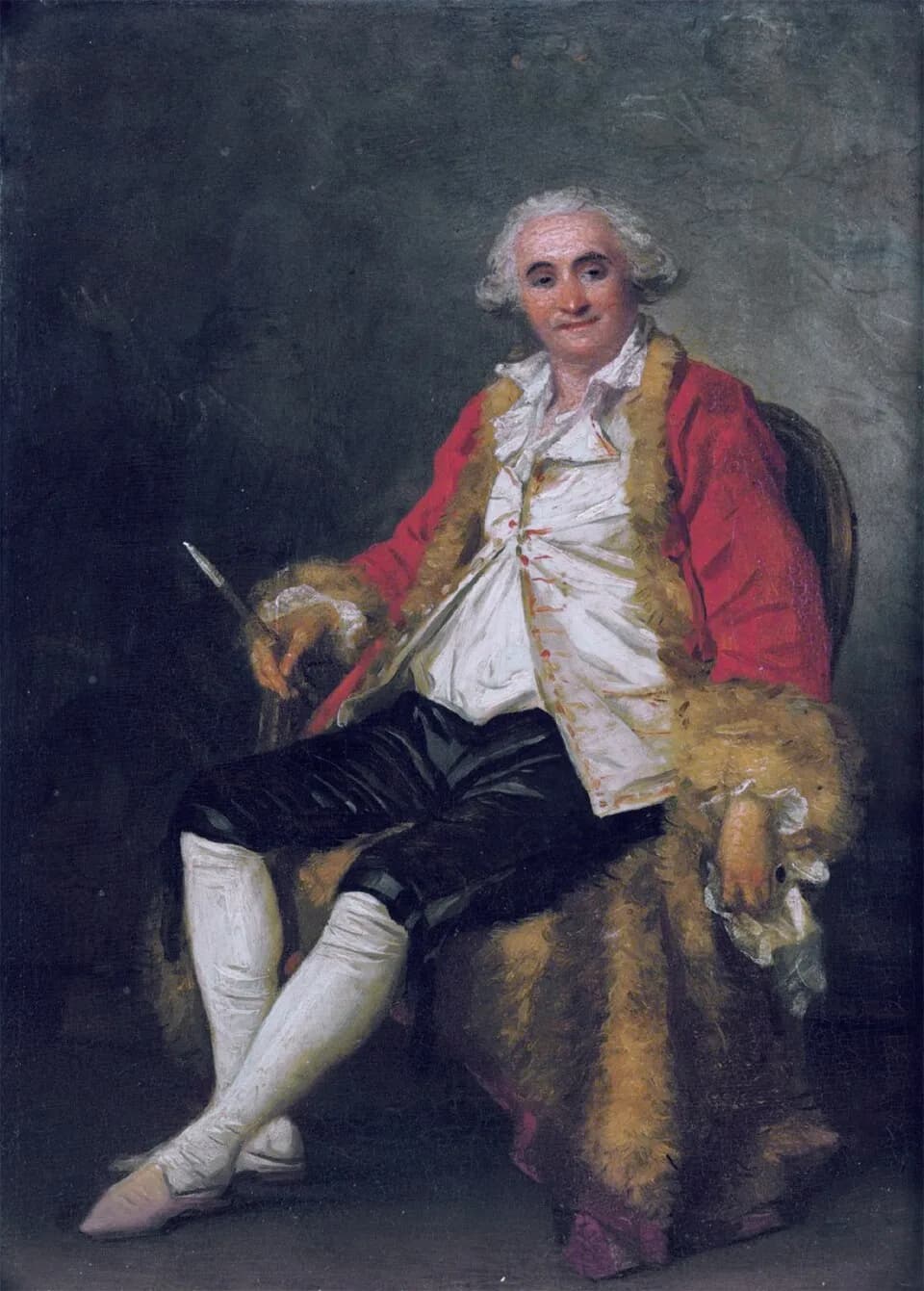
Jean-Honoré Fragonard (April 5, 1732 – August 22, 1806) was a French painter, printmaker, illustrator, and draftsperson from Grasse, France. He was known for his late Rococo style, distinguished by exuberance and hedonism, producing over 550 paintings. His legacy includes genre paintings conveying intimacy and veiled eroticism.
Życie w chwilach
Chwile, które ukształtowały życie
Rozdział
Rozdziały życia
Rozdział 1 · 1732· Rozdział 1 z 6
Early Life and Origins
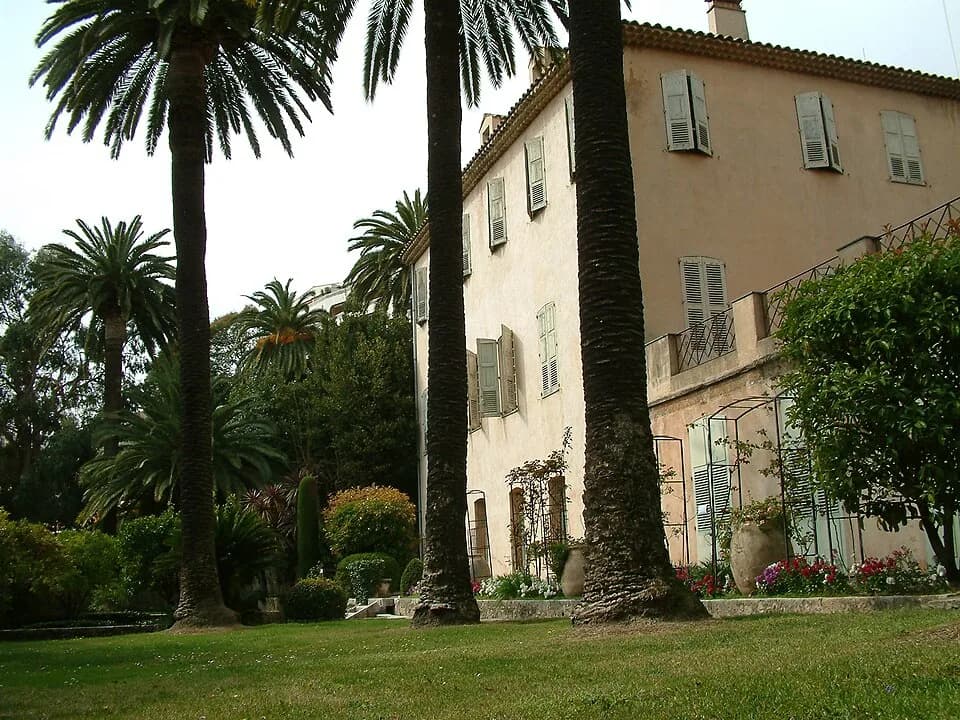
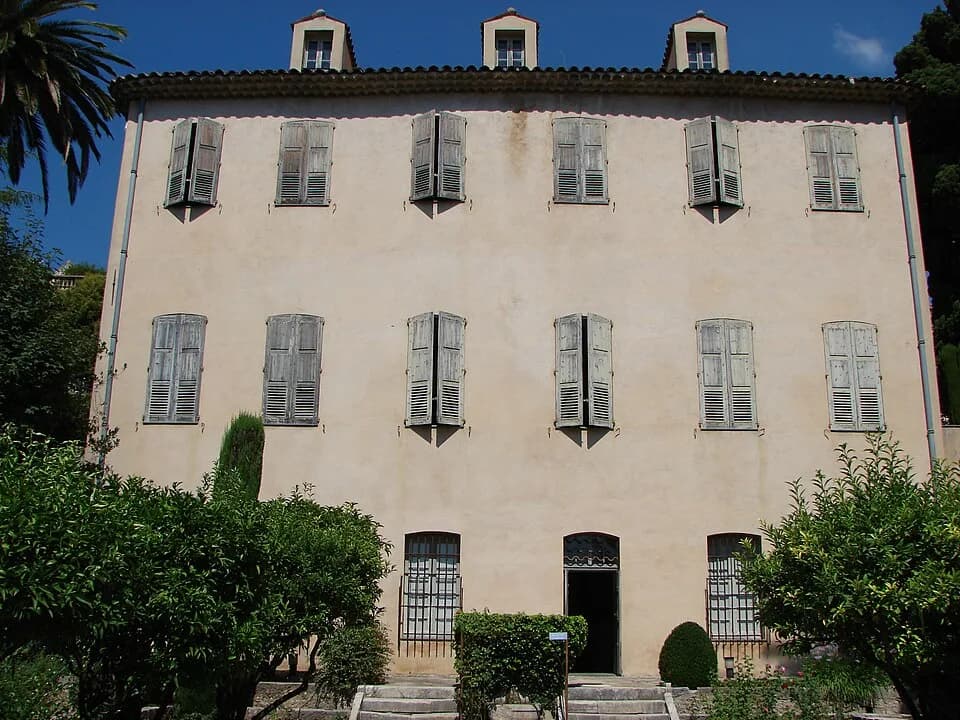
Born on April 5, 1732, in Grasse, France, Jean-Honoré Fragonard’s early life unfolded in a region known for its beauty and vibrant culture. This picturesque setting in the French Riviera likely contributed to his later artistic leanings toward light, nature, and lively scenes. His formative years in Grasse provided the initial backdrop for what would become an illustrious career in the arts.
Rozdział 2· Rozdział 2 z 6
Career Beginnings
Fragonard embarked on his professional journey as a versatile artist, excelling as an illustrator, painter, printmaker, and draftsperson. His early dedication to these diverse disciplines sharpened his skills and refined his distinctive technique. These initial forays into the art world quickly set him apart, laying the groundwork for his future recognition as a leading figure in French painting.
Rozdział 3· Rozdział 3 z 6
Major Achievements and Career Highlights
Fragonard's art was characterized by its unique late Rococo manner, distinguished by its vibrant energy, luxurious feel, and often playful themes. He was an exceptionally prolific artist active in the final decades of the Ancien Régime, leaving behind an astonishing output of more than 550 paintings. A testament to his spontaneous approach, only five of these numerous works are actually dated, highlighting his fluid and expressive artistic process.
His mastery lay in capturing lighthearted intimacy and opulent scenes with an effortless grace. Fragonard's remarkable facility allowed him to create works filled with exuberance and a sense of hedonism that perfectly embodied the spirit of his time. His ability to evoke such vivid emotions and atmospheres cemented his reputation as a master painter.
Rozdział 4· Rozdział 4 z 6
Notable Works or Contributions
Jean-Honoré Fragonard's most popular works frequently included genre paintings, which skillfully conveyed an atmosphere of intimacy and veiled eroticism. These pieces often depicted scenes from everyday life or romantic encounters, imbued with a distinctive charm and vibrant palette. His keen eye for human interaction and emotional nuance made these works highly sought after.
Among his most celebrated creations housed at The Metropolitan Museum of Art are "Marie Emilie Coignet de Courson (1716–1806) with a Dog" (ca. 1769), a tender portrait, and "The Stolen Kiss" (ca. 1760), a quintessential example of his romantic themes. The museum also holds "The Two Sisters" (ca. 1769–70), "Roman Interior" (ca. 1760), and "The Love Letter" (early 1770s), showcasing his diverse range.
The Art Institute of Chicago proudly displays several of Fragonard's significant works, including "Portrait of a Man in Costume" (c. 1767–68) and "Arbor with Two Children (Le Nid d'Armour)" (1760). Other notable pieces in their collection are "The Letter, or The Spanish Conversation" (c. 1778), "The Stalled Cart" (1759), and a captivating portrait of "Benjamin Franklin" (c. 1778).
Further demonstrating his breadth of talent, the AIC also features "The Armoire" (1778), "Margaruerite Gerard Reading to Her Mother and Rosalie Fragonard" (c. 1785), and the imaginative "Satyr Pressing Grapes Beside a Tiger" (1774). His later works like "The Departure by Coach" (c. 1780–89) and "Bull of the Roman Campagna" (1773/74) further highlight his sustained creativity and varied subject matter throughout his extensive career.
Rozdział 5 · 1806· Rozdział 5 z 6
Later Years
Jean-Honoré Fragonard continued to work and reside in France through significant political and social upheaval. He passed away on August 22, 1806, in Paris, France, the city that served as the center of his artistic world for many years. His death marked the end of a prolific career that left an enduring mark on the landscape of French art.
Rozdział 6· Rozdział 6 z 6
Legacy and Impact
Fragonard's artistic legacy is firmly rooted in his distinctive late Rococo style, celebrated for its remarkable facility, exuberance, and often hedonistic undertones. He played a crucial role among artists active during the last decades of the Ancien Régime, helping to define the aesthetic of an era. His genre paintings, known for their intimacy and veiled eroticism, continue to resonate with audiences today.
He is remembered as a master colorist and a brilliant technician whose works continue to charm and delight viewers with their lightness and sensual appeal. Fragonard's unique vision and prolific output ensured his place as a cherished figure in art history. His influence is still visible in the enduring appreciation for Rococo aesthetics and the art of capturing ephemeral beauty.
FAQ
Często zadawane pytania
Kiedy zmarł(a) Jean-Honoré Fragonard?
Jean-Honoré Fragonard zmarł(a) 22 sierpnia 1806 w Paris, France w wieku 74 lat.
Gdzie urodził(a) się Jean-Honoré Fragonard?
Jean-Honoré Fragonard urodził(a) się w Grasse, France 5 kwietnia 1732.
Z czego najbardziej znany(a) jest Jean-Honoré Fragonard?
Jean-Honoré Fragonard jest najbardziej znany(a) z French painter.
Ile lat miał(a) Jean-Honoré Fragonard w chwili śmierci?
Jean-Honoré Fragonard miał(a) 74 lat w chwili śmierci.
Jakiej narodowości był(a) Jean-Honoré Fragonard?
Jean-Honoré Fragonard pochodził(a) z France.
Oś czasu
Życie w skrócie
Galeria zdjęć
Życie w obrazach
Kliknij dowolny polaroid, by go powiększyć · 24 zdjęć
Kod QR
Udostępnij tę biografię
Drukuj i udostępnij
Zeskanuj, aby odwiedzić tę stronę biografii. Wydrukuj na wydarzenia, wystawy lub materiały edukacyjne.