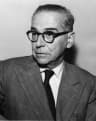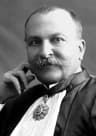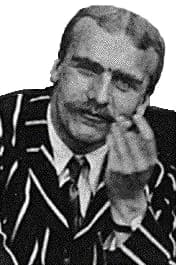
Ur.
November 5, 1892
Oxford, United Kingdom
Zm.
December 1, 1964
Bhubaneswar, India
Znany/a z
Geneticist and evolutionary biologist
J.B.S. Haldane (1892–1964) was United Kingdom best known for Geneticist and evolutionary biologist.
J.B.S. Haldane (November 5, 1892 – December 1, 1964) was a geneticist and evolutionary biologist from Oxford, United Kingdom. He was a founder of neo-Darwinism, known for his innovative use of statistics in biology. His work significantly influenced the fields of genetics and evolution.
Rozdział
Rozdziały życia
Rozdział 1 · 1892· Rozdział 1 z 7
Remembering J.B.S. Haldane
J.B.S. Haldane (November 5, 1892 – December 1, 1964) stands as a prominent geneticist and evolutionary biologist, whose work spanned physiology, genetics, and mathematics. Born in Oxford, United Kingdom, Haldane's innovative application of statistics within biology was foundational to the development of neo-Darwinism. His illustrious career saw him contribute significantly to scientific understanding across multiple disciplines, ultimately culminating in his move to India and acquisition of Indian citizenship.
Rozdział 2 · 1892· Rozdział 2 z 7
Early Life and Origins
John Burdon Sanderson Haldane, often known as "Jack" or "JBS," was born on November 5, 1892, in Oxford, United Kingdom. While the details of his early family life are not extensively documented in the provided information, his birthplace set the stage for a life dedicated to scientific inquiry. Haldane's intellectual curiosity led him into various scientific fields from a young age, laying the groundwork for his future contributions.
Rozdział 3· Rozdział 3 z 7
Career Beginnings
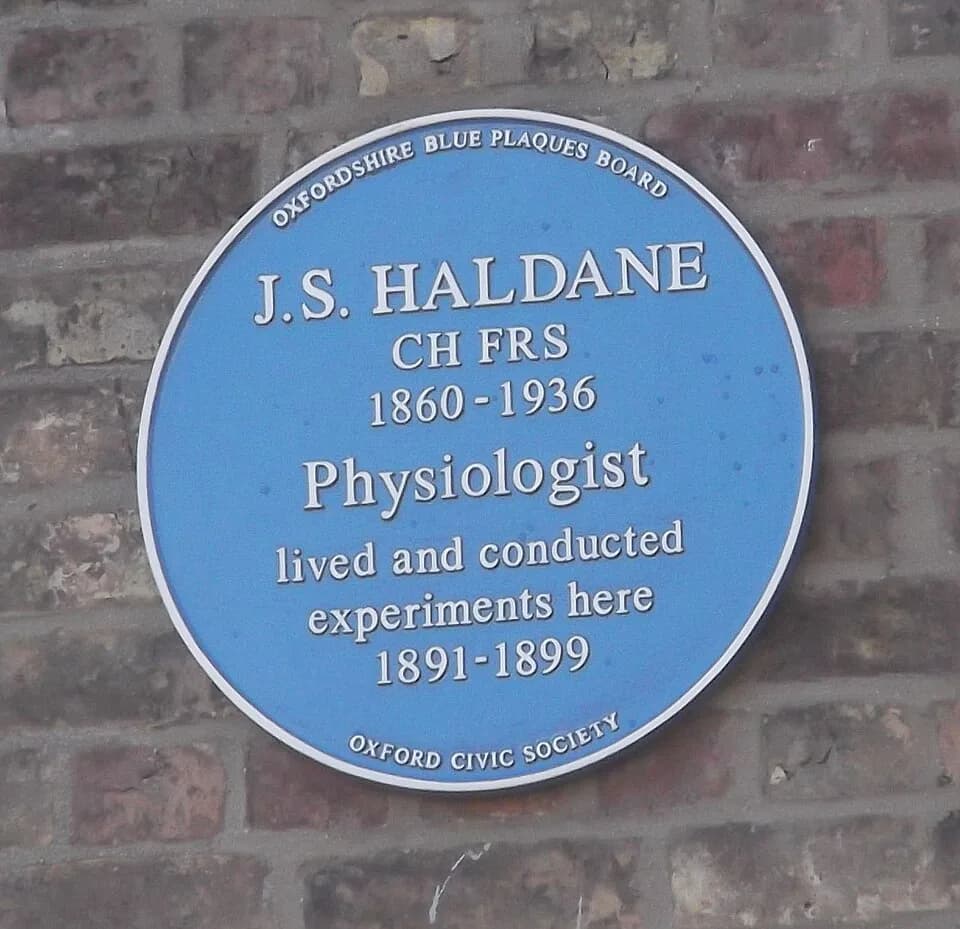
Despite not holding an academic degree specifically in biology, J.B.S. Haldane demonstrated an exceptional aptitude for the subject, leading him to teach at several esteemed institutions. He shared his knowledge and insights in biology at the University of Cambridge, the Royal Institution, and University College London. His early work encompassed a broad range of scientific areas, including physiology, genetics, evolutionary biology, and mathematics, showcasing his broad intellectual capacity.
Rozdział 4· Rozdział 4 z 7
Major Achievements and Career Highlights
J.B.S. Haldane is primarily recognized as one of the founders of neo-Darwinism, a synthesis of Darwinian evolution with Mendelian genetics. His methodological approach was particularly innovative, pioneering the use of statistics within the field of biology to analyze complex biological phenomena. This statistical rigor brought a new level of precision and predictive power to evolutionary studies.
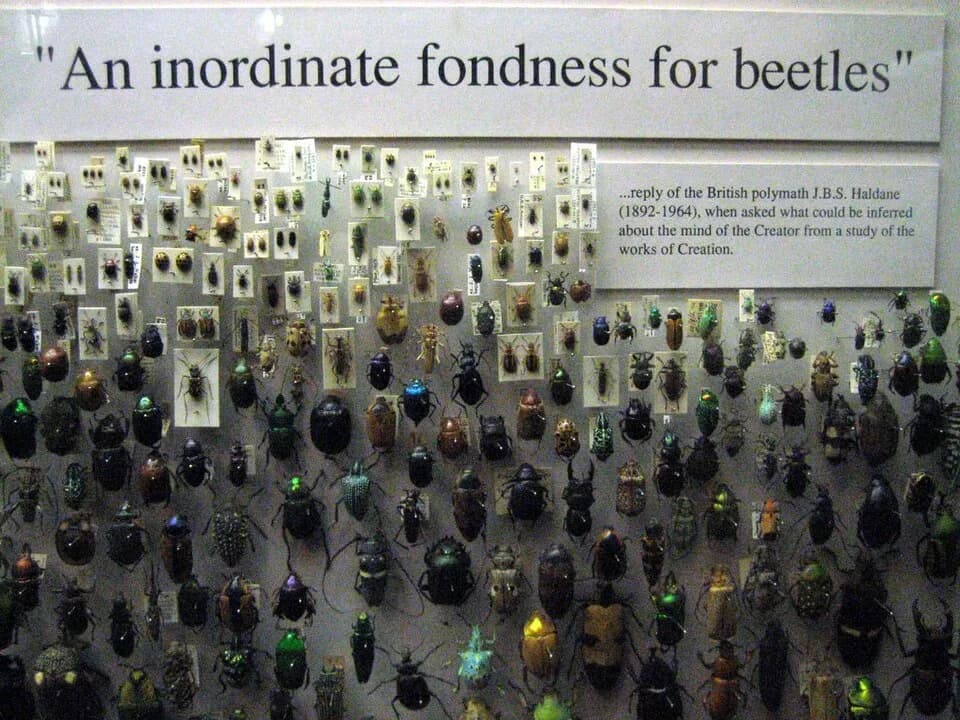
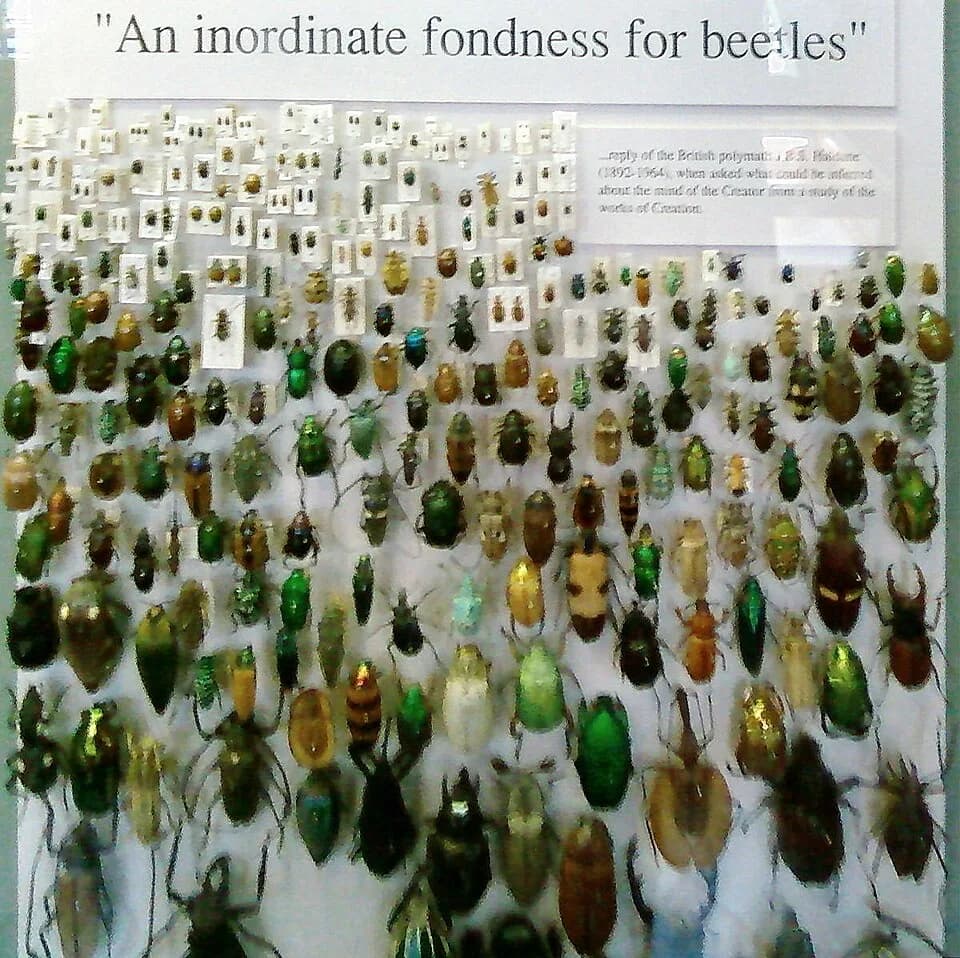
Throughout his career, Haldane made significant contributions as a biologist, university teacher, physiologist, biochemist, philosopher, geneticist, and scientific collector. His diverse professional background reflects a scientist unafraid to explore the boundaries of knowledge. His impact on how biological questions were approached, particularly through quantitative methods, remains a cornerstone of modern biology.
Rozdział 5 · 1923· Rozdział 5 z 7
Notable Works or Contributions
Haldane's academic output, though modest in number according to his h-index of 3 across 7 papers, contained highly cited and influential works. His paper, "Calcium chloride acidosis," published in 1923, garnered 54 citations, indicating its significance in the scientific community. This work showcased his physiological research and its immediate relevance.
Further contributions to genetics include "Sex-linkage in Culex molestus" from 1946 and "Linkage in Primula sinensis" from 1936, each with 3 citations. These papers demonstrated his specific investigations into genetic inheritance patterns in different organisms. While other listed works like "Sobre el tamaño correcto" (2002) and "MANUEL MADRAZO GARAMENDI, LA FACULTAD DE QUIMICA Y SU REFORMA" (1968) appear posthumously or outside his direct authorship, they point to the broader influence or context of his scientific thought.
Rozdział 6 · 1961· Rozdział 6 z 7
Later Years
J.B.S. Haldane's later life saw a significant personal and professional transition. In 1961, he renounced his British citizenship and acquired Indian citizenship, marking a new chapter in his scientific journey. He moved to India, where he continued his dedicated work at the Indian Statistical Institute.
He remained active in his scientific pursuits in Bhubaneswar, India, contributing to the intellectual environment of his adopted country. J.B.S. Haldane passed away on December 1, 1964, in Bhubaneswar, India, concluding a life rich with scientific discovery and cross-cultural engagement.
Rozdział 7· Rozdział 7 z 7
Legacy and Impact
The legacy of J.B.S. Haldane is deeply felt in the fields of genetics and evolutionary biology. His pioneering application of statistics transformed the study of evolution, establishing a quantitative framework that persists to this day. His role as a founder of neo-Darwinism cemented his place among the most influential scientists of the 20th century.
Haldane's life demonstrates a commitment to science that transcended geographical and disciplinary boundaries, from his birth in Oxford to his final years in Bhubaneswar. His contributions continue to shape our understanding of how life evolves and how genetic traits are inherited, inspiring future generations of biologists and statisticians.
Życie w chwilach
Chwile, które ukształtowały życie

FAQ
Często zadawane pytania
Kiedy zmarł(a) J.B.S. Haldane?
J.B.S. Haldane zmarł(a) 1 grudnia 1964 w Bhubaneswar, India w wieku 72 lat.
Gdzie urodził(a) się J.B.S. Haldane?
J.B.S. Haldane urodził(a) się w Oxford, United Kingdom 5 listopada 1892.
Z czego najbardziej znany(a) jest J.B.S. Haldane?
J.B.S. Haldane jest najbardziej znany(a) z Geneticist and evolutionary biologist.
Ile lat miał(a) J.B.S. Haldane w chwili śmierci?
J.B.S. Haldane miał(a) 72 lat w chwili śmierci.
Jakiej narodowości był(a) J.B.S. Haldane?
J.B.S. Haldane pochodził(a) z United Kingdom.
Oś czasu
Życie w skrócie
Galeria zdjęć
Życie w obrazach
Kliknij dowolny polaroid, by go powiększyć · 22 zdjęć
Kod QR
Udostępnij tę biografię
Drukuj i udostępnij
Zeskanuj, aby odwiedzić tę stronę biografii. Wydrukuj na wydarzenia, wystawy lub materiały edukacyjne.