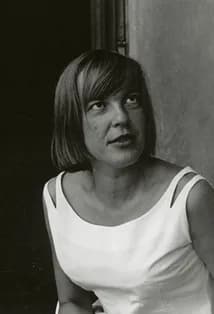
Ur.
June 25, 1926
Klagenfurt am Wörthersee, Austria
Zm.
October 17, 1973
Rome, Italy
Znany/a z
Austrian poet and author
Ingeborg Bachmann (1926–1973) was Austria best known for Austrian poet and author.
Ingeborg Bachmann (June 25, 1926 – October 17, 1973) was an Austrian poet and author. She is regarded as one of the major voices of German-language literature in the 20th century. Her impactful work continues to be celebrated for its depth and originality.
Życie w chwilach
Chwile, które ukształtowały życie
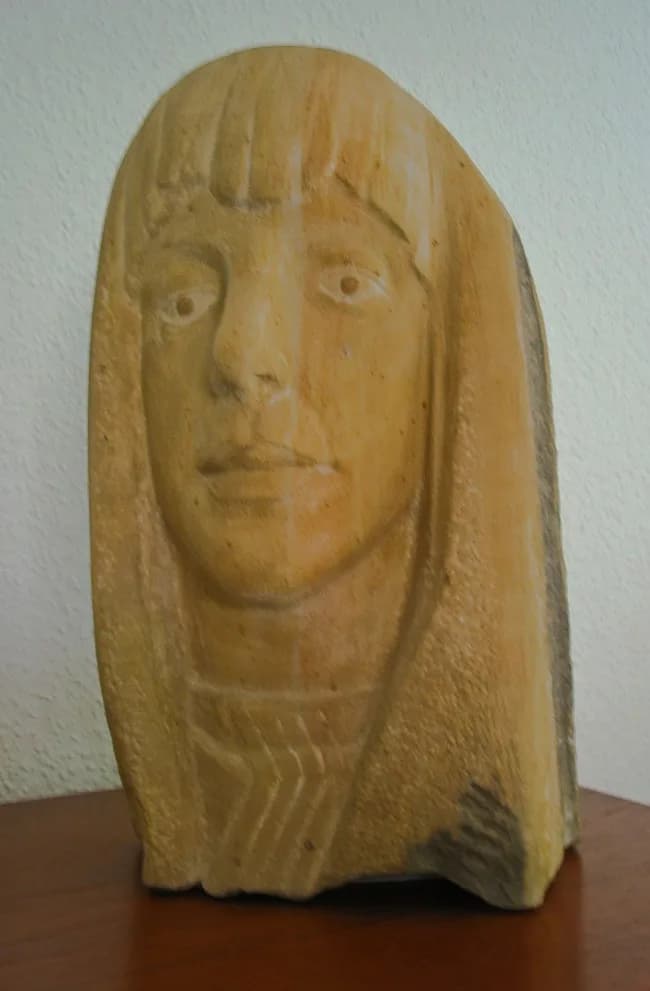
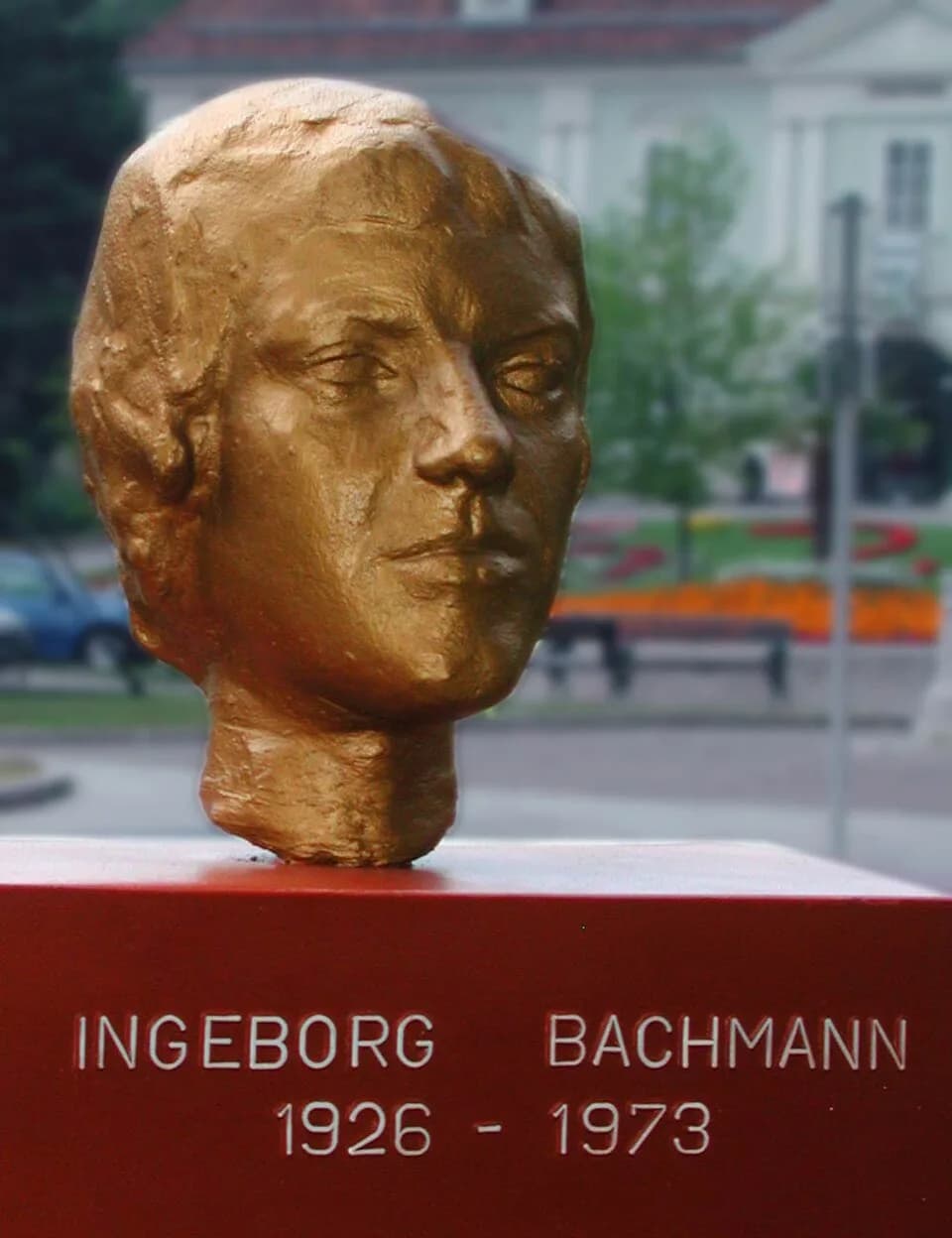
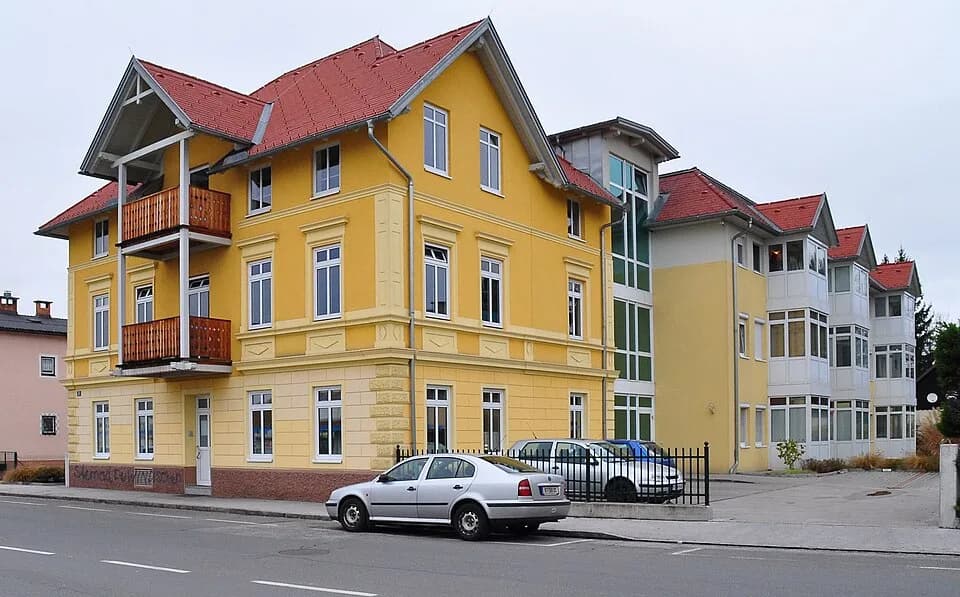
Rozdział
Rozdziały życia
Rozdział 1 · 1926· Rozdział 1 z 8
Opening Tribute
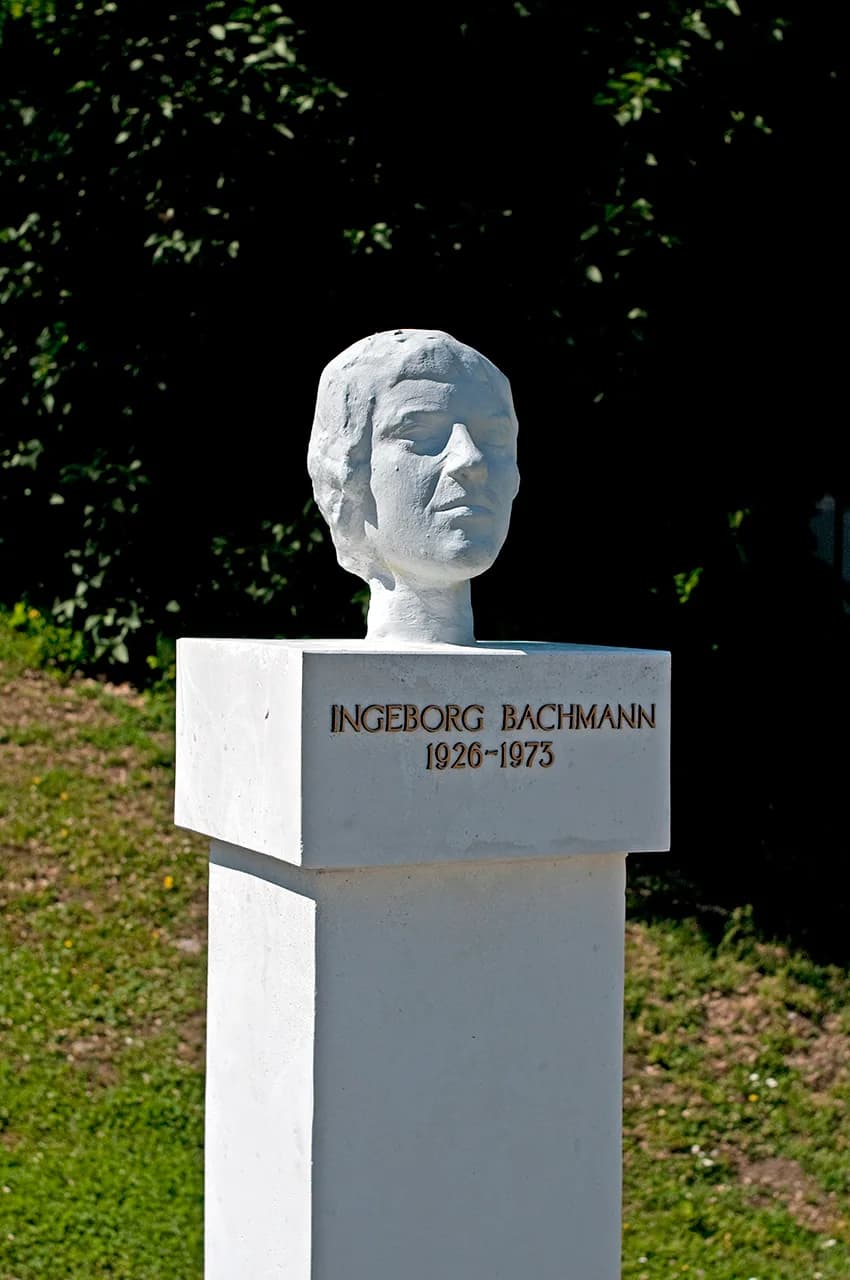
Ingeborg Bachmann (1926–1973) was an Austrian poet and author, celebrated as one of the major voices in 20th-century German-language literature. Her profound contributions as a writer, poet, and philosopher established her as a central figure in European literary circles. This memorial honors her life and the lasting influence of her artistic work on readers and scholars worldwide, reflecting on her enduring legacy.
Rozdział 2 · 1926· Rozdział 2 z 8
Early Life and Origins
Born on June 25, 1926, Ingeborg Bachmann began her life in Klagenfurt am Wörthersee, Austria. This picturesque Carinthian city provided the backdrop for her formative years, deeply influencing her perspective and artistic sensibilities. The cultural and natural environment of her birth country remained a significant, albeit often complex, part of her identity, shaping many of her literary explorations and themes.
Rozdział 3· Rozdział 3 z 8
Career Beginnings
Ingeborg Bachmann pursued a diverse array of professions that showcased her expansive intellect and creative spirit from the outset of her career. She distinguished herself as a talented screenwriter, crafting narratives for various mediums, and as a prolific writer across different forms. Her earliest inclinations towards poetry soon blossomed, establishing her as a poet of significant merit and unique lyrical expression.
Beyond these core roles, Bachmann's talents extended to playwriting, where she explored dramatic structures and character development. She also engaged with the broader world as a translator, notably from English to German, and contributed insightful pieces as a journalist, demonstrating a wide-ranging engagement with language and public discourse. Her intellectual curiosity led her to philosophy, informing her deeper literary themes, and even to librettist work, merging her poetic skill with operatic storytelling, all contributing to her diverse professional life.
Rozdział 4 · 1963· Rozdział 4 z 8
Major Achievements and Career Highlights
Bachmann's literary excellence garnered significant recognition during her lifetime, cementing her status as a literary giant. Her unique voice and innovative approach to German-language literature quickly marked her as an artist of extraordinary importance. This high esteem was formally acknowledged in 1963 when she received a nomination for the Nobel Prize in Literature.
The nomination came from German philologist Harald Patzer, who recognized her as a preeminent figure and a "major voice" within 20th-century German-language literature. This prestigious honor underscored the substantial impact of her work, highlighting her ability to articulate complex human experiences with unparalleled linguistic artistry. Her contributions elevated the cultural discourse and set new standards for literary expression.
Rozdział 5· Rozdział 5 z 8
Personal Life
While specific details about Ingeborg Bachmann's personal relationships or family life are not extensively provided in the given information, her intellectual pursuits were clearly a central aspect of her existence. Her deep engagement with philosophical concepts informed much of her creative output, allowing her to explore profound questions of human existence and societal structures. Her roles as an essayist and a librettist further illustrate a personal commitment to intellectual rigor and artistic collaboration, transcending conventional boundaries.
Rozdział 6· Rozdział 6 z 8
Notable Works or Contributions
Ingeborg Bachmann left behind a powerful and influential legacy through her written works, solidifying her place in the canon of German-language literature. Her collections of poetry, such as "Gedichte, die glücklich machen" and simply "Gedichte," showcased her distinctive lyrical voice and profound insights into the human condition. These volumes captivated readers with their depth, emotional resonance, and innovative use of language, exploring themes of love, loss, and alienation.
The selection titled "Seçmeler" further highlighted the breadth and intensity of her poetic output, gathering works that demonstrated her mastery of various forms and themes. Other significant poetic titles include the evocative "Psalm" and "Die Zikaden," each contributing to her reputation as a poet capable of both profound introspection and sharp social commentary. Bachmann's literary range extended beyond poetry into prose, notably with "The Other Persuasion," which explored psychological nuances and complex narratives. She also engaged with broader cultural and geographical themes in works like "Wien, Kärnten, Natur und Kultur," offering reflections on her homeland and its identity. Her collection "Entgegnung" and the work "Dziennik wojenny" further illustrate her varied and substantial contributions to literature across different genres, showcasing a relentless pursuit of artistic truth and expression.
Rozdział 7 · 1973· Rozdział 7 z 8
Later Years
Ingeborg Bachmann's life concluded in Rome, Italy, where she passed away on October 17, 1973, at the age of 47. Her untimely death marked the end of a prolific career that had already left a lasting impression on European letters. Despite her relatively short life, her intense creative output and intellectual rigor ensured that her contributions would continue to resonate deeply with readers and literary scholars alike, fostering ongoing critical engagement with her texts.
Rozdział 8· Rozdział 8 z 8
Legacy and Impact
Ingeborg Bachmann remains a central and enduring figure in 20th-century German-language literature, celebrated for her innovative poetry, incisive prose, and philosophical depth. Her fearless exploration of language, identity, and the complexities of the human condition continues to inspire new generations of writers, academics, and thinkers. She challenged conventional forms and addressed pressing societal issues, leaving behind a body of work that is both intensely personal and universally resonant. The enduring power of her words ensures her place as a literary voice whose insights and artistic vision remain as relevant today as they were during her lifetime, forever influencing modern European literature.
FAQ
Często zadawane pytania
Kiedy zmarł(a) Ingeborg Bachmann?
Ingeborg Bachmann zmarł(a) 17 października 1973 w Rome, Italy w wieku 47 lat.
Gdzie urodził(a) się Ingeborg Bachmann?
Ingeborg Bachmann urodził(a) się w Klagenfurt am Wörthersee, Austria 25 czerwca 1926.
Z czego najbardziej znany(a) jest Ingeborg Bachmann?
Ingeborg Bachmann jest najbardziej znany(a) z Austrian poet and author.
Ile lat miał(a) Ingeborg Bachmann w chwili śmierci?
Ingeborg Bachmann miał(a) 47 lat w chwili śmierci.
Jakiej narodowości był(a) Ingeborg Bachmann?
Ingeborg Bachmann pochodził(a) z Austria.
Oś czasu
Życie w skrócie
Galeria zdjęć
Życie w obrazach
Kliknij dowolny polaroid, by go powiększyć · 16 zdjęć
Kod QR
Udostępnij tę biografię
Drukuj i udostępnij
Zeskanuj, aby odwiedzić tę stronę biografii. Wydrukuj na wydarzenia, wystawy lub materiały edukacyjne.