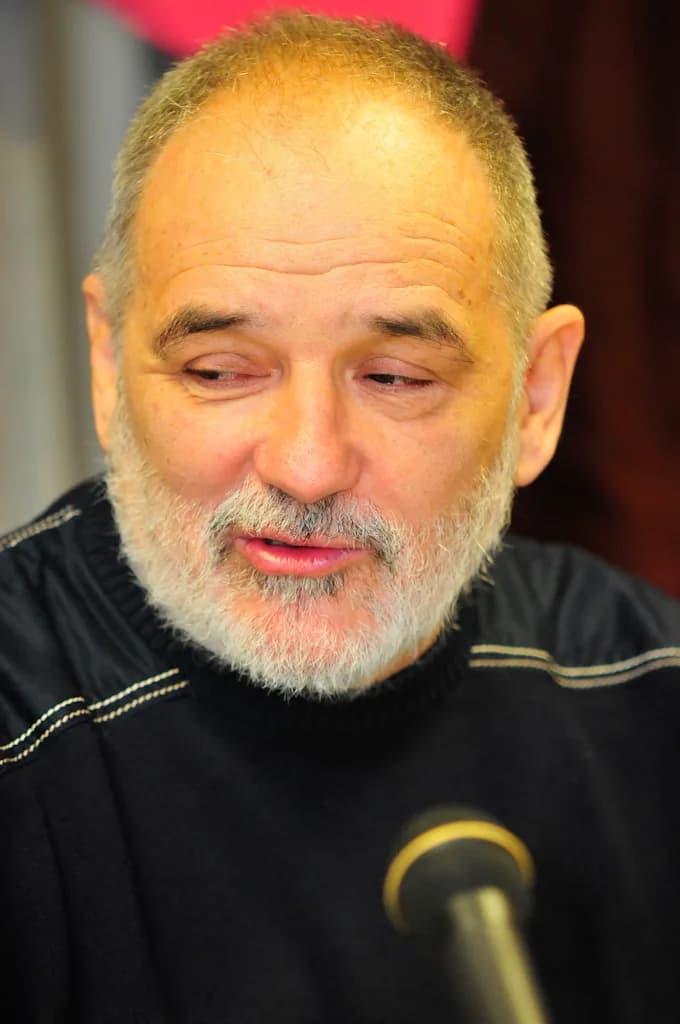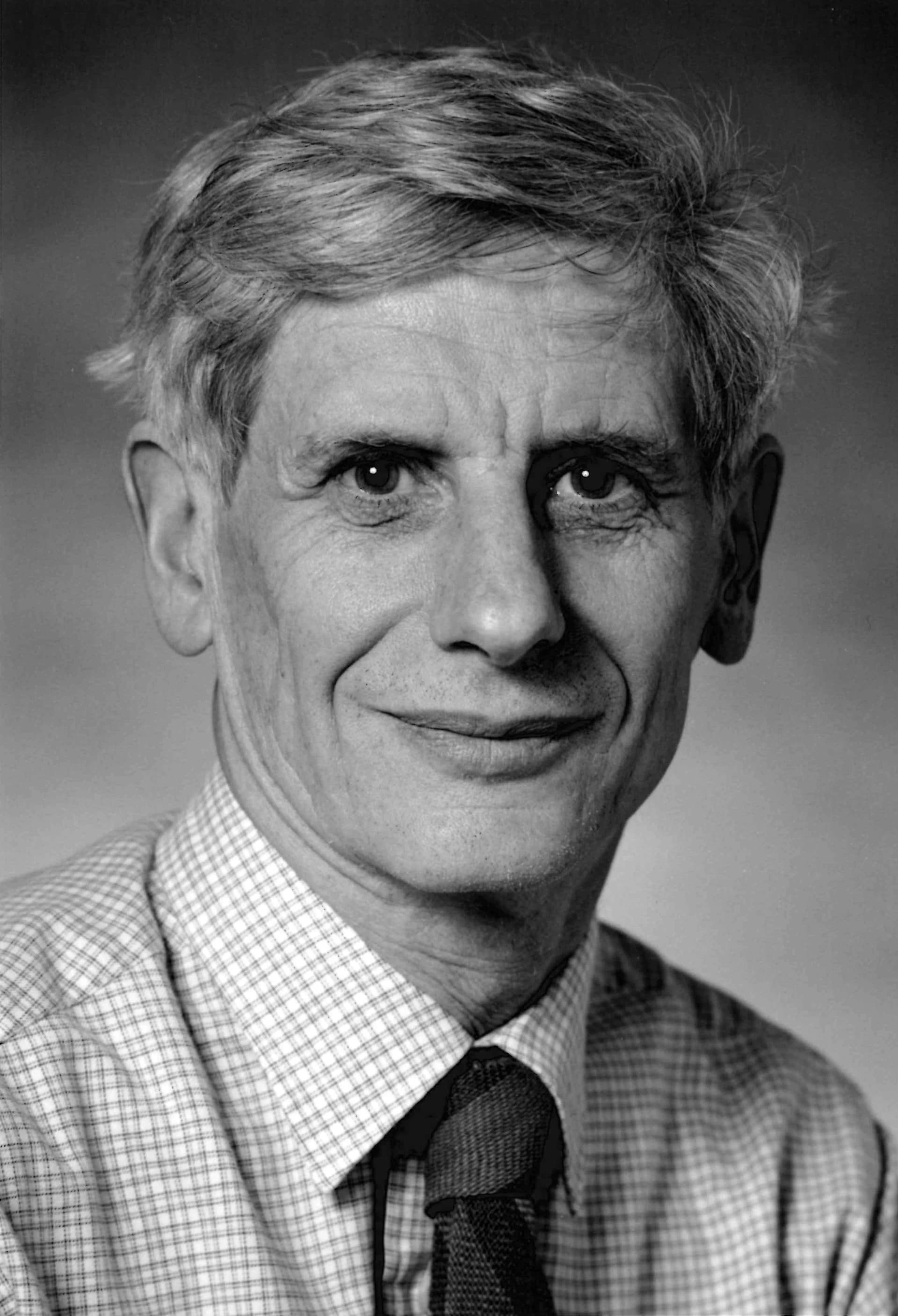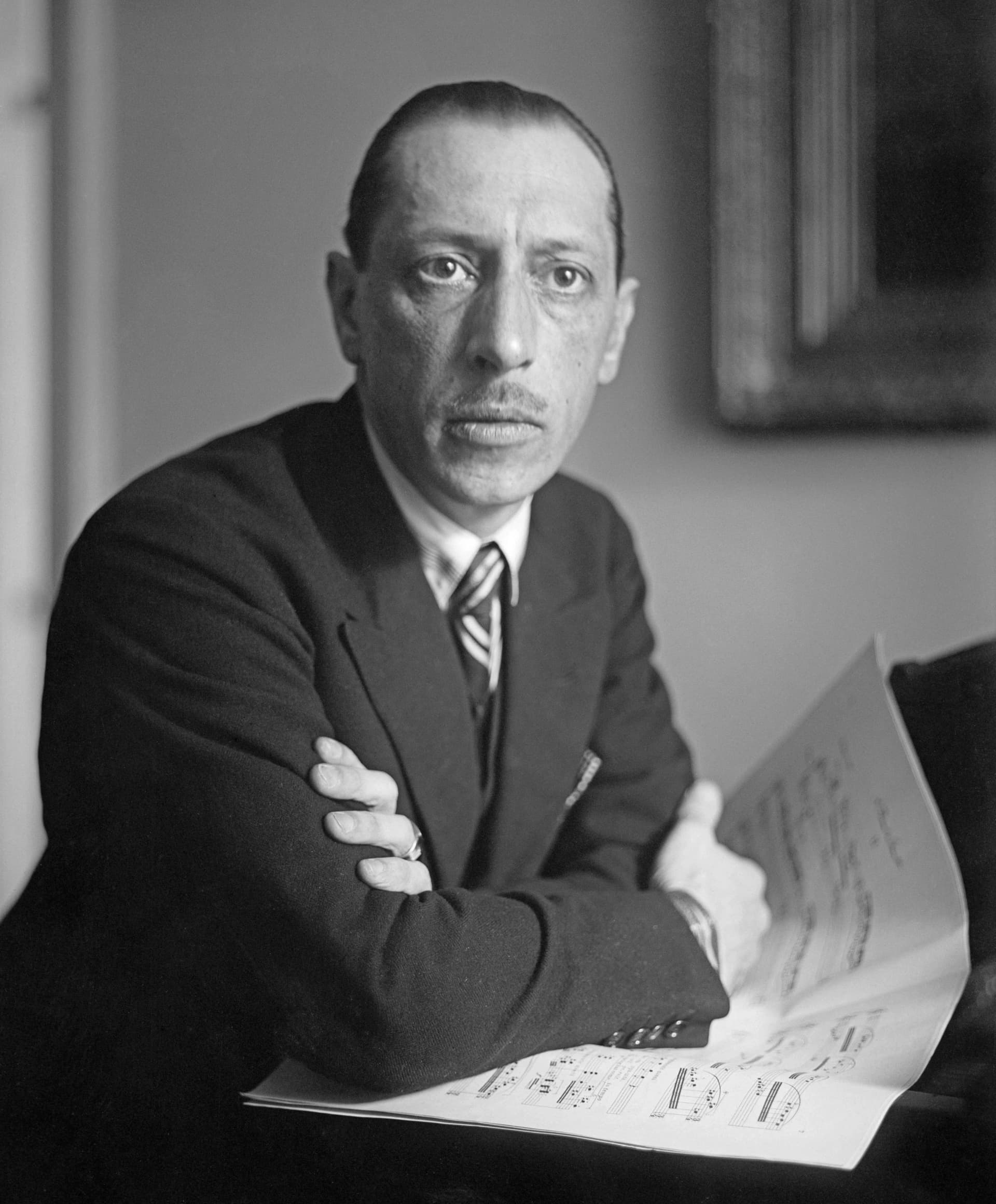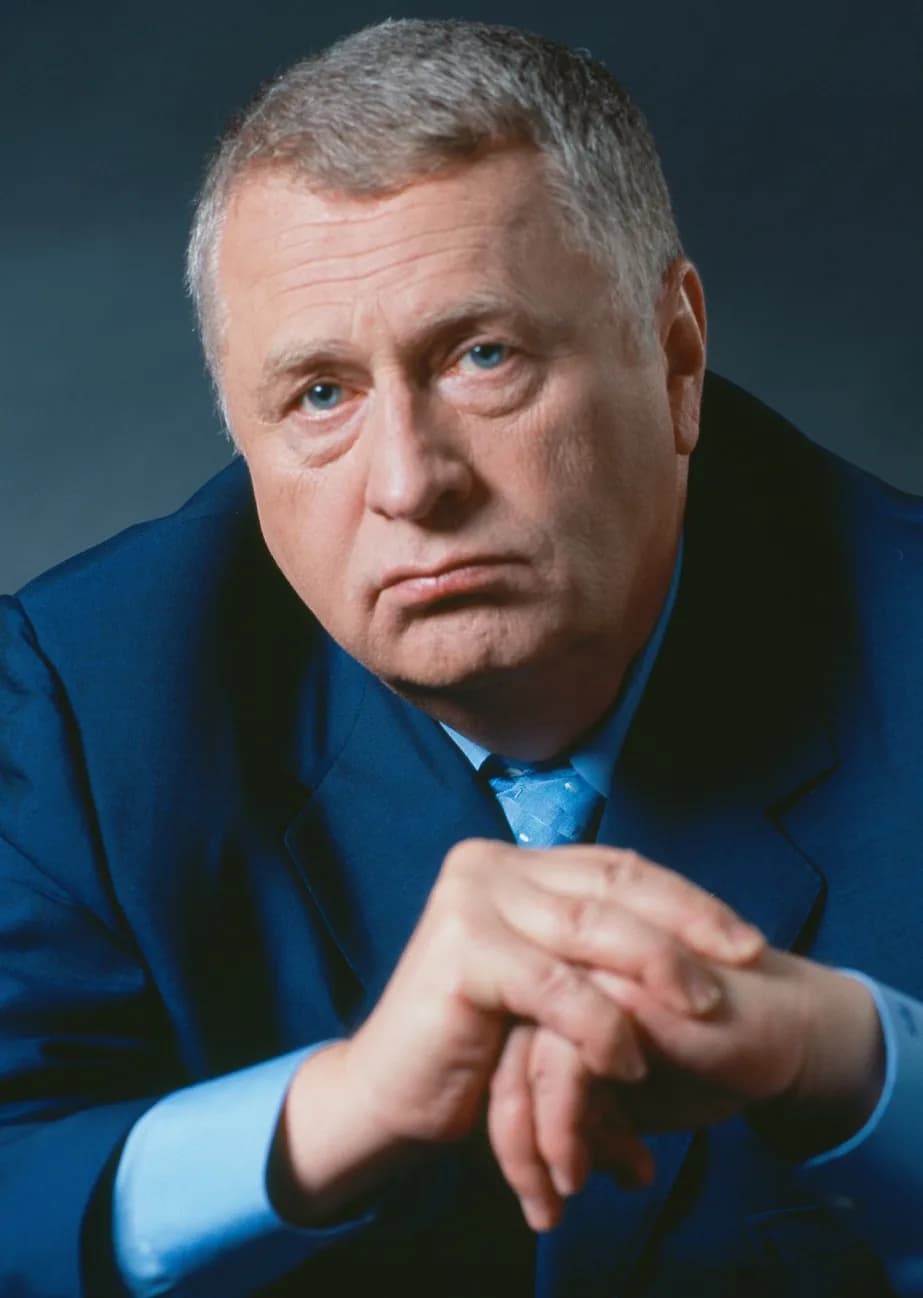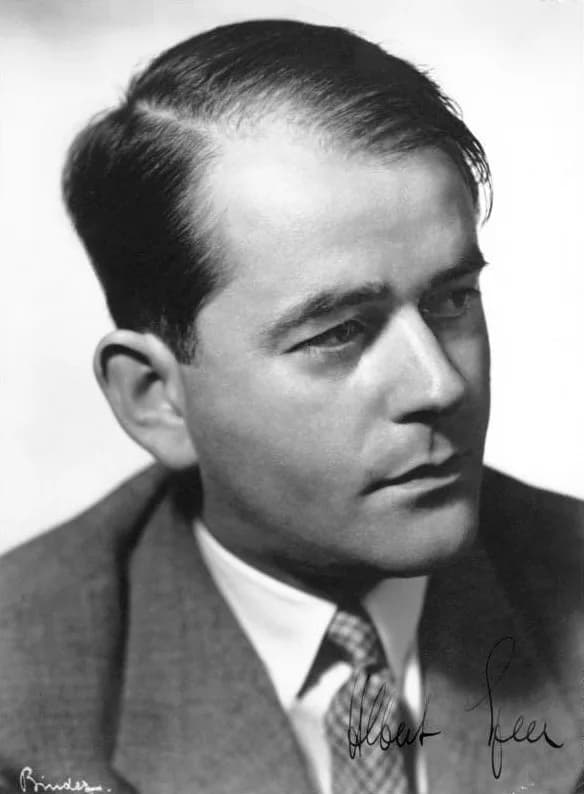
Ur.
March 19, 1928
Sursee, Switzerland
Zm.
April 6, 2021
Tübingen, Germany
Znany/a z
Swiss Catholic priest, theologian and author
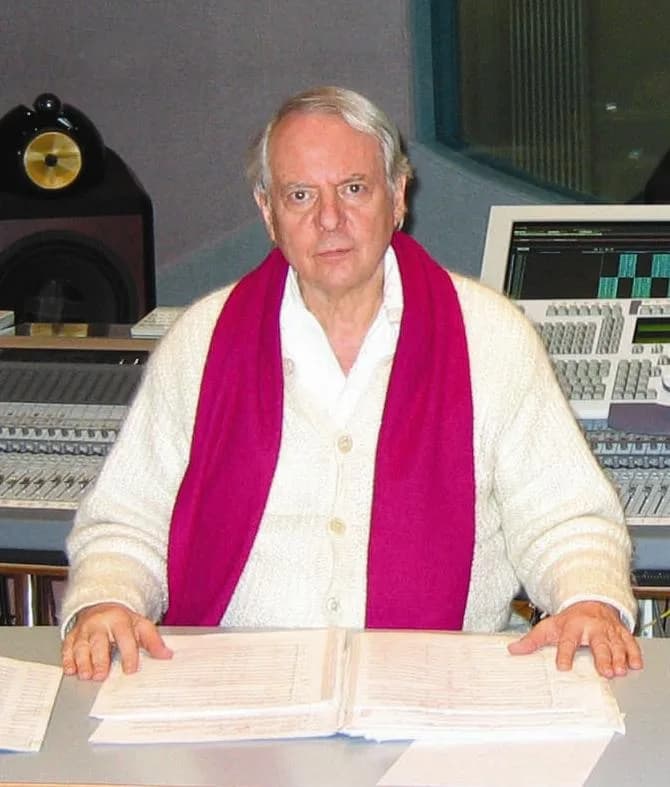
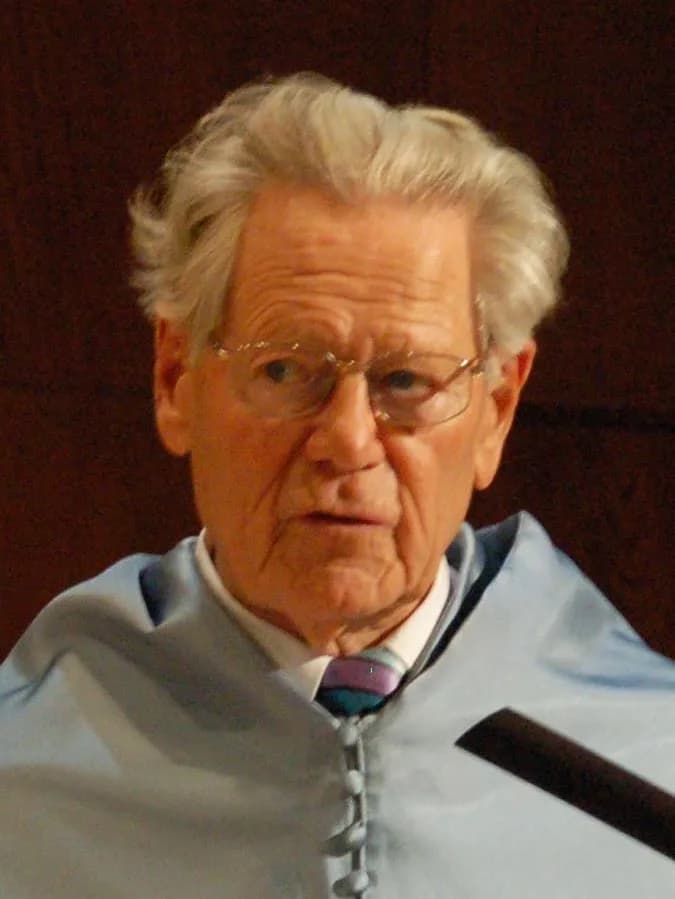
Hans Küng (1928–2021) was Switzerland best known for Swiss Catholic priest, theologian and author.
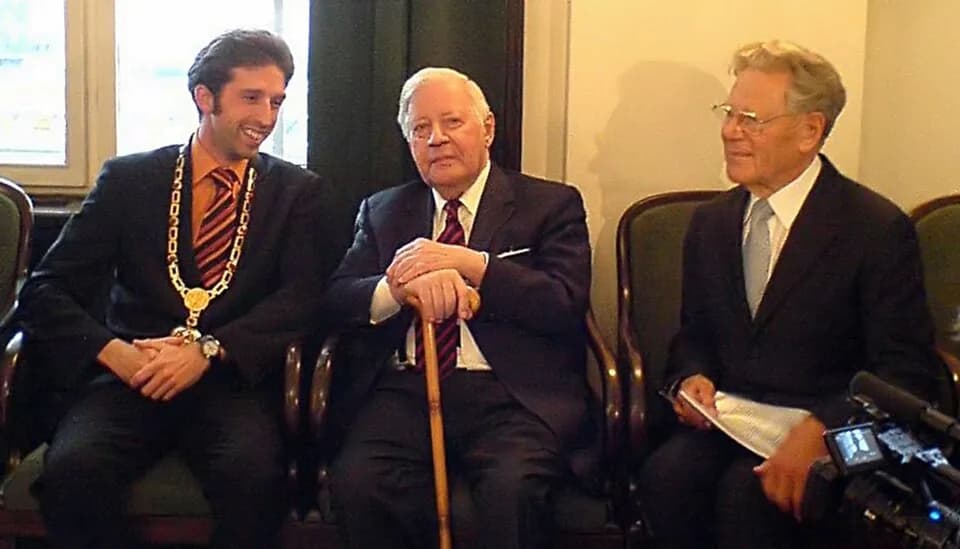
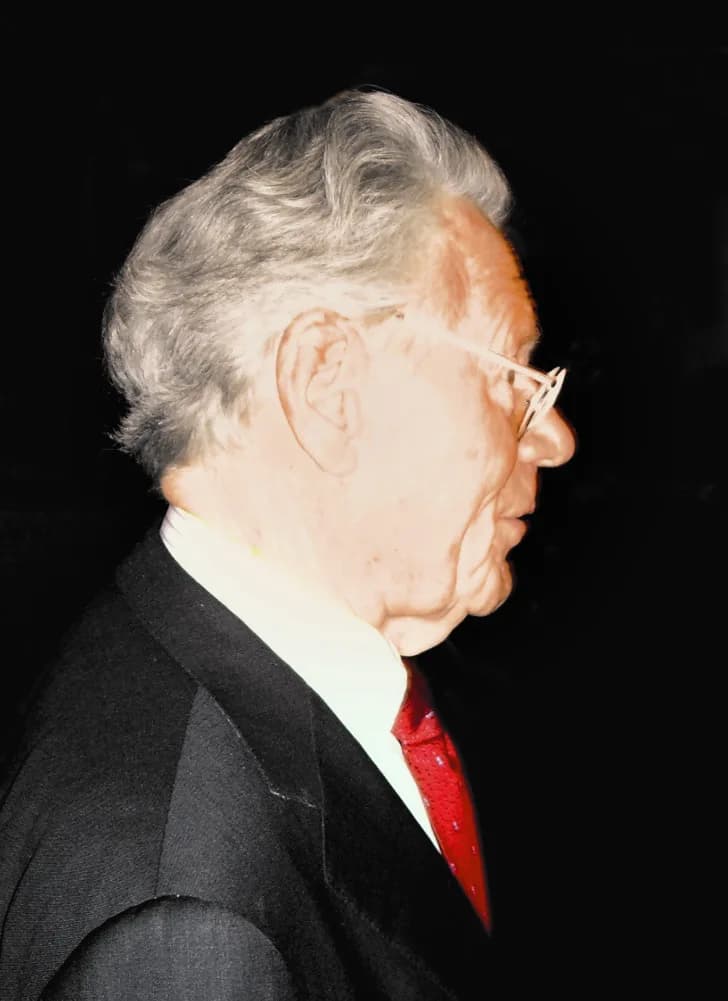
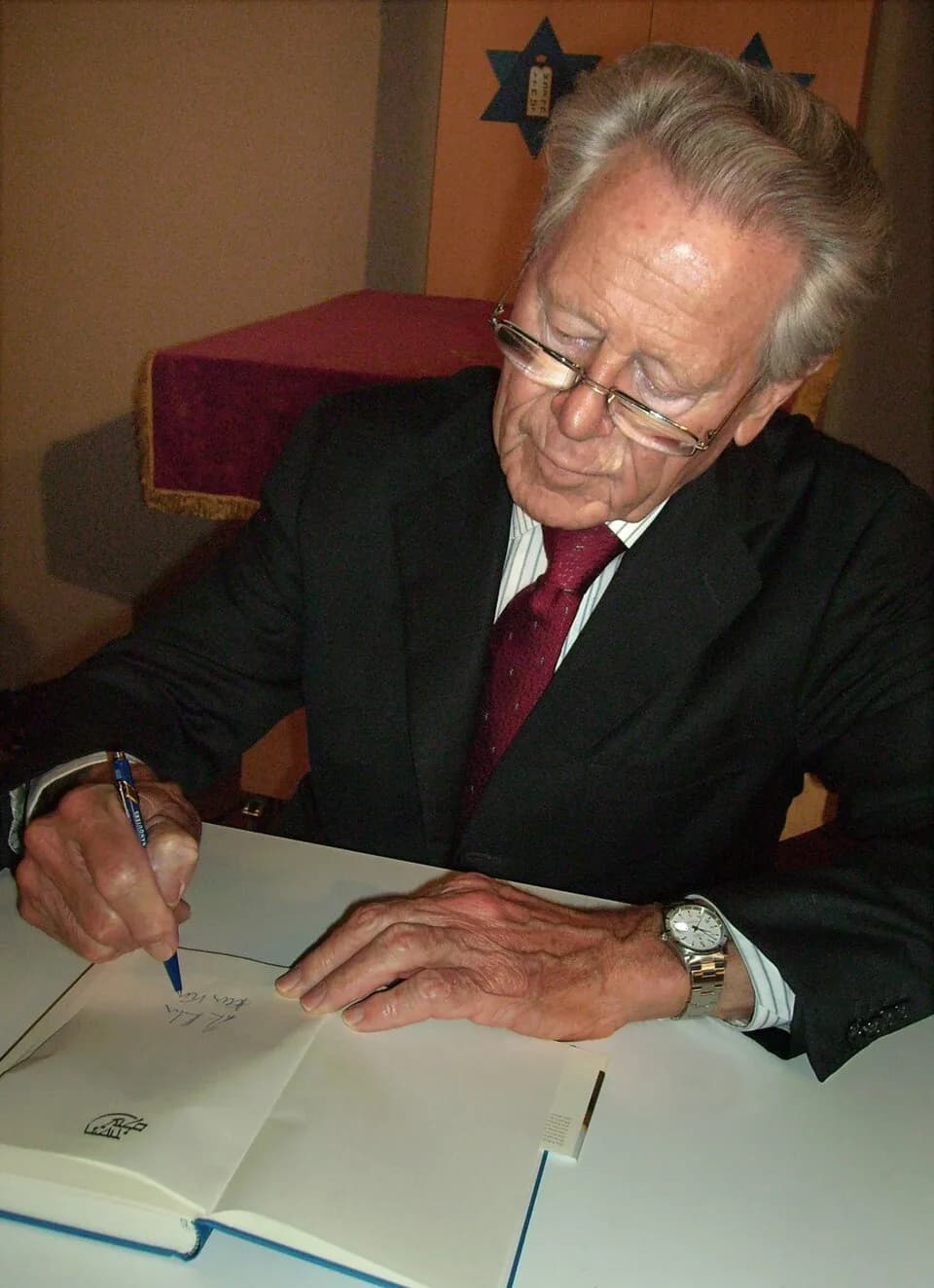
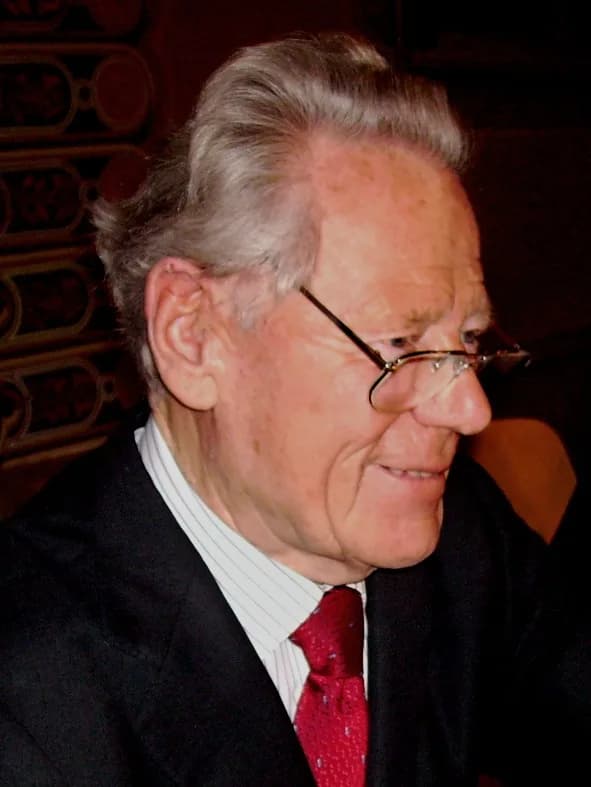
Hans Küng (March 19, 1928 – April 6, 2021) was a Swiss Catholic priest, theologian, and author. He was known for his critical examination of Catholic doctrine, including papal infallibility, and served as a theological adviser at the Second Vatican Council. His ideas significantly shaped modern Catholic thought.
Życie w chwilach
Chwile, które ukształtowały życie
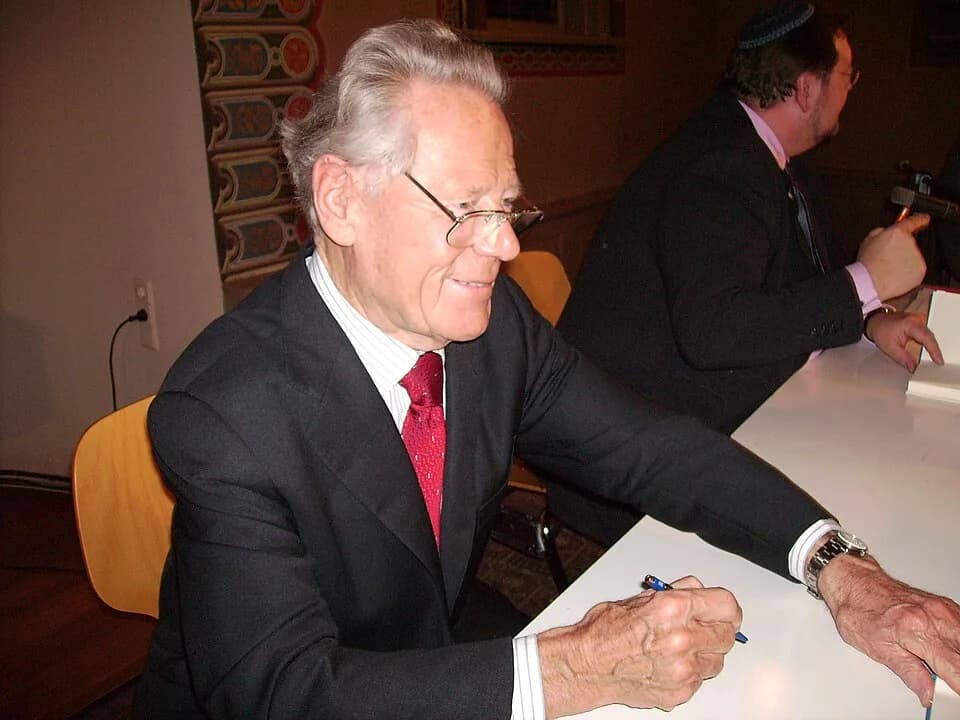
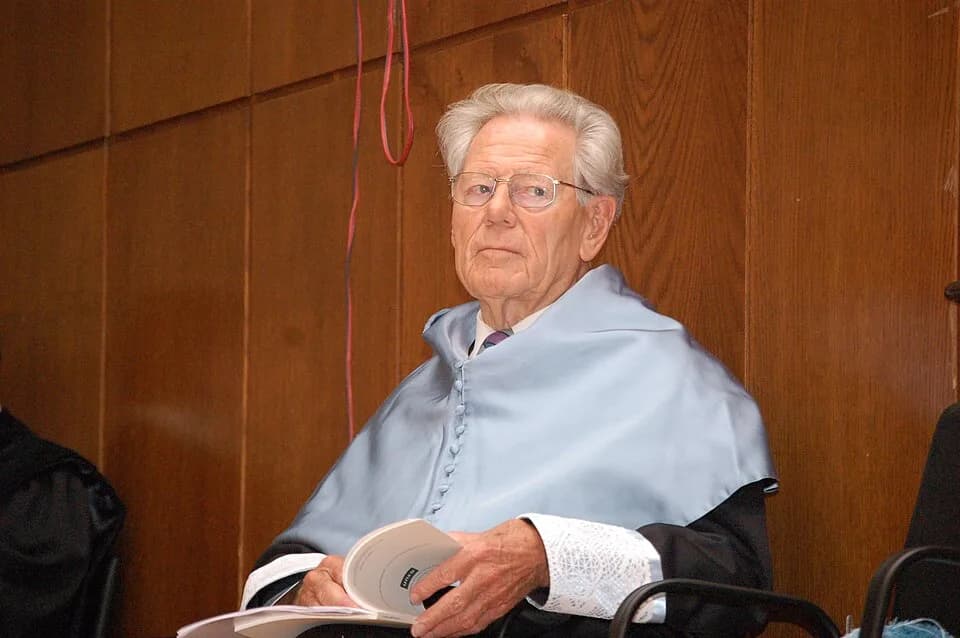
Rozdział
Rozdziały życia
Rozdział 1 · 1928· Rozdział 1 z 8
Opening Tribute
We honor the memory of Hans Küng, a distinguished Swiss Catholic priest, theologian, and author, who lived from March 19, 1928, until April 6, 2021. Küng was recognized as a leading and often controversial intellectual figure within modern Catholic thought, dedicating his life to academic scholarship and theological discourse. His extensive career as a writer, priest, theologian, university teacher, and philosopher left an enduring mark on religious scholarship.
Rozdział 2 · 1928· Rozdział 2 z 8
Early Life and Origins
Hans Küng was born on March 19, 1928, in Sursee, Switzerland. His early years in Switzerland set the stage for a life devoted to rigorous intellectual inquiry and a deep engagement with faith. Küng's formative experiences and early education laid the foundation for his future role as a critical voice within the Catholic Church.
Rozdział 3 · 1962· Rozdział 3 z 8
Career Beginnings
Küng embarked on his distinguished career by becoming a Catholic priest. His intellectual prowess quickly brought him into prominence, leading to his appointment as a theological adviser, or ''peritus'', at the Second Vatican Council, which took place from 1962 to 1965. This crucial role allowed him to contribute directly to the historic reforms and discussions shaping the future of the Catholic Church. Concurrently, from 1960, he served as Professor of Ecumenical Theology at the prestigious University of Tübingen in Germany, where he would teach for decades.
Rozdział 4· Rozdział 4 z 8
Major Achievements and Career Highlights
Throughout his career, Hans Küng became widely known for his significant critique of papal infallibility, a controversial stance that challenged established Catholic doctrine. He was a vocal advocate for a re-examination of various aspects of Catholic thought, pushing for reforms and open dialogue within the Church. His work positioned him as a leading, albeit often contested, voice in contemporary theological discussions, influencing generations of students and scholars alike through his teachings at Tübingen and his extensive writings.
Rozdział 5· Rozdział 5 z 8
Personal Life
While Hans Küng's public life was largely dedicated to his theological work and academic pursuits, details regarding his private and personal life are not widely known. He remained dedicated to his calling as a priest and scholar, with his intellectual contributions being the primary focus of his public identity. His journey exemplified a deep commitment to his faith and intellectual integrity.
Rozdział 6· Rozdział 6 z 8
Notable Works and Contributions
Hans Küng was a prolific author, producing many influential works that explored and questioned Catholic doctrine, ecumenism, and the future of faith. Among his significant publications are "Woran man sich halten Kann," a foundational text reflecting his theological perspective, and "Was ist Kirche?" and "Die Kirche," both central to his ecclesiological thought. His book "Structures of the church" further detailed his insights into the institutional aspects of the Church. Additionally, works like "Was Geht uns Maria an?" examined specific theological topics, while his "Erinnerungen I," "Begegnungen," and "Erinnerungen III" offered autobiographical reflections on his life and intellectual journey. Küng also engaged in interfaith dialogue with works such as "한스 큉 의 유대교" and "Ebraismo," demonstrating his commitment to understanding and bridging religious traditions.
Rozdział 7 · 1996· Rozdział 7 z 8
Later Years
Hans Küng continued his dedicated service at the University of Tübingen until his retirement in 1996, concluding a long and impactful teaching career. Even after retiring from his professorship, he remained an active voice in theological discourse and continued to write. He passed away peacefully on April 6, 2021, in Tübingen, Germany, the city that had been his academic home for many decades.
Rozdział 8· Rozdział 8 z 8
Legacy and Impact
Hans Küng leaves a lasting legacy as a courageous and challenging theologian who dared to question traditional doctrines and push for reform within the Catholic Church. His advocacy for a critical re-examination of fundamental Catholic beliefs, particularly his critique of papal infallibility, sparked important conversations and broadened intellectual horizons. Küng's dedication to ecumenical theology fostered dialogue between different Christian denominations and other world religions. His intellectual honesty and unwavering commitment to theological inquiry ensured his enduring influence on modern religious thought and academic scholarship for years to come.
FAQ
Często zadawane pytania
Kiedy zmarł(a) Hans Küng?
Hans Küng zmarł(a) 6 kwietnia 2021 w Tübingen, Germany w wieku 93 lat.
Gdzie urodził(a) się Hans Küng?
Hans Küng urodził(a) się w Sursee, Switzerland 19 marca 1928.
Z czego najbardziej znany(a) jest Hans Küng?
Hans Küng jest najbardziej znany(a) z Swiss Catholic priest, theologian and author.
Ile lat miał(a) Hans Küng w chwili śmierci?
Hans Küng miał(a) 93 lat w chwili śmierci.
Jakiej narodowości był(a) Hans Küng?
Hans Küng pochodził(a) z Switzerland.
Oś czasu
Życie w skrócie
Galeria zdjęć
Życie w obrazach
Kliknij dowolny polaroid, by go powiększyć · 24 zdjęć
Kod QR
Udostępnij tę biografię
Drukuj i udostępnij
Zeskanuj, aby odwiedzić tę stronę biografii. Wydrukuj na wydarzenia, wystawy lub materiały edukacyjne.