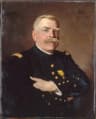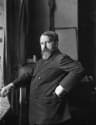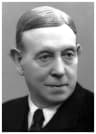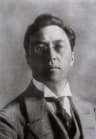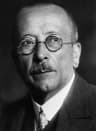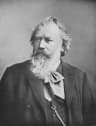
Ur.
May 7, 1841
Nogent-le-Rotrou, France
Zm.
December 13, 1931
Paris, France
Znany/a z
French psychologist
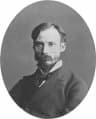
Gustave Le Bon (1841–1931) was France best known for French psychologist.
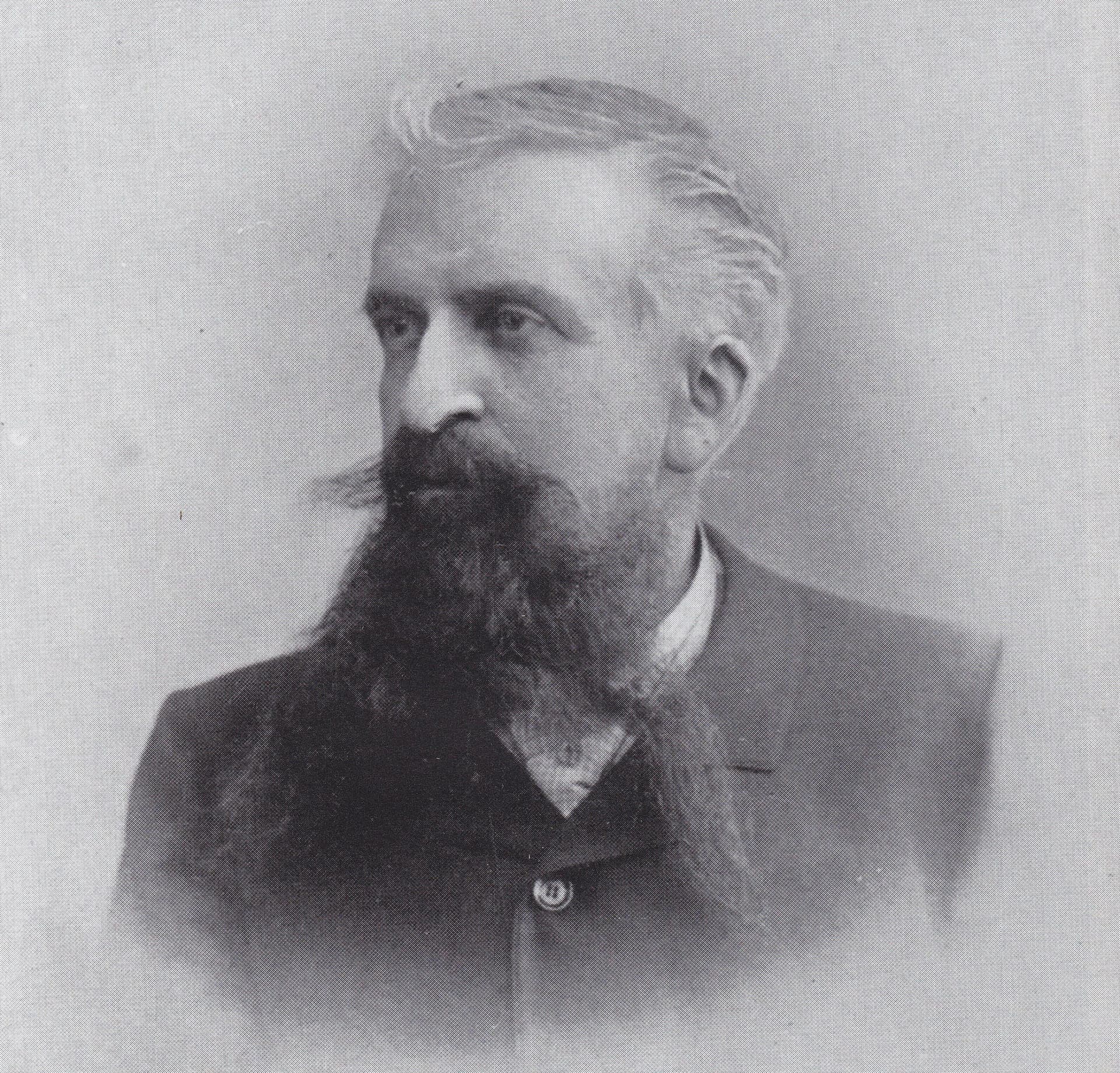
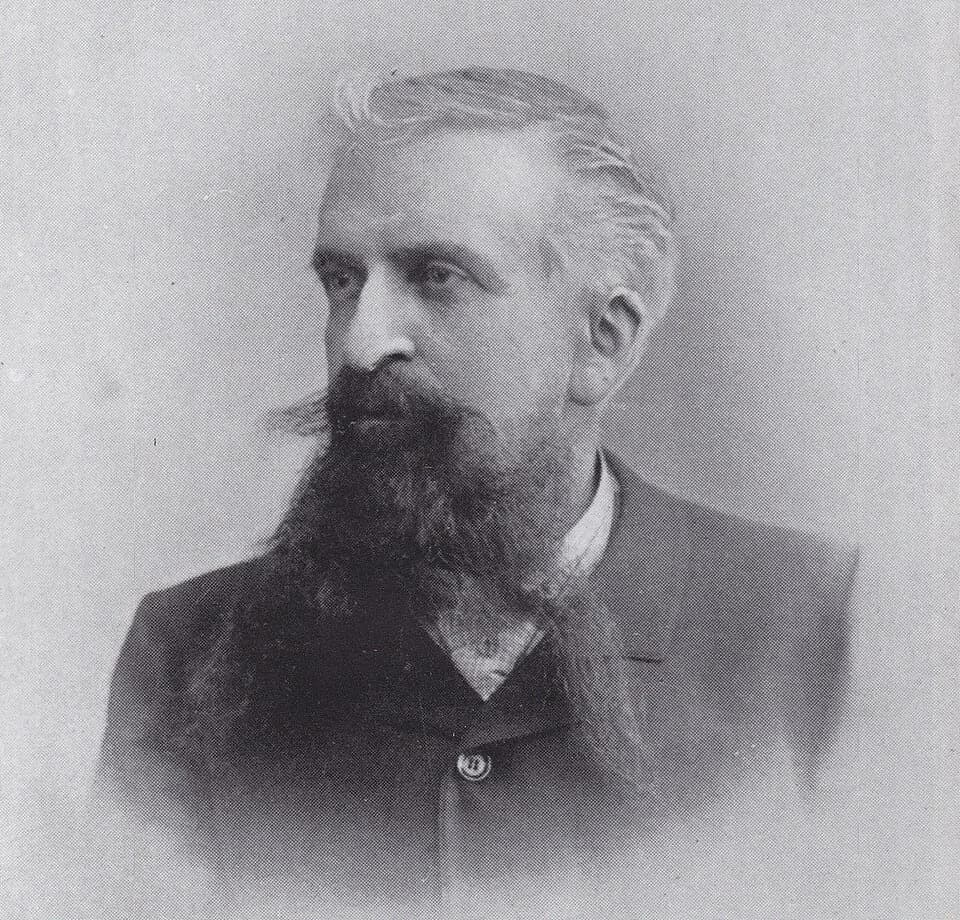
Charles-Marie Gustave Le Bon (May 7, 1841 – December 13, 1931) was a French psychologist from Nogent-le-Rotrou, France. He is best known for his 1895 work, The Crowd: A Study of the Popular Mind, a foundational text in crowd psychology. His diverse interests as a physicist, physician, sociologist, and anthropologist shaped his unique perspective.
Rozdział
Rozdziały życia
Rozdział 1 · 1841· Rozdział 1 z 8
Opening Tribute
Today, we honor the memory and lasting contributions of Charles-Marie Gustave Le Bon, a French polymath whose intellectual curiosity and scholarly pursuits left an enduring mark on multiple fields. Born on May 7, 1841, and passing away on December 13, 1931, Le Bon dedicated his long life to exploring the complexities of human behavior and societal structures. He is most widely recognized as a psychologist, but his professional interests spanned a truly remarkable breadth, encompassing physics, medicine, sociology, and anthropology, distinguishing him as one of the most intellectually adventurous figures of his era.
His distinctive approach to understanding social phenomena drew from this rich, interdisciplinary background, allowing him to forge connections that others might have overlooked. Le Bon's legacy is particularly intertwined with his seminal 1895 work, The Crowd: A Study of the Popular Mind, which is still considered a foundational text in the field of crowd psychology. This remarkable achievement reflects a lifetime of observation, study, and a unique capacity for synthesizing knowledge from disparate academic disciplines, shaping the very way we analyze collective human action and influence.
Rozdział 2 · 1841· Rozdział 2 z 8
Early Life and Origins
Charles-Marie Gustave Le Bon began his life in Nogent-le-Rotrou, France, on May 7, 1841. Situated in the picturesque Eure-et-Loir department, this charming commune provided the initial setting for a mind that would eventually travel vast intellectual distances. The France of the mid-19th century was a country undergoing significant societal and scientific change, a period ripe for the emergence of thinkers interested in both natural laws and human dynamics.
Growing up in such an environment likely fostered Le Bon's inherent inquisitiveness and broad intellectual appetite. While specific details of his early family life and upbringing are not extensively documented, it is evident that his educational path prepared him for a career of expansive scholarly engagement. The intellectual climate of the era encouraged individuals to pursue knowledge across various branches, a characteristic that Le Bon would embody throughout his remarkable professional journey.
Rozdział 3· Rozdział 3 z 8
Career Beginnings
Le Bon's professional journey commenced with a strong foundation in medicine, a profession that would provide him with valuable insights into human physiology and behavior. His training as a physician instilled in him a rigorous scientific methodology, emphasizing observation, diagnosis, and the systematic analysis of complex systems. This early grounding in the biological and medical sciences would prove instrumental in his later investigations into psychology and sociology, fields where empirical evidence and a keen understanding of human nature are paramount.
His early career likely involved the practical application of his medical knowledge, but his restless intellect quickly led him beyond the confines of a single discipline. This period marked the initial stages of his evolution into a true polymath, as he began to explore concurrent interests in physics and anthropology. Such diverse engagements at the outset of his career demonstrated a clear commitment to understanding the world from multiple perspectives, setting the stage for his subsequent groundbreaking work.
Rozdział 4· Rozdział 4 z 8
Major Achievements and Career Highlights
Gustave Le Bon's career was distinguished by a constant pursuit of knowledge and a desire to understand complex human and natural phenomena. His engagement with physics, for instance, showcased an interest in fundamental laws governing the physical world, which arguably informed his quest for underlying principles in social dynamics. This scientific rigor, cultivated through his early studies, became a hallmark of his intellectual contributions, allowing him to approach even abstract social concepts with an analytical precision.
Undoubtedly, the pinnacle of Le Bon's career and his most significant achievement was the publication of The Crowd: A Study of the Popular Mind in 1895. This influential work fundamentally shifted academic discourse by providing an early and systematic analysis of collective behavior, positioning him as a central figure in the emergent field of crowd psychology. The book's ideas quickly resonated, influencing subsequent thinkers and researchers across sociology, political science, and psychology, establishing a new framework for interpreting the actions and motivations of groups.
Rozdział 5· Rozdział 5 z 8
Personal Life
While Gustave Le Bon's professional and intellectual life was extensively documented through his numerous publications and academic pursuits, details regarding his personal life, family, and relationships are less publicly known. His life appears to have been largely dedicated to his scholarly work and scientific explorations, reflecting a profound commitment to intellectual endeavor. The breadth of his studies and the volume of his writings suggest a focus that left little room for public display of private matters.
This dedication to research and writing underscored a life lived largely in the pursuit of knowledge. Though specific anecdotes about his personal interests outside of his academic pursuits are scarce, it can be inferred that his passion for understanding human nature and the laws of the universe was a deeply personal one, driving his ceaseless investigations. His existence was characterized by an unwavering intellectual curiosity that permeated every aspect of his long and productive life.
Rozdział 6 · 1895· Rozdział 6 z 8
Notable Works or Contributions
The most celebrated of Gustave Le Bon's contributions remains his 1895 publication, The Crowd: A Study of the Popular Mind. This essential text explores the characteristics of collective psychology, analyzing how individuals behave differently when part of a crowd compared to when they are isolated. Le Bon meticulously examined the mechanisms through which emotions, irrationality, and suggestibility can spread rapidly within a group, often overriding individual reason and conscience.
In this work, he introduced concepts such as mental unity in crowds, the contagion of ideas, and the susceptibility of crowds to charismatic leaders, arguments that continue to be debated and re-evaluated by scholars today. His insights into mass movements and the psychology of public opinion offered a novel perspective on social control and political influence, demonstrating the power of collective psychology long before the age of mass media. The book's influence extended far beyond academic circles, impacting political theorists, military strategists, and advertising professionals by offering a blueprint for understanding and manipulating group behavior.
Beyond his magnum opus, Le Bon's diverse academic interests led him to contribute to various other fields. His work as an anthropologist involved studies of different cultures and their societal structures, providing a comparative perspective that enriched his understanding of human collective behavior. As a sociologist, he analyzed the broader social forces shaping societies, while his background as a physicist and physician brought a scientific, empirical lens to his psychological and sociological investigations. These varied contributions, though sometimes overshadowed by The Crowd, collectively illustrate a mind relentlessly engaged with the fundamental questions of existence and society.
Rozdział 7 · 1931· Rozdział 7 z 8
Later Years
Gustave Le Bon continued his intellectual pursuits well into his later years, maintaining an active scholarly life up until his passing. He died in Paris, France, on December 13, 1931, at the venerable age of 90. His passing marked the end of an era for a thinker who had witnessed and analyzed profound societal transformations, from the rise of industrialism to the advent of modern mass movements.
During his long life, Le Bon observed the dramatic changes of the late 19th and early 20th centuries, periods marked by increasing urbanization, political unrest, and technological advancements that redefined human interaction. His observations from these years likely continued to inform and refine his theories on collective psychology, as he experienced firsthand the evolving dynamics of crowds and public opinion. His final decades were a testament to his enduring intellectual vitality and commitment to understanding the human condition, right up to the very end of his illustrious life.
Rozdział 8· Rozdział 8 z 8
Legacy and Impact
The legacy of Charles-Marie Gustave Le Bon is indelibly linked to his pioneering efforts in establishing crowd psychology as a distinct area of study. His work in The Crowd: A Study of the Popular Mind remains a fundamental text, frequently cited and critically examined by scholars seeking to understand collective behavior. He provided an early framework for analyzing how groups can be swayed by emotion and suggestion, offering concepts that resonate even in contemporary discussions about social media influence and political rallies.
Le Bon's unique blend of expertise as a physicist, physician, psychologist, sociologist, and anthropologist enabled him to approach societal issues with an exceptionally broad perspective. This interdisciplinary lens allowed him to identify patterns and principles that might have been missed by those working within more constrained academic boundaries. His influence extends to fields such as political science, marketing, and communication studies, where his ideas on mass persuasion and collective decision-making continue to be relevant. Gustave Le Bon's contributions have undeniably shaped how we perceive and analyze the complex interactions within human crowds, ensuring his place as a vital figure in the history of social thought.
Życie w chwilach
Chwile, które ukształtowały życie

![Gustave Le Bon - Les civilisations de l'Inde [book] / Gustave Le Bon. -- Paris : Firmin-Didot, 1887. 743 p.](/_next/image?url=https%3A%2F%2Fcdn.whowasthisguy.com%2Fgallery_wikimedia_commons_1777940266223_2_23fd91d827.webp&w=1920&q=75)

FAQ
Często zadawane pytania
Kiedy zmarł(a) Gustave Le Bon?
Gustave Le Bon zmarł(a) 13 grudnia 1931 w Paris, France w wieku 90 lat.
Gdzie urodził(a) się Gustave Le Bon?
Gustave Le Bon urodził(a) się w Nogent-le-Rotrou, France 7 maja 1841.
Z czego najbardziej znany(a) jest Gustave Le Bon?
Gustave Le Bon jest najbardziej znany(a) z French psychologist.
Ile lat miał(a) Gustave Le Bon w chwili śmierci?
Gustave Le Bon miał(a) 90 lat w chwili śmierci.
Jakiej narodowości był(a) Gustave Le Bon?
Gustave Le Bon pochodził(a) z France.
Oś czasu
Życie w skrócie
Galeria zdjęć
Życie w obrazach
Kliknij dowolny polaroid, by go powiększyć · 49 zdjęć
Kod QR
Udostępnij tę biografię
Drukuj i udostępnij
Zeskanuj, aby odwiedzić tę stronę biografii. Wydrukuj na wydarzenia, wystawy lub materiały edukacyjne.