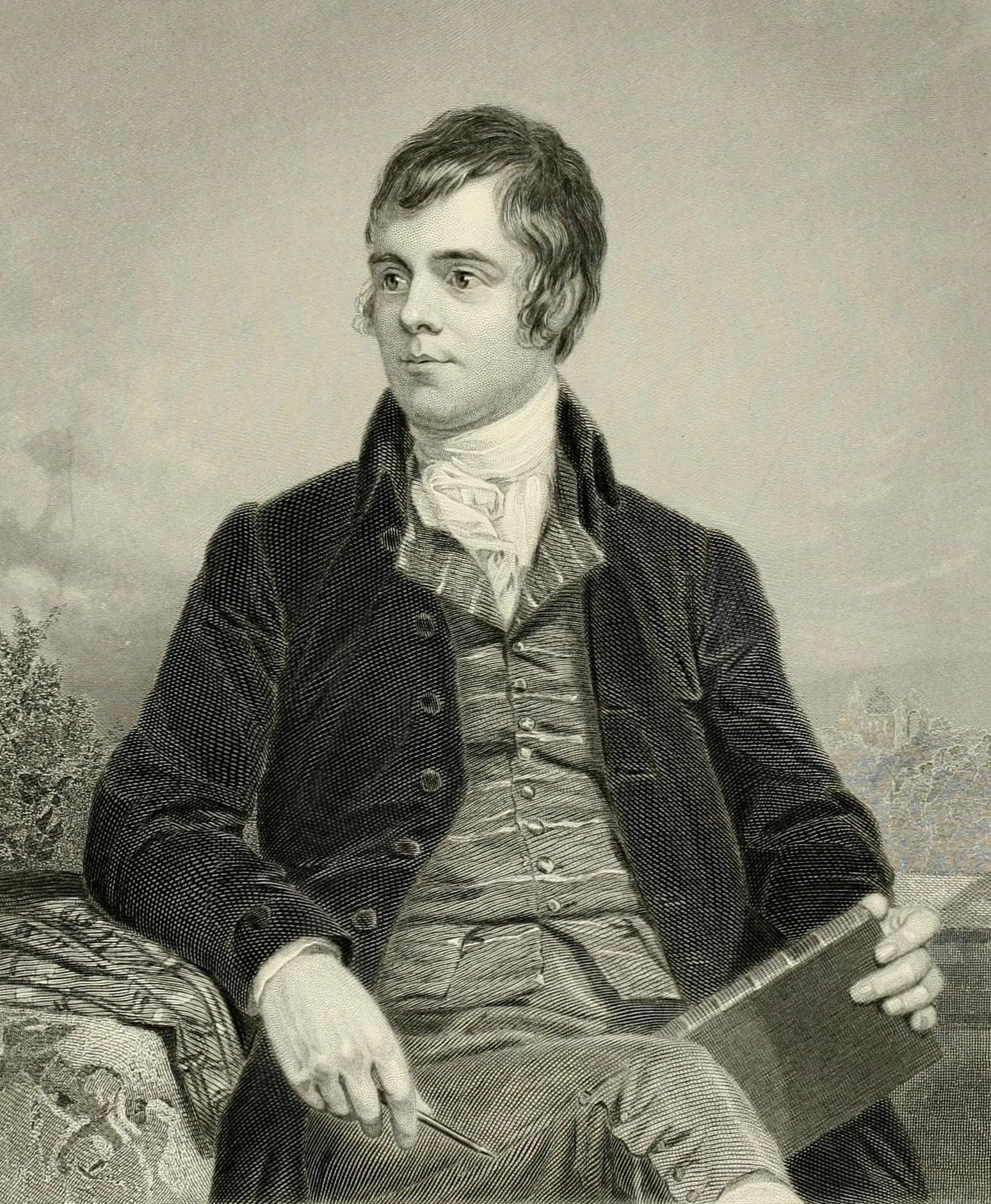
Geboren
January 25, 1759
Alloway, United Kingdom
Overleden
July 21, 1796
Dumfries, United Kingdom
Bekend om
Scottish poet and lyricist
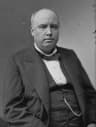
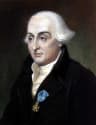
Robert Burns (1759–1796) was United Kingdom best known for Scottish poet and lyricist.
Robert Burns (January 25, 1759 – July 21, 1796) was a Scottish poet and lyricist from Alloway, UK. Celebrated as Scotland's national poet, he mastered the Scots language in his works, making them accessible globally. His profound impact on literature and song ensures his enduring legacy.
Hoofdstuk
Levenshoofdstukken
Hoofdstuk 1 · 1759· Hoofdstuk 1 van 6
Early Life and Origins
Robert Burns began his life in Alloway, United Kingdom, on January 25, 1759, in a family that deeply connected him to the land and the common people of Scotland. His upbringing in a rural setting provided him with an intimate understanding of Scottish life, its traditions, and its struggles, which would later become central themes in his literary output. This early exposure to the rhythm of agrarian existence and the folklore of his native region profoundly influenced the unique voice and authentic perspective that characterized his future works. He carried these formative experiences throughout his life, ensuring that his poetry remained rooted in the soil and spirit of Scotland.
Hoofdstuk 2· Hoofdstuk 2 van 6
Career Beginnings
Even while engaged in his profession as a farmer, Robert Burns cultivated his literary talents, embarking on a creative path that would eventually define his career. His initial forays into poetry and lyricism showcased an innate ability to articulate complex emotions and vivid narratives, often employing the rich expressive qualities of the Scots language. These early works quickly garnered attention, distinguishing him as a promising voice in Scottish letters and laying the groundwork for his eventual acclaim as a leading poet. Through dedication and natural skill, Burns began to forge the distinctive style that would soon captivate audiences and establish his literary standing.
Hoofdstuk 3· Hoofdstuk 3 van 6
Major Achievements and Career Highlights
Robert Burns achieved a singular status as the national poet of Scotland, a title that underscores his profound cultural significance and lasting appeal. His unique ability to craft poetry primarily in the Scots language, often using a "light Scots dialect" of English, made his works remarkably accessible to a broad readership, both within Scotland and beyond its borders. This accessibility contributed immensely to his widespread recognition and ensured that his poetic voice resonated with diverse audiences globally. The continued celebration of his birthday, "Burns Night," across the world further illustrates the enduring impact and high regard in which he is held, solidifying his place as a truly international literary figure.
Hoofdstuk 4· Hoofdstuk 4 van 6
Notable Works or Contributions
The body of work left by Robert Burns is extensive and varied, comprising both powerful poems and cherished songs that speak to universal human experiences and the specificities of Scottish culture. His seminal "Poems, chiefly in the Scottish dialect" stands as a foundational text, introducing many to the beauty and nuance of the Scots language as a medium for profound artistic expression. Beyond this, Burns explored political and social themes with works such as "Holy Willie's prayer" and "Address to the people of Scotland," where his commentary often displayed a bluntness that commanded attention. He also enriched the Scottish musical heritage with popular songs like "The ploughman," "Whisky I adore," and "The rigs of barley," alongside lyrical compositions such as "The borrow'd kiss" and "The kiss repaid," demonstrating his versatility as a musicologist and songwriter.
Burns's mastery of poetic form and emotional depth is exemplified through several notable excerpts. In "292. Song—Farewell to the Highlands," he expresses a deep, abiding affection for his native land, proclaiming, "FAREWELL to the Highlands, farewell to the North, / The birth-place of Valour, the country of Worth; / Wherever I wander, wherever I rove, / The hills of the Highlands for ever I love." This heartfelt sentiment reflects his deep connection to Scotland's natural beauty and its people. Other significant pieces include the atmospheric "91. The Vision" and the somber "177. Elegy on the Death of Sir James Hunter Blair," showcasing his range from vivid imagery to solemn reflection. His narrative prowess shines brightly in "310. Tam o’ Shanter: A Tale," a vivid and celebrated work that continues to entertain, while "306. Election Ballad at close of Contest for representing the Dumfries Burghs, 1790" illustrates his satirical wit and engagement with contemporary political life. The publication of "Poetical works, including several pieces not inserted in Dr.Currie'sedition, exhibited under a new plan of arrangement, and precededby a life of tthe author and a complete glossary" posthumously provided a more complete and organized view of his literary output.
Hoofdstuk 5 · 1796· Hoofdstuk 5 van 6
Later Years
Robert Burns spent his final period of life in Dumfries, United Kingdom, where he passed away on July 21, 1796, at the age of 37. Despite the brevity of his life, his dedication to writing and his extraordinary productivity ensured that he left behind an immense body of work. His final years, though marked by personal challenges, saw him continue to contribute significantly to Scottish literature and song. The profound impact he had during his lifetime continued to grow exponentially after his death, solidifying his enduring place in the literary canon.
Hoofdstuk 6· Hoofdstuk 6 van 6
Legacy and Impact
The enduring legacy of Robert Burns is evidenced by his continued celebration as Scotland’s revered national poet, with his influence reaching across continents and generations. His pioneering use of the Scots language in literature elevated its status and ensured its preservation, making his works a vital part of Scotland's cultural heritage. Burns's ability to articulate universal human emotions through his unique voice has allowed his poetry and songs to transcend their original context, speaking to people from all walks of life. He remains a powerful symbol of Scottish identity and a literary figure whose contributions continue to inspire and resonate with readers and artists around the globe, ensuring his place in the annals of world literature.
Een leven in momenten
De momenten die een leven hebben gevormd
Veelgestelde vragen
Veelgestelde vragen
Wanneer is Robert Burns overleden?
Robert Burns overleed op 21 juli 1796 in Dumfries, United Kingdom op 37-jarige leeftijd.
Waar werd Robert Burns geboren?
Robert Burns werd geboren in Alloway, United Kingdom op 25 januari 1759.
Waar is Robert Burns het meest bekend om?
Robert Burns is het meest bekend om Scottish poet and lyricist.
Hoe oud was Robert Burns bij overlijden?
Robert Burns was 37 jaar oud op het moment van overlijden.
Wat was de nationaliteit van Robert Burns?
Robert Burns kwam uit United Kingdom.
Tijdlijn
Een leven in een oogopslag
Fotogalerij
Een leven in beelden
Klik op een polaroid om uit te vergroten · 20 foto's
QR-code
Deel deze biografie
Afdrukken en delen
Scan om deze biografiepagina te bezoeken. Druk af voor evenementen, tentoonstellingen of educatief materiaal.