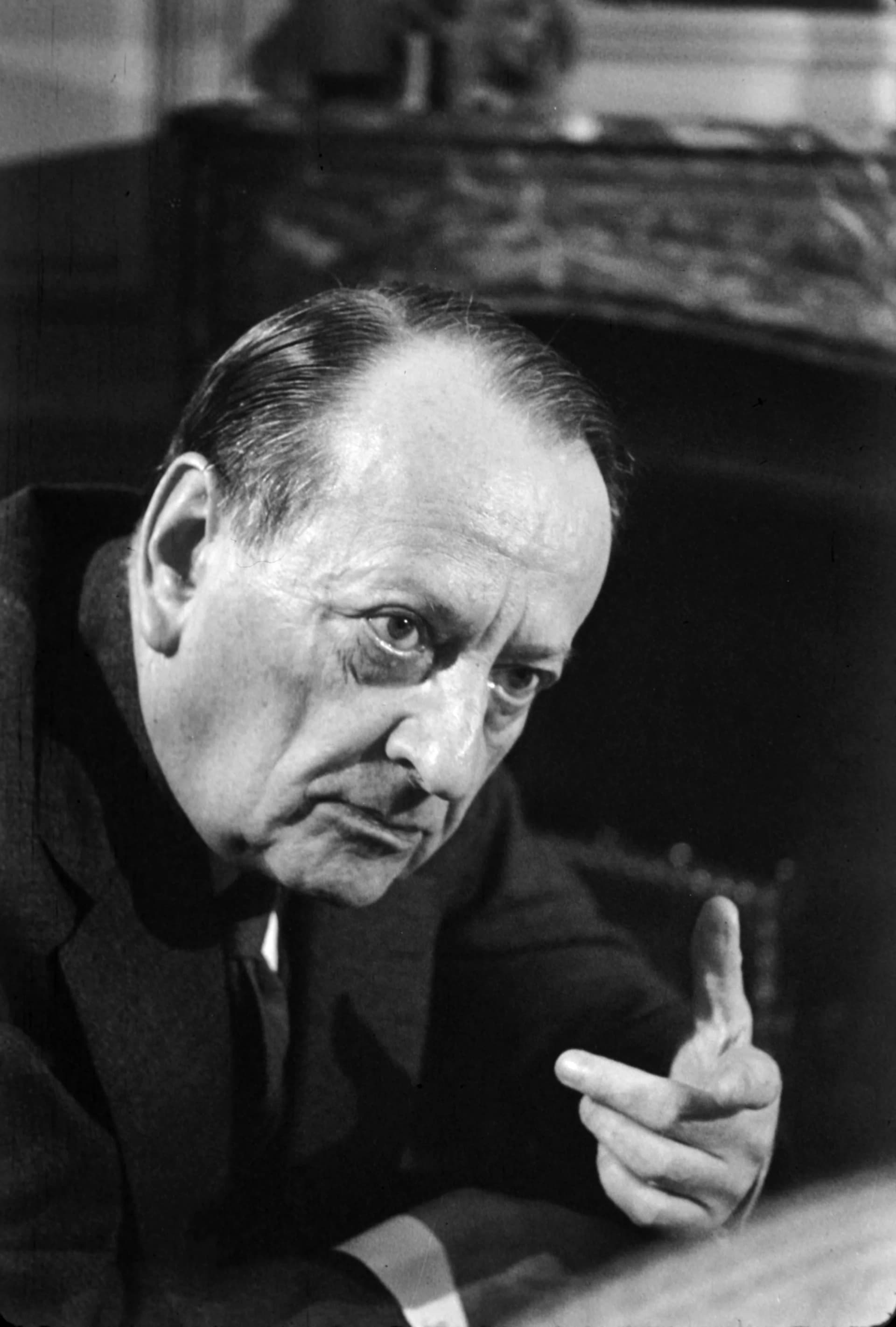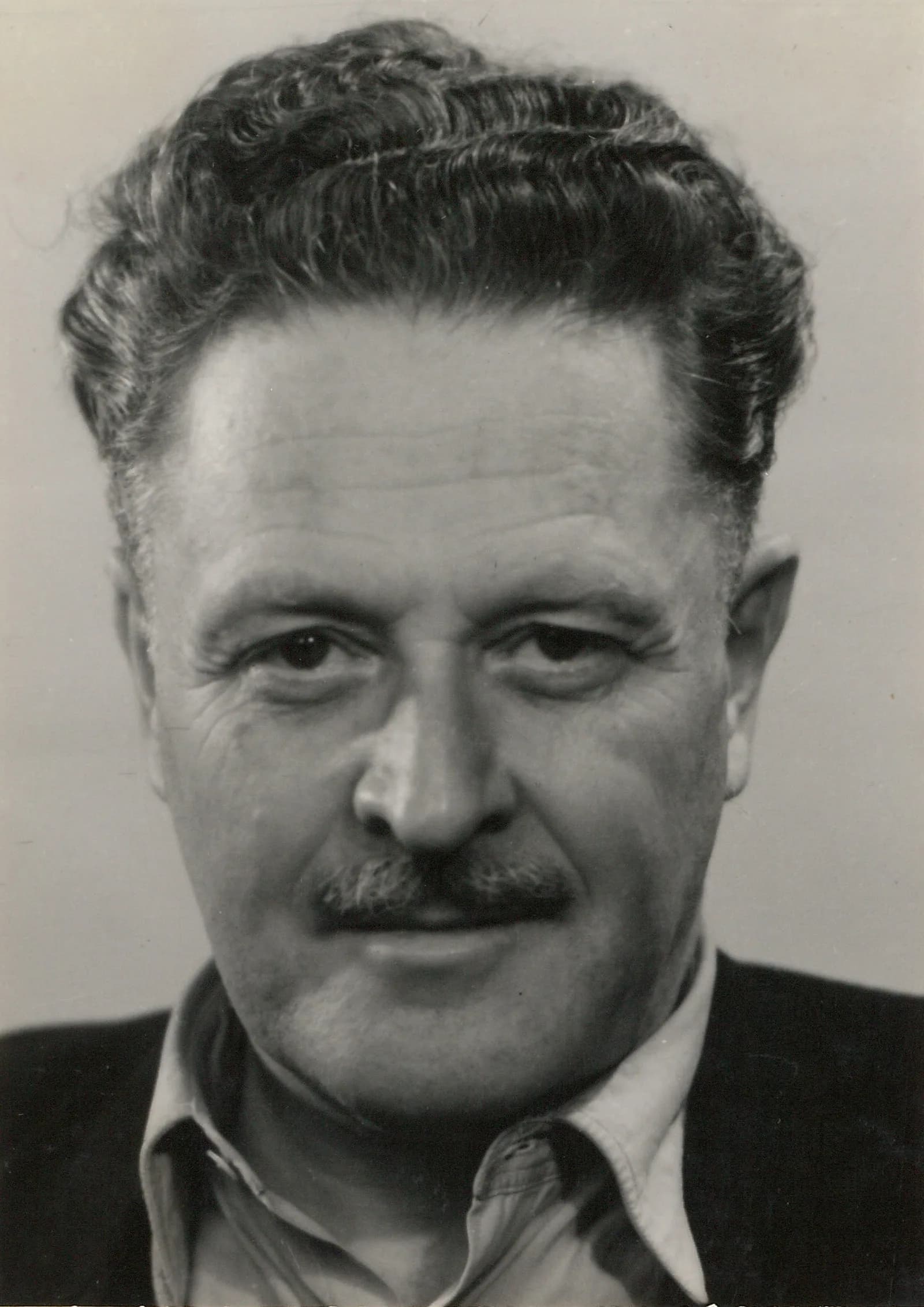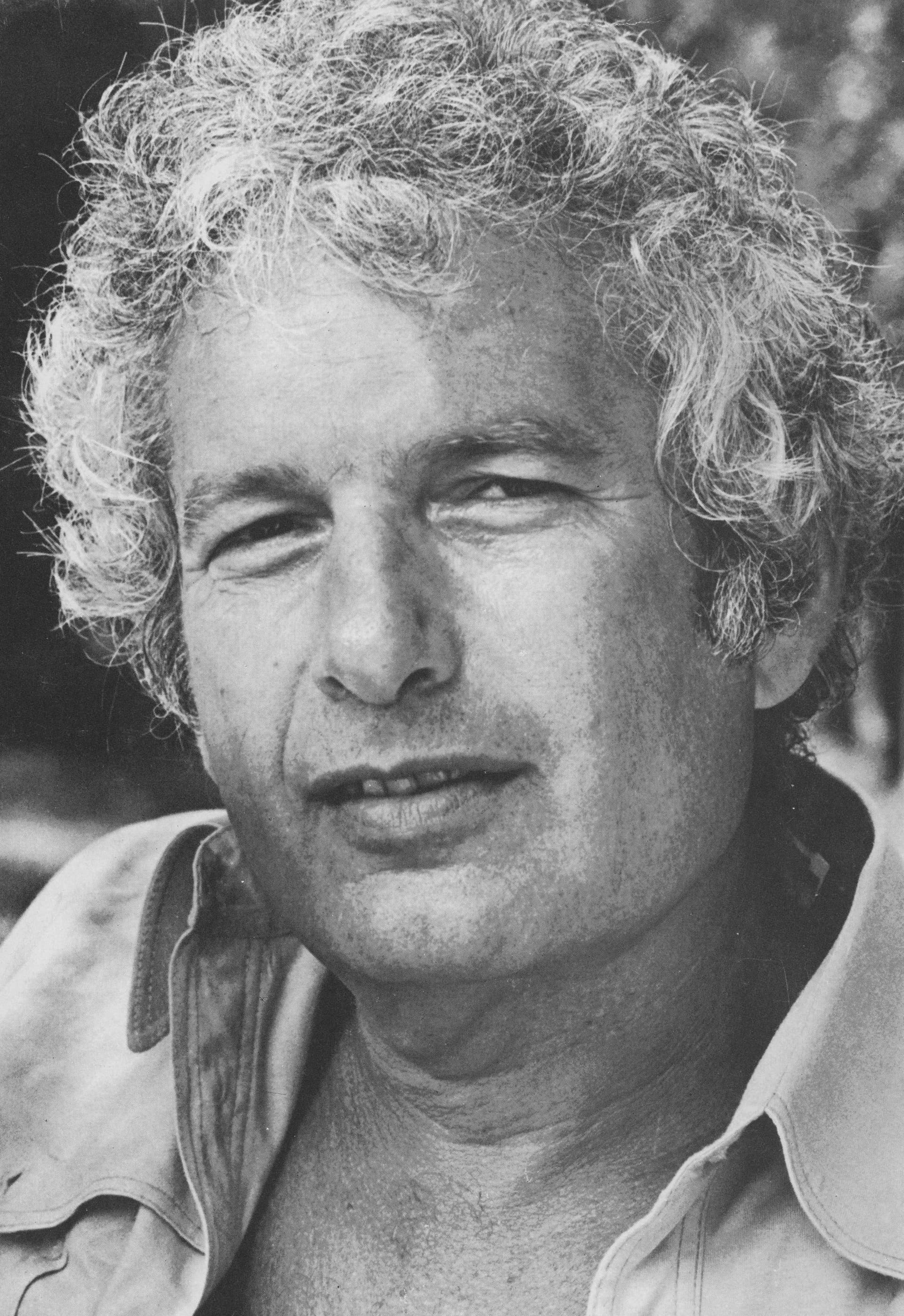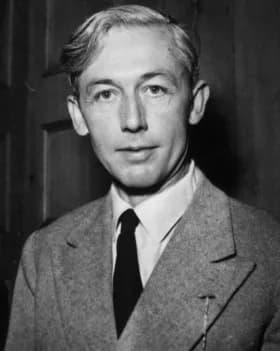
Geboren
September 25, 1901
Bromont-Lamothe, France
Overleden
December 18, 1999
Paris, France
Bekend om
French film director
Robert Bresson (1901–1999) was France best known for French film director.
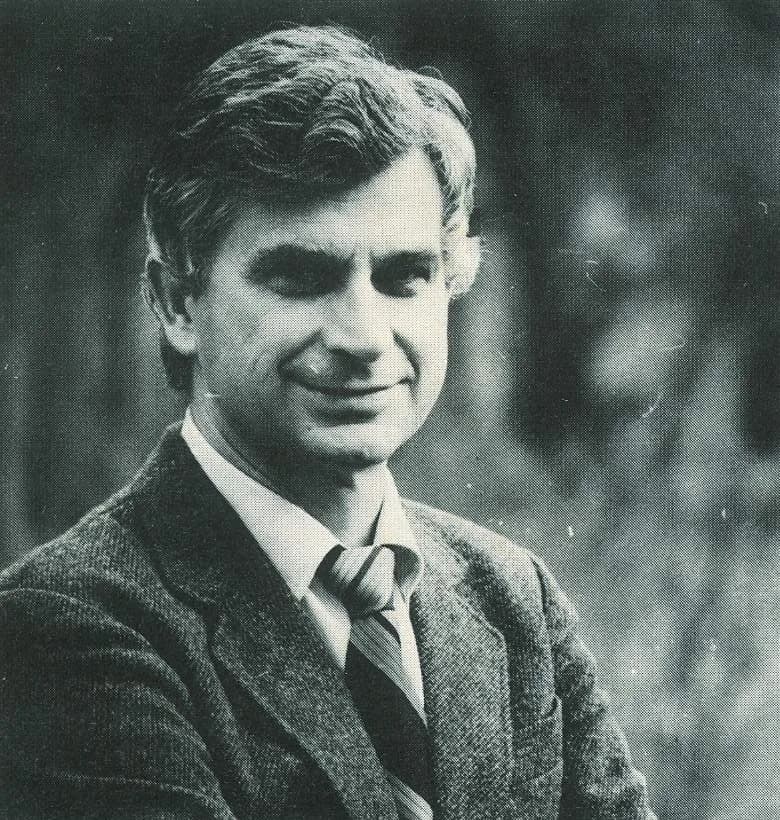
Robert Bresson (September 25, 1901 – December 18, 1999) was a French film director, screenwriter, and painter. He was renowned for his ascetic and minimalist approach to filmmaking, utilizing non-professional actors and sparse scoring. His works are considered preeminent examples of cinematic minimalism and continue to influence artists worldwide.
Een leven in momenten
De momenten die een leven hebben gevormd

Hoofdstuk
Levenshoofdstukken
Hoofdstuk 1 · 1901· Hoofdstuk 1 van 8
A Life Dedicated to the Art of Cinema
Robert Bresson, born on September 25, 1901, and who passed away on December 18, 1999, was an esteemed French film director whose profound contributions irrevocably shaped the landscape of cinematic art. His distinctive style, characterized by an ascetic approach and a deep commitment to the purity of film, earned him a unique place in history. Bresson's works are celebrated for their minimalist aesthetic and their ability to convey profound emotion through sparse means.
Throughout his career, Bresson was not merely a director but also a skilled screenwriter, a television producer, a television director, and a film producer. His dedication to exploring the essence of storytelling, often through tragic narratives, defined his oeuvre. He left behind a body of work that continues to inspire and challenge filmmakers and audiences around the globe.
Hoofdstuk 2 · 1901· Hoofdstuk 2 van 8
Early Life and Origins
Robert Bresson's journey began in Bromont-Lamothe, France, where he was born on September 25, 1901. His early years, spent in the French countryside, likely instilled in him a contemplative spirit that would later permeate his artistic vision. Details of his family life or specific upbringing are not widely documented, allowing his artistic output to speak for itself as the primary record of his existence.
Before dedicating himself entirely to cinema, Bresson cultivated an interest in painting, showcasing an early artistic inclination. This foundational experience in visual art undoubtedly informed his rigorous compositional style and his precise framing within his films. Notable artworks from this period include "Hyères, France" (1932, printed 1930/39), "Salerno, Italy" (1933), and "Allees du Prado, Marseilles" (1932, printed 1940/59), all housed at the Art Institute of Chicago (AIC). Other pieces like "Chicago" (1947, printed 1950/59), "Italy" (1933), and "Juvisy, France" (1955, printed 1956) further underscore his diverse artistic engagement before his cinematic renown.
Hoofdstuk 3· Hoofdstuk 3 van 8
Career Beginnings
Bresson's transition from painting to filmmaking marked the genesis of a truly singular voice in the world of cinema. He entered the industry not just as a director, but also as a screenwriter, a profession that allowed him to meticulously craft narratives from their very inception. This multifaceted involvement ensured a consistent artistic control over his projects, from concept to screen.
From the outset, Robert Bresson adopted an uncompromising and ascetic approach to filmmaking, distinguishing himself from his contemporaries. His early work began to lay the groundwork for what would become his signature style, focusing on stark simplicity and profound psychological depth. This early commitment to a disciplined artistic method established the foundation for his future cinematic achievements, influencing countless filmmakers who admired his purity of vision.
Hoofdstuk 4· Hoofdstuk 4 van 8
Major Achievements and Career Highlights
Robert Bresson's career is marked by a series of artistic choices that collectively represent a preeminent contribution to the art of cinema. He deliberately eschewed professional actors, preferring what he termed 'models'—non-professional performers whose untrained expressions and movements he believed could convey a deeper, more authentic truth. This bold decision challenged conventional filmmaking practices and became a hallmark of his minimalist style.
Further defining his unique approach, Bresson made extensive use of ellipses in his storytelling, omitting explanatory scenes and forcing the audience to actively engage in bridging narrative gaps. This technique, coupled with a sparse use of musical scoring, created a distinct cinematic language. His films, celebrated as preeminent examples of minimalist cinema, often explored themes of fate, redemption, and human suffering, frequently presented through tragic narratives that resonated deeply with viewers.
Hoofdstuk 5· Hoofdstuk 5 van 8
Personal Life
While Robert Bresson's professional life was meticulously documented through his influential films and writings, details concerning his personal life, family, relationships, or specific private interests beyond his artistic pursuits are not extensively provided in available public records. Bresson largely maintained a private existence, allowing his work to be the primary focus of his public persona. His dedication to his craft was so profound that it often overshadows other aspects of his personal story, reflecting an artist singularly devoted to his chosen medium.
The absence of extensive biographical details about his private world underscores the intensely focused nature of his creative output. It highlights a life committed almost entirely to the exploration and refinement of his unique cinematic vision. This dedication ensured that his legacy would be overwhelmingly defined by the powerful, introspective films and theoretical texts he produced.
Hoofdstuk 6 · 2004· Hoofdstuk 6 van 8
Notable Works and Contributions
Robert Bresson's notable filmography includes works like "Words in Progress" (2004). While released posthumously, this film reflects his enduring creative spirit and the lasting impact of his artistic endeavors on the film world. His body of work consistently pushed the boundaries of narrative and visual storytelling, earning him a revered status among critics and cinephiles alike.
Beyond his films, Bresson articulated his unique aesthetic philosophy in several written works. His most influential theoretical text, "Notes on the Cinematograph," became a foundational text for minimalist filmmaking, appearing in various languages under titles such as "Poznámky o kinematografu," "Notas sobre el cinematógrafo," "Sinematograf Uzerine Notlar," "Bresson par Bresson," and "Bresson on Bresson." These writings provided invaluable insights into his rigorous methodology and profound understanding of film as an art form. Other significant contributions include "Autour des dames du Bois de Boulogne" and collections of interviews like "Bresson por Bresson. Entrevistas," which further illuminate his creative process and perspectives.
His early artworks, such as "Hyères, France" and "Chicago," demonstrate a broader artistic talent that pre-dated his cinematic career. These paintings, recognized by institutions like the Art Institute of Chicago (AIC), showcase his visual sensibilities and mastery of composition, elements that would later translate seamlessly into his film direction. The precision and evocative power of these early works suggest a keen eye and a thoughtful approach to visual expression, characteristics that would become defining features of his cinematic style.
Hoofdstuk 7 · 1999· Hoofdstuk 7 van 8
Later Years
Robert Bresson continued to influence and inspire filmmakers throughout his long career, which spanned much of the 20th century. His later years saw him remain a respected figure in cinema, with his body of work being consistently re-evaluated and lauded for its enduring relevance. He passed away on December 18, 1999, in Paris, France, the city that often serves as a beacon for artistic innovation.
His death marked the end of an era for French cinema, yet his artistic principles continued to resonate powerfully. The decades leading up to his passing were characterized by a consistent commitment to his artistic vision, cementing his reputation as one of the most uncompromising and intellectually rigorous directors in history. His final years were a testament to a life devoted solely to the craft of filmmaking.
Hoofdstuk 8· Hoofdstuk 8 van 8
Legacy and Impact
Robert Bresson's legacy is defined by his profound and lasting impact on the art of cinema. He challenged conventional filmmaking norms, proving that emotional depth and narrative power could be achieved through restraint and simplicity. His insistence on the authenticity of non-professional actors, his masterful use of ellipses, and his minimalist approach to sound have influenced generations of directors seeking to explore the expressive potential of film beyond traditional dramatic conventions.
His theoretical writings, particularly "Notes on the Cinematograph," continue to serve as essential reading for students and practitioners of film. Bresson demonstrated that cinema, at its most refined, could be a medium of profound spiritual and psychological inquiry. His works stand as timeless examples of minimalist film, ensuring that his vision and methods remain a vital part of cinematic discourse and inspiration for future artists.
Veelgestelde vragen
Veelgestelde vragen
Wanneer is Robert Bresson overleden?
Robert Bresson overleed op 18 december 1999 in Paris, France op 98-jarige leeftijd.
Waar werd Robert Bresson geboren?
Robert Bresson werd geboren in Bromont-Lamothe, France op 25 september 1901.
Waar is Robert Bresson het meest bekend om?
Robert Bresson is het meest bekend om French film director.
Hoe oud was Robert Bresson bij overlijden?
Robert Bresson was 98 jaar oud op het moment van overlijden.
Wat was de nationaliteit van Robert Bresson?
Robert Bresson kwam uit France.
Tijdlijn
Een leven in een oogopslag
Fotogalerij
Een leven in beelden
Klik op een polaroid om uit te vergroten · 23 foto's
QR-code
Deel deze biografie
Afdrukken en delen
Scan om deze biografiepagina te bezoeken. Druk af voor evenementen, tentoonstellingen of educatief materiaal.