Geboren
November 7, 1867
Warsaw, Poland
Overleden
July 4, 1934
Sancellemoz, France
Bekend om
Polish-French physicist and chemist
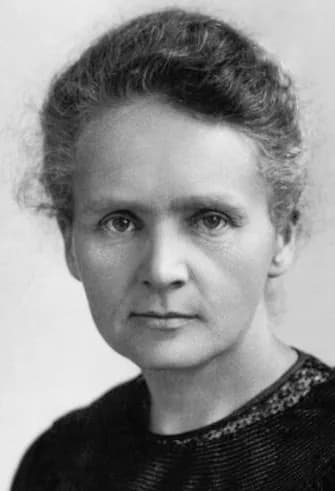
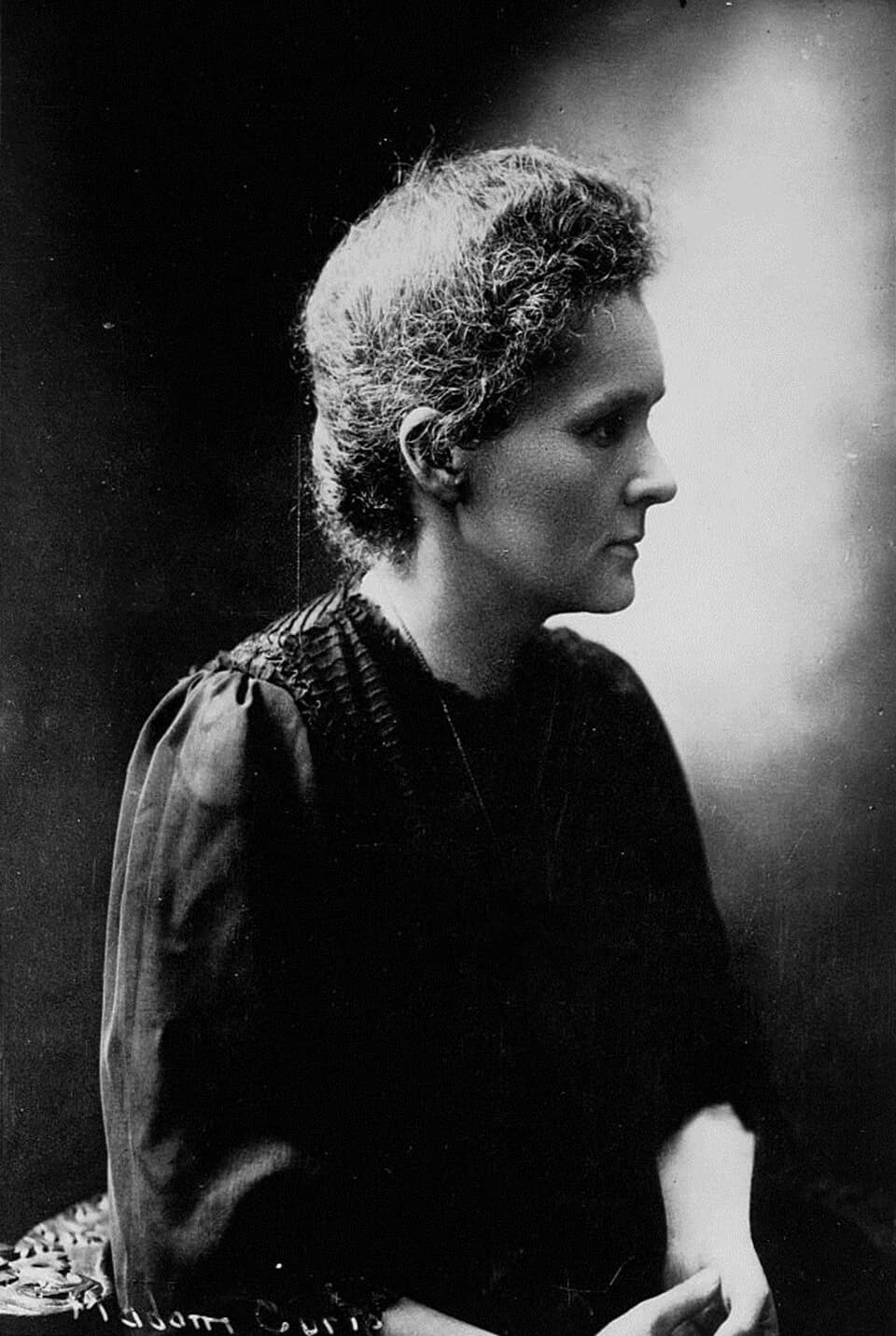
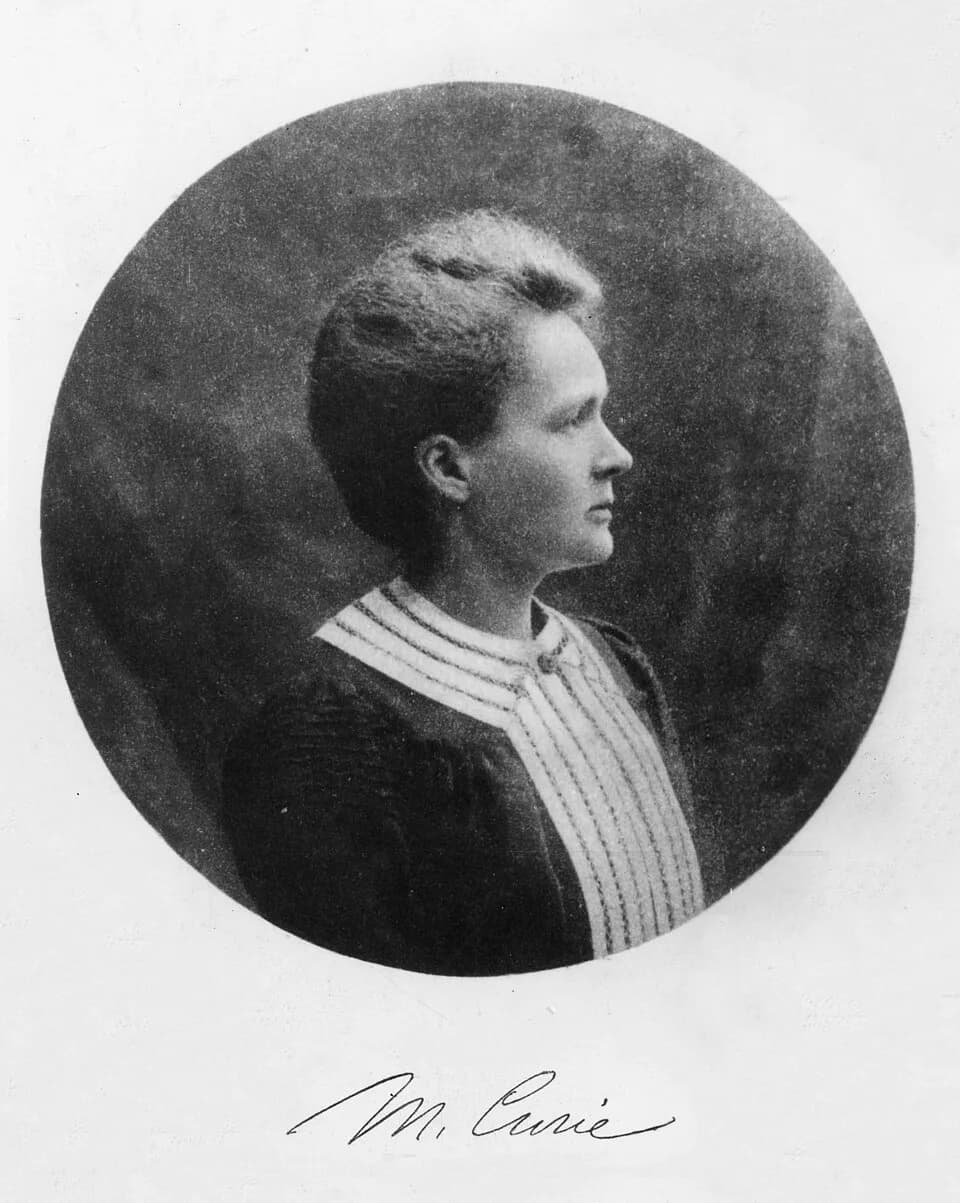
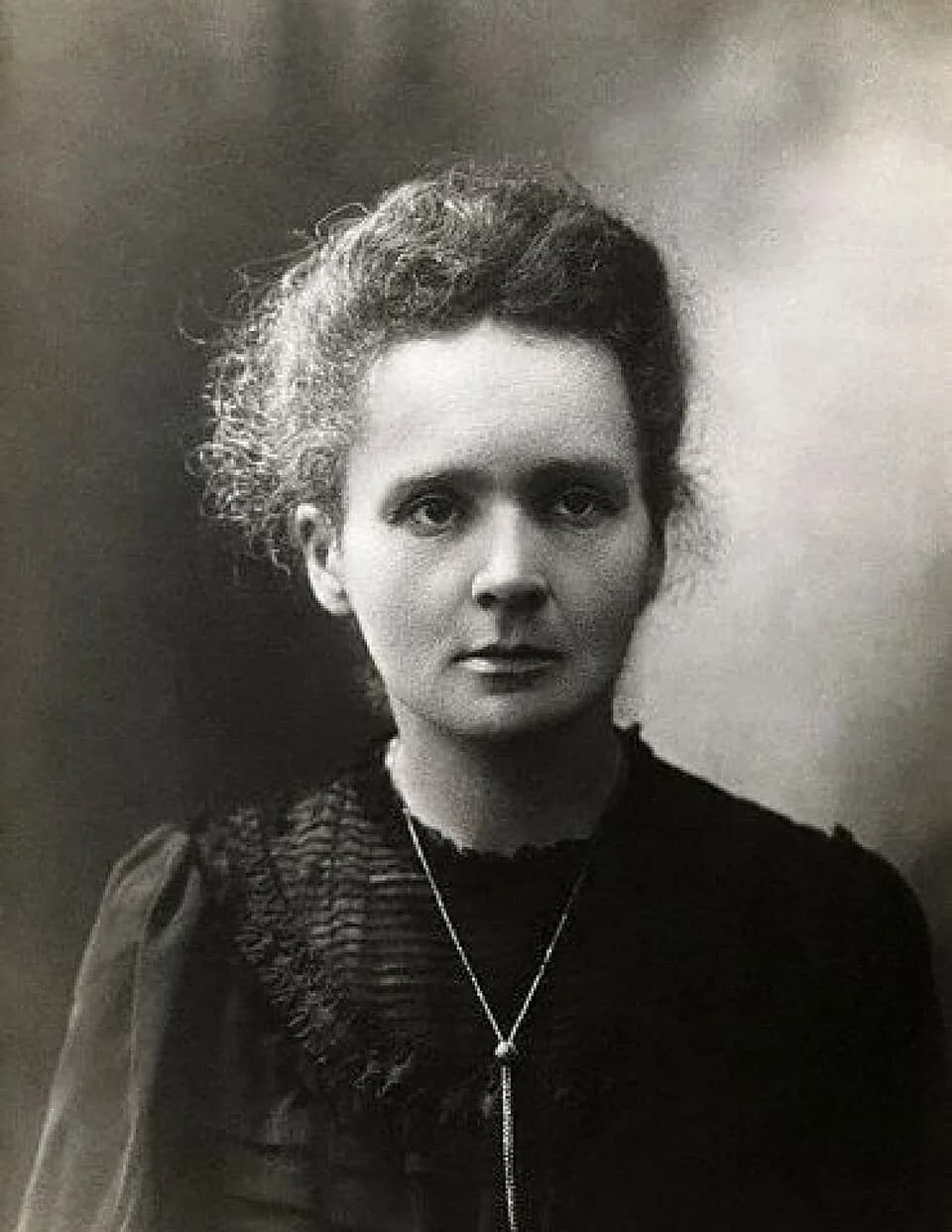
Marie Curie (1867–1934) was Poland best known for Polish-French physicist and chemist.
Marie Curie (November 7, 1867 – July 4, 1934) was a Polish-French physicist and chemist. She pioneered research on radioactivity, discovering the elements radium and polonium, and became a two-time Nobel Laureate. Her work profoundly advanced our understanding of the atomic world.
Hoofdstuk
Levenshoofdstukken
Hoofdstuk 1 · 1867· Hoofdstuk 1 van 8
Opening Tribute to a Scientific Pioneer
Marie Curie, born Maria Salomea Skłodowska Curie on November 7, 1867, and passing on July 4, 1934, was an extraordinary Polish-French physicist and chemist. Her pioneering work in radioactivity fundamentally changed scientific understanding. She was a dedicated university teacher whose contributions earned her two Nobel Prizes.
Hoofdstuk 2 · 1867· Hoofdstuk 2 van 8
Early Life and Origins
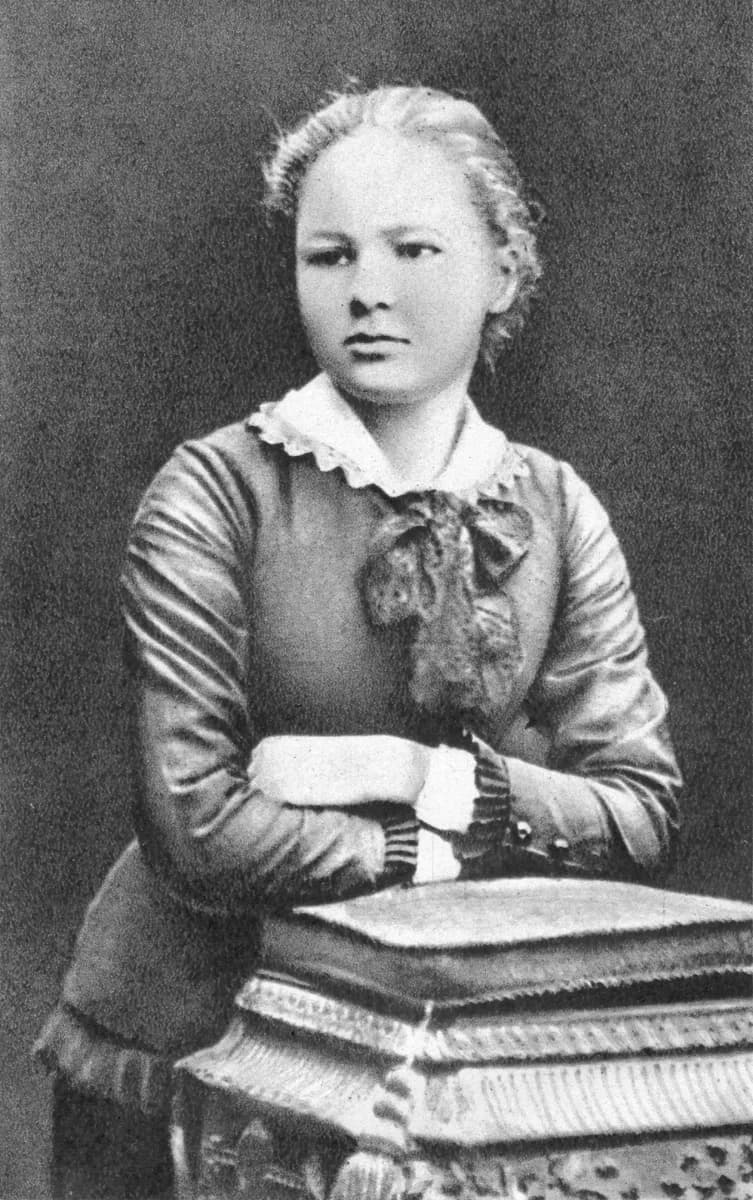
Maria Salomea Skłodowska was born in Warsaw, Poland, on November 7, 1867. Her early life in Poland laid the foundation for her later scientific pursuits. She later became naturalised-French through her work and marriage.
Hoofdstuk 3· Hoofdstuk 3 van 8
Career Beginnings and Collaborative Research
Marie Curie's scientific journey began with intense dedication to research. Her early investigations focused on phenomena related to radiation, a field that was just emerging. This early work eventually led to her historic collaborations.
She shared the 1903 Nobel Prize in Physics with her husband, Pierre Curie, and Professor Henri Becquerel. This award recognized their joint researches on the radioactivity phenomena discovered by Becquerel.
Hoofdstuk 4· Hoofdstuk 4 van 8
Major Achievements and Career Highlights
Marie Curie's career was marked by groundbreaking discoveries and unparalleled recognition. Beyond the shared Nobel Prize in Physics, she continued her independent research with relentless determination.
Her most significant solo achievement was winning the 1911 Nobel Prize in Chemistry. This prestigious award acknowledged her services to the advancement of chemistry, specifically for the discovery of the elements radium and polonium. It also cited her meticulous work on the isolation of radium and her comprehensive study of the nature and compounds of this remarkable element.
She was not only a researcher but also a committed university teacher. Her dual professional roles as a physicist and chemist allowed her to contribute to science through both discovery and education.
Hoofdstuk 5 · 1903· Hoofdstuk 5 van 8
Personal Life
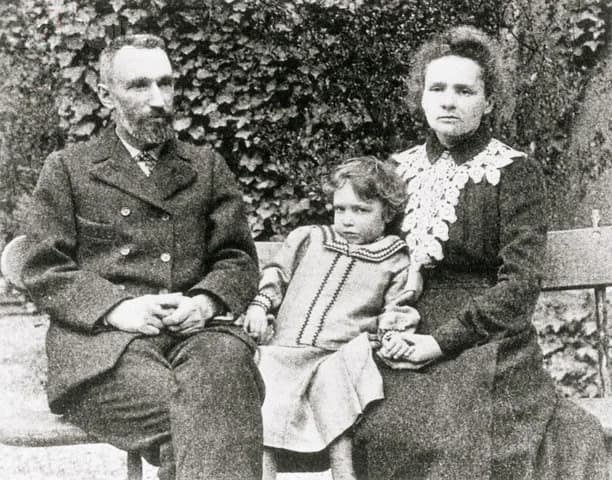
Marie Curie's personal life was intertwined with her scientific endeavors, most notably through her marriage to Pierre Curie. Together, they formed a formidable scientific partnership. Their joint researches on radioactivity led them to share the 1903 Nobel Prize in Physics, showcasing a union of intellectual pursuit and shared passion.
Hoofdstuk 6· Hoofdstuk 6 van 8
Notable Works and Scientific Contributions
Marie Curie's most significant contributions to science are her discoveries of the elements radium and polonium. These findings were meticulously detailed through her work on the isolation of radium. Her studies provided crucial insights into the nature and compounds of these radioactive elements.
Throughout her career, Marie Curie produced a substantial body of academic work, with an h-index of 5 and 21 papers. Her relentless pursuit of understanding radioactivity laid foundational knowledge for future generations of scientists.
Hoofdstuk 7 · 1934· Hoofdstuk 7 van 8
Later Years
Marie Curie continued her scientific work until her passing. She died on July 4, 1934, in Sancellemoz, France. Her contributions remained influential even in her final years, solidifying her place in scientific history.
Hoofdstuk 8· Hoofdstuk 8 van 8
Legacy and Lasting Impact
The legacy of Marie Curie extends far beyond her lifetime. Her discoveries of radium and polonium, and her pioneering research into radioactivity, forever transformed the fields of physics and chemistry. Her receipt of two Nobel Prizes, in two different scientific disciplines, stands as a testament to her extraordinary intellect and perseverance.
Her work laid the groundwork for countless advancements in medicine and atomic physics. Marie Curie's dedication to scientific exploration continues to inspire researchers worldwide. Her life exemplifies the power of curiosity and rigorous scientific inquiry.
Een leven in momenten
De momenten die een leven hebben gevormd
Veelgestelde vragen
Veelgestelde vragen
Wanneer is Marie Curie overleden?
Marie Curie overleed op 4 juli 1934 in Sancellemoz, France op 66-jarige leeftijd.
Waar werd Marie Curie geboren?
Marie Curie werd geboren in Warsaw, Poland op 7 november 1867.
Waar is Marie Curie het meest bekend om?
Marie Curie is het meest bekend om Polish-French physicist and chemist.
Hoe oud was Marie Curie bij overlijden?
Marie Curie was 66 jaar oud op het moment van overlijden.
Wat was de nationaliteit van Marie Curie?
Marie Curie kwam uit Poland.
Tijdlijn
Een leven in een oogopslag
Fotogalerij
Een leven in beelden
Klik op een polaroid om uit te vergroten · 23 foto's
QR-code
Deel deze biografie
Afdrukken en delen
Scan om deze biografiepagina te bezoeken. Druk af voor evenementen, tentoonstellingen of educatief materiaal.