Geboren
November 18, 1787
Cormeilles-en-Parisis, France
Overleden
July 10, 1851
Bry-sur-Marne, France
Bekend om
French scientist, artist and photographer
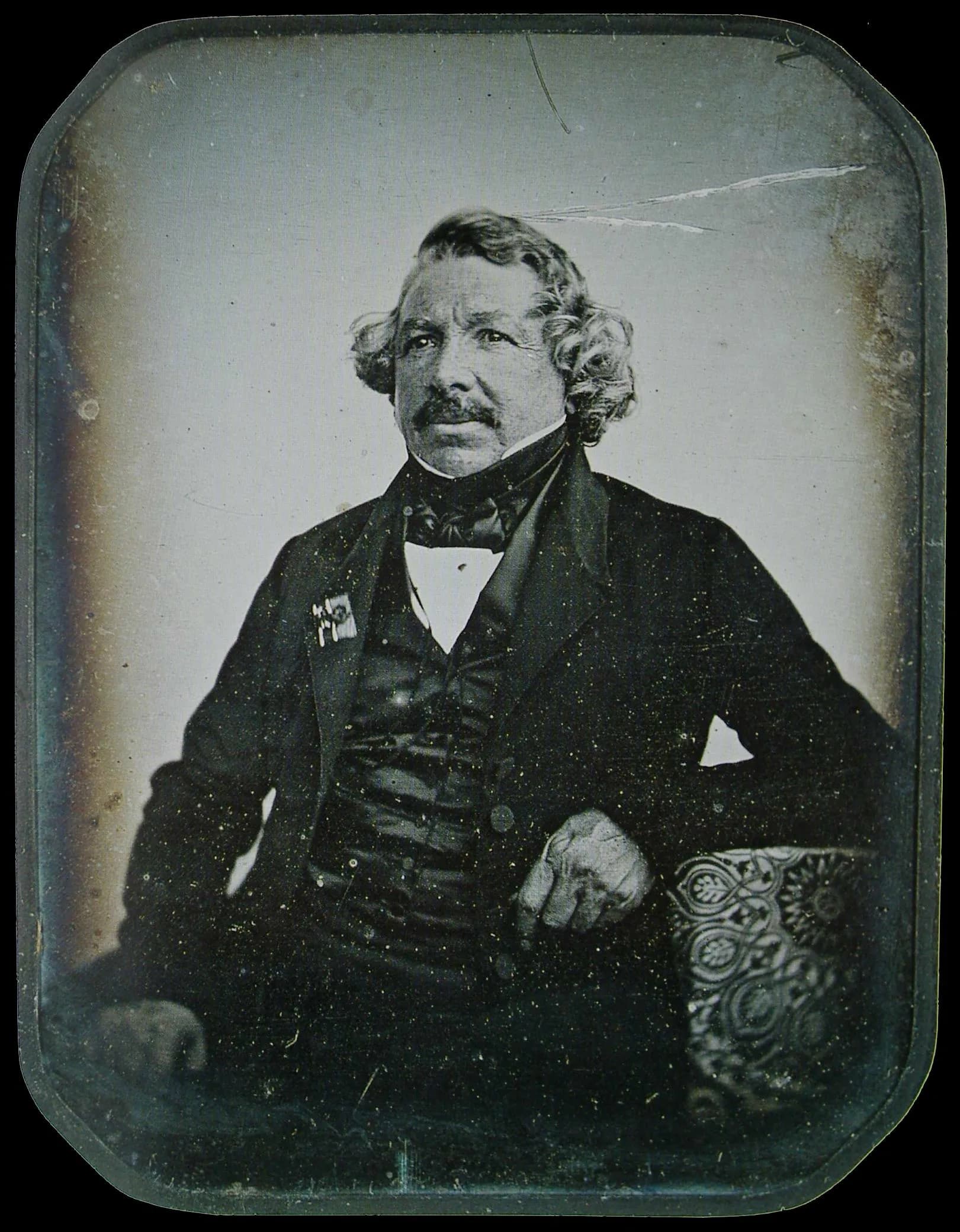
Louis Daguerre (1787–1851) was France best known for French scientist, artist and photographer.
Louis-Jacques-Mandé Daguerre (November 18, 1787 – July 10, 1851) was a French scientist, artist, and photographer from Cormeilles-en-Parisis. He is renowned for inventing the daguerreotype process, which established him as one of the fathers of photography. His innovations fundamentally shaped the future of visual art.
Hoofdstuk
Levenshoofdstukken
Hoofdstuk 1 · 1787· Hoofdstuk 1 van 7
Early Life and Origins
Louis Daguerre was born on November 18, 1787, in the charming commune of Cormeilles-en-Parisis, located in France. His early years in this region would set the stage for a life dedicated to artistic and scientific exploration. While specific details about his childhood and formal education are not widely documented, it is clear that his upbringing fostered a keen artistic sensibility and an inquisitive mind.
Hoofdstuk 2· Hoofdstuk 2 van 7
Career Beginnings
Daguerre's career initially blossomed in the arts, where he honed his skills as a painter and graphic artist. This foundation in visual expression naturally led him to the field of scenic design. He quickly became renowned for his innovative work in theatrical scenery, bringing new levels of realism and illusion to the stage. This artistic proficiency and his inventive spirit later culminated in his significant contributions to the diorama theatre, a unique form of entertainment that combined painting and lighting effects to create immersive spectacles that enthralled audiences.
Hoofdstuk 3· Hoofdstuk 3 van 7
Major Achievements and Career Highlights
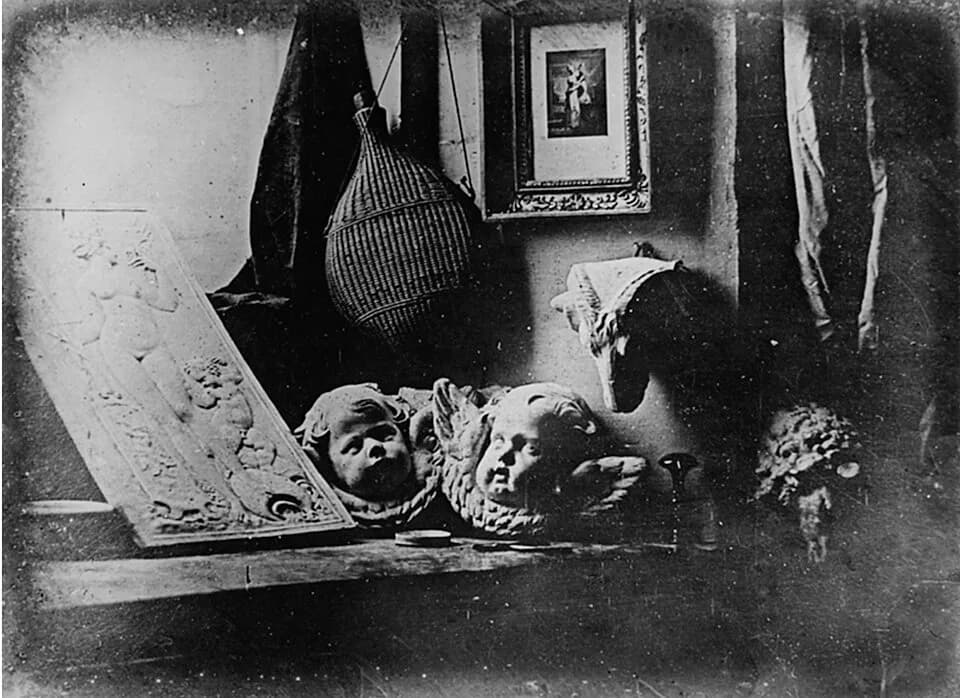
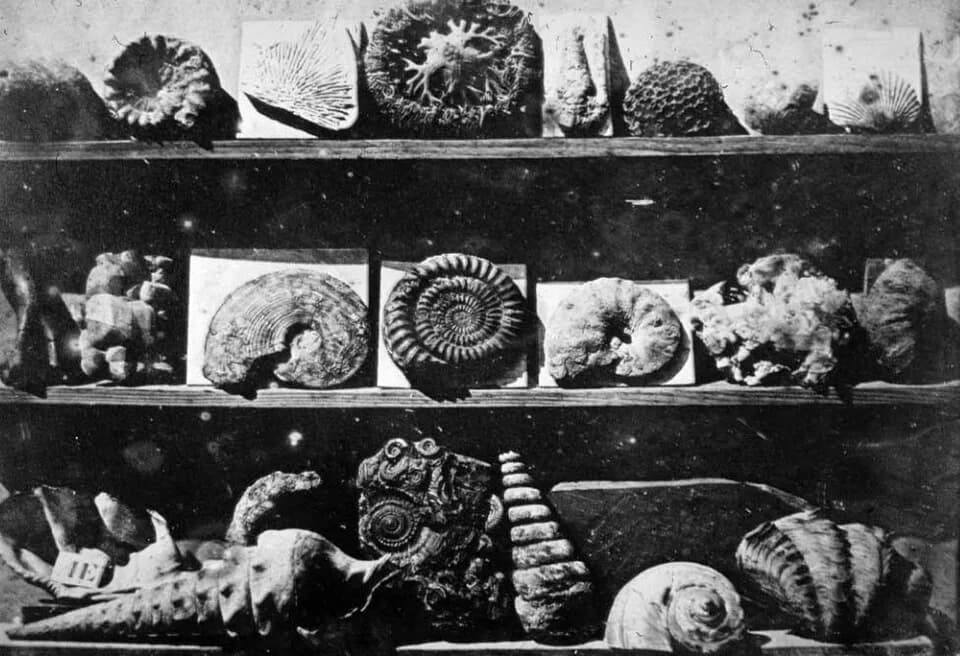
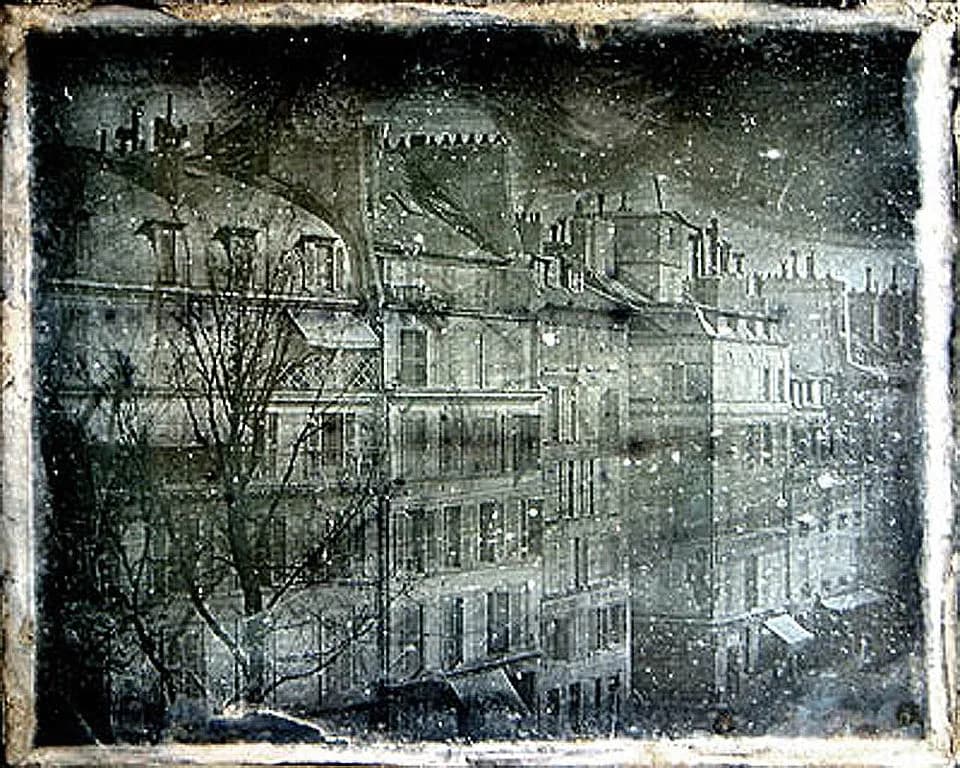
Daguerre's most enduring legacy is undoubtedly the invention of the daguerreotype, a photographic process that bore his name. This revolutionary technique allowed for the creation of incredibly detailed and permanent images, capturing reality with unprecedented fidelity. His relentless pursuit of this photographic method cemented his place in history as one of the central figures in the birth of photography.
His pioneering work earned him widespread recognition during his lifetime and beyond. He became universally acknowledged as one of the "fathers of photography," a title reflecting the significant influence of his contributions. Beyond the daguerreotype, his earlier work with the diorama theatre also represented a major achievement, enchanting audiences with its dynamic visual experiences.
Hoofdstuk 4· Hoofdstuk 4 van 7
Personal Life
While Louis Daguerre's professional achievements are well-documented and celebrated, details regarding his personal life, family, and relationships are less extensively recorded. He remained dedicated to his artistic and scientific pursuits throughout his life. His focus appeared to be primarily on the development and refinement of his innovative inventions and artistic endeavors.
Hoofdstuk 5· Hoofdstuk 5 van 7
Notable Works or Contributions
Daguerre's artistic talents extended beyond his photographic innovations. He produced compelling visual works, such as two known pieces titled "Study of a Landscape," both housed at the Art Institute of Chicago (AIC). These studies demonstrate his painterly skill and his keen eye for natural environments.
His influence is also evidenced by a letter of commendation he issued on June 30, 1846, for a "Panorama of Niagara Falls," now held by the Met Museum. This indicates his engagement with, and appreciation for, large-scale visual presentations. Additionally, his academic contributions include significant descriptive accounts of his inventions. His published works, such as "An historical and descriptive account of the various processes of the daguerréotype and the diorama" and "A practical description of that process called the daguerreotype," provide invaluable insights into his processes and theories. These texts, though often reprinted in later years, originated from his direct expertise and served to disseminate knowledge of his pioneering techniques.
Hoofdstuk 6 · 1851· Hoofdstuk 6 van 7
Later Years
Louis Daguerre continued to live a life deeply connected to his innovative spirit. He passed away on July 10, 1851, in Bry-sur-Marne, France, at the age of 63. His death marked the end of a life filled with artistic creation and scientific discovery. Even in his later years, his legacy was already well-established through the widespread adoption and wonder inspired by his photographic invention.
Hoofdstuk 7· Hoofdstuk 7 van 7
Legacy and Impact
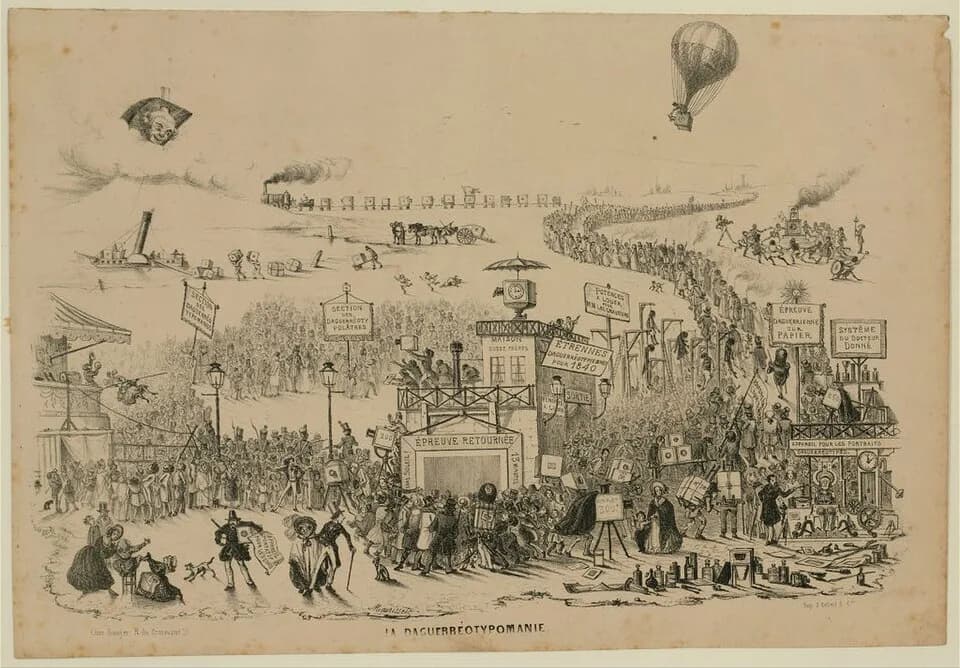
Louis Daguerre's legacy is immeasurable, primarily defined by his invention of the daguerreotype process. This method did more than just capture images; it democratized portraiture and historical record-keeping, making visual representation accessible to a wider public. He dramatically reshaped the artistic world, offering a new medium that combined scientific precision with artistic vision.
His status as one of the "fathers of photography" is a lasting tribute to his vision and perseverance. The principles and possibilities he unveiled continue to influence photographic and visual arts to this day. Through his work, Daguerre not only invented a technology but also inaugurated a new era of visual communication, leaving an enduring mark on human history.
Een leven in momenten
De momenten die een leven hebben gevormd
Veelgestelde vragen
Veelgestelde vragen
Wanneer is Louis Daguerre overleden?
Louis Daguerre overleed op 10 juli 1851 in Bry-sur-Marne, France op 63-jarige leeftijd.
Waar werd Louis Daguerre geboren?
Louis Daguerre werd geboren in Cormeilles-en-Parisis, France op 18 november 1787.
Waar is Louis Daguerre het meest bekend om?
Louis Daguerre is het meest bekend om French scientist, artist and photographer.
Hoe oud was Louis Daguerre bij overlijden?
Louis Daguerre was 63 jaar oud op het moment van overlijden.
Wat was de nationaliteit van Louis Daguerre?
Louis Daguerre kwam uit France.
Tijdlijn
Een leven in een oogopslag
Fotogalerij
Een leven in beelden
Klik op een polaroid om uit te vergroten · 48 foto's
QR-code
Deel deze biografie
Afdrukken en delen
Scan om deze biografiepagina te bezoeken. Druk af voor evenementen, tentoonstellingen of educatief materiaal.