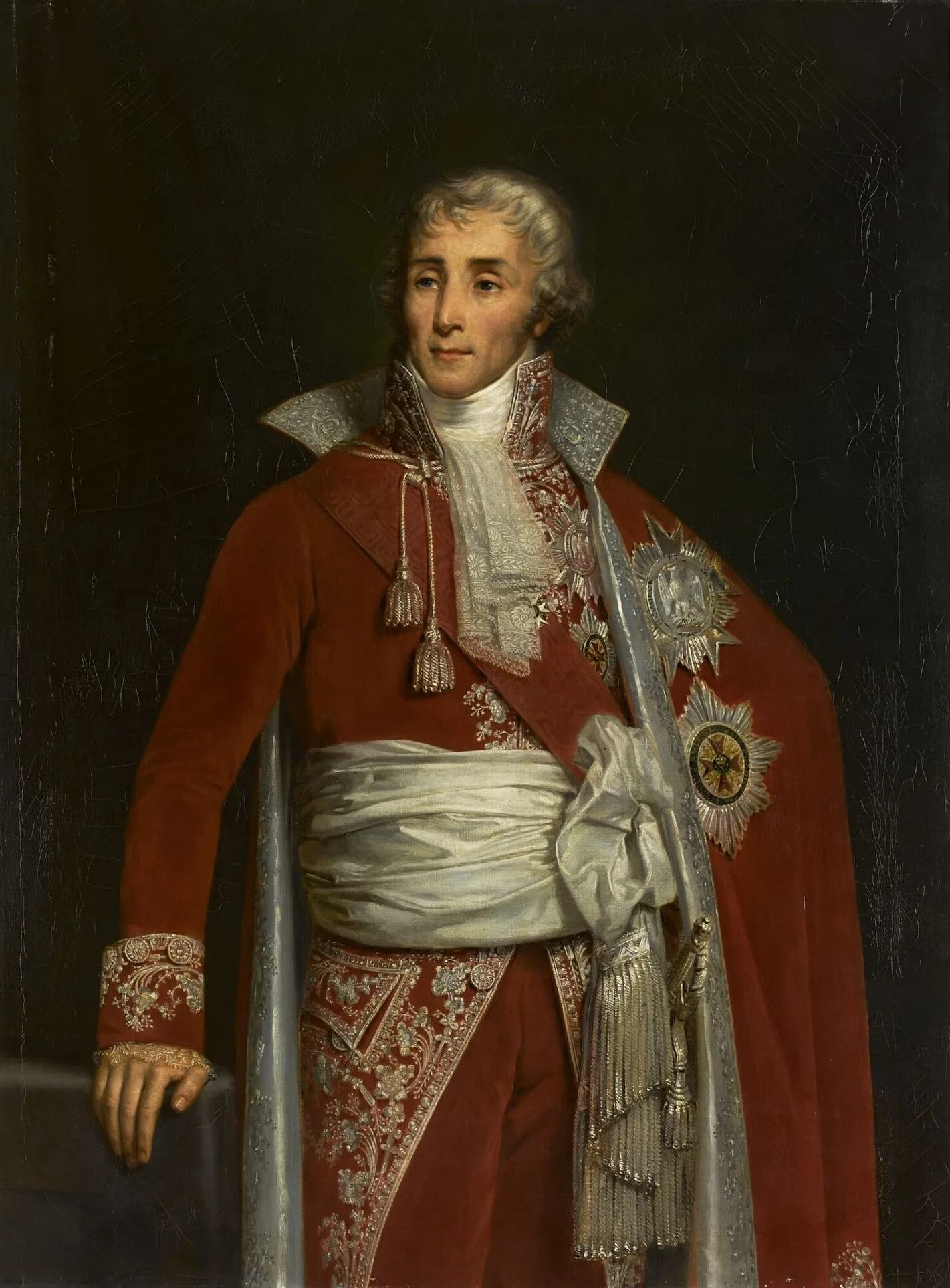
Geboren
May 21, 1759
Le Pellerin, France
Overleden
December 26, 1820
Trieste, Kingdom of Italy
Bekend om
French statesman
Joseph Fouché (1759–1820) was France best known for French statesman.
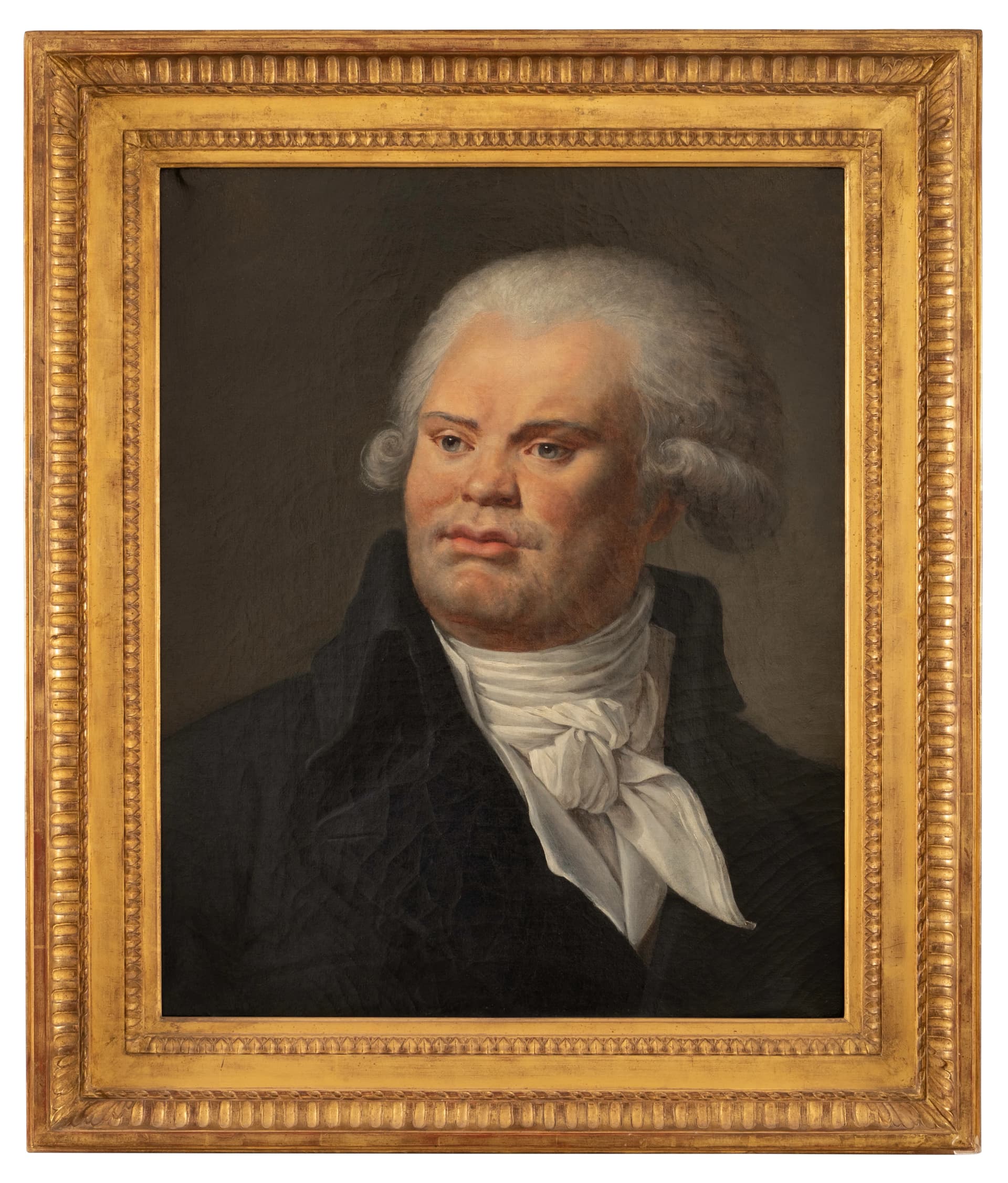
Joseph Fouché (May 21, 1759 – December 26, 1820) was a French statesman and Minister of Police. Known for skillfully suppressing the Lyon insurrection and his competence under Napoleon, his influence on state security was undeniable. He left a lasting legacy as a master of political intelligence.
Een leven in momenten
De momenten die een leven hebben gevormd
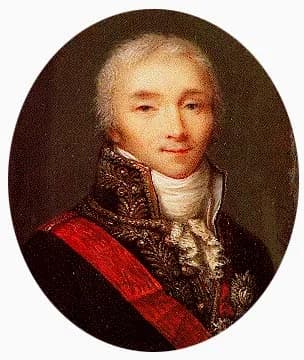
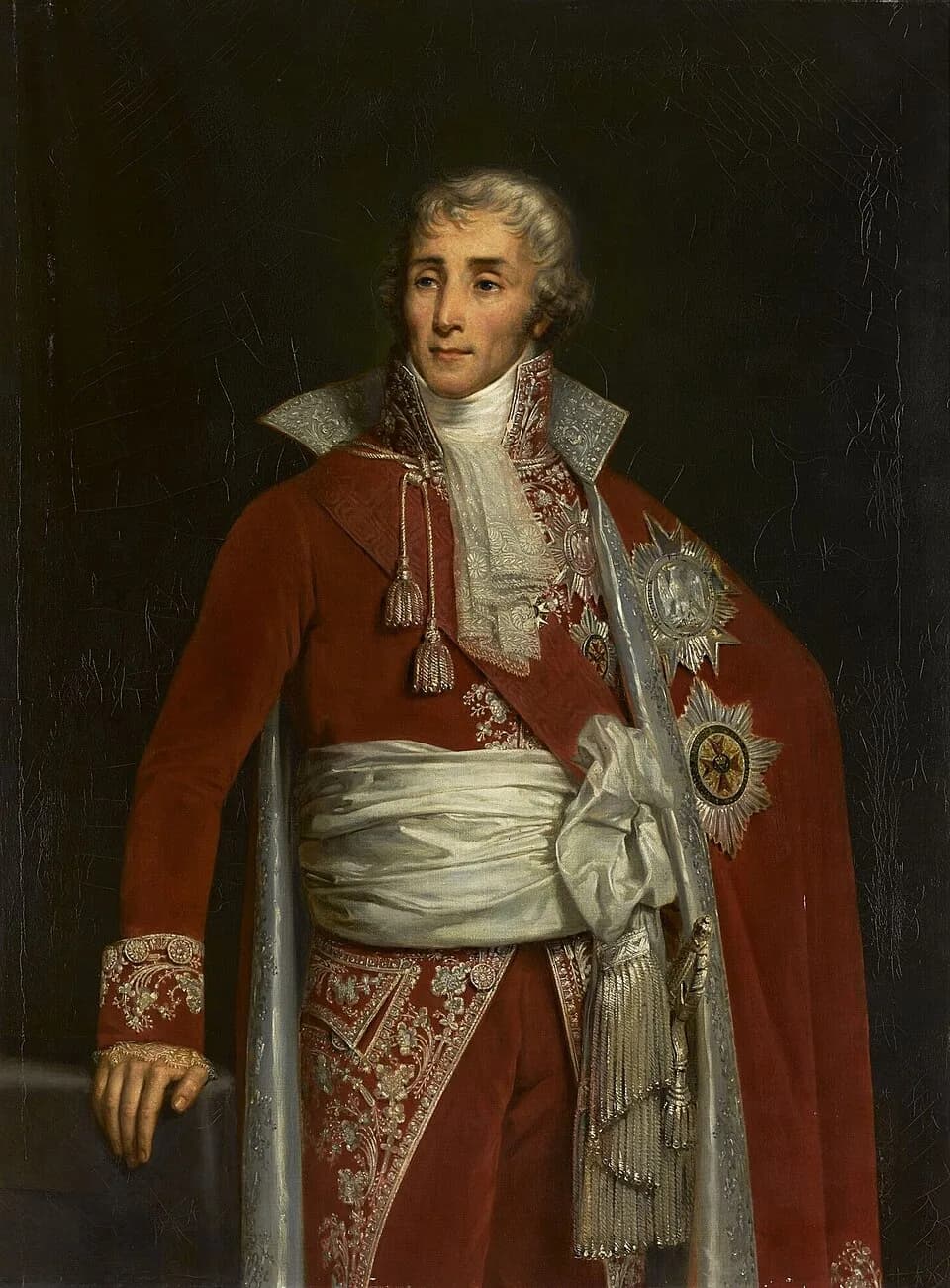
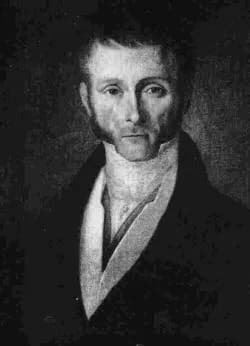
Hoofdstuk
Levenshoofdstukken
Hoofdstuk 1 · 1759· Hoofdstuk 1 van 8
Joseph Fouché: A Revolutionary Statesman
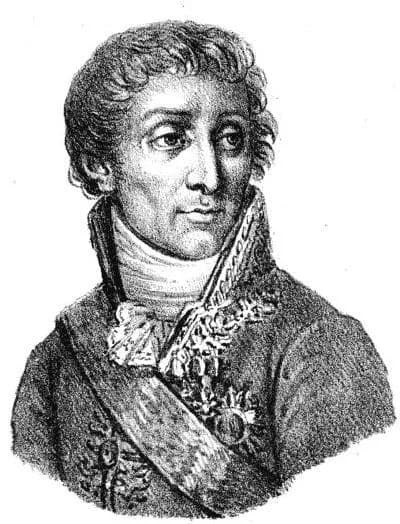
Joseph Fouché (1759–1820) was a French statesman whose influence during the revolutionary and Napoleonic eras was considerable and often controversial. Born in Le Pellerin, France, he ascended from relatively humble beginnings to become one of the most formidable and respected politicians of his time. He served primarily as Minister of Police under First Consul Napoleon Bonaparte, adeptly navigating complex political currents with a keen strategic mind and an extensive intelligence network.
Hoofdstuk 2 · 1759· Hoofdstuk 2 van 8
Early Life and Origins
Joseph Fouché was born on May 21, 1759, in Le Pellerin, a commune located in Loire-Atlantique, France. His early life involved a period as a teacher, a profession that undoubtedly honed his intellectual discipline and keen powers of observation. He later pursued studies in law, gaining further insight into legal frameworks and the intricacies of governance, which would prove invaluable in his political career.
Hoofdstuk 3· Hoofdstuk 3 van 8
Career Beginnings
Fouché transitioned from his early professions into the turbulent world of French politics during the tumultuous period of the Revolution. He quickly established himself as a prominent figure, demonstrating a pragmatic and often ruthless approach to political action. His career truly gained momentum with his active involvement in the unfolding events of the French Revolution, positioning him as a key player.
Hoofdstuk 4 · 1793· Hoofdstuk 4 van 8
Major Achievements and Career Highlights
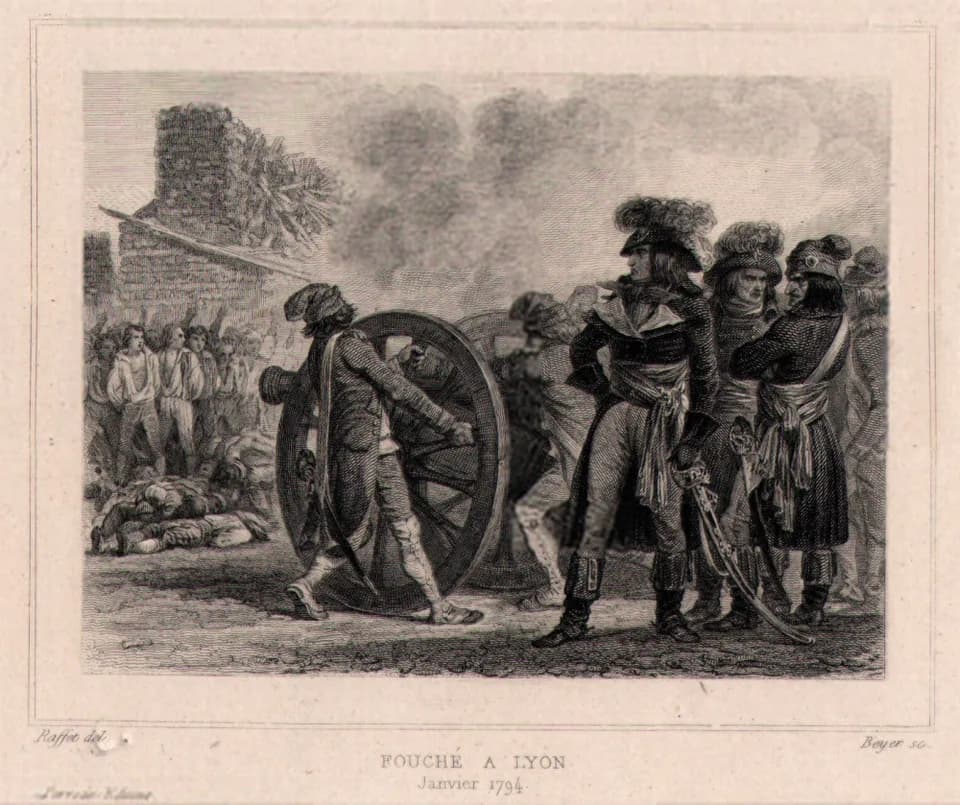
One of Fouché's most defining actions was his role in suppressing the Lyon insurrection in 1793, an act carried out with notorious ferocity and unwavering conviction. This event underscored his commitment to revolutionary principles and his willingness to employ decisive force when he deemed it necessary for the state. This period solidified his reputation as a formidable and unyielding political operator in the new republic.
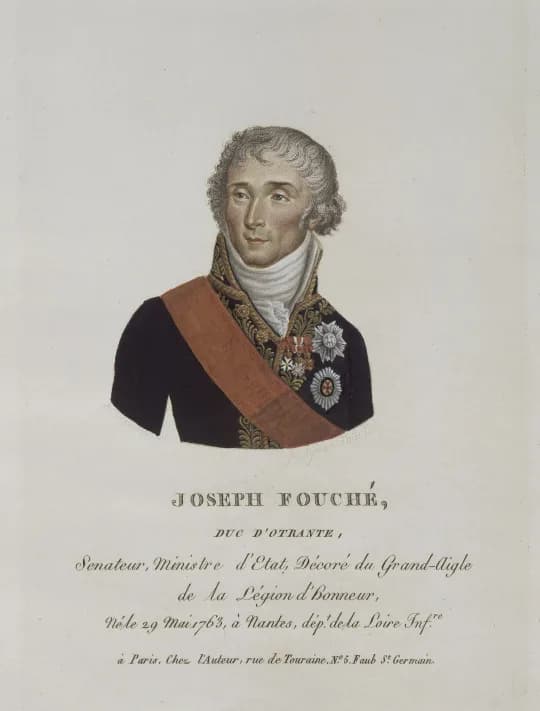
His exceptional competence as Minister of Police under the Directory, the Consulate, and the Empire became his most enduring contribution to French governance. Fouché established and maintained an extensive and effective intelligence network, making him a critical figure in upholding order and national security. He earned prestigious titles such as 1st Duc d'Otrante and 1st Comte Fouché, reflecting his elevated status and immense power within the state apparatus.
Fouché's remarkable political adaptability allowed him to serve as a subordinate to Emperor Napoleon, despite their often-strained and mistrustful relationship. In 1815, following Napoleon's abdication, he assumed a crucial role as President of the Executive Commission, serving as the provisional government of France. This position highlighted his unparalleled ability to remain relevant and influential across successive and often opposing regimes.
Hoofdstuk 5· Hoofdstuk 5 van 8
Personal Life
While specific details about Joseph Fouché's personal life and family relationships are not extensively emphasized in historical records, his existence was largely consumed by his public service and complex political machinations. His enduring legacy is inextricably linked to his official capacities and his immense impact on the state. His extraordinary political career and public duties overshadowed most private aspects of his life.
Hoofdstuk 6· Hoofdstuk 6 van 8
Notable Works or Contributions
Joseph Fouché left behind several published works, offering valuable direct insights into his mind and the intricate political climate of his era. Among these are his multi-volume "Mémoires de Joseph Fouché," which have also been translated into English as "Memoirs of Joseph Fouché, Duke of Otranto." These memoirs serve as a primary historical source for understanding his strategies and unique perspectives.
Other important contributions include "Police Secrète du Premier Empire" and "Bulletins Quotidiens Adressés Par Fouché à l'empereur," which reveal the daily intelligence operations under his formidable command. These documents provide a unique window into the mechanics of state surveillance and control during a turbulent and transformative period. The availability of his memoirs in various translations, such as "Memoirs; Translated from the French," made his story and insights accessible to a broader international audience.
Hoofdstuk 7 · 1815· Hoofdstuk 7 van 8
Later Years
Following the tumultuous events of 1815, Joseph Fouché's prominent political career gradually concluded as the European political order stabilized. He spent his final years in exile, a common fate for many of the leading figures of the Napoleonic era. Joseph Fouché passed away on December 26, 1820, in Trieste, then part of the Kingdom of Italy, far from the French political stage he had once so dominantly controlled.
Hoofdstuk 8· Hoofdstuk 8 van 8
Legacy and Impact
Joseph Fouché is remembered as a master of political survival and an architect of modern police intelligence, whose methods were both effective and controversial. His meticulously constructed intelligence network and efficient administrative techniques set significant precedents for future state security apparatuses. He remains a figure of intense historical debate and scholarly fascination, embodying the complex ethical dilemmas of revolutionary France.
His remarkable ability to navigate shifting loyalties and maintain influence across various, often hostile, regimes speaks to his extraordinary cunning and strategic brilliance. Fouché's impact on French governance and internal security was undeniable, leaving a lasting and significant mark on the development of modern statecraft. His ducal title, Duke of Otranto, is frequently used in English texts to refer to his esteemed historical position and lasting influence.
Veelgestelde vragen
Veelgestelde vragen
Wanneer is Joseph Fouché overleden?
Joseph Fouché overleed op 26 december 1820 in Trieste, Kingdom of Italy op 61-jarige leeftijd.
Waar werd Joseph Fouché geboren?
Joseph Fouché werd geboren in Le Pellerin, France op 21 mei 1759.
Waar is Joseph Fouché het meest bekend om?
Joseph Fouché is het meest bekend om French statesman.
Hoe oud was Joseph Fouché bij overlijden?
Joseph Fouché was 61 jaar oud op het moment van overlijden.
Wat was de nationaliteit van Joseph Fouché?
Joseph Fouché kwam uit France.
Tijdlijn
Een leven in een oogopslag
Fotogalerij
Een leven in beelden
Klik op een polaroid om uit te vergroten · 45 foto's
QR-code
Deel deze biografie
Afdrukken en delen
Scan om deze biografiepagina te bezoeken. Druk af voor evenementen, tentoonstellingen of educatief materiaal.