Geboren
December 19, 1910
6th arrondissement of Paris, France
Overleden
April 14, 1986
13th arrondissement of Paris, France
Bekend om
French novelist, playwright, poet and political activist
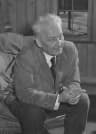
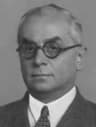
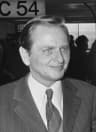
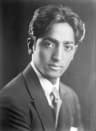
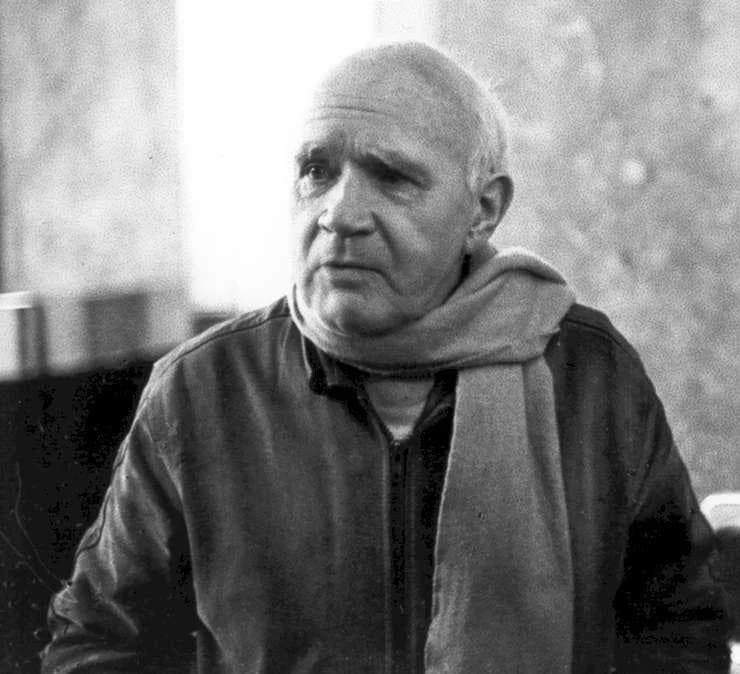
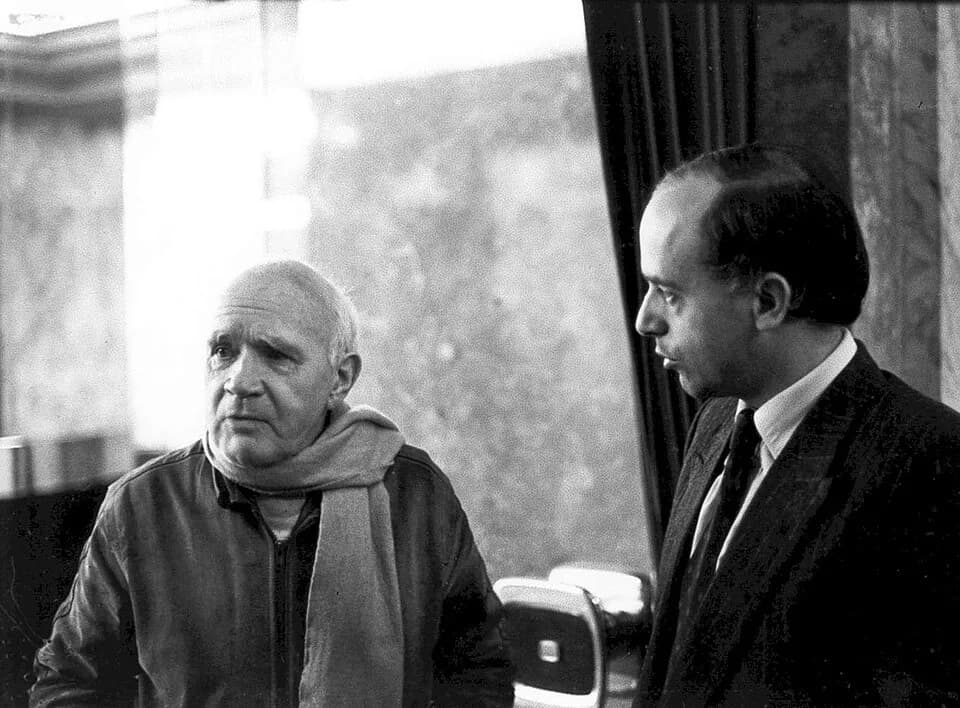
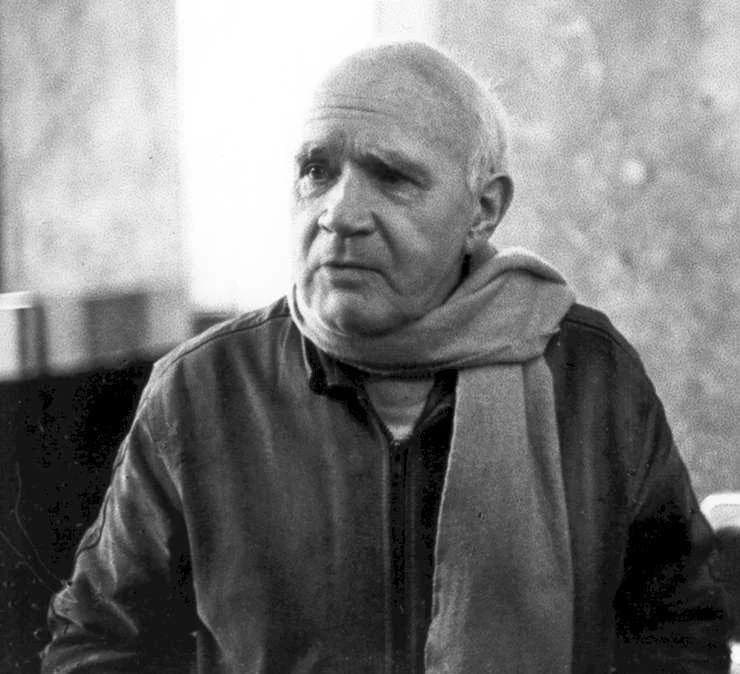
Jean Genet (1910–1986) was France best known for French novelist, playwright, poet and political activist.
Jean Genet (December 19, 1910 – April 14, 1986) was a French novelist, playwright, poet, and political activist from Paris, France. He was known for his innovative novels like <i>The Thief's Journal</i> and plays such as <i>The Balcony</i>. Genet's work explored themes of crime, sexuality, and identity.
Hoofdstuk
Levenshoofdstukken
Hoofdstuk 1 · 1910· Hoofdstuk 1 van 7
Early Life and Origins
Born on December 19, 1910, in the 6th arrondissement of Paris, France, Jean Genet’s formative years were characterized by significant adversity. He spent a considerable portion of his youth as a vagabond, often involved in petty criminal activities. These challenging experiences deeply shaped his worldview, providing him with a unique and often stark understanding of individuals existing outside conventional societal structures. This difficult beginning served as a crucial wellspring for the authentic and raw literary themes he would later explore in his writing.
Hoofdstuk 2· Hoofdstuk 2 van 7
Career Beginnings
Despite a turbulent early life, Genet underwent a significant personal and professional transformation, moving from a life of petty crime to becoming a renowned writer and playwright. This dramatic shift marked the true genesis of his extraordinary literary career. He began to meticulously channel his unique experiences and keen observations of marginalization into powerful and provocative narratives. It was through the written word that he discovered and honed his distinctive voice, giving unparalleled authenticity to his compelling stories.
Hoofdstuk 3· Hoofdstuk 3 van 7
Major Achievements and Career Highlights
Jean Genet ascended to international prominence as a highly distinguished French novelist, playwright, poet, essayist, and political activist. His singular literary style, often characterized by its directness and controversial subject matter, firmly established him as a preeminent figure in modern literature. Genet consistently challenged entrenched societal moralities and delved into the complexities of human existence with an unwavering, unflinching gaze. His innovative work garnered widespread recognition, solidifying his reputation as both a fearless artist and a master storyteller.
Hoofdstuk 4· Hoofdstuk 4 van 7
Personal Life
While specific details about Jean Genet's private family and relationships are not extensively provided in the given data, his personal experiences were undeniably intertwined with his artistic output. His early life as a vagabond and criminal deeply influenced the themes and characters within his literary creations. Genet's dedication to political activism later in life also demonstrates a strong commitment to societal issues, reflecting a personal investment in justice and human rights for marginalized communities.
Hoofdstuk 5 · 1950· Hoofdstuk 5 van 7
Notable Works and Contributions
Genet's impressive body of work includes several highly influential novels, most notably The Thief's Journal and Our Lady of the Flowers (Nuestra Señora de las Flores). These fictional narratives compellingly explore the lives of society's outcasts and criminals, offering subversive insights into desire, power, and identity. His dramatic contributions are equally celebrated and significant, with iconic plays such as The Balcony (Le balcon), The Maids (Maids), and The Screens challenging both theatrical conventions and deeply held societal expectations. Other significant literary pieces from his extensive bibliography include Miracle de la rose, Pompes funèbres, L'atelier d'Alberto Giacometti, Lettre à Leonor Fini, Here and now for Bobby Seale, Soledad Brother, and La galère. Beyond his literary achievements, Genet also contributed to the medium of film, with notable entries in his filmography including Disorder (1950) and Ulysse ou les Mauvaises Rencontres (1949).
Hoofdstuk 6 · 1986· Hoofdstuk 6 van 7
Later Years
Jean Genet maintained his vigorous creative output and dedicated political engagement throughout his life, consistently utilizing his influential artistic platform to advocate for social justice. He remained a prominent public figure, actively participating in and supporting various political movements. Genet passed away on April 14, 1986, in the 13th arrondissement of Paris, France. His final years were marked by ongoing literary endeavors and continued reflection on the pressing social and political issues that had so thoroughly defined his remarkable career.
Hoofdstuk 7· Hoofdstuk 7 van 7
Legacy and Impact
The lasting legacy of Jean Genet as both a writer and an activist continues to powerfully influence and inspire successive generations of artists, intellectuals, and thinkers across various disciplines. His audacious and often provocative exploration of societal taboos, coupled with his distinctive and unforgettable literary style, fundamentally reshaped perceptions of morality, identity, and existential freedom in the 20th century. Genet is rightfully remembered not solely for his significant and lasting literary contributions to French literature, but also for his unwavering courage in challenging established authority and his steadfast commitment to championing the voices of the marginalized.
Een leven in momenten
De momenten die een leven hebben gevormd
Veelgestelde vragen
Veelgestelde vragen
Wanneer is Jean Genet overleden?
Jean Genet overleed op 14 april 1986 in 13th arrondissement of Paris, France op 75-jarige leeftijd.
Waar werd Jean Genet geboren?
Jean Genet werd geboren in 6th arrondissement of Paris, France op 19 december 1910.
Waar is Jean Genet het meest bekend om?
Jean Genet is het meest bekend om French novelist, playwright, poet and political activist.
Hoe oud was Jean Genet bij overlijden?
Jean Genet was 75 jaar oud op het moment van overlijden.
Wat was de nationaliteit van Jean Genet?
Jean Genet kwam uit France.
Tijdlijn
Een leven in een oogopslag
Fotogalerij
Een leven in beelden
Klik op een polaroid om uit te vergroten · 47 foto's
QR-code
Deel deze biografie
Afdrukken en delen
Scan om deze biografiepagina te bezoeken. Druk af voor evenementen, tentoonstellingen of educatief materiaal.