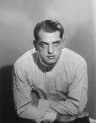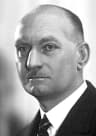
Geboren
September 20, 1900
Messejana, Brazil
Overleden
July 18, 1967
Fortaleza, Brazil
Bekend om
Brazilian military leader and politician; former President of Brazil
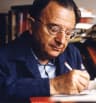
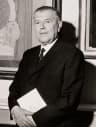
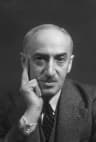
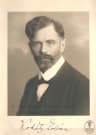
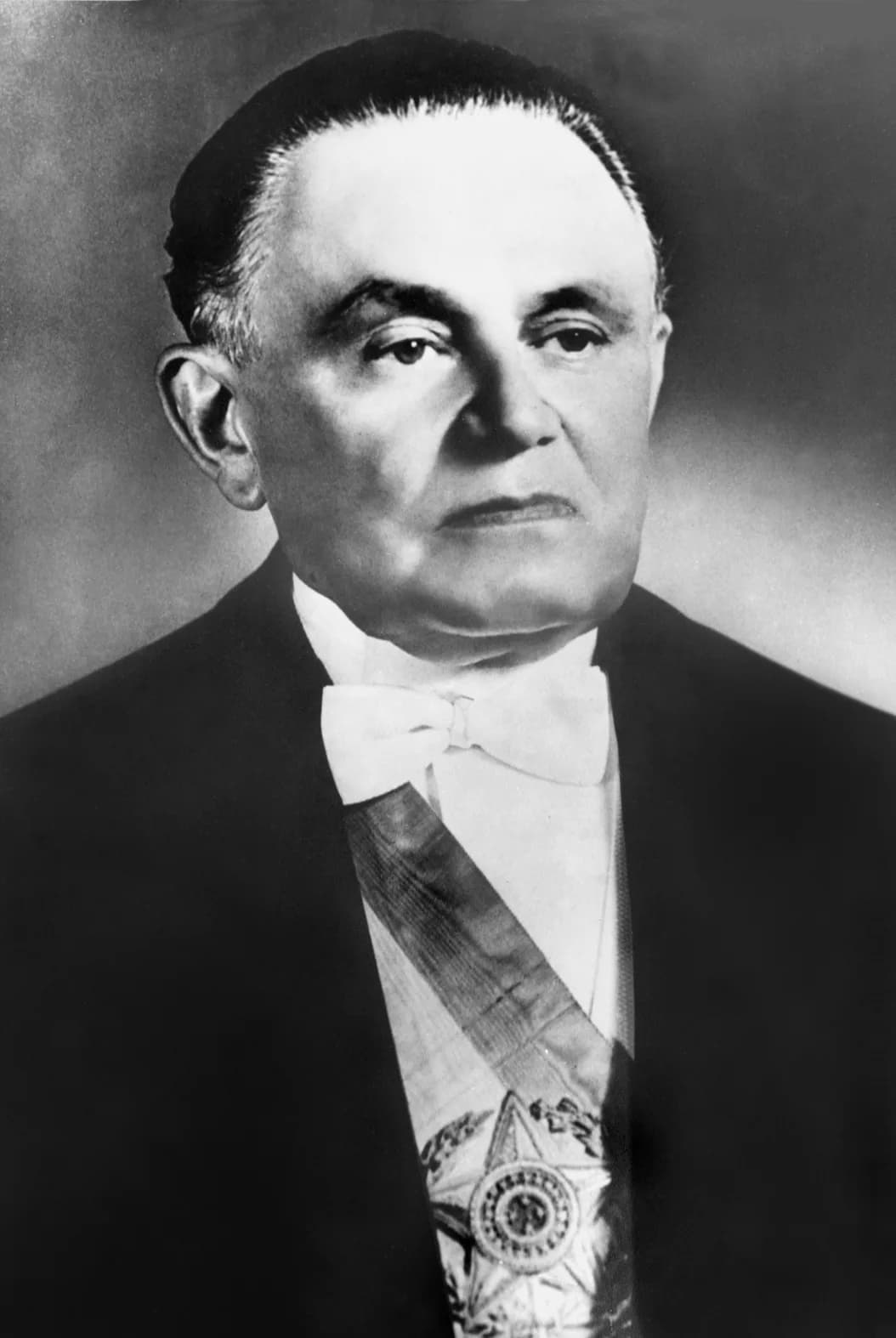
Humberto Castelo Branco (1900–1967) was Brazil best known for Brazilian military leader and politician; former President of Brazil.
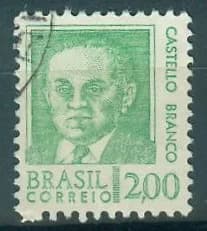
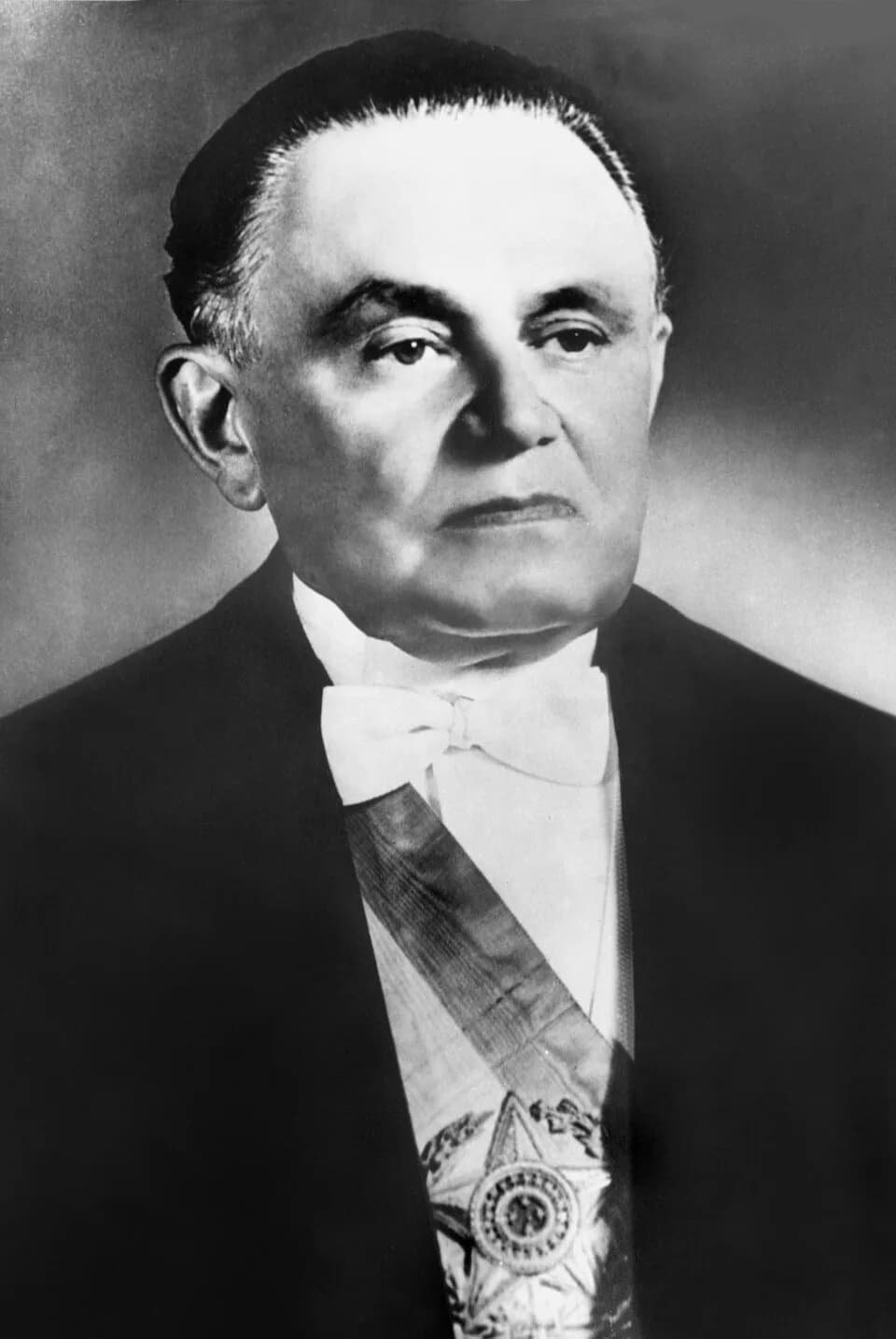
Humberto Castelo Branco (September 20, 1900 – July 18, 1967) was a Brazilian military officer and politician. He served as the 26th President of Brazil, leading the military dictatorship after the 1964 coup. His legacy is defined by this initial period of military rule.
Hoofdstuk
Levenshoofdstukken
Hoofdstuk 1 · 1900· Hoofdstuk 1 van 7
Early Life and Origins
Humberto Castelo Branco was born on September 20, 1900, in Messejana, Brazil, a town that served as his formative ground. His early years in this Brazilian locale undoubtedly contributed to his foundational experiences and perspectives. The precise details of his family background and childhood upbringing are not extensively provided, yet his origin in Messejana firmly establishes his connection to the rich cultural and geographical fabric of Brazil. This early life in his home country laid the groundwork for his future dedication to national service.
Hoofdstuk 2· Hoofdstuk 2 van 7
Career Beginnings in the Military
Castelo Branco chose a career in the military, a path that would ultimately lead him to national prominence. His early days as military personnel were dedicated to rigorous training and various assignments, which honed his leadership abilities and strategic thinking. This disciplined environment of the armed forces provided him with a robust foundation, preparing him for the complex challenges he would face. His commitment to military service fostered a deep understanding of governance and national security, essential for his later political roles.
Hoofdstuk 3 · 1964· Hoofdstuk 3 van 7
Ascension to the Presidency
A major achievement in Humberto Castelo Branco's career was his ascension to the 26th presidency of Brazil, a position of immense power and responsibility. This significant milestone occurred in the wake of the 1964 coup d'état, which fundamentally altered the political situation of the nation. As president, he stood at the helm during a period of great change, leading the country through its transition into military rule. His inauguration marked the beginning of a new era in Brazilian governance, positioning him as a central figure in a defining moment.
Hoofdstuk 4· Hoofdstuk 4 van 7
Leadership of the Military Dictatorship
As president, Castelo Branco became the first leader of the Brazilian military dictatorship, a designation that clearly outlines the nature of his governmental role. This new form of administration placed him at the forefront of national policy and decision-making during a period characterized by a shift from democratic norms. His leadership during these early years established precedents and laid the groundwork for the military's prolonged control. He governed during a time when the Brazilian state underwent substantial structural and ideological changes under military authority.
Hoofdstuk 5· Hoofdstuk 5 van 7
The "Legalist" Faction
Humberto Castelo Branco was notably identified as a member of a more liberal "legalist" faction within the military regime itself. This particular distinction is crucial for understanding his approach to leadership during the dictatorship. His adherence to a "legalist" perspective suggested an emphasis on maintaining a framework of law, even within an authoritarian system. This faction sought to operate within certain defined parameters, striving for a more ordered and perhaps less arbitrary exercise of power.
Hoofdstuk 6 · 1967· Hoofdstuk 6 van 7
Contrast with Successors and End of Term
His "legalist" stance importantly contrasted with the more authoritarian tendencies of his successors in the Brazilian military dictatorship. Castelo Branco's leadership style and policy decisions reflected this difference, aiming for a degree of moderation compared to later, more repressive periods. He concluded his term, and his life came to an end on July 18, 1967, in Fortaleza, Brazil. His death, in the same state as his birth, marked the close of a career deeply involved in the highest echelons of Brazilian power.
Hoofdstuk 7· Hoofdstuk 7 van 7
Legacy and Historical Impact
The legacy of Humberto Castelo Branco is inextricably linked to his role as the inaugural president of Brazil's military dictatorship. He initiated a period that would reshape the nation's political, economic, and social fabric for an extended duration. His policies and governance during the initial phase of military rule established key directives and set the trajectory for subsequent years. Scholars and citizens alike continue to assess the many lasting effects of his time in office on Brazil's development.
Castelo Branco's position as a "legalist" within the regime offers an important lens through which to view his overall historical impact. This distinction highlights the internal dynamics and differing philosophies present even within an authoritarian structure. He played a singular role in articulating and implementing the early vision of the military government, influencing how the dictatorship commenced and evolved. His contributions remain a significant chapter in the broader narrative of 20th-century Brazilian history.
Een leven in momenten
De momenten die een leven hebben gevormd
Veelgestelde vragen
Veelgestelde vragen
Wanneer is Humberto Castelo Branco overleden?
Humberto Castelo Branco overleed op 18 juli 1967 in Fortaleza, Brazil op 66-jarige leeftijd.
Waar werd Humberto Castelo Branco geboren?
Humberto Castelo Branco werd geboren in Messejana, Brazil op 20 september 1900.
Waar is Humberto Castelo Branco het meest bekend om?
Humberto Castelo Branco is het meest bekend om Brazilian military leader and politician; former President of Brazil.
Hoe oud was Humberto Castelo Branco bij overlijden?
Humberto Castelo Branco was 66 jaar oud op het moment van overlijden.
Wat was de nationaliteit van Humberto Castelo Branco?
Humberto Castelo Branco kwam uit Brazil.
Tijdlijn
Een leven in een oogopslag
Fotogalerij
Een leven in beelden
Klik op een polaroid om uit te vergroten · 22 foto's
QR-code
Deel deze biografie
Afdrukken en delen
Scan om deze biografiepagina te bezoeken. Druk af voor evenementen, tentoonstellingen of educatief materiaal.