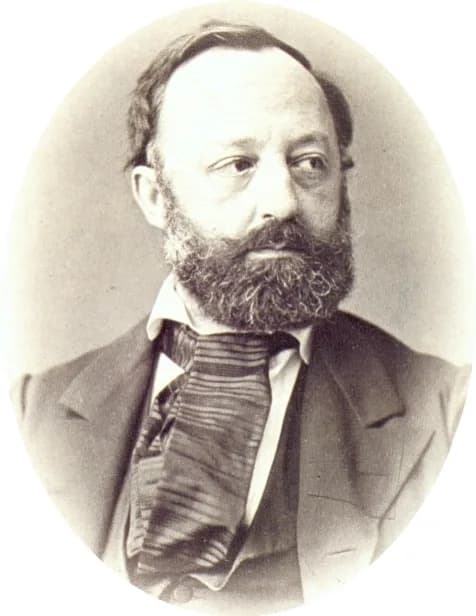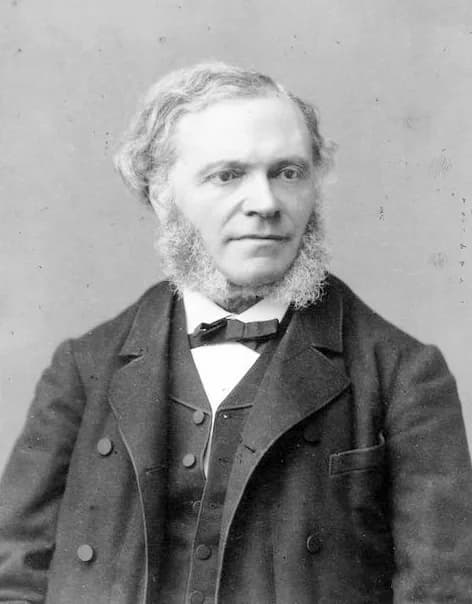
Geboren
December 10, 1822
Liège, Belgium
Overleden
November 8, 1890
boulevard Saint-Michel, France
Bekend om
Belgian-French composer and organist
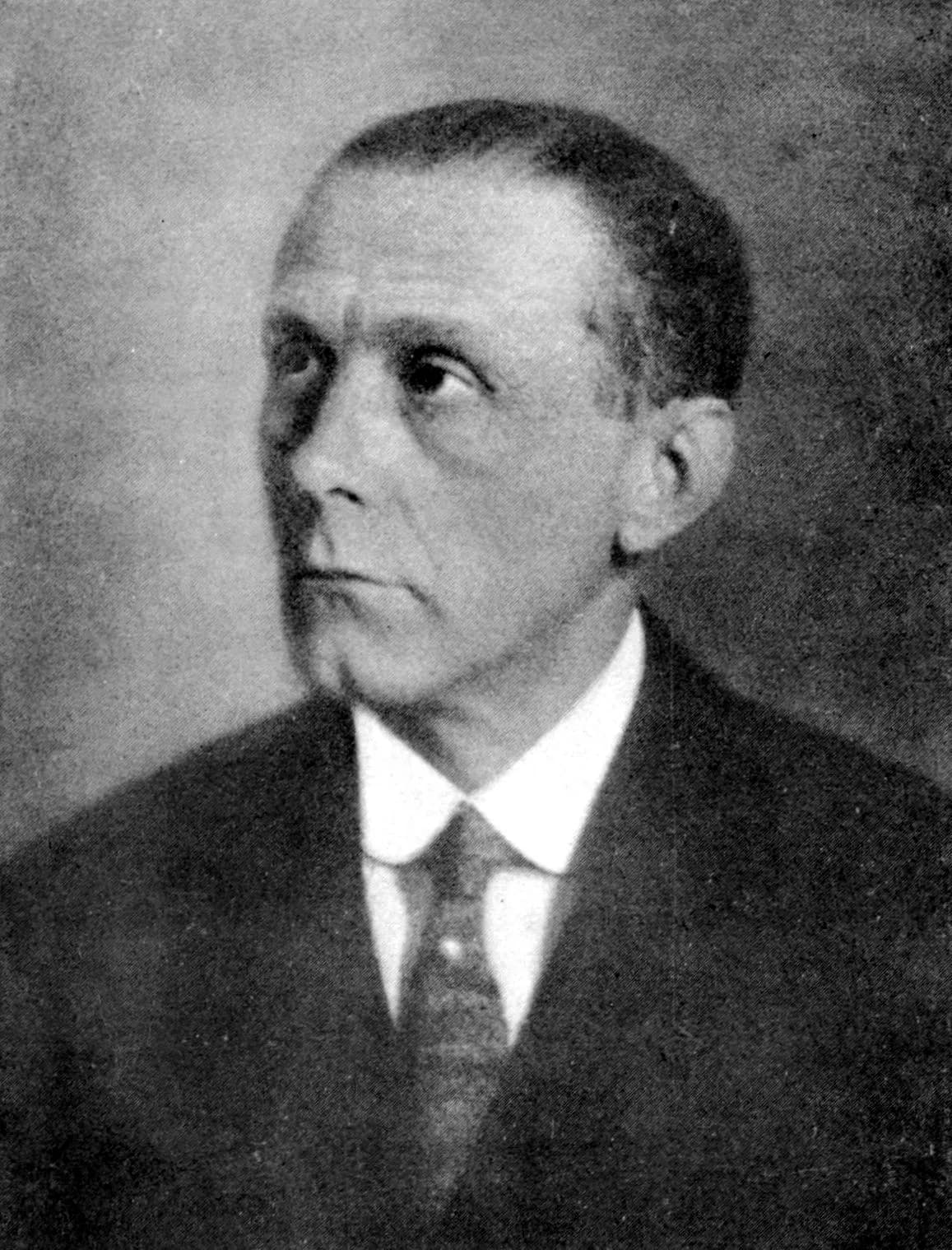
César Franck (1822–1890) was Belgium best known for Belgian-French composer and organist.
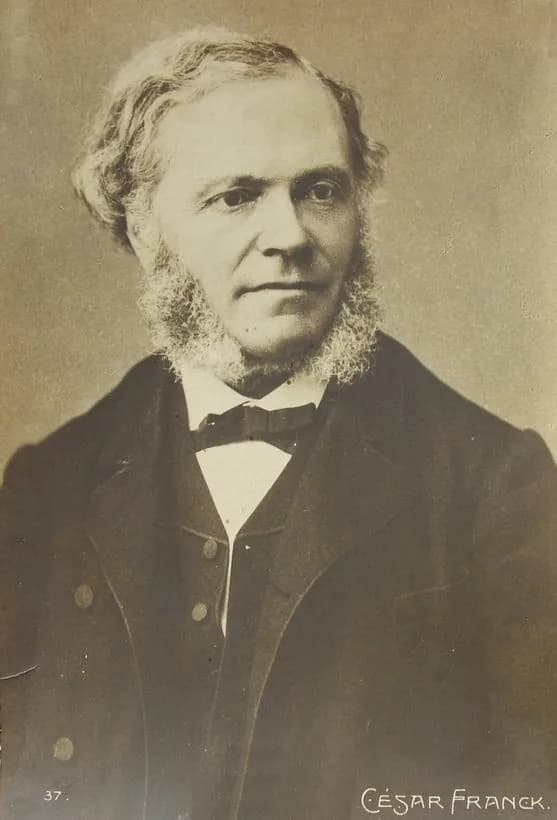
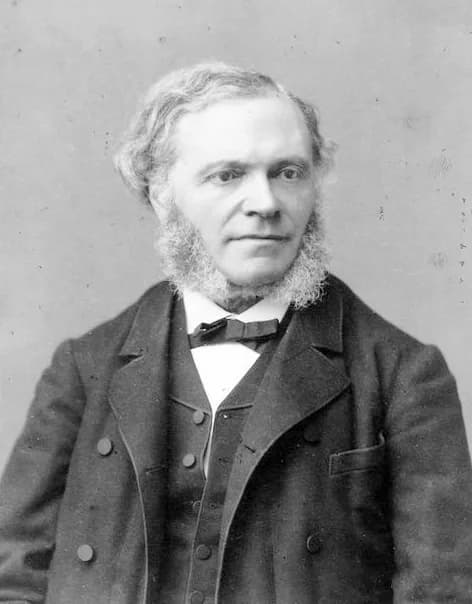
César Auguste Jean Guillaume Hubert Franck (December 10, 1822 – November 8, 1890) was a Belgian-French composer, organist, and music educator. He was a French Romantic composer known for influential works like the Symphony in D Minor and Sonata in A major. Franck's legacy continues to shape the understanding of 19th-century classical music through his compositions and teaching.
Een leven in momenten
De momenten die een leven hebben gevormd
Hoofdstuk
Levenshoofdstukken
Hoofdstuk 1 · 1822· Hoofdstuk 1 van 6
Opening Tribute
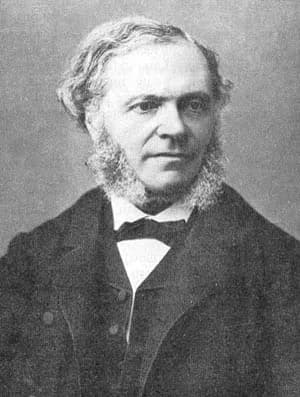
César Auguste Jean Guillaume Hubert Franck (1822–1890) stands as an enduring figure in the world of classical music, celebrated primarily as a Belgian-French composer, organist, and influential music educator. Born on December 10, 1822, in Liège, Belgium, his life was dedicated to musical artistry, shaping generations through his teaching and leaving a rich legacy of compositions. He passed away on November 8, 1890, in boulevard Saint-Michel, France, but his creative spirit continues to resonate. His work blended profound Romantic sensibilities with meticulous craftsmanship, earning him a place among the respected masters of his era.
Hoofdstuk 2· Hoofdstuk 2 van 6
Early Life and Origins
César Franck began his life in Liège, which was then part of the United Kingdom of the Netherlands, eventually becoming part of Belgium. His early environment fostered a deep connection to music, setting the stage for his extraordinary future. Details about his specific family upbringing are not provided, but his later relocation to France and designation as a "Belgian-French" artist suggest significant cultural immersion in both regions.
His formative years undoubtedly involved rigorous musical training, given his eventual mastery as a pianist and organist. This early dedication laid the groundwork for his comprehensive understanding of musical theory and performance. It prepared him for a career that would encompass various facets of the music world, from composition to education.
Hoofdstuk 3· Hoofdstuk 3 van 6
Career Beginnings
Franck's career path quickly diversified, showcasing his innate versatility and dedication to music. He established himself early on not just as a gifted composer, but also as a proficient pianist and organist. His talents in these areas provided the foundation for his professional endeavors and reputation.
Furthermore, he soon took on roles as a music teacher and educator, sharing his deep knowledge and passion with others. This commitment to pedagogy became a cornerstone of his professional life. It allowed him to influence and guide aspiring musicians, disseminating his musical principles and fostering a new generation of artists.
Hoofdstuk 4· Hoofdstuk 4 van 6
Major Achievements and Career Highlights
Throughout his life, César Franck distinguished himself through multiple professions: composer, teacher, pianist, organist, and music educator. He was recognized as a French Romantic composer, a description that encapsulates the emotional depth and structural richness of his work. His teaching roles, in particular, made a substantial impact, as he was known for fostering a distinct school of French composition.
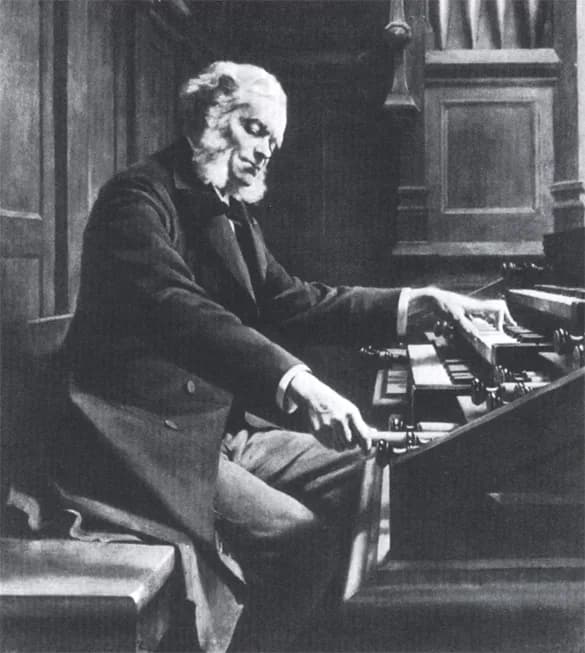
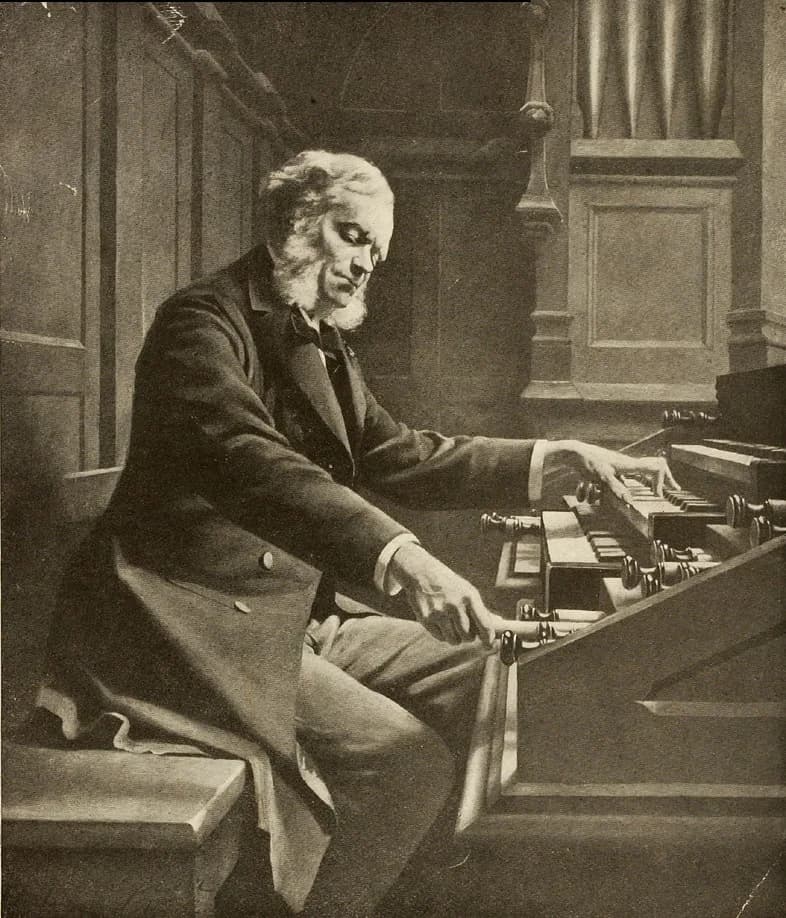
His dedication to the organ was particularly notable, solidifying his reputation as a master of the instrument. His improvisational skills and profound understanding of organ literature were legendary. This expertise deeply informed his compositional style, especially evident in his works for organ.
Franck’s influence extended beyond his own compositions and performances, touching the lives and careers of his students. He cultivated an environment of intellectual curiosity and artistic rigor, guiding many significant composers of the next generation. This aspect of his career as a music educator remains a vital part of his legacy.
Hoofdstuk 5· Hoofdstuk 5 van 6
Notable Works and Contributions
César Franck's compositional output is rich and varied, encompassing a range of genres including classical and romantic classical. While exact composition dates are not always specified in the provided data, his works have seen extensive recordings and performances over decades, attesting to their enduring appeal. The Symphony in D Minor, for example, has been notably recorded multiple times, reflecting its importance in the orchestral repertoire.
His chamber music, particularly the Sonata in A major, remains a beloved and frequently performed piece. This work showcases his characteristic blend of lyrical beauty and structural integrity. Other significant pieces that have been recorded include Sinfonische Variationen, Pièce héroïque, and Three Chorales, demonstrating his skill across different forms.
Recordings spanning from 1949 to 1966 highlight the continuous interest in his music, with titles such as Les Eolides, Le Chasseur maudit, and Œuvre pour orgue intégrale, vol. 3. These recordings often pair his works with those of contemporaries like Debussy and Saint-Saëns, underscoring his position within the broader musical traditions of his time. His substantial contribution to organ music, captured in Organ Music From France, further solidifies his standing as a master of the instrument.
Hoofdstuk 6 · 1890· Hoofdstuk 6 van 6
Later Years and Legacy
César Franck's later years continued to be marked by his prolific creativity and dedication to music. His life culminated in his passing on November 8, 1890, in boulevard Saint-Michel, France, leaving behind a body of work that would continue to inspire. Despite the specific circumstances of his death not being detailed, his final residence in France underscores his deep connection to the French musical landscape.
Franck's legacy as a Belgian-French composer and organist is substantial, rooted in his profound contributions to romantic classical music. He is remembered not only for his compositions but also for his significant role as a teacher and music educator. His influence helped define a distinct direction in French music, blending German compositional rigor with French lyrical elegance.
His innovative approach to cyclic form and harmony, combined with his expressive Romantic style, had a lasting impact on subsequent generations of composers. César Franck's music continues to be celebrated and studied, ensuring his place as one of the most revered figures in 19th-century European classical music. His commitment to both creation and education truly shaped the musical world he inhabited.
Veelgestelde vragen
Veelgestelde vragen
Wanneer is César Franck overleden?
César Franck overleed op 8 november 1890 in boulevard Saint-Michel, France op 67-jarige leeftijd.
Waar werd César Franck geboren?
César Franck werd geboren in Liège, Belgium op 10 december 1822.
Waar is César Franck het meest bekend om?
César Franck is het meest bekend om Belgian-French composer and organist.
Hoe oud was César Franck bij overlijden?
César Franck was 67 jaar oud op het moment van overlijden.
Wat was de nationaliteit van César Franck?
César Franck kwam uit Belgium.
Tijdlijn
Een leven in een oogopslag
Fotogalerij
Een leven in beelden
Klik op een polaroid om uit te vergroten · 24 foto's
QR-code
Deel deze biografie
Afdrukken en delen
Scan om deze biografiepagina te bezoeken. Druk af voor evenementen, tentoonstellingen of educatief materiaal.