Geboren
May 1, 1769
Dublin, United Kingdom of Great Britain and Ireland
Overleden
September 14, 1852
Walmer Castle, United Kingdom
Bekend om
British Field Marshal, Prime Minister of the United Kingdom, 1828–1830, 1834
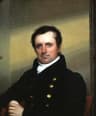
Arthur Wellesley, 1st Duke of Wellington (1769–1852) was United Kingdom of Great Britain and Ireland best known for British Field Marshal, Prime Minister of the United Kingdom, 1828–1830, 1834.
Arthur Wellesley, 1st Duke of Wellington (May 1, 1769 – September 14, 1852) was a British Field Marshal, politician, and head of government from Dublin, United Kingdom of Great Britain and Ireland. He notably defeated Napoleon at the Battle of Waterloo in 1815 and served twice as Prime Minister of the United Kingdom. His leadership shaped 19th-century Britain.
Hoofdstuk
Levenshoofdstukken
Hoofdstuk 1 · 1769· Hoofdstuk 1 van 8
Opening Tribute
Arthur Wellesley, 1st Duke of Wellington (1769–1852), a British Field Marshal, politician, and head of government, stands as a monumental figure in British history. His distinguished career encompassed critical military victories and significant political leadership. Born in Dublin, he became known for his strategic brilliance and unwavering commitment to his country.
Hoofdstuk 2 · 1769· Hoofdstuk 2 van 8
Early Life and Origins
Arthur Wellesley was born on May 1, 1769, in Dublin, then part of the United Kingdom of Great Britain and Ireland. His early life set the stage for a future of extensive military service and statesmanship. The specific details of his upbringing are not widely documented, but his origins in Ireland informed his eventual path.
Hoofdstuk 3· Hoofdstuk 3 van 8
Career Beginnings
Wellesley began his distinguished career as a military officer. He rapidly rose through the ranks, demonstrating exceptional tactical acumen and leadership qualities from his earliest commands. This period laid the foundation for his later extensive service across the globe.
Hoofdstuk 4 · 1799· Hoofdstuk 4 van 8
Major Achievements and Career Highlights
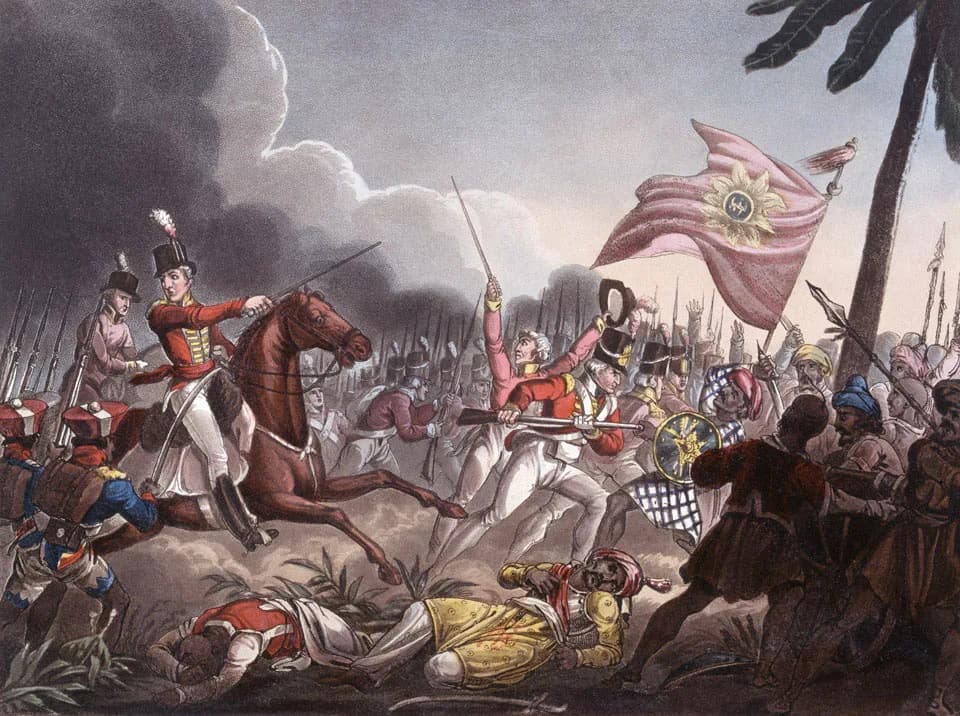
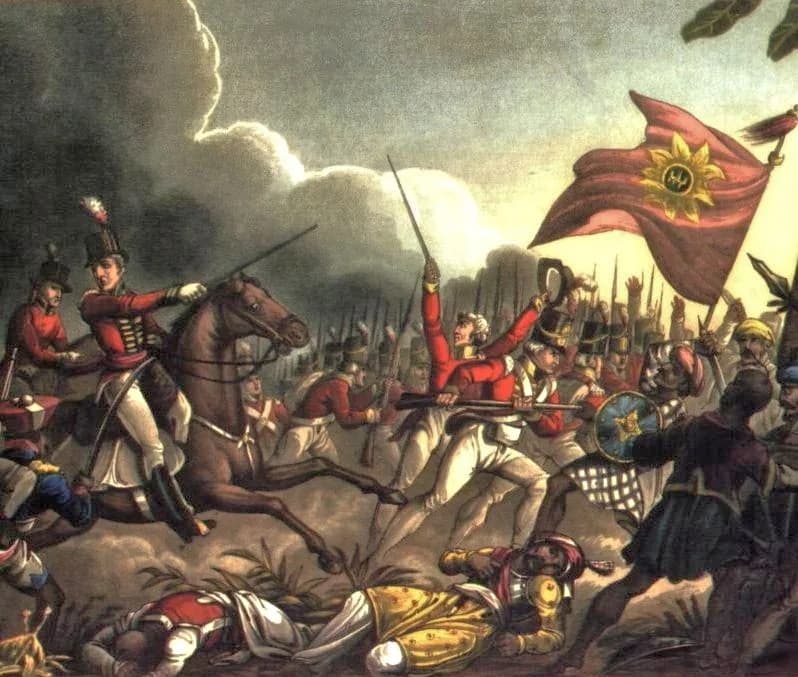
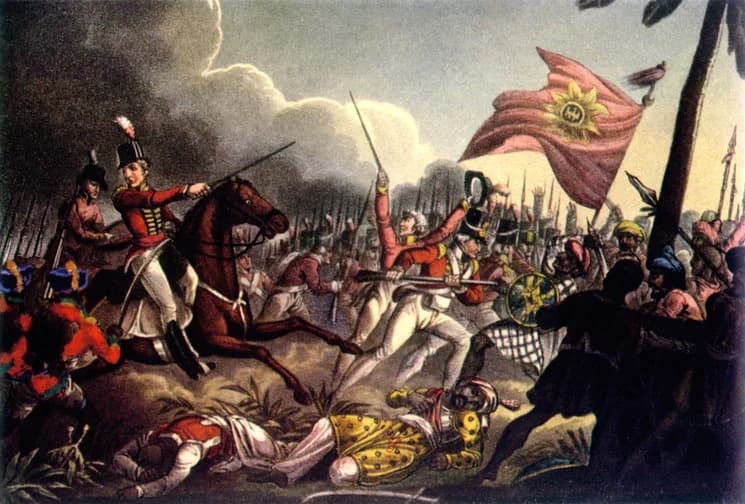
His military career saw him lead British forces to victory in several crucial conflicts. He was instrumental in ending the Anglo-Mysore wars, decisively defeating Tipu Sultan in 1799. This early success established his reputation as a formidable commander.
His most celebrated military achievement came in 1815, when as part of the Seventh Coalition, he defeated Napoleon at the Battle of Waterloo. This victory brought an end to the Napoleonic Wars and secured his place in military history. He earned the title of Field Marshal, a testament to his strategic genius and command.
Hoofdstuk 5 · 1828· Hoofdstuk 5 van 8
Political Leadership and Diplomatic Roles
Beyond his military prowess, Arthur Wellesley also served as a prominent politician and diplomat. He twice held the esteemed office of Prime Minister of the United Kingdom, first from 1828 to 1830, and again in 1834. During these terms, he navigated complex domestic and international challenges as head of government.
Hoofdstuk 6· Hoofdstuk 6 van 8
Notable Contributions
As a general field marshal, Wellesley's contributions extended to shaping military doctrine and organization. His strategic insights from campaigns like Waterloo influenced subsequent generations of military leaders. In his political capacity, he worked to steer the nation through periods of significant change and reform.
Hoofdstuk 7 · 1852· Hoofdstuk 7 van 8
Later Years
Arthur Wellesley continued to serve his country in various capacities well into his later years. He passed away on September 14, 1852, at Walmer Castle, located in the United Kingdom. His death marked the end of an era for Britain, concluding a life of extraordinary public service.
Hoofdstuk 8· Hoofdstuk 8 van 8
Legacy and Impact
The Duke of Wellington's legacy is vast and enduring. He is remembered as one of Britain's leading military and political figures of the early 19th century. His decisive victory at Waterloo fundamentally altered the course of European history, and his time as Prime Minister contributed to Britain's development. His unwavering dedication to duty remains a significant example of public service.
Een leven in momenten
De momenten die een leven hebben gevormd
Veelgestelde vragen
Veelgestelde vragen
Wanneer is Arthur Wellesley, 1st Duke of Wellington overleden?
Arthur Wellesley, 1st Duke of Wellington overleed op 14 september 1852 in Walmer Castle, United Kingdom op 83-jarige leeftijd.
Waar werd Arthur Wellesley, 1st Duke of Wellington geboren?
Arthur Wellesley, 1st Duke of Wellington werd geboren in Dublin, United Kingdom of Great Britain and Ireland op 1 mei 1769.
Waar is Arthur Wellesley, 1st Duke of Wellington het meest bekend om?
Arthur Wellesley, 1st Duke of Wellington is het meest bekend om British Field Marshal, Prime Minister of the United Kingdom, 1828–1830, 1834.
Hoe oud was Arthur Wellesley, 1st Duke of Wellington bij overlijden?
Arthur Wellesley, 1st Duke of Wellington was 83 jaar oud op het moment van overlijden.
Wat was de nationaliteit van Arthur Wellesley, 1st Duke of Wellington?
Arthur Wellesley, 1st Duke of Wellington kwam uit United Kingdom of Great Britain and Ireland.
Tijdlijn
Een leven in een oogopslag
Fotogalerij
Een leven in beelden
Klik op een polaroid om uit te vergroten · 23 foto's
QR-code
Deel deze biografie
Afdrukken en delen
Scan om deze biografiepagina te bezoeken. Druk af voor evenementen, tentoonstellingen of educatief materiaal.