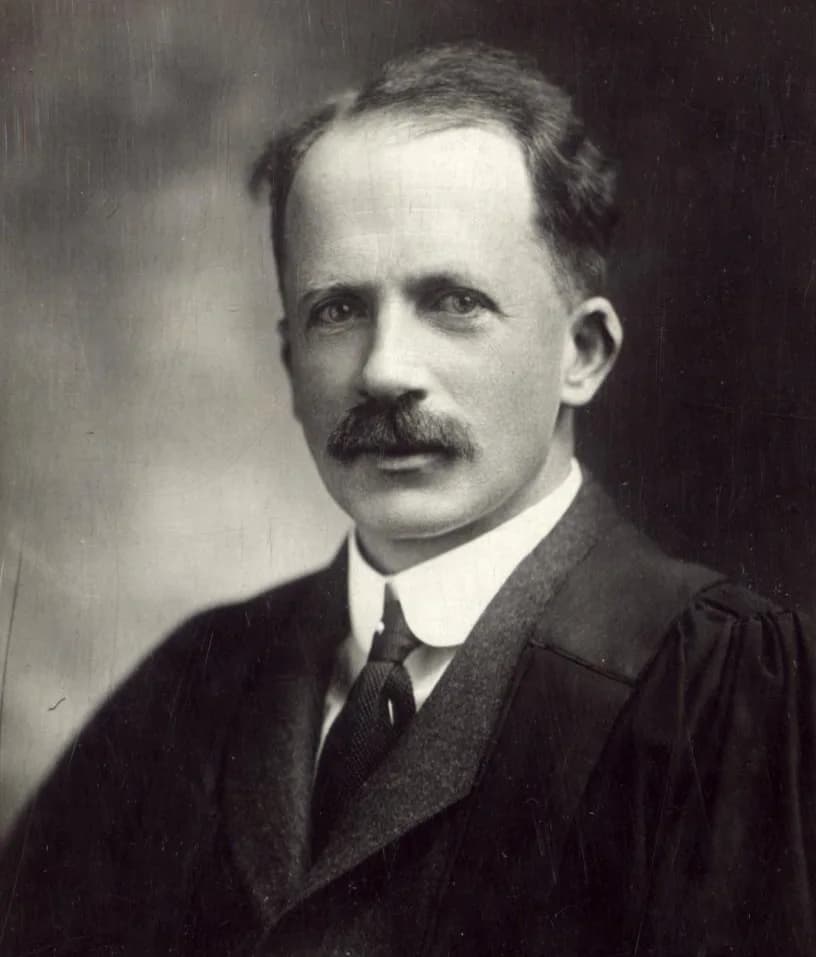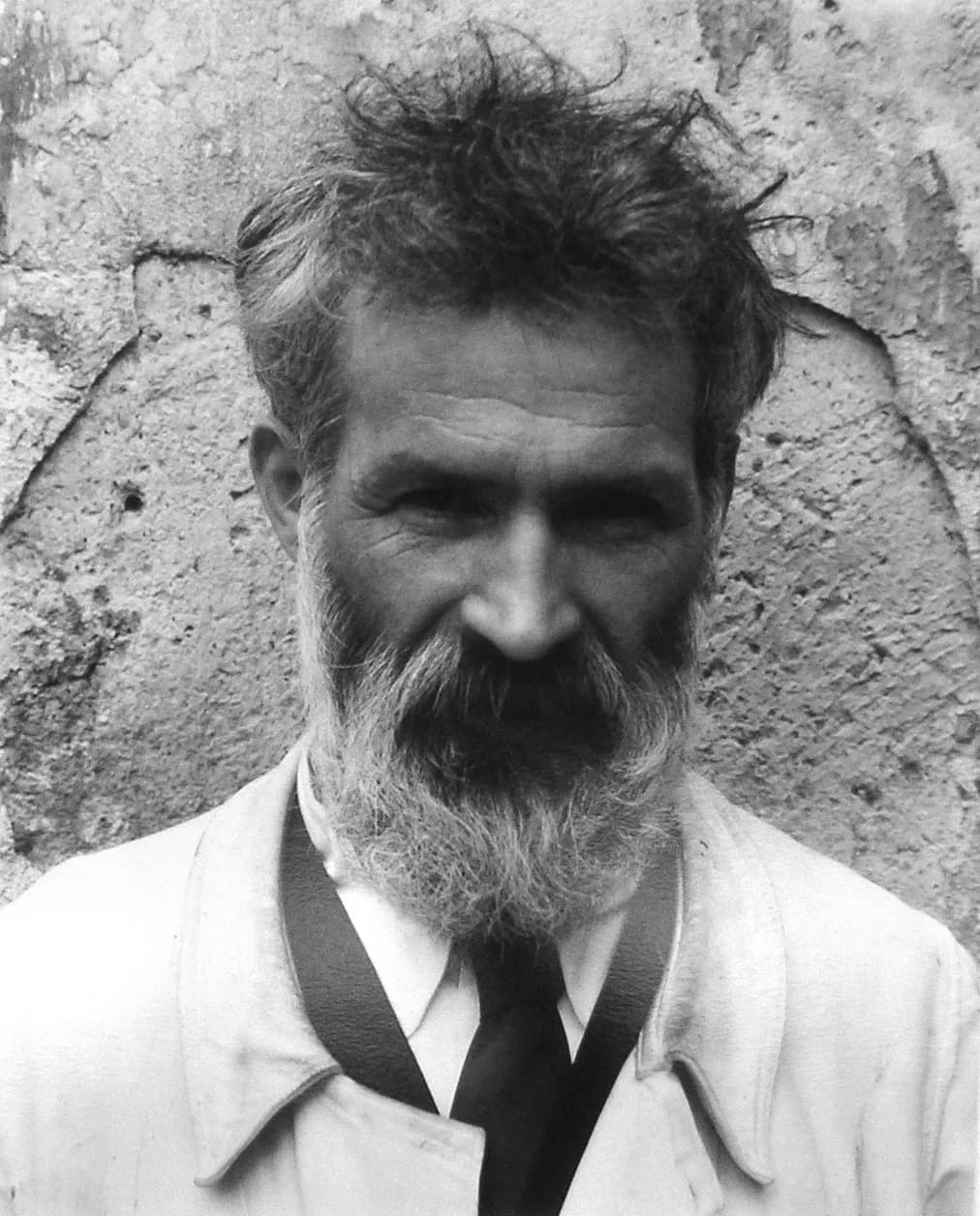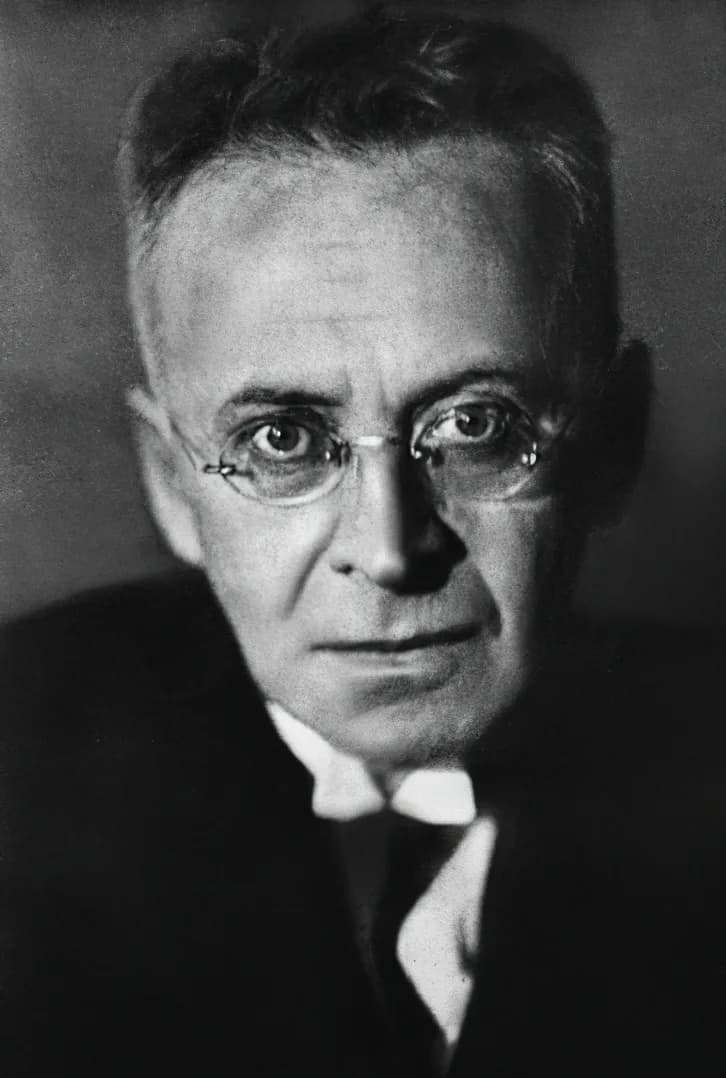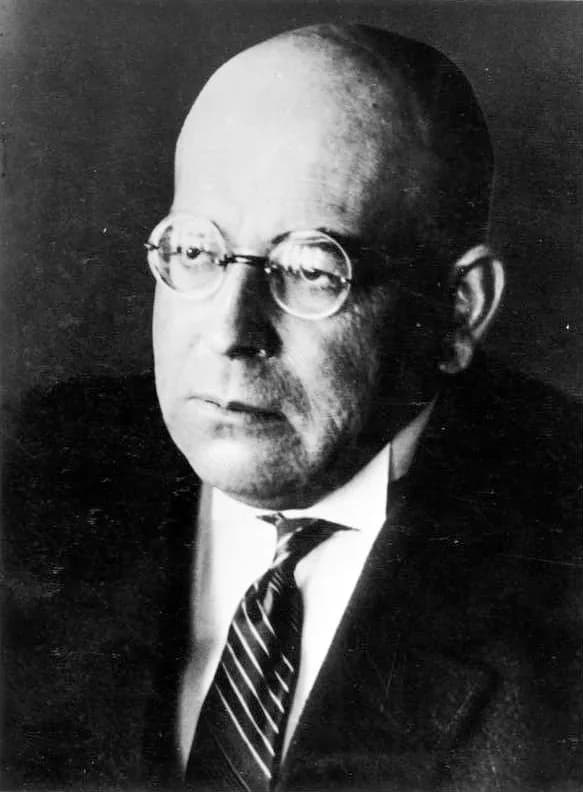
출생
April 22, 1876
Vienna, Austria
별세
April 8, 1936
Uppsala Cathedral Assembly, Sweden
알려진 업적
Austri-Hungarian otologist and Nobel Prize laureate
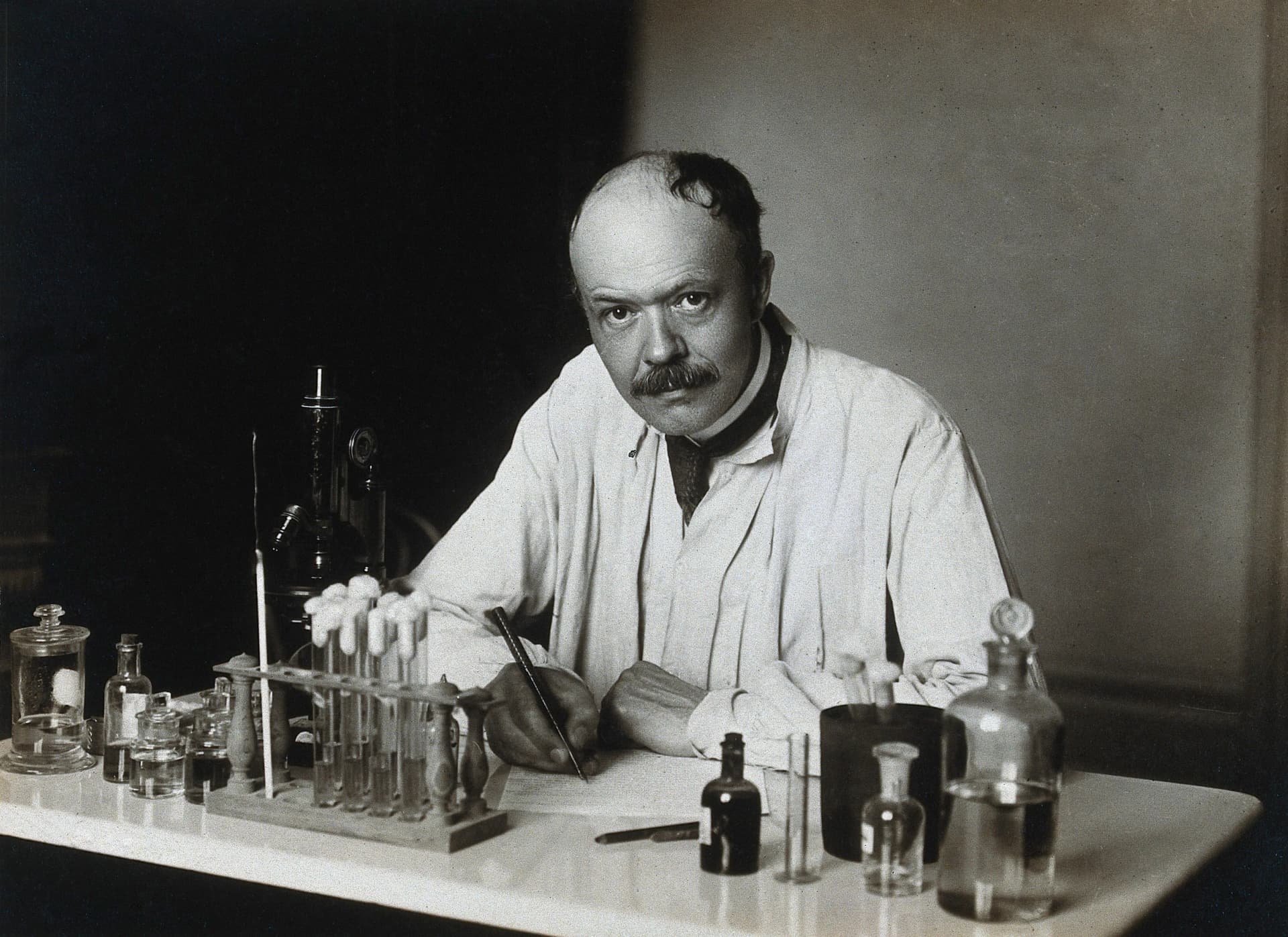
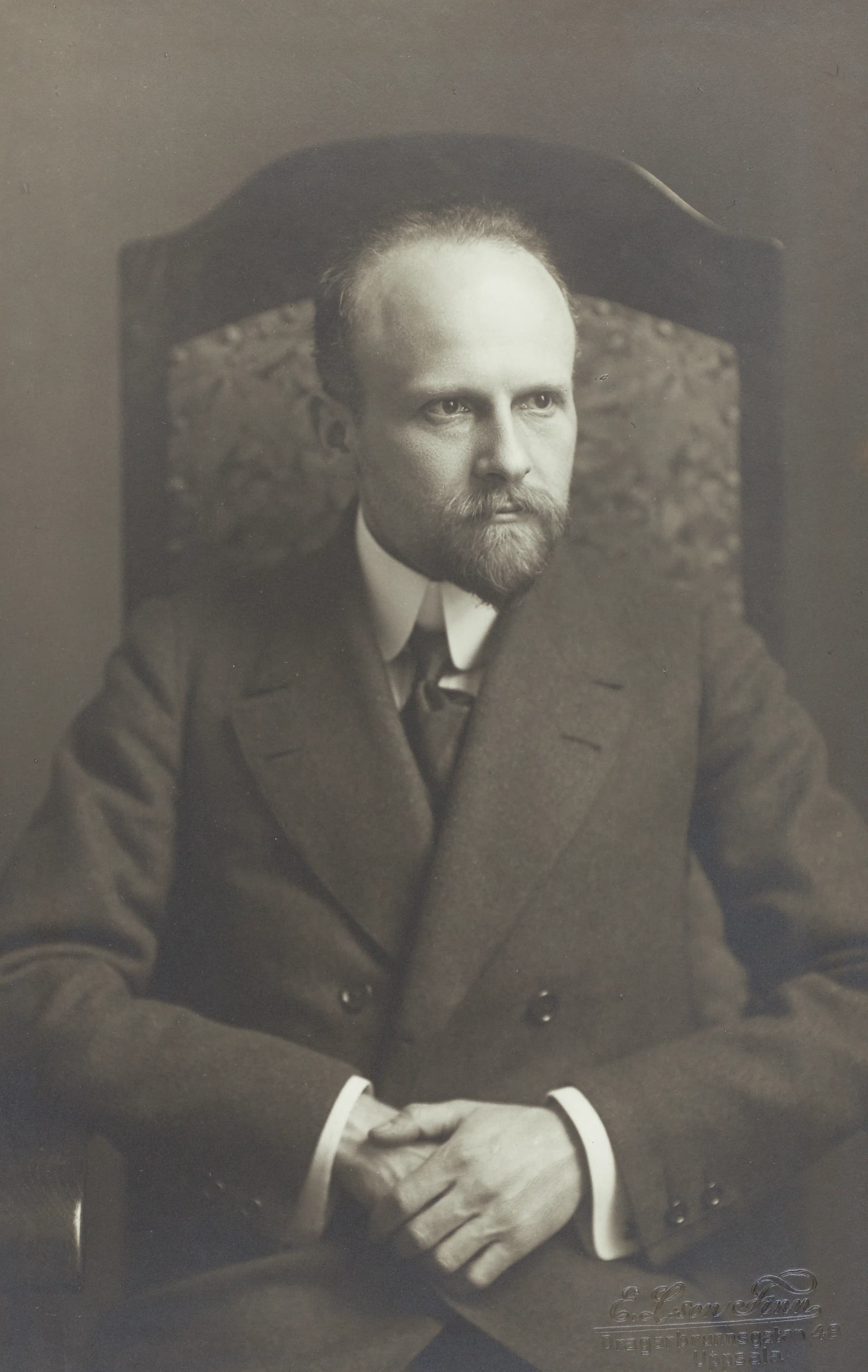
Robert Bárány (1876–1936) was Austria best known for Austri-Hungarian otologist and Nobel Prize laureate.
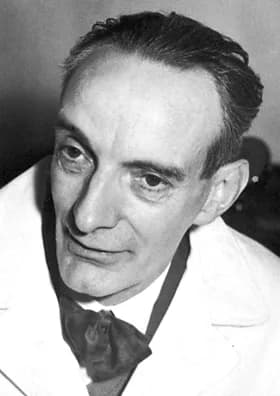
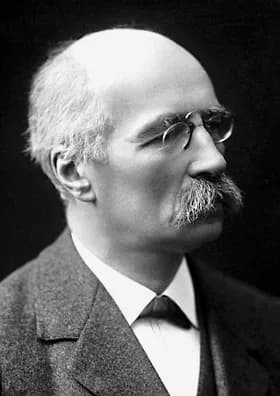
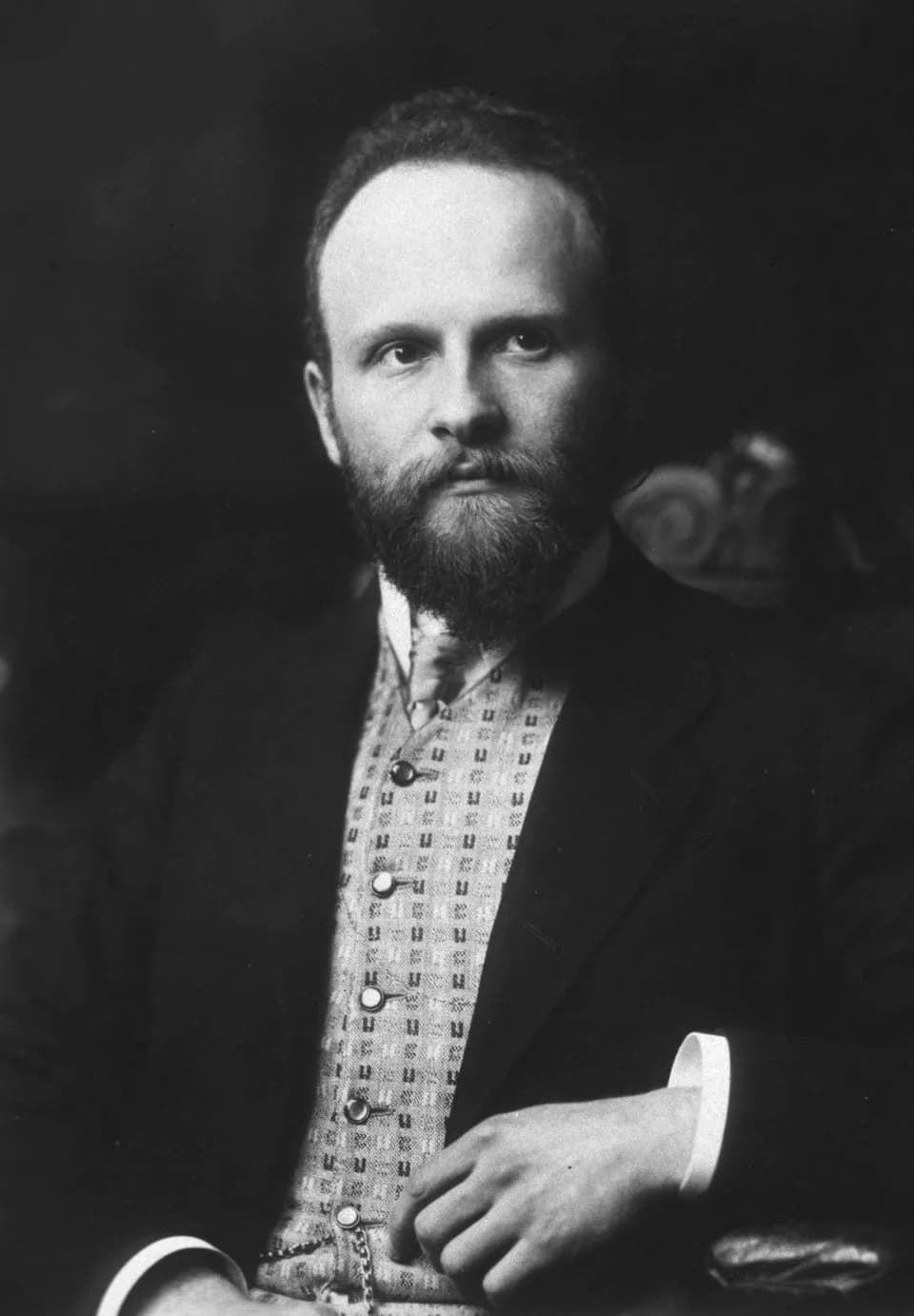
Robert Bárány (April 22, 1876 – April 8, 1936) was an Austro-Hungarian otologist and Nobel Prize laureate. He received the 1914 Nobel Prize in Physiology or Medicine for his essential work on the physiology and pathology of the vestibular apparatus. His research significantly advanced the understanding of human balance and inner ear function.
순간 속의 삶
한 삶을 빚어낸 순간들
챕터
삶의 챕터
챕터 1 · 1876· 8장 중 1장
Opening Tribute
Robert Bárány (1876–1936) was an extraordinary Austro-Hungarian otologist whose dedicated research profoundly advanced the fields of medicine and neuroscience. A distinguished physician, university teacher, and researcher, he earned the ultimate scientific recognition with the 1914 Nobel Prize in Physiology or Medicine. His pioneering work shed essential light on the intricate mechanisms of the vestibular apparatus, crucial for our sense of balance.
챕터 2 · 1876· 8장 중 2장
Early Life and Origins
Born on April 22, 1876, in the culturally rich city of Vienna, Austria, Robert Bárány grew up in a vibrant European capital. This environment undoubtedly fostered an early interest in science and intellectual pursuits, laying the foundation for his distinguished medical career. Vienna, a hub of medical innovation during his youth, provided a fertile ground for aspiring physicians and researchers.
챕터 3· 8장 중 3장
Career Beginnings
Bárány embarked on a career that saw him excel across several demanding scientific and medical disciplines. He established himself as a physician, dedicating his early efforts to patient care while simultaneously pursuing a deep curiosity in the mechanisms of the human body. His roles as a university teacher and researcher soon followed, allowing him to both educate future medical professionals and push the boundaries of medical knowledge.
His specific focus gradually narrowed to otology, the specialized study of the ear and its associated conditions. This choice led him down a path that would intertwine with neuroscience, as he sought to understand the complex interplay between the ear and the brain. His early investigations laid the groundwork for his most significant discoveries.
챕터 4· 8장 중 4장
Major Achievements and Career Highlights
Robert Bárány’s career was defined by his groundbreaking research into the vestibular apparatus. This critical component of the inner ear is responsible for sensing head movements and maintaining balance and spatial orientation. His systematic studies illuminated both the normal functioning (physiology) and the abnormalities (pathology) of this vital system.
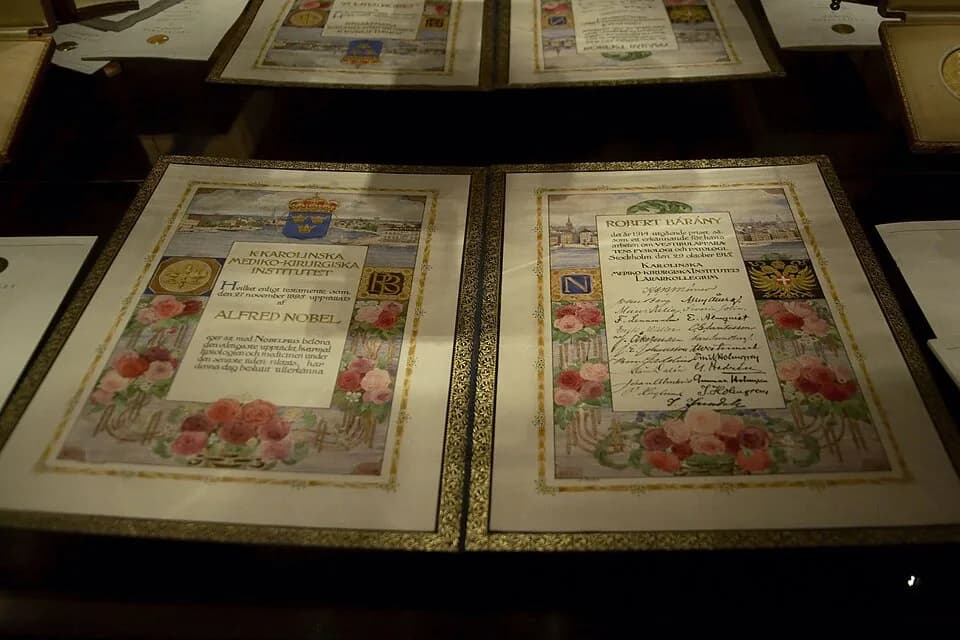
The profound significance of his discoveries was recognized with the 1914 Nobel Prize in Physiology or Medicine. This prestigious award acknowledged his singular contributions to understanding how the body maintains balance, a complex process that had previously been poorly understood. His insights transformed the diagnosis and treatment of dizziness and balance disorders.
챕터 5· 8장 중 5장
Personal Life
While Robert Bárány’s professional achievements are widely celebrated and meticulously documented, specific details regarding his personal life and family are not extensively publicized. His life was largely dedicated to his scientific endeavors and his roles as a physician and teacher. The intensity of such a pioneering medical career often meant a focus primarily on research and clinical practice, with personal aspects remaining private.
챕터 6· 8장 중 6장
Notable Works or Contributions
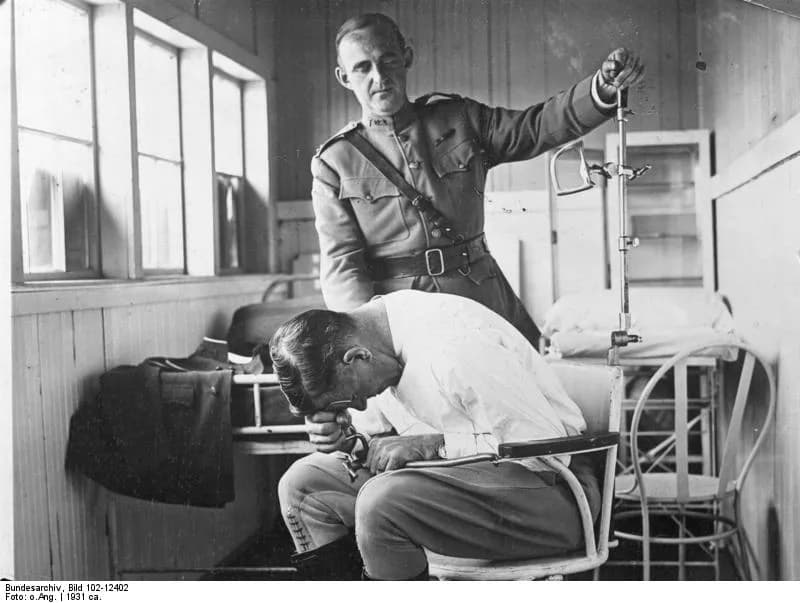
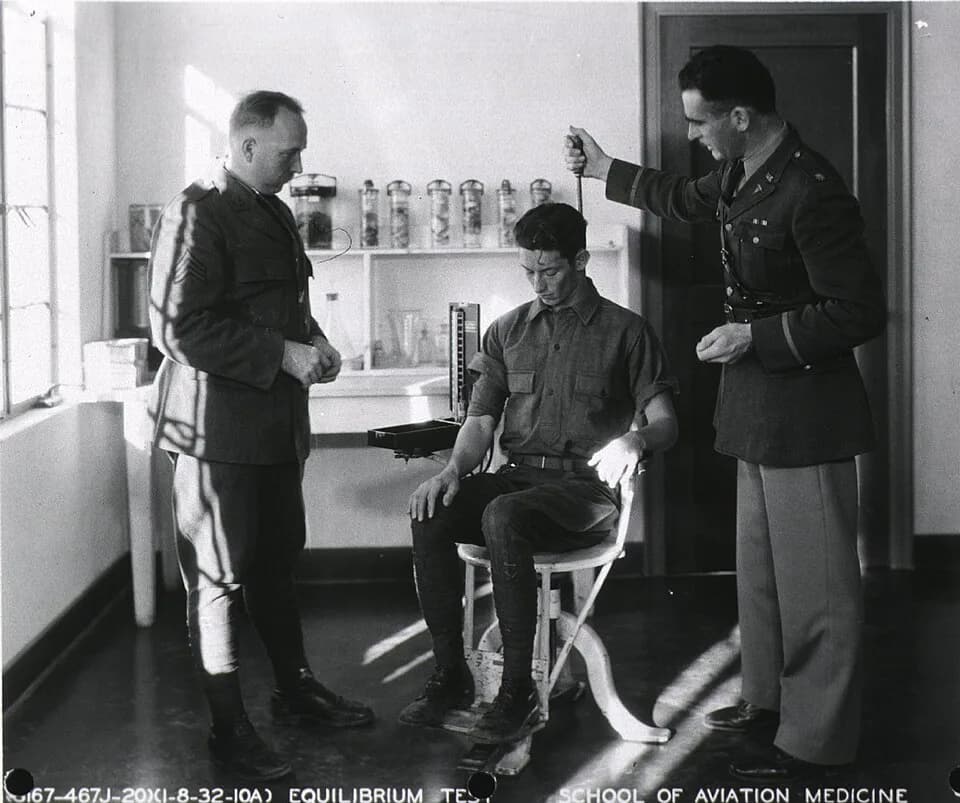
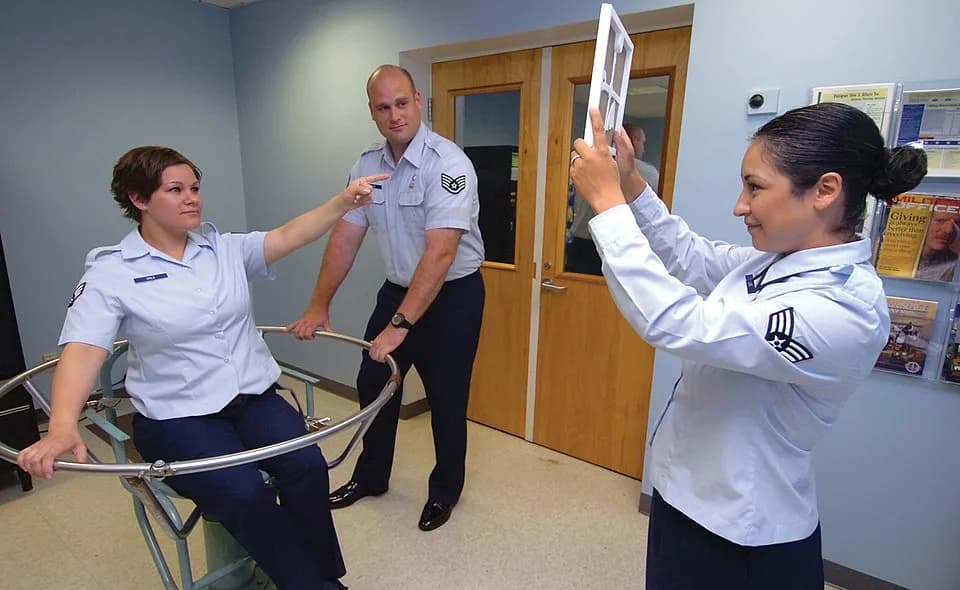
Bárány’s most significant contributions center directly on his Nobel Prize-winning work concerning the vestibular apparatus. He developed methods for examining the vestibular system and interpreting various forms of nystagmus (involuntary eye movement) as indicators of vestibular function or dysfunction. His research provided a crucial framework for understanding the dizzy spells, vertigo, and balance disturbances experienced by many patients.
His meticulous observations and experimental designs allowed him to differentiate between different types of vestibular disorders and to localise lesions affecting the balance system. This work established foundational principles still referenced in clinical otology and neuro-otology today. He essentially provided the tools and the theoretical basis for a new understanding of an entire category of human afflictions.
챕터 7 · 1936· 8장 중 7장
Later Years
Robert Bárány continued his dedicated work following his Nobel recognition, contributing further to medical science. He passed away on April 8, 1936, in Uppsala Cathedral Assembly, Sweden, at the age of 59. His final years spent in Sweden underscore the international reach and impact of his scientific career, far beyond his Austrian origins.
챕터 8· 8장 중 8장
Legacy and Impact
The legacy of Robert Bárány endures strongly within modern otology and neuroscience. His detailed understanding of the vestibular apparatus laid the groundwork for countless subsequent studies and clinical practices related to balance disorders. Physicians and researchers worldwide continue to build upon his foundational insights into the ear's role in maintaining equilibrium and its connections to the brain.
His Nobel Prize not only honored his individual genius but also elevated the importance of otology as a distinct and vital medical specialty. Bárány's name is synonymous with the scientific exploration of balance, ensuring his lasting place as a true pioneer whose work continues to benefit humanity by improving our understanding and treatment of a fundamental aspect of human physiology.
FAQ
자주 묻는 질문
Robert Bárány은(는) 언제 사망했습니까?
Robert Bárány은(는) 1936년 4월 8일 Uppsala Cathedral Assembly, Sweden에서 사망했습니다 (향년 59세).
Robert Bárány은(는) 어디에서 태어났습니까?
Robert Bárány은(는) Vienna, Austria에서 1876년 4월 22일에 태어났습니다.
Robert Bárány은(는) 무엇으로 가장 잘 알려져 있습니까?
Robert Bárány은(는) Austri-Hungarian otologist and Nobel Prize laureate(으)로 가장 잘 알려져 있습니다.
Robert Bárány은(는) 사망 당시 몇 살이었습니까?
Robert Bárány은(는) 사망 당시 59세였습니다.
Robert Bárány의 국적은 무엇이었습니까?
Robert Bárány은(는) Austria 출신이었습니다.
연표
한눈에 보는 삶
- 1876
Opening Tribute
- 1876
Early Life and Origins
- 1936
Later Years
사진 갤러리
사진으로 보는 삶
폴라로이드를 클릭하여 확대 · 사진 35장
QR 코드
이 전기 공유
인쇄 및 공유
스캔하여 이 전기 페이지를 방문하세요. 행사, 전시회, 교육 자료에 인쇄해 사용하실 수 있습니다.