출생
June 5, 1898
Fuente Vaqueros, Spain
별세
August 19, 1936
Víznar, Spain
알려진 업적
Spanish poet, dramatist and prose writer
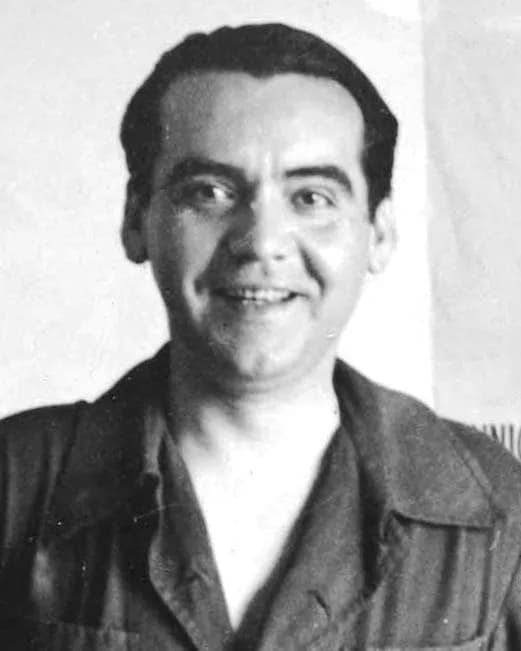
Federico García Lorca (1898–1936) was Spain best known for Spanish poet, dramatist and prose writer.
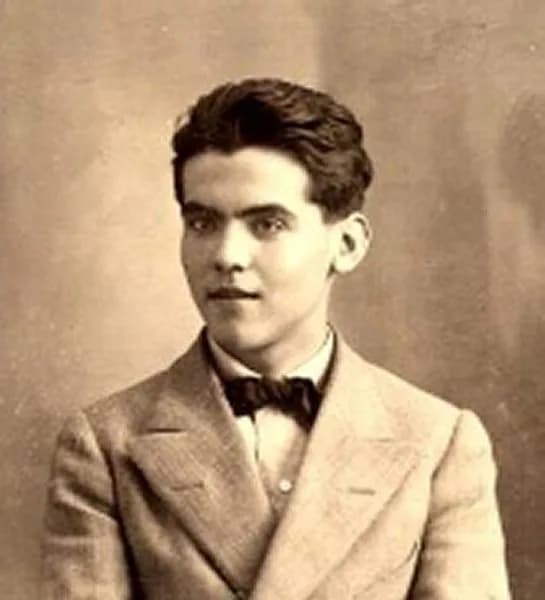
Federico García Lorca (June 5, 1898 – August 19, 1936) was a Spanish poet, playwright, and theatre director from Fuente Vaqueros, Spain. He achieved international recognition as an emblematic member of the Generation of '27, significantly shaping Spanish literature. His works continue to be celebrated globally.
순간 속의 삶
한 삶을 빚어낸 순간들
챕터
삶의 챕터
챕터 1 · 1898· 6장 중 1장
Early Life and Origins
Federico García Lorca was born on June 5, 1898, in Fuente Vaqueros, Spain. This rural setting in Andalusia significantly influenced his artistic vision and the themes explored in his later works. While specific details of his early family life and formal education are not provided, his birthplace laid the foundation for his deep connection to Spanish culture and folklore.
챕터 2· 6장 중 2장
Career Beginnings
García Lorca emerged as a prominent figure within the Generation of '27, a significant literary movement primarily comprising poets. This group was instrumental in introducing and integrating tenets of contemporary European artistic movements into Spanish literature. His early involvement helped define a new and modern artistic direction for his generation.
챕터 3· 6장 중 3장
Major Achievements and Career Highlights
Throughout his career, Federico García Lorca demonstrated exceptional talent across multiple creative disciplines. He was celebrated for his powerful poetry, his compelling dramatic works, and his expressive prose. Beyond his written contributions, he also showed aptitude as a composer and lyricist, further extending his artistic reach. His roles as a theatre manager and theatrical director highlight his dedication to bringing his visions to the stage, earning him international acclaim.
챕터 4 · 1994· 6장 중 4장
Notable Works and Contributions
García Lorca's literary legacy includes renowned plays such as "Mariana Pineda" and the powerful drama "La casa de Bernarda Alba." His poetic voice is famously captured in collections like "Poeta en Nueva York." Additionally, his musical talents are preserved in his discography, which includes "Colección de canciones populares españolas" (1994) and "Falla Lorca: Chants Populaires Espagnols (Spanish Popular Songs)" (1997). Other notable recordings feature works like "Poésie de cruauté" (1966), "Noces de Sang" (1988), and "Il y a eu crime dans Grenade : Les poèmes du Cante Jondo" (2006). He also penned "Verso" and "Akdenizdeki çöl," further showcasing his versatility as a writer.
챕터 5 · 1936· 6장 중 5장
Later Years
Federico García Lorca's life was tragically cut short on August 19, 1936, in Víznar, Spain. His death occurred during a period of intense political turmoil in his homeland. Despite his untimely passing, his artistic output and cultural significance continued to grow and resonate across the globe.
챕터 6· 6장 중 6장
Legacy and Impact
Federico García Lorca remains an iconic figure in 20th-century Spanish literature and theatre. His role as an emblematic member of the Generation of '27 had a lasting impact on Spanish literary development. By introducing European artistic movements, he significantly expanded the creative horizons of his time. His works are continually performed, studied, and celebrated, ensuring his enduring influence on successive generations of artists and audiences worldwide.
FAQ
자주 묻는 질문
Federico García Lorca은(는) 언제 사망했습니까?
Federico García Lorca은(는) 1936년 8월 19일 Víznar, Spain에서 사망했습니다 (향년 38세).
Federico García Lorca은(는) 어디에서 태어났습니까?
Federico García Lorca은(는) Fuente Vaqueros, Spain에서 1898년 6월 5일에 태어났습니다.
Federico García Lorca은(는) 무엇으로 가장 잘 알려져 있습니까?
Federico García Lorca은(는) Spanish poet, dramatist and prose writer(으)로 가장 잘 알려져 있습니다.
Federico García Lorca은(는) 사망 당시 몇 살이었습니까?
Federico García Lorca은(는) 사망 당시 38세였습니다.
Federico García Lorca의 국적은 무엇이었습니까?
Federico García Lorca은(는) Spain 출신이었습니다.
연표
한눈에 보는 삶
사진 갤러리
사진으로 보는 삶
폴라로이드를 클릭하여 확대 · 사진 49장
QR 코드
이 전기 공유
인쇄 및 공유
스캔하여 이 전기 페이지를 방문하세요. 행사, 전시회, 교육 자료에 인쇄해 사용하실 수 있습니다.