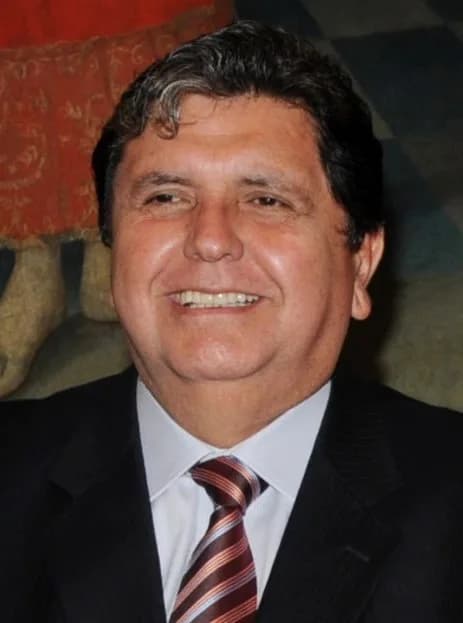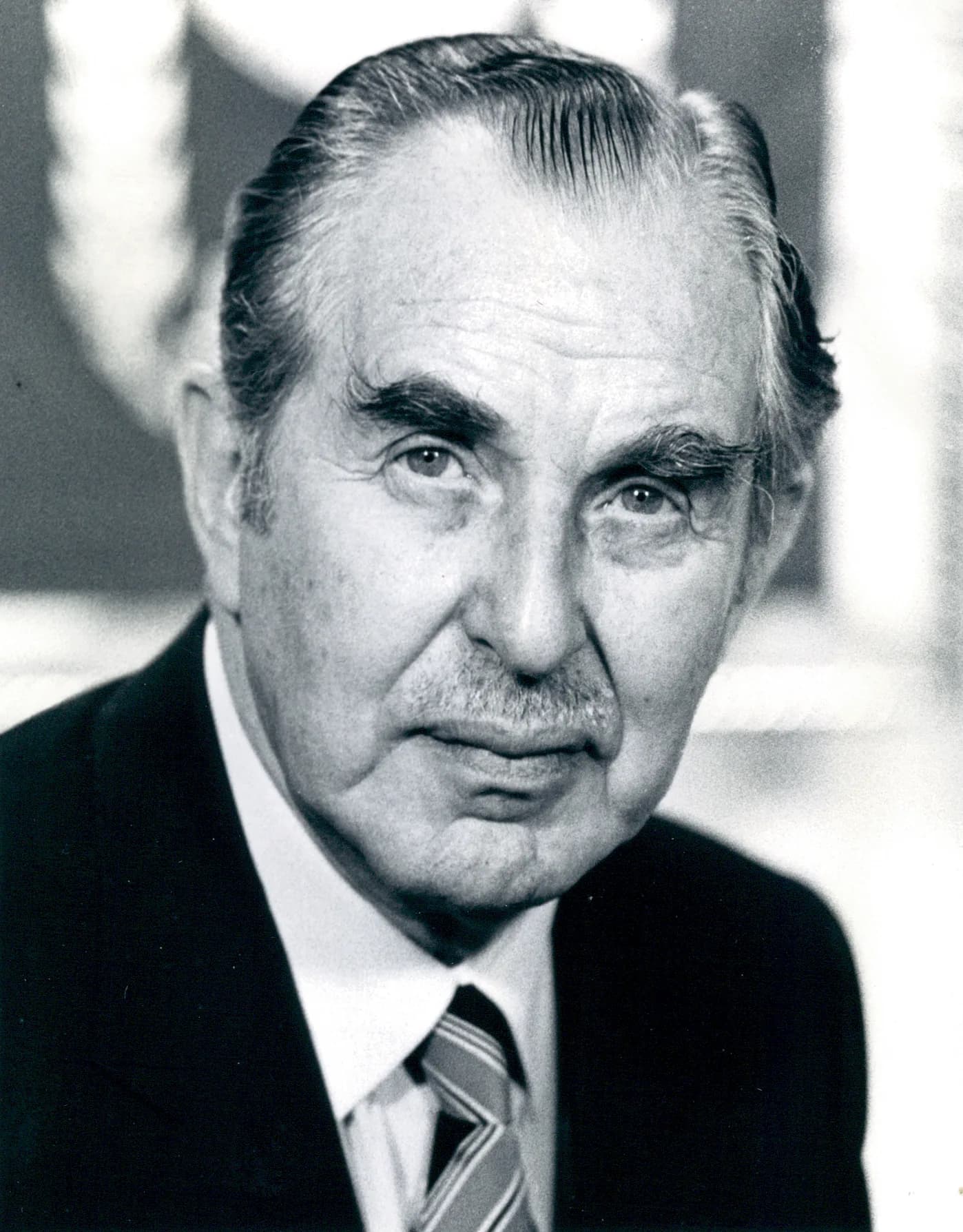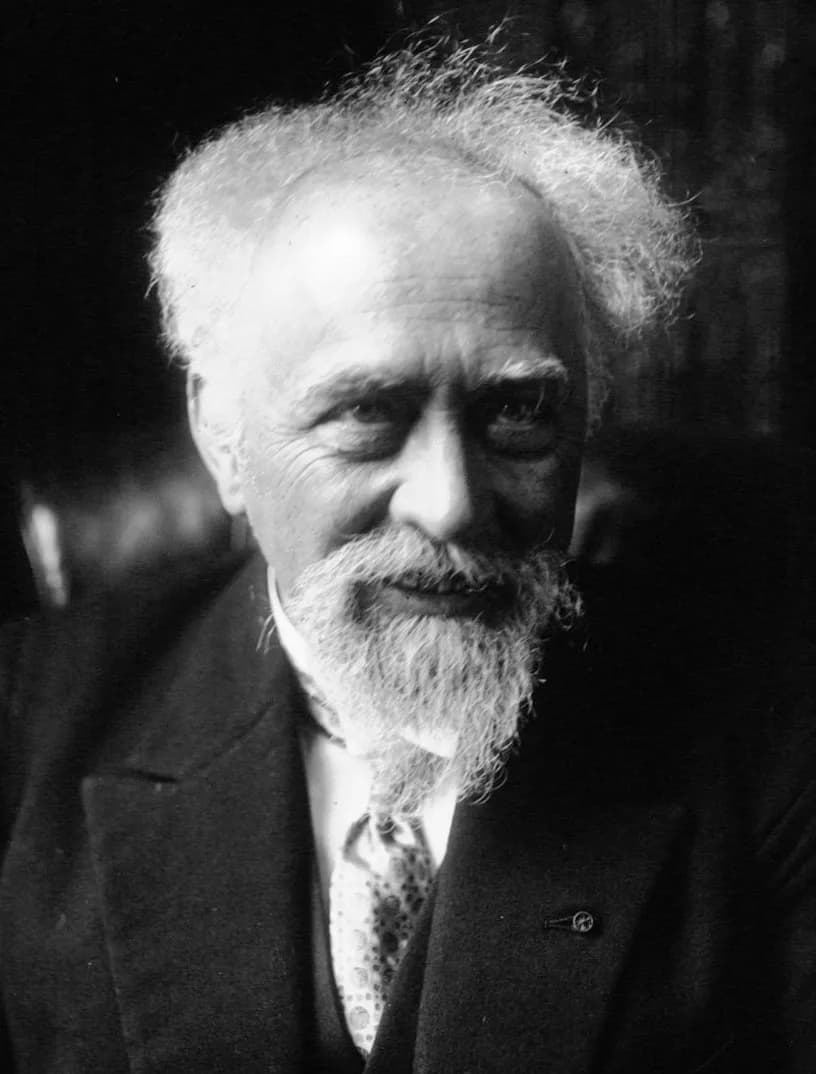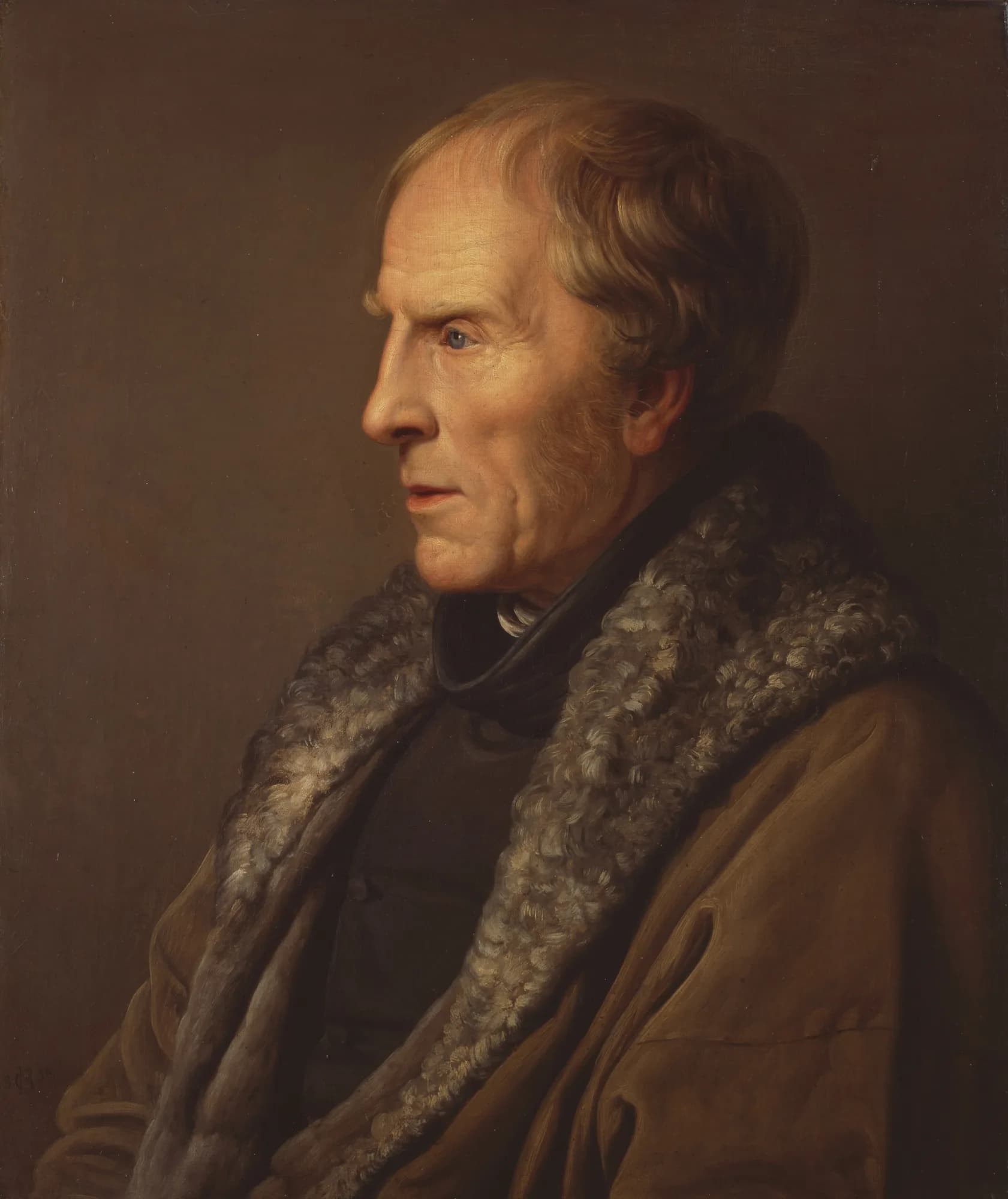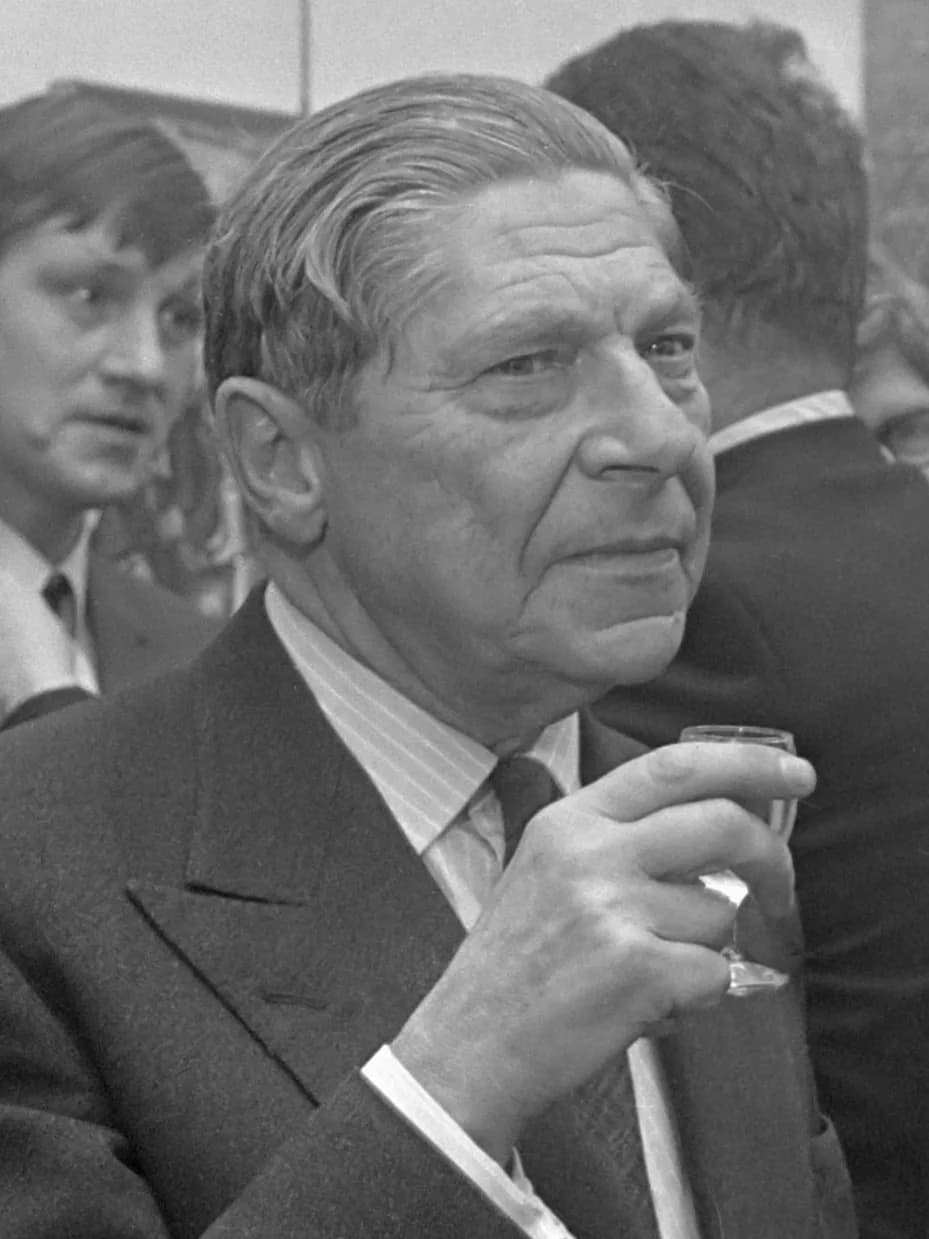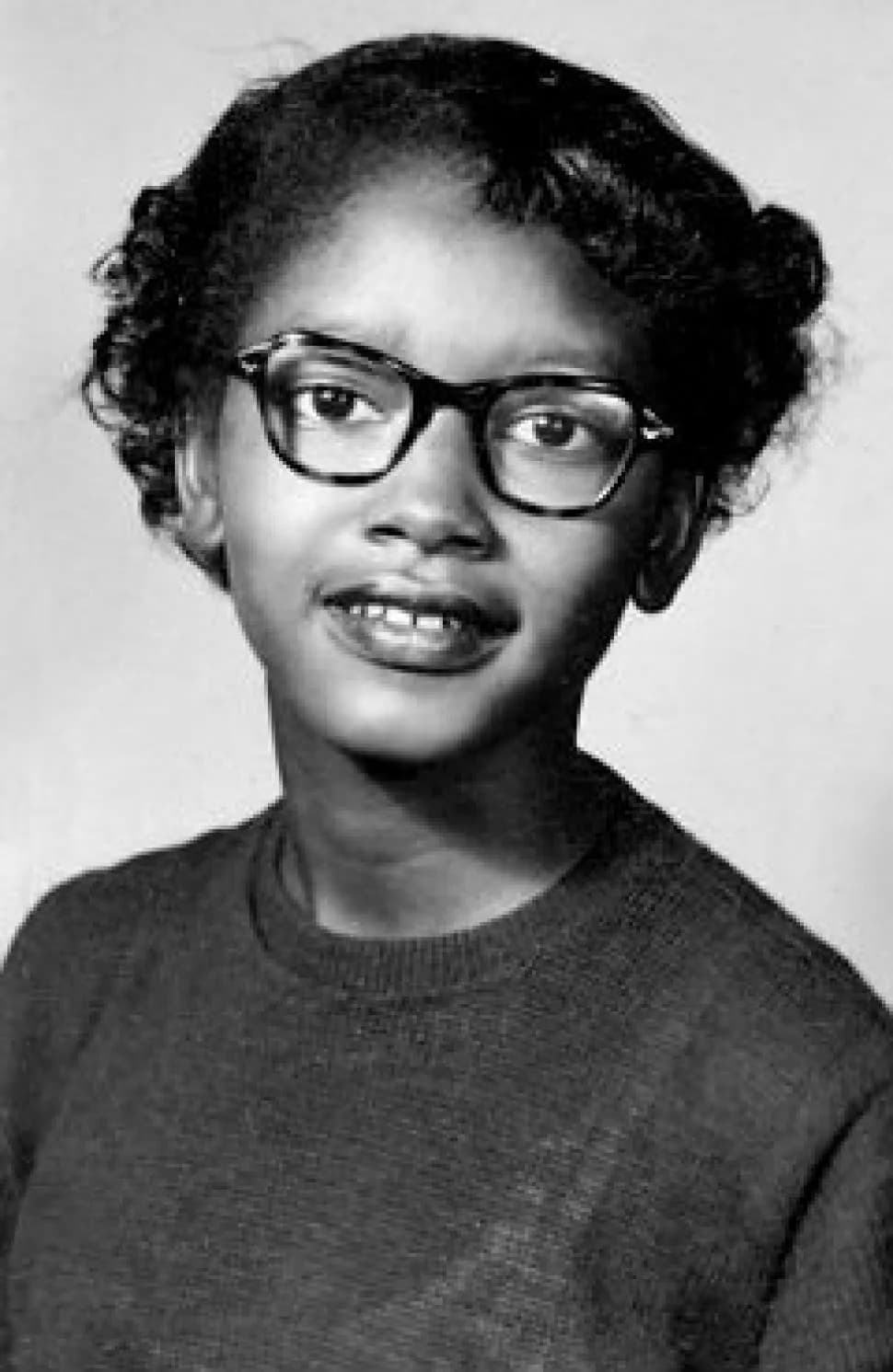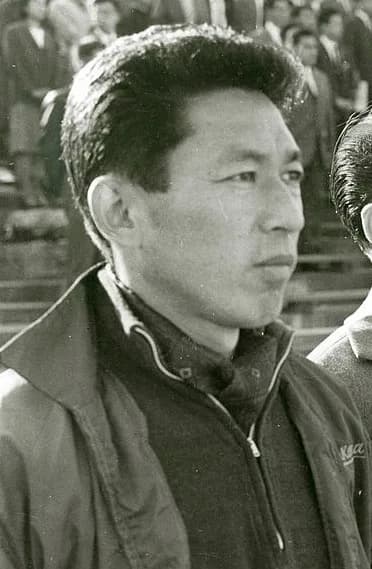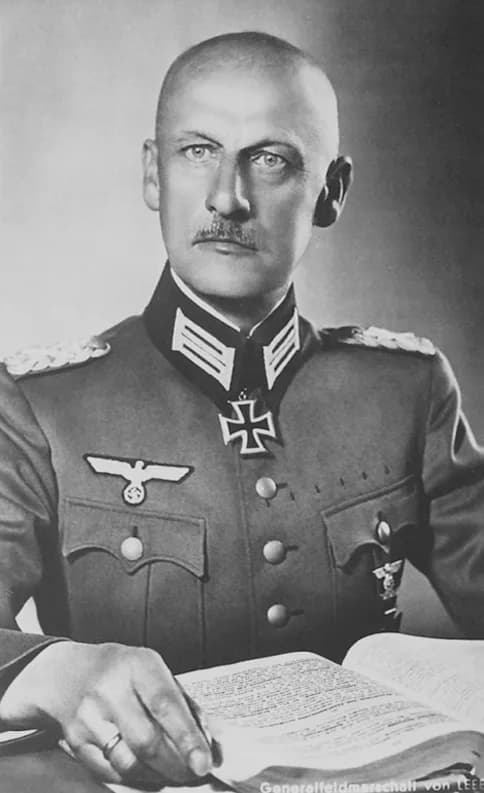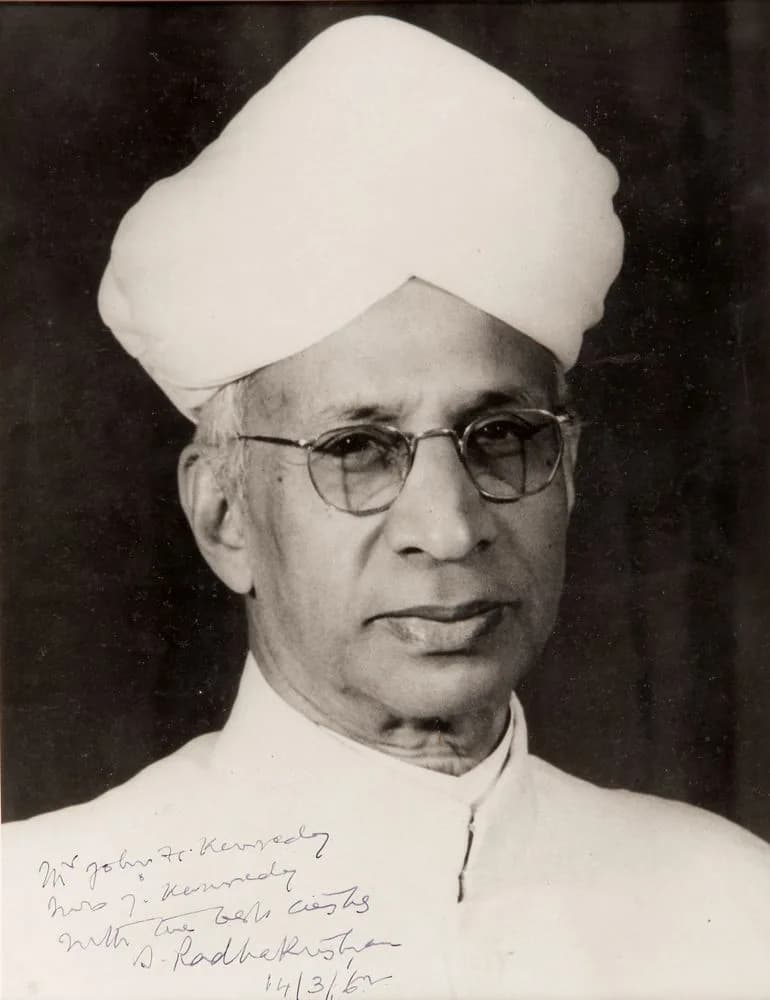
誕生
September 5, 1888
Tiruttani, India
永眠
April 17, 1975
Chennai, India
知られていること
2nd President and 1st Vice President of India, Indian philosopher and politician
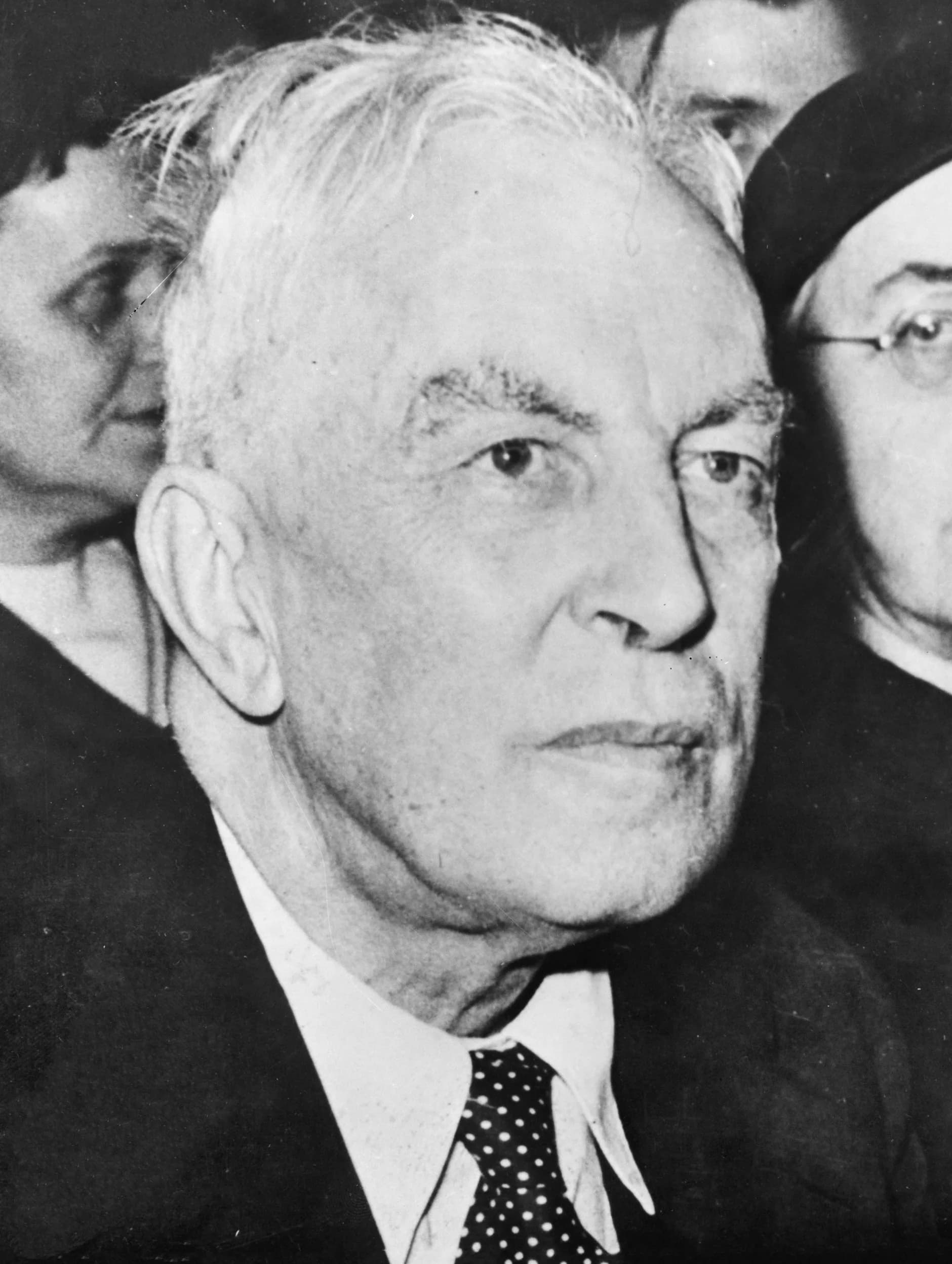
Sarvepalli Radhakrishnan (1888–1975) was India best known for 2nd President and 1st Vice President of India, Indian philosopher and politician.
Sarvepalli Radhakrishnan (September 5, 1888 – April 17, 1975) was an Indian philosopher, politician, and educator. He served as India's 1st Vice President and 2nd President, profoundly shaping the nation's intellectual and political landscape. His work as a scholar of comparative religion and philosophy bridged Eastern and Western thought.
瞬間の中の人生
人生を形作った瞬間
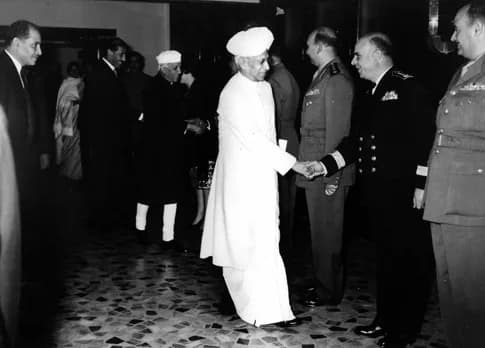
![Sarvepalli Radhakrishnan - Potrait of Mr. President by Bujjai (son of famous telugu poet Devulapalli Krishna Sastri) and signed by Radhakrishnan himself in telugu.
Year : 1947[1]](/_next/image?url=https%3A%2F%2Fcdn.whowasthisguy.com%2Fgallery_wikimedia_commons_1777937804786_1_1c6f7de362.webp&w=1920&q=75)
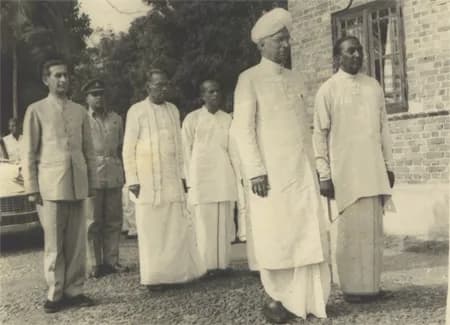
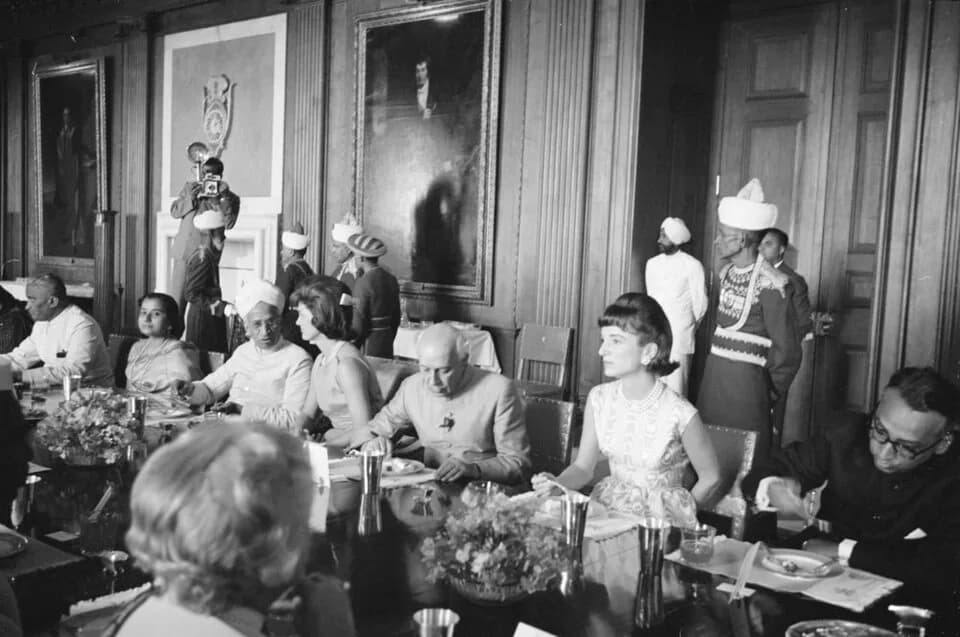
第0章
人生の章
第1章 · 1888年· 全7章中第1章
An Enduring Legacy in Leadership and Thought
Sarvepalli Radhakrishnan (September 5, 1888 – April 17, 1975) was a distinguished Indian philosopher and politician, renowned for his significant contributions to both academia and public service. He served as the 1st Vice President of India and subsequently as the nation's 2nd President, leaving an indelible mark on its intellectual and political evolution. His career traversed roles as a university teacher, diplomat, and statesman, embodying a rare blend of scholarship and leadership.
第2章 · 1888年· 全7章中第2章
Early Life and Origins
Born on September 5, 1888, Sarvepalli Radhakrishnan hailed from Tiruttani, India. His early life in this region laid the foundation for a career that would eventually span the breadth of Indian intellectual and political life. From these modest beginnings, he rose to become one of the most respected figures of the 20th century.
第3章 · 1921年· 全7章中第3章
Academic Foundations and Influence
Radhakrishnan's intellectual journey began with a strong focus on philosophy, where he quickly gained recognition. He held the prestigious King George V Chair of Mental and Moral Science at the University of Calcutta from 1921 to 1932. Later, he extended his scholarly reach internationally by holding the Spalding Chair of Eastern Religion and Ethics at the esteemed University of Oxford from 1936 to 1952.
His academic prowess earned him a reputation as one of the most influential and distinguished 20th-century scholars in comparative religion and philosophy. Through his extensive research and teaching, Radhakrishnan introduced Indian philosophical thought to a global audience, fostering a deeper understanding of diverse spiritual and ethical traditions. His work consistently sought to bridge cultural and philosophical divides.
第4章 · 1931年· 全7章中第4章
Leadership in Academia and Diplomacy
Beyond his professorial roles, Radhakrishnan took on significant administrative responsibilities within India's higher education system. He served as the vice-chancellor of Andhra University from 1931 to 1936, where he guided the institution's academic direction. Following this, he became the vice-chancellor of Banaras Hindu University from 1939 to 1948, steering another major educational hub through a critical period.
Transitioning into diplomacy, Radhakrishnan represented India on the international stage as the ambassador to the Soviet Union from 1949 to 1952. This diplomatic posting demonstrated his capacity for statesmanship and his ability to foster international relations. His tenure in Moscow was crucial in shaping India's early foreign policy during the Cold War era.
第5章 · 1952年· 全7章中第5章
National Leadership and Statesmanship
Sarvepalli Radhakrishnan's commitment to public service culminated in his election as the 1st Vice President of India, a position he held with distinction from 1952 to 1962. His decade as Vice President prepared him for the nation's highest office. Subsequently, he was elected as the 2nd President of India, serving from 1962 to 1967.
As President, Radhakrishnan brought his profound philosophical insights and calming demeanor to the leadership of a young republic. His tenure was marked by a steady hand and a deep understanding of India's diverse cultural and spiritual heritage. He exemplified the ideal of a philosopher-king, guiding the nation with wisdom and intellect.
第6章· 全7章中第6章
Philosophical and Literary Contributions
A prolific writer and thinker, Radhakrishnan's bibliography includes numerous influential works that explored Indian philosophy, religion, and culture. His notable works include 'Religion and culture,' 'The spirit of religion,' 'A source book in Indian philosophy,' 'The Concept of Man,' and 'Foundation of Civilisation.' He also authored 'Dhammapada,' likely an important commentary or translation, and 'The philosophy of Rabindranath Tagore.'
His academic output was substantial, comprising 125 papers and an h-index of 17. Among his top cited works are 'All men are brothers : autobiographical reflections,' published in 2005, and 'The philosophy of Rabindranath Tagore,' which appeared in 2020. These publications demonstrate his expansive intellectual curiosity and his dedication to sharing philosophical insights.
第7章 · 1967年· 全7章中第7章
Later Years and Enduring Legacy
Sarvepalli Radhakrishnan concluded his term as President in 1967, having dedicated decades to public and academic service. He passed away on April 17, 1975, in Chennai, India, at the age of 86. His passing marked the end of an era for a figure who profoundly influenced India's intellectual and political direction.
Radhakrishnan's legacy is that of a statesman who was also a philosopher, a diplomat who was also an educator. He remains celebrated for his ability to articulate and interpret Indian thought for a global audience, making him a bridge between cultures and philosophies. His life continues to inspire generations, remembered for his wisdom, integrity, and unwavering commitment to education and national service.
FAQ
よくある質問
Sarvepalli Radhakrishnanはいつ亡くなりましたか?
Sarvepalli Radhakrishnanは1975年4月17日にChennai, Indiaで亡くなりました(享年86歳)。
Sarvepalli Radhakrishnanはどこで生まれましたか?
Sarvepalli Radhakrishnanは1888年9月5日にTiruttani, Indiaで生まれました。
Sarvepalli Radhakrishnanは何で最もよく知られていますか?
Sarvepalli Radhakrishnanは2nd President and 1st Vice President of India, Indian philosopher and politicianで最もよく知られています。
Sarvepalli Radhakrishnanは何歳で亡くなりましたか?
Sarvepalli Radhakrishnanは亡くなった時86歳でした。
Sarvepalli Radhakrishnanの国籍はどこですか?
Sarvepalli RadhakrishnanはIndiaの出身です。
写真ギャラリー
写真の中の人生
ポラロイドをクリックして拡大 · 45枚の写真
QRコード
この経歴を共有
印刷して共有
スキャンしてこの経歴ページを訪問。イベント、展示会、教育資料に印刷してご利用ください。