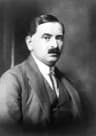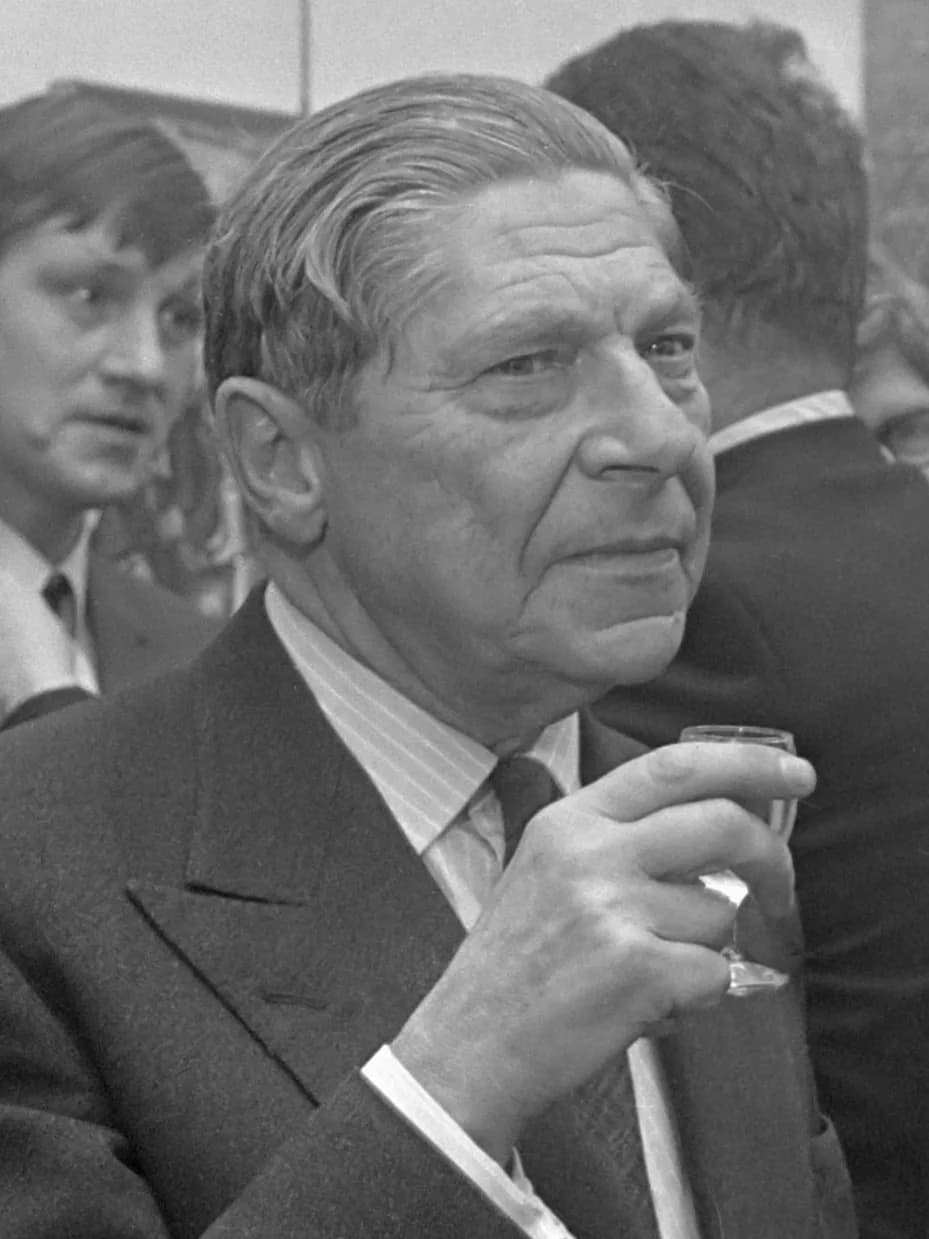
誕生
September 5, 1905
Budapest, Hungary
永眠
March 1, 1983
London, Roman Empire
知られていること
Hungarian-British author and journalist
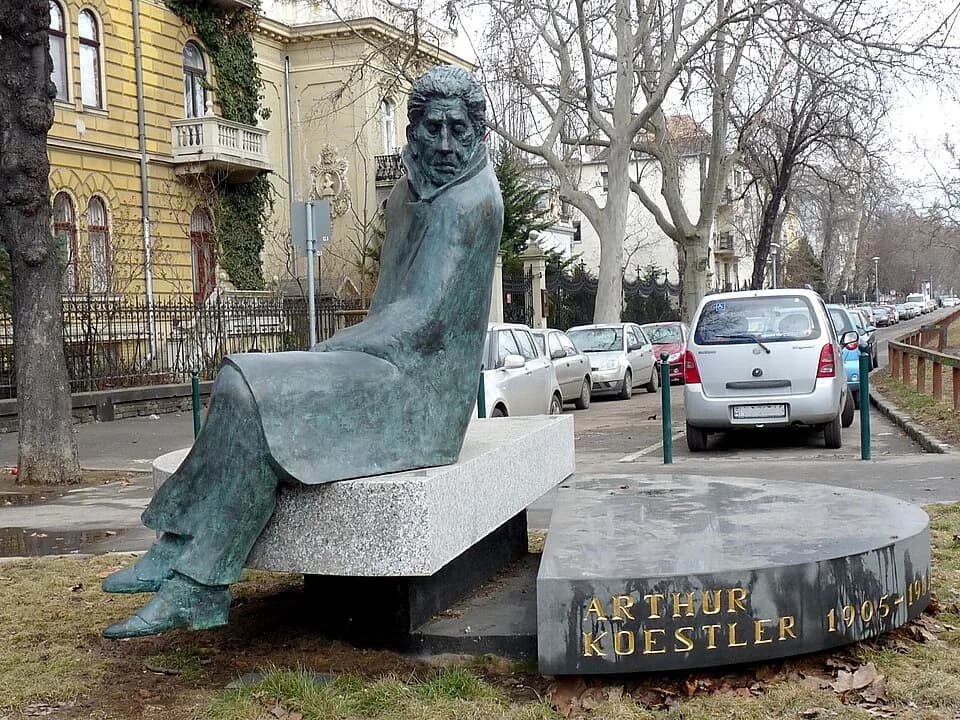
Arthur Koestler (1905–1983) was Hungary best known for Hungarian-British author and journalist.
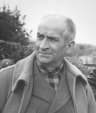
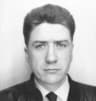
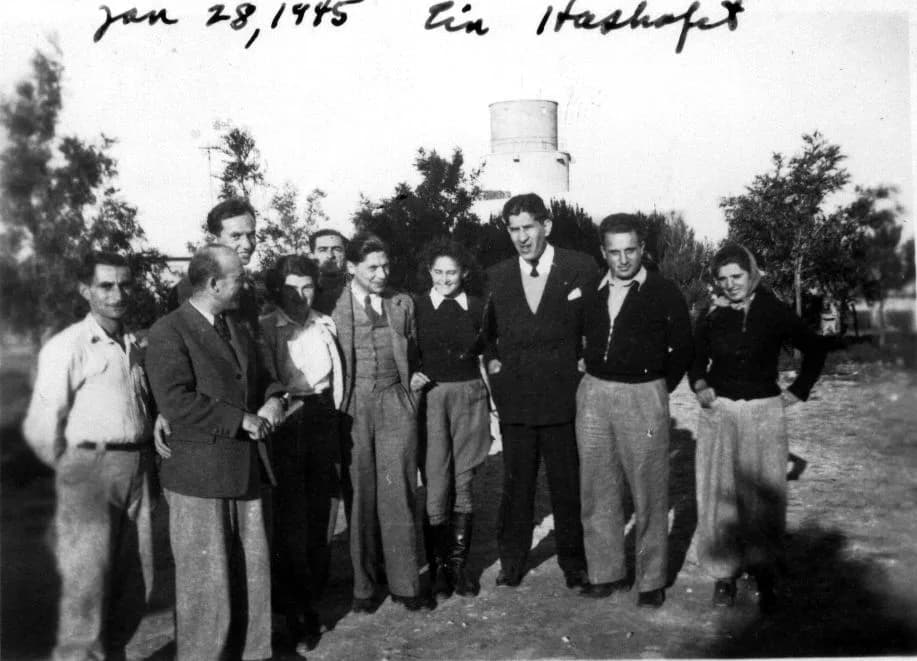
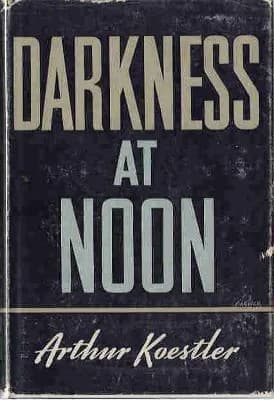
Arthur Koestler (September 5, 1905 – March 1, 1983) was a Hungarian-British author and journalist from Budapest, Hungary. He became known for his influential novel <i>Darkness at Noon</i> and his disillusionment with Stalinism. His writings left a lasting impact on 20th-century political thought.
第0章
人生の章
第1章 · 1905年· 全6章中第1章
Early Life and Origins
Arthur Koestler was born on September 5, 1905, in Budapest, Hungary, during a period when the city was a vibrant part of the Austro-Hungarian Empire. His formative years included early schooling within Hungary, setting the foundation for his future intellectual pursuits. Following this initial period, Koestler continued his education in Austria, where he further developed his critical thinking and engagement with the intellectual currents of the era.
第2章 · 1931年· 全6章中第2章
Career Beginnings
Koestler's journey into a career of public commentary and writing began with a strong political affiliation. In 1931, he joined the Communist Party of Germany, actively participating in the political and social movements of the time. This period immersed him deeply in the ideological struggles that defined much of the early 20th century in Europe.
His work as a journalist during these early years provided him with firsthand experience of political events and human suffering, which would later influence his renowned literary output. He utilized his skills as a writer and reporter to articulate the complex realities he observed, laying the groundwork for his future role as a political scientist and novelist.
第3章 · 1938年· 全6章中第3章
Major Achievements and Career Highlights
A significant shift in Koestler's personal and professional trajectory occurred in 1938 when he made the consequential decision to resign from the Communist Party of Germany. This departure stemmed from his profound disillusionment with Stalinism, having witnessed its oppressive realities. His break from communism marked a critical turning point, informing much of his subsequent work and solidifying his identity as a courageous political observer.
This period of intense ideological reflection directly shaped his most impactful writings, which provided crucial insights into totalitarian systems. His experiences from 1931 to 1938 gave him a unique perspective on the complexities of political belief and the human condition under duress.
第4章· 全6章中第4章
Notable Works or Contributions
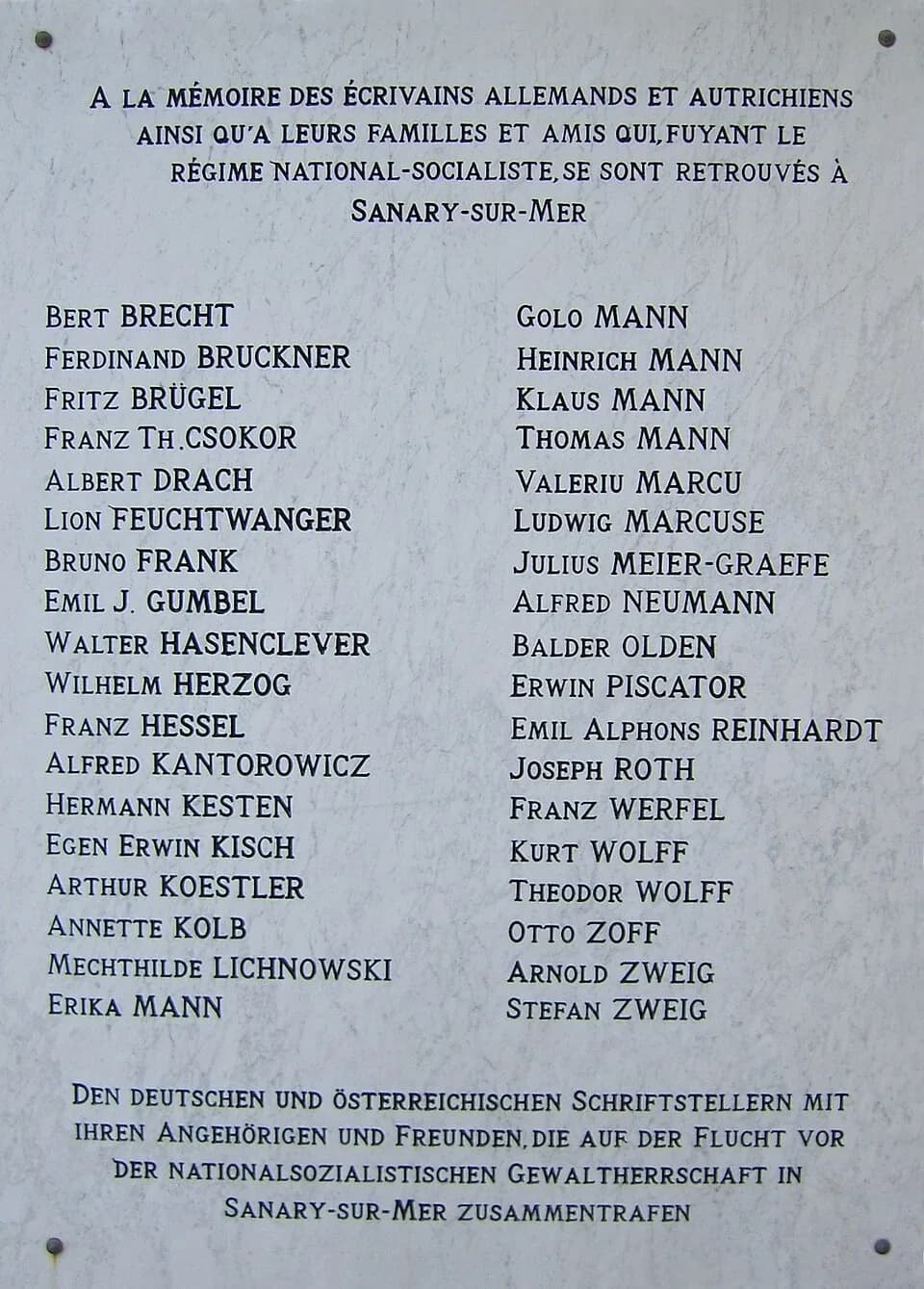
Arthur Koestler is widely recognized for his powerful novel, Darkness at Noon, a seminal work that exposed the mechanisms of totalitarian regimes. This book was published in numerous languages, including Afelah ba-tsohorayim (Hebrew), Reünie (Dutch), Priezd i otʺezd (Russian), Le zéro et l'infini (French), Ẓulmat dar nīmrūz (Persian), and Slepi͡ashchai͡a tʹma (Russian), demonstrating its global reach and enduring relevance. He also authored Arrival and Departure, another significant novel exploring themes of identity and political commitment.
Beyond his acclaimed fiction, Koestler's diverse bibliography includes non-fiction works such as The encyclopaedia of sex practice and El imperio kázaro y su herencia, showcasing his wide intellectual curiosity. His versatility as a writer was evident across his roles as a novelist, journalist, screenwriter, and autobiographer, addressing a broad spectrum of human experience and knowledge.
As a political scientist and philosopher, Koestler also contributed to academic discourse. His papers include "Beyond Atomism and Holism—the Concept of the Holon," published in 2015 and cited 199 times, demonstrating a lasting influence on scientific thought. Other academic contributions include "Chapter Fourteen. The Three Domains Of Creativity" (2009, 30 citations) and "Promise and Fulfilment - Palestine 1917-1949" (1989, 17 citations), further highlighting his scholarly depth. These works attest to his engagement with profound conceptual ideas.
第5章· 全6章中第5章
Later Years
In his later career, Arthur Koestler continued to develop his philosophical and journalistic pursuits, maintaining his position as a prominent Hungarian-British intellectual. He authored several autobiographical works, providing readers with intimate accounts of his life and the historical epochs he traversed. His final years were dedicated to these intellectual endeavors, reinforcing his legacy as a profound thinker.
第6章 · 1983年· 全6章中第6章
Legacy and Impact
Arthur Koestler passed away on March 1, 1983, in London, Roman Empire, leaving behind an extensive and influential body of work. His critical analysis of political ideologies, particularly his piercing critique of Stalinism, remains a vital resource for scholars and general readers alike. His writings profoundly shaped anti-totalitarian discourse in the 20th century and continue to be studied for their historical and philosophical insights.
His academic contributions, reflected in an h-index of 24 and 88 papers, including works like "Holons and Holarchy of Arthur Koestler" (2012), show his lasting intellectual influence. Koestler's conceptualization of the 'holon' continues to be a point of discussion in various scientific and philosophical fields. Through his novels, journalism, and philosophical texts, Arthur Koestler left an enduring legacy as a courageous truth-seeker and an insightful commentator on the human condition.
瞬間の中の人生
人生を形作った瞬間

FAQ
よくある質問
Arthur Koestlerはいつ亡くなりましたか?
Arthur Koestlerは1983年3月1日にLondon, Roman Empireで亡くなりました(享年77歳)。
Arthur Koestlerはどこで生まれましたか?
Arthur Koestlerは1905年9月5日にBudapest, Hungaryで生まれました。
Arthur Koestlerは何で最もよく知られていますか?
Arthur KoestlerはHungarian-British author and journalistで最もよく知られています。
Arthur Koestlerは何歳で亡くなりましたか?
Arthur Koestlerは亡くなった時77歳でした。
Arthur Koestlerの国籍はどこですか?
Arthur KoestlerはHungaryの出身です。
写真ギャラリー
写真の中の人生
ポラロイドをクリックして拡大 · 39枚の写真
QRコード
この経歴を共有
印刷して共有
スキャンしてこの経歴ページを訪問。イベント、展示会、教育資料に印刷してご利用ください。