誕生
September 4, 1877
Bērze, Latvia
永眠
September 20, 1942
Türkmenbaşy, Turkmenistan
知られていること
Prime Minister of Latvia and agronomist
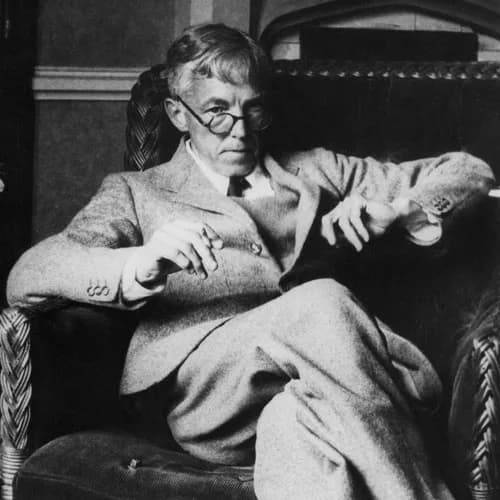
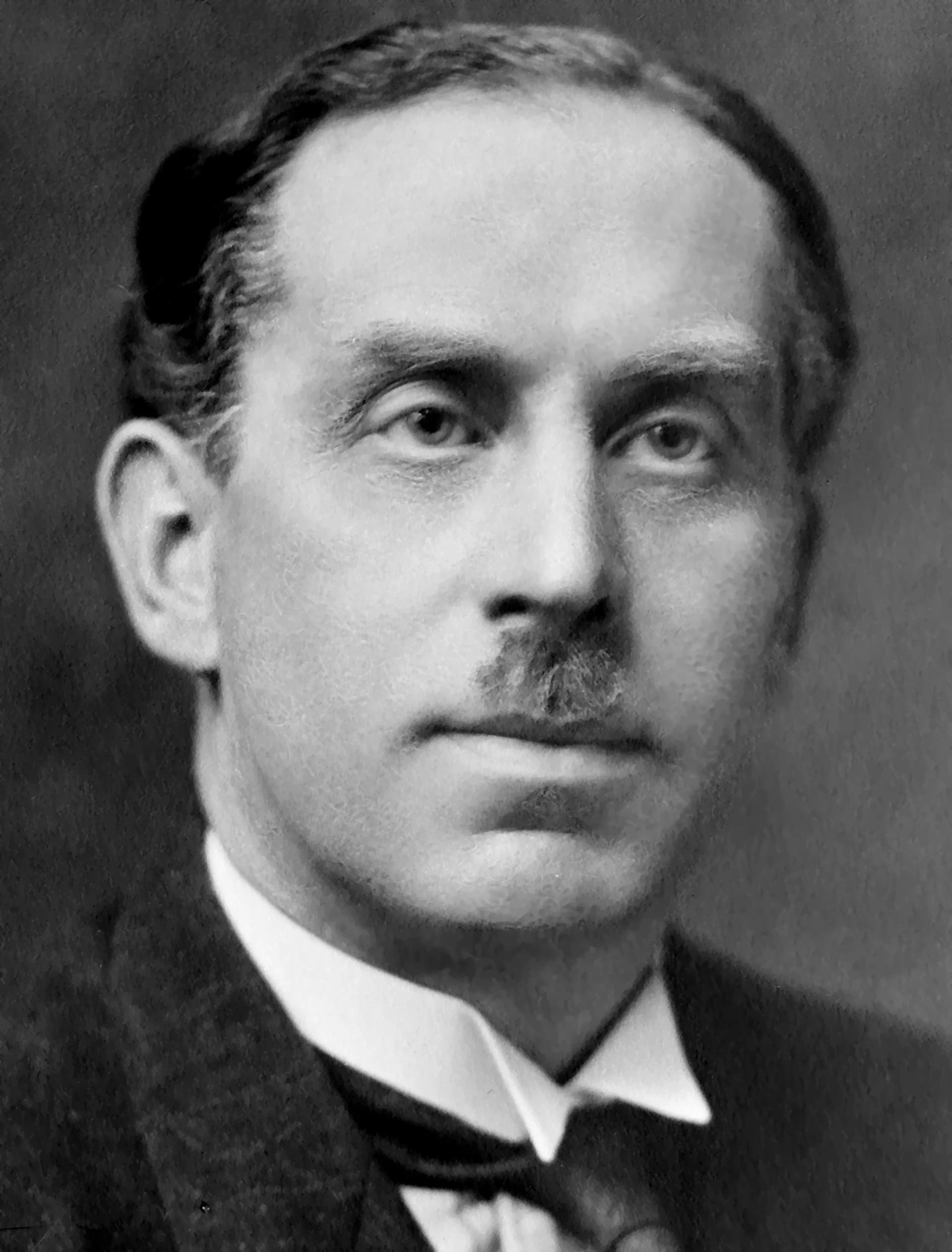
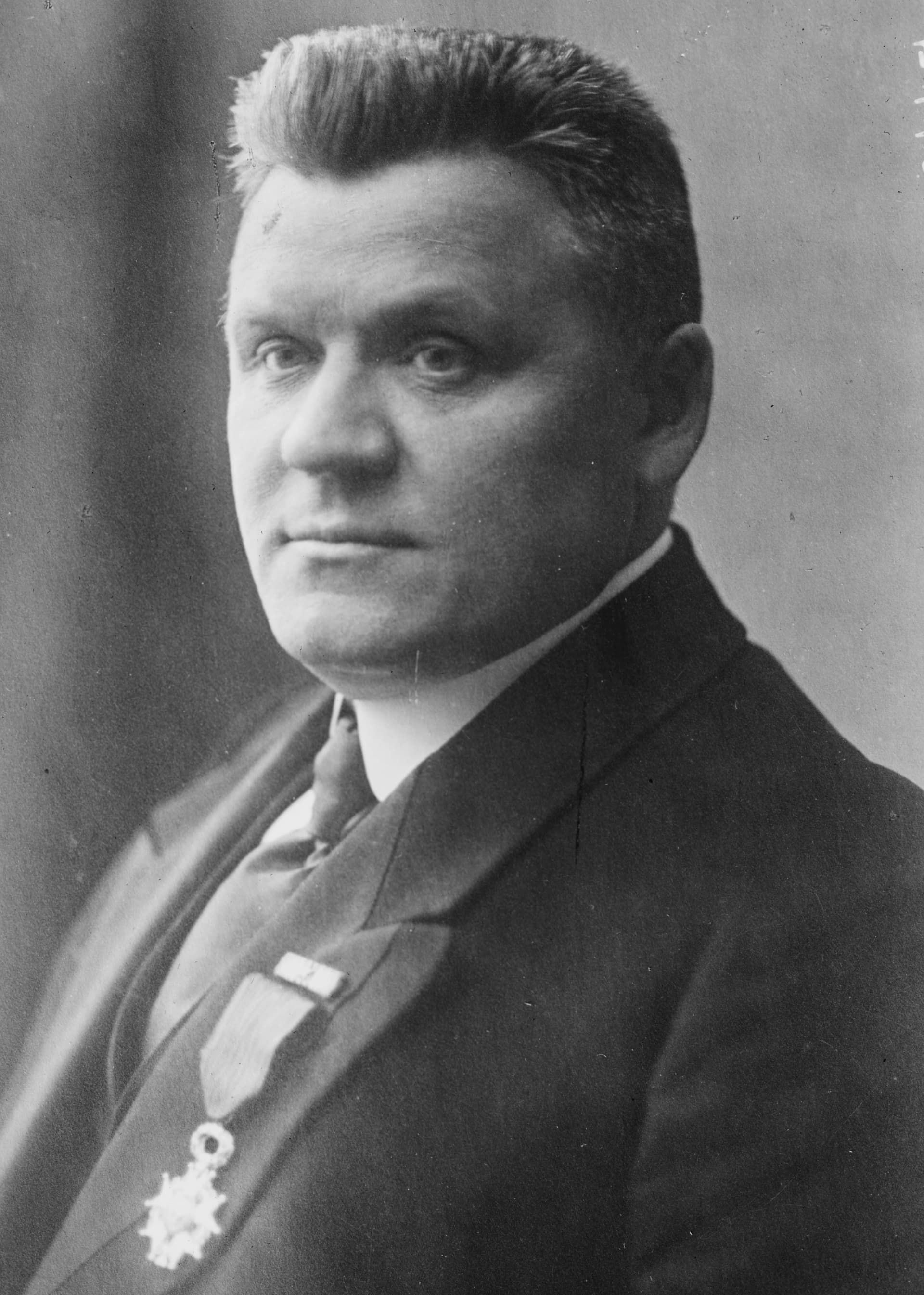
Kārlis Ulmanis (1877–1942) was Latvia best known for Prime Minister of Latvia and agronomist.
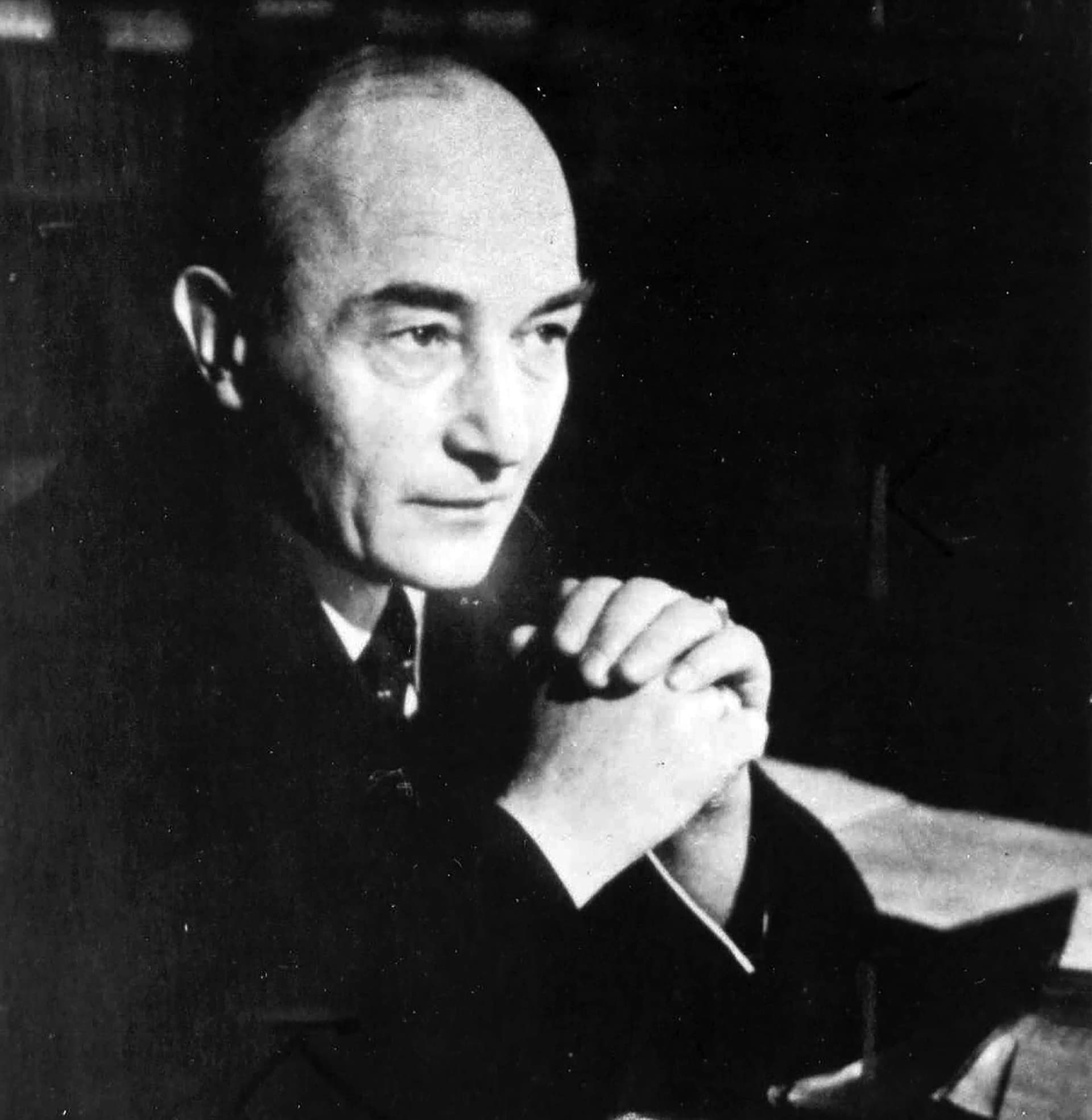
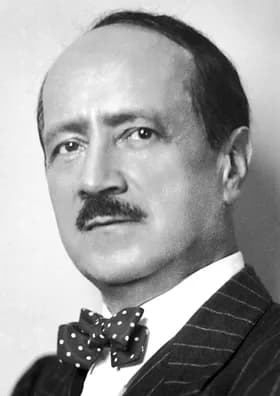
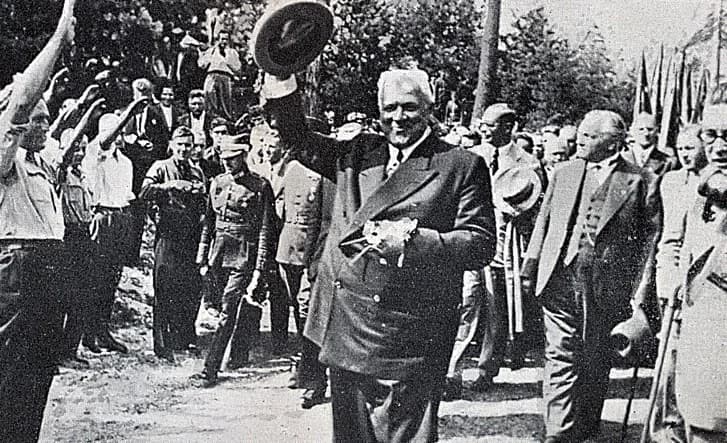
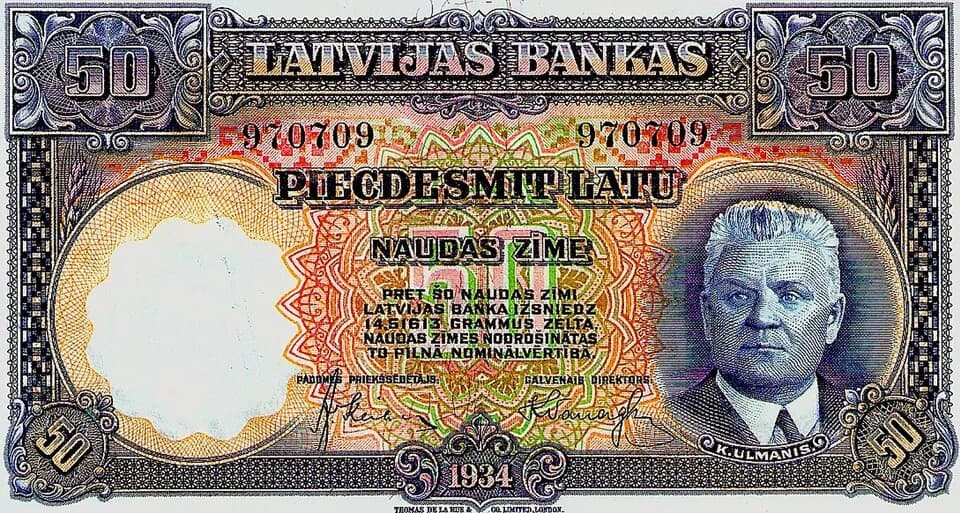
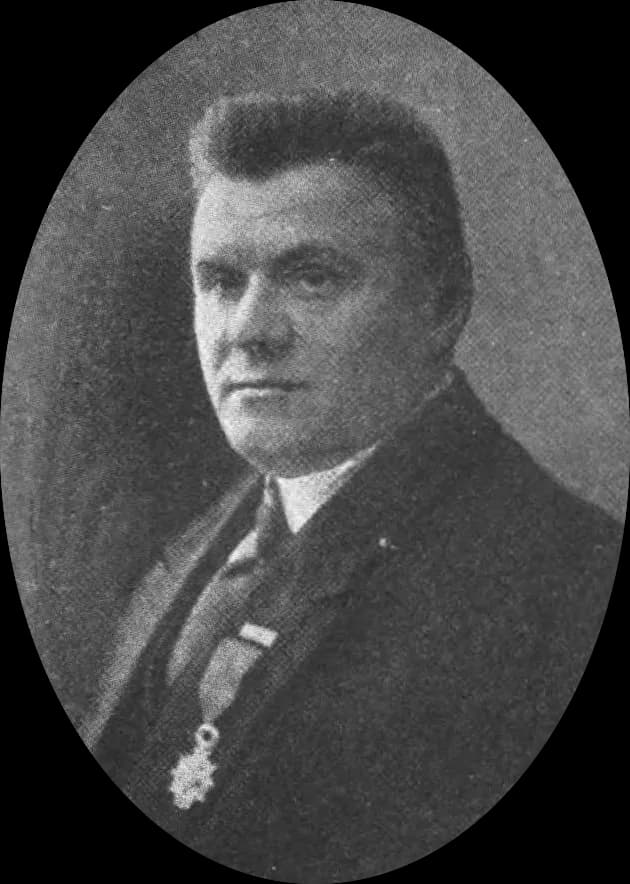
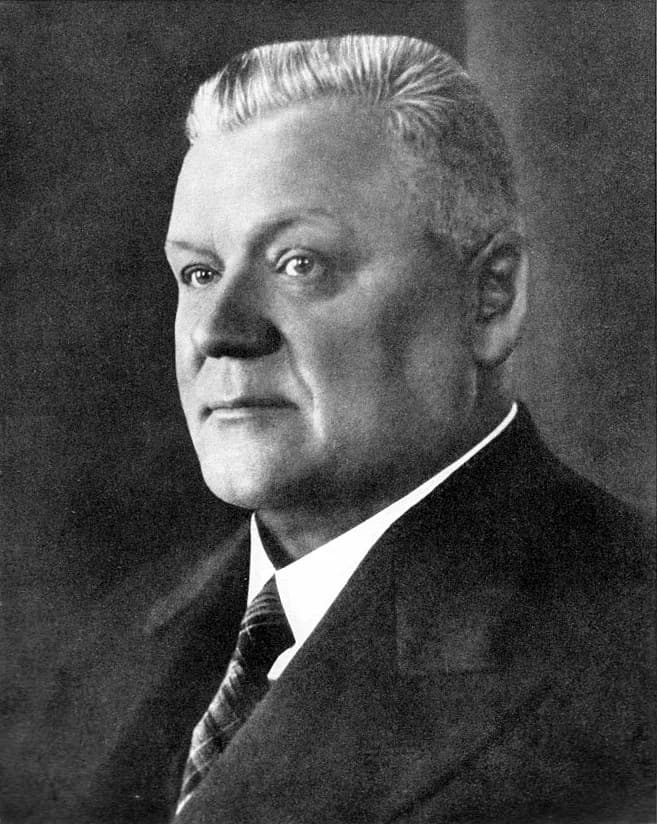
Kārlis Augusts Vilhelms Ulmanis (September 4, 1877 – September 20, 1942) was a Latvian politician, diplomat, and agronomist from Bērze, Latvia. He served as Latvia's first Prime Minister, playing a prominent role in the nation's independence during the interwar period. His leadership significantly shaped the young Latvian republic.
瞬間の中の人生
人生を形作った瞬間
第0章
人生の章
第1章 · 1877年· 全7章中第1章
Early Life and Origins
Kārlis Ulmanis was born on September 4, 1877, in Bērze, Latvia. His upbringing in this rural Latvian setting deeply connected him to the land and its agricultural traditions. This early exposure to farming likely fueled his later professional path as an agronomist, a field where he would gain considerable expertise.
His foundational years instilled a practical understanding of Latvia's economic backbone and the needs of its people. This intimate knowledge of the countryside and its challenges would prove invaluable throughout his extensive career in public service. It provided a unique perspective as he transitioned into national leadership.
第2章· 全7章中第2章
Career Beginnings
Before entering the highest echelons of Latvian politics, Ulmanis established himself as a respected agronomist. His work in agricultural science showcased a keen intellect and a dedication to practical, impactful endeavors. This initial professional path gave him a deep understanding of resource management and economic development, crucial for any emerging nation.
His transition into politics was a natural extension of his commitment to national well-being. From his beginnings, he demonstrated a capacity for leadership and a vision for an independent Latvia. This journey from an agricultural expert to a key political architect underscored his diverse talents.
第3章· 全7章中第3章
Major Achievements and Career Highlights
Kārlis Ulmanis served as Latvia's first Prime Minister, a pivotal role in the country's struggle for and consolidation of independence. He was one of the most prominent Latvian politicians during the entire interwar period, a critical time for the young republic. His influence helped shape the country's national identity and governmental structures.
His tenure as Prime Minister began in November 1918 and extended through June 1940, almost the entire duration of Latvia's initial independence. During these decades, he guided the nation through numerous challenges, both domestic and international. His political acumen was essential in navigating the complexities of post-World War I Europe and establishing Latvia's place on the global stage.
Ulmanis's leadership during these years was dedicated to building a stable and prosperous Latvia. He oversaw the implementation of policies aimed at national development, economic growth, and social cohesion. His steadfast commitment to the nation's sovereignty left an enduring mark on its trajectory.
第4章· 全7章中第4章
Personal Life
While Kārlis Ulmanis's public career and political contributions are well-documented, details concerning his personal life are not extensively available in historical records. His dedication was primarily directed towards the affairs of the state and the welfare of the Latvian nation. This focus defined his adult life.
第5章· 全7章中第5章
Notable Works or Contributions
Beyond his roles as a politician and diplomat, Kārlis Ulmanis was also recognized for his contributions as an agronomist. His expertise in agricultural sciences likely informed policies that strengthened Latvia's rural economy. This knowledge was fundamental in a nation where agriculture played a central role.
As a diplomat, Ulmanis also contributed to Latvia's international standing. He played a part in fostering relationships with other nations and ensuring Latvia's voice was heard. His multifaceted contributions, spanning both practical science and international relations, demonstrated a broad commitment to his country.
第6章 · 1940年· 全7章中第6章
Later Years
Kārlis Ulmanis's political career concluded in June 1940, a period marked by profound geopolitical shifts that affected Latvia's sovereignty. Following these dramatic events, his life took a difficult turn. He was removed from power and subsequently exiled.
He passed away on September 20, 1942, in Türkmenbaşy, Turkmenistan, far from his native Latvia. His final years were spent under circumstances far removed from the national leadership he once held. His death in exile marked the end of a life dedicated to his homeland.
第7章· 全7章中第7章
Legacy and Impact
Kārlis Ulmanis's legacy is intricately tied to the early history and independence of Latvia. He is remembered as one of the most prominent Latvian politicians of the interwar period. His leadership was foundational in establishing the administrative and political framework of the young republic.
The period from November 1918 to June 1940, largely shaped by his influence, saw Latvia assert its sovereignty and develop its national character. His contributions continue to be a significant part of historical discussions about Latvia's journey as an independent state. He remains a central figure in the narrative of Latvian self-determination.
FAQ
よくある質問
Kārlis Ulmanisはいつ亡くなりましたか?
Kārlis Ulmanisは1942年9月20日にTürkmenbaşy, Turkmenistanで亡くなりました(享年65歳)。
Kārlis Ulmanisはどこで生まれましたか?
Kārlis Ulmanisは1877年9月4日にBērze, Latviaで生まれました。
Kārlis Ulmanisは何で最もよく知られていますか?
Kārlis UlmanisはPrime Minister of Latvia and agronomistで最もよく知られています。
Kārlis Ulmanisは何歳で亡くなりましたか?
Kārlis Ulmanisは亡くなった時65歳でした。
Kārlis Ulmanisの国籍はどこですか?
Kārlis UlmanisはLatviaの出身です。
年表
人生の概要
写真ギャラリー
写真の中の人生
ポラロイドをクリックして拡大 · 24枚の写真
QRコード
この経歴を共有
印刷して共有
スキャンしてこの経歴ページを訪問。イベント、展示会、教育資料に印刷してご利用ください。