誕生
September 4, 1896
Marseille, France
永眠
March 4, 1948
Paris, France
知られていること
French-Occitanian poet, playwright, actor and theatre director
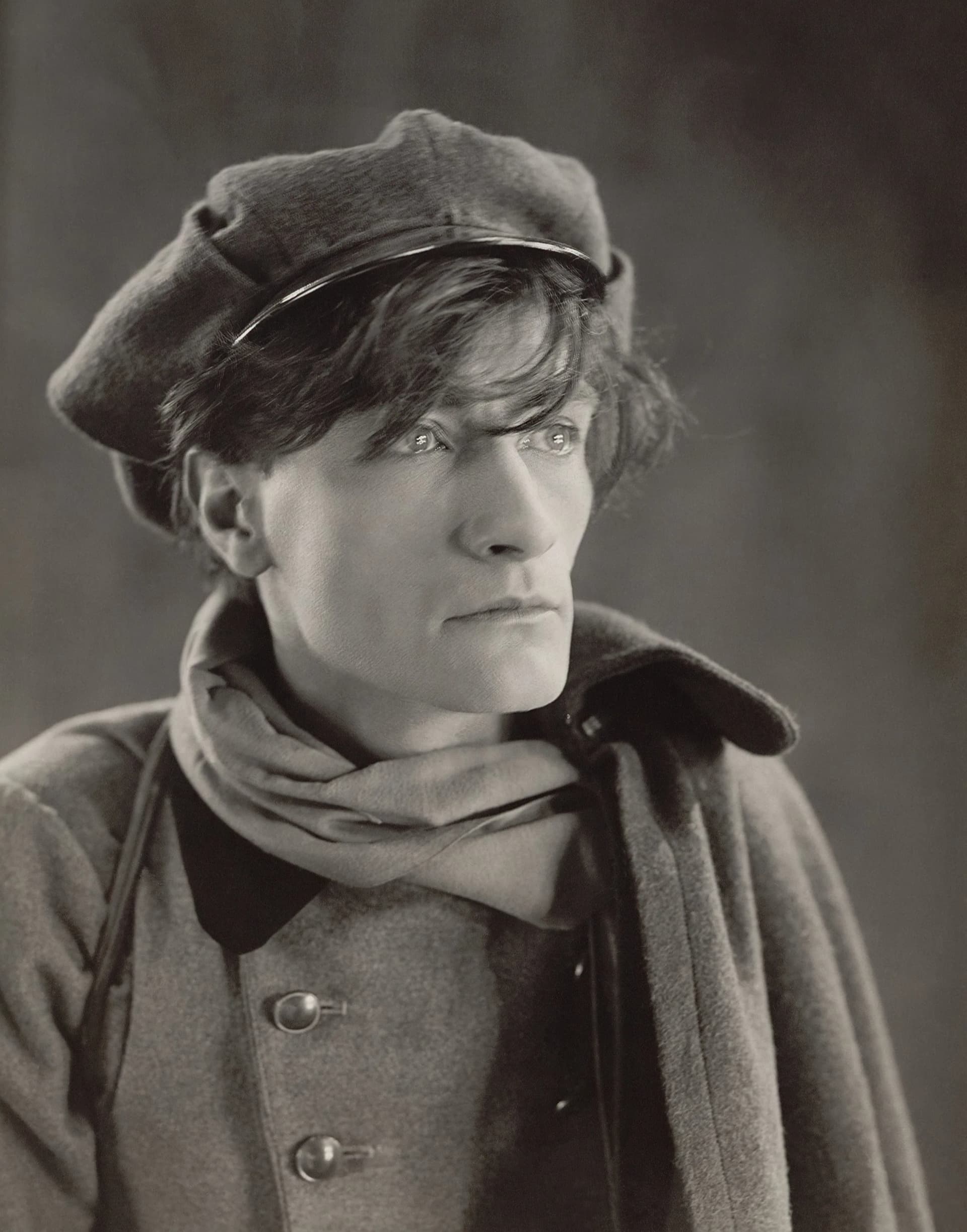
Antonin Artaud (1896–1948) was France best known for French-Occitanian poet, playwright, actor and theatre director.
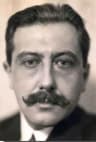
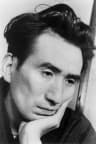
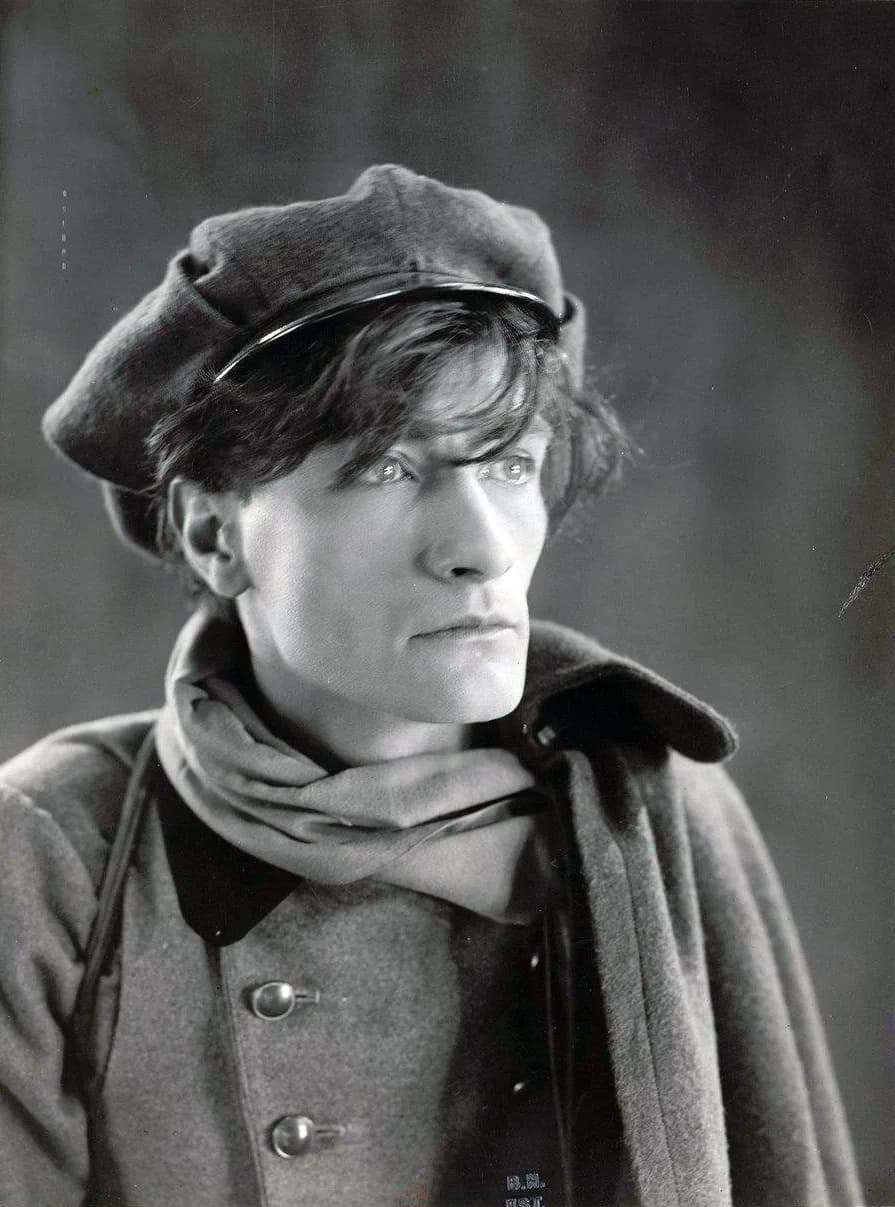
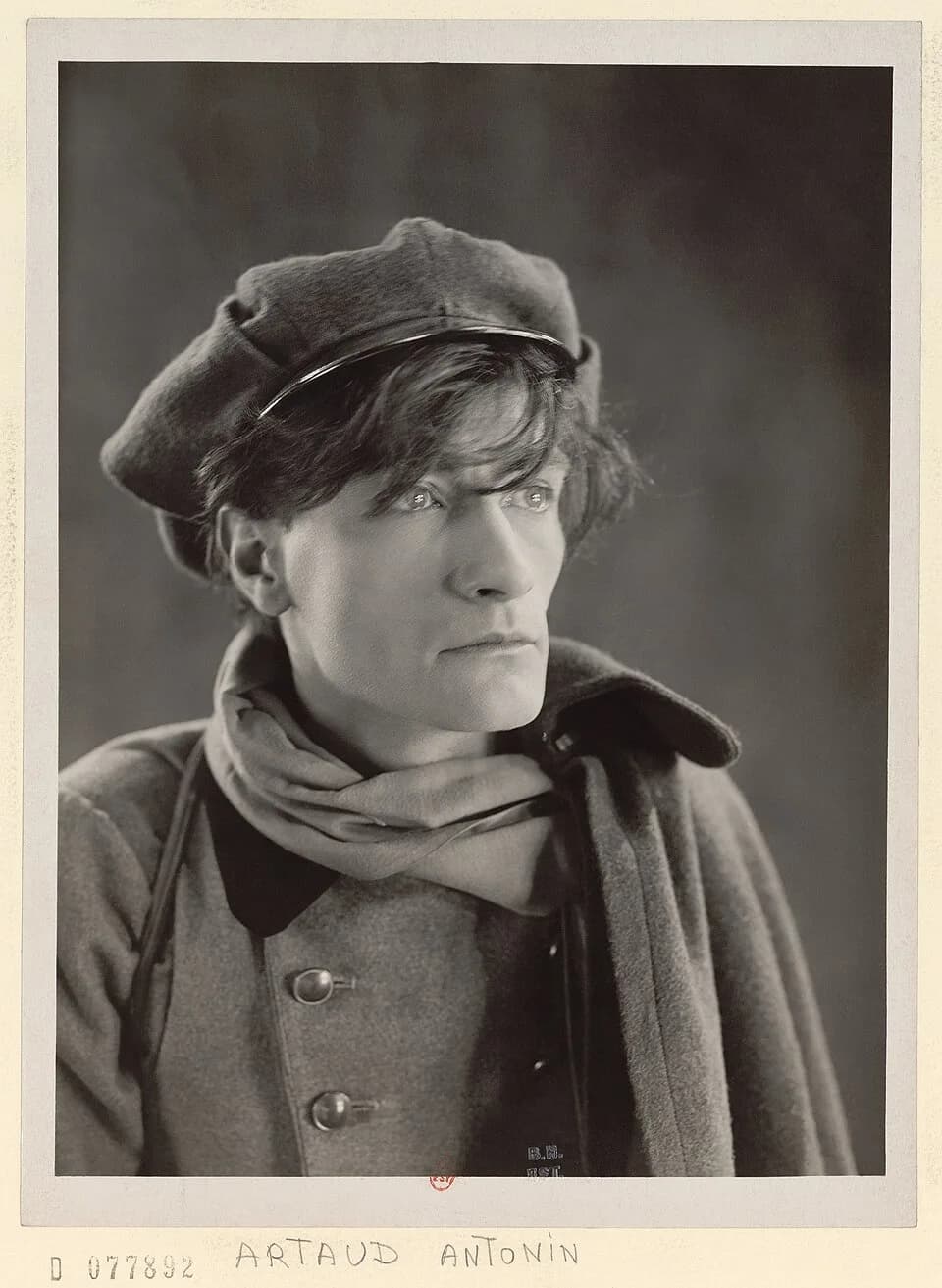
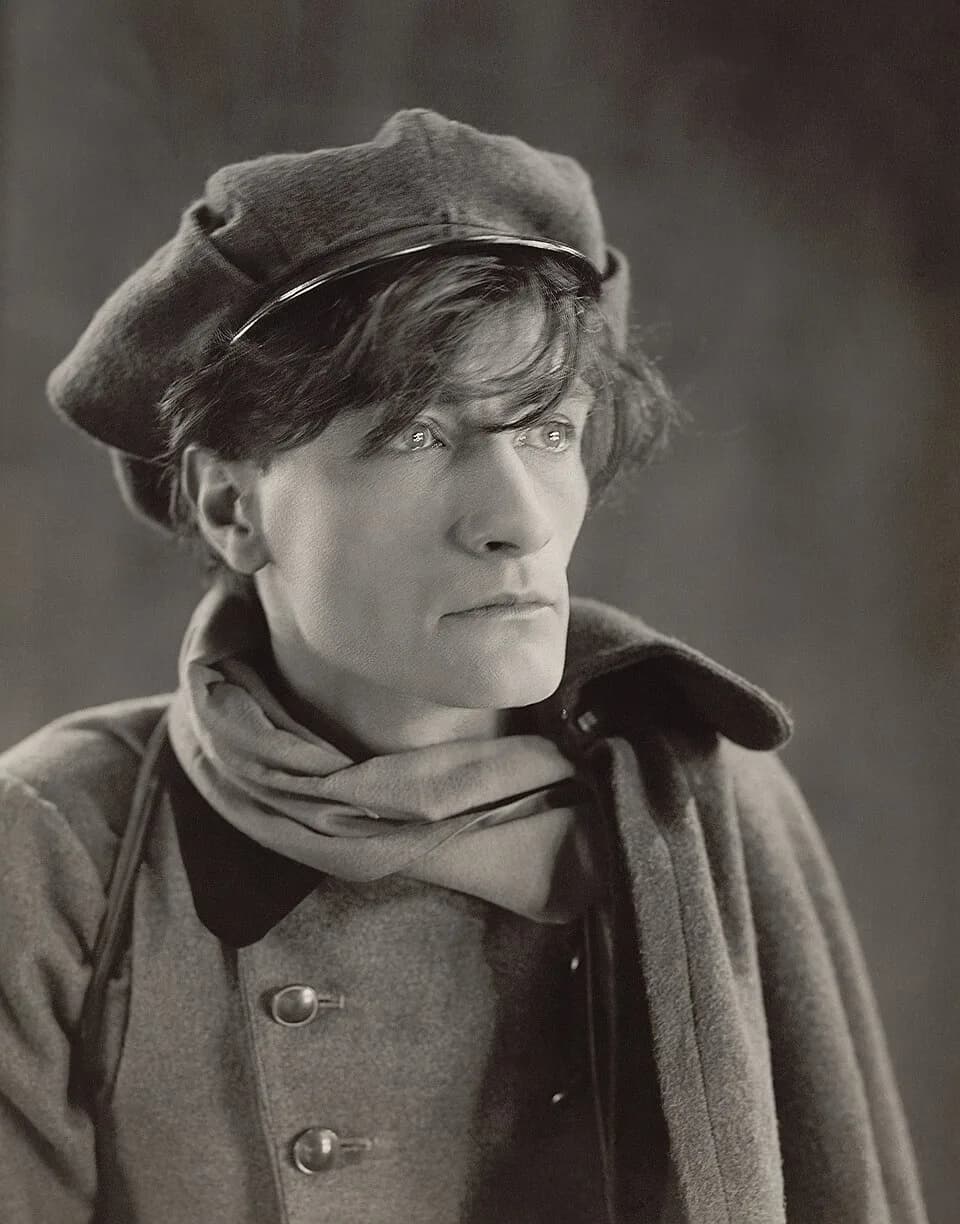
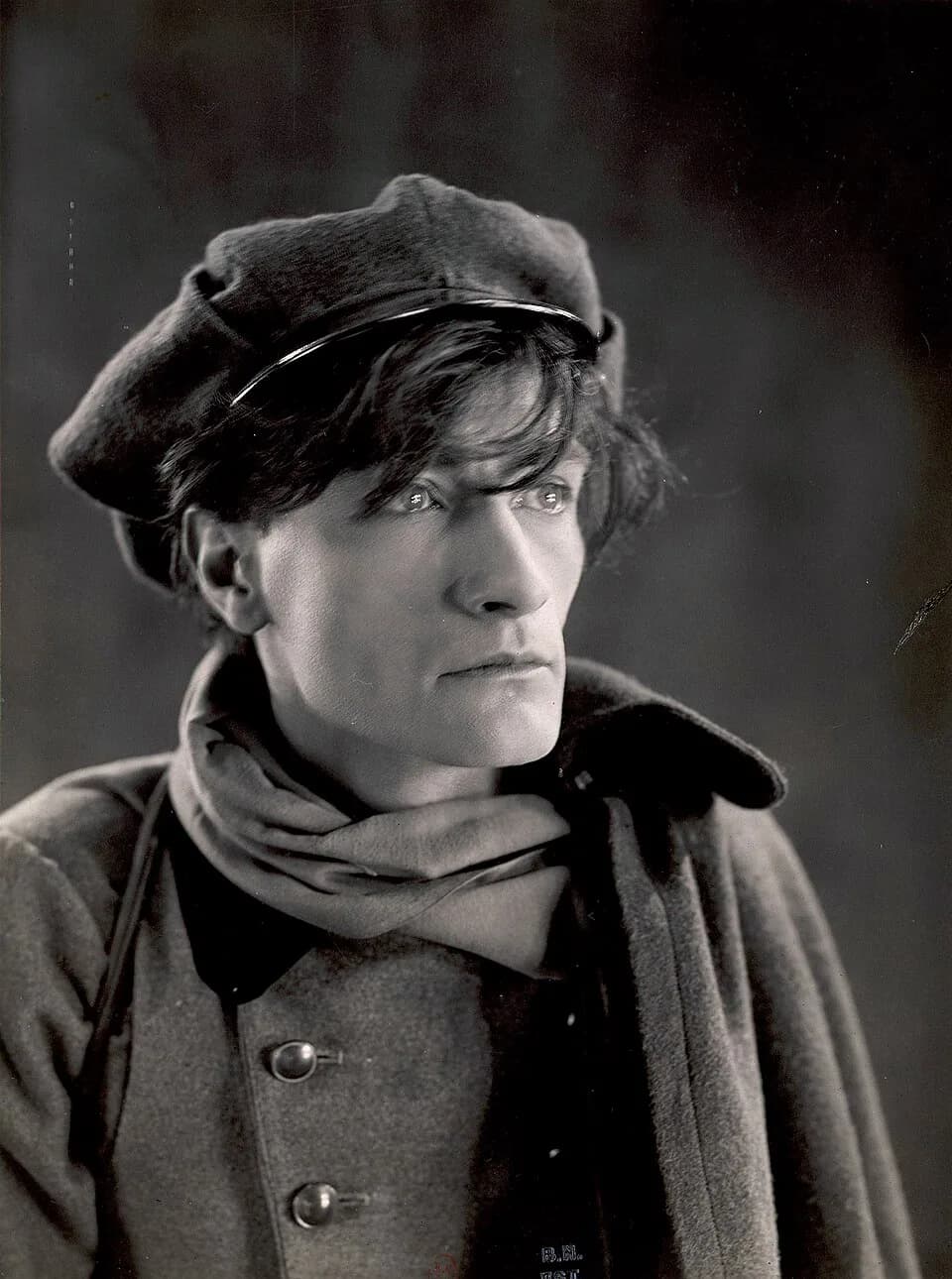
Antonin Artaud (September 4, 1896 – March 4, 1948) was a French-Occitanian poet, playwright, actor, and theatre director. He was a major figure of the European avant-garde, best known for his conceptualization of the Theatre of Cruelty. His raw, surreal work deeply influenced 20th-century theatre.
第0章
人生の章
第1章 · 1896年· 全8章中第1章
Opening
Antonin Artaud (September 4, 1896 – March 4, 1948) was a French-Occitanian poet, playwright, actor, and theatre director whose radical ideas profoundly influenced twentieth-century art. He emerged as a major figure of the European avant-garde, known for challenging conventional artistic boundaries. His work, characterized by its raw and surreal qualities, continues to inspire artists and thinkers across various media.
第2章 · 1896年· 全8章中第2章
Early Life and Origins
Antonin Artaud was born Antoine Maria Joseph Paul Artaud on September 4, 1896, in Marseille, France. This vibrant port city served as his birthplace, providing the backdrop for his formative years. He later relocated to Paris, France, which would become both a center for his artistic endeavors and the place of his passing.
第3章 · 1931年· 全8章中第3章
Career Beginnings
Artaud embarked on a diverse professional path early in his career, embracing roles as a screenwriter, actor, writer, and poet. He also gained experience as a stage actor and film actor, contributing to works like "Faubourg Montmartre" in 1931 and "Mater dolorosa" in 1932. These early engagements across different artistic fields laid the foundation for his later, more revolutionary contributions to theatre and cinema.
第4章· 全8章中第4章
Major Achievements and Career Highlights
Antonin Artaud is widely celebrated for his groundbreaking conceptualization of the Theatre of Cruelty, a theoretical framework that dramatically reshaped modern theatrical practice. This vision sought to confront audiences with intense, visceral experiences, drawing from primitive and mythical expressions. He was recognized as a major figure of the European avant-garde, pushing artistic boundaries through his surreal and transgressive work.
His influence extended deeply into twentieth-century theatre, encouraging a departure from traditional narrative forms towards a more symbolic and ritualistic approach. Artaud’s raw artistic expression consistently explored challenging themes, leaving an undeniable mark on performance art and drama. He also worked as a film director, director, film critic, essayist, and performance artist, demonstrating his versatile artistic talents.
第5章· 全8章中第5章
Personal Life
While the provided information does not detail Antonin Artaud's personal family life or relationships, his artistic output often stemmed from deep introspection and philosophical inquiry. His texts frequently explored profound themes rooted in his unique perspective. Artaud's interests clearly included ancient cultures, philosophy, the occult, mysticism, and indigenous Mexican and Balinese practices, which significantly informed his creative output.
第6章· 全8章中第6章
Notable Works or Contributions
Antonin Artaud's bibliography includes significant literary works such as "Ce que l'Oiseau Noir m'a Raconte," "Le pèse-nerfs suivi des Fragments d'un journal d'enfer," and "Pour en finir avec le jugement de Dieu." He also authored "Le théâtre de Séraphin," "Tric trac du ciel," and "Vie et mort de Satan le feu." These writings delve into the complex themes that fascinated him, ranging from cosmologies to the mystical.
Beyond his written texts, Artaud also contributed to visual art, with notable pieces like "The Theater and the Gods (Le Théatre et les Dieux)" from 1966 and "Poésie de mots inconnus" from 1949. His acting career included roles in films such as "Liliom" (1934), "Koenigsmark" (1935), and "The Road to Glory" (1936). He also appeared in "Lucrezia Borgia" (1935) and "Wooden Crosses" (1954).
第7章 · 1948年· 全8章中第7章
Later Years
Antonin Artaud continued to evolve his artistic vision into his later years, solidifying his status as a singular voice in French and European art. He passed away in Paris, France, on March 4, 1948, at the age of 51. His passing marked the end of a life dedicated to pushing the boundaries of artistic expression and challenging conventional thought.
第8章· 全8章中第8章
Legacy and Impact
Antonin Artaud's enduring legacy is primarily defined by his profound influence on twentieth-century theatre through the Theatre of Cruelty. His theories encouraged generations of artists to explore performance as a visceral, ritualistic, and confrontational experience, moving beyond mere representation. His radical ideas continue to resonate in contemporary experimental theatre, performance art, and philosophy.
His writings, which explored complex themes from ancient cosmologies to the occult, cement his place as a seminal figure in the European avant-garde. Artaud's work, known for its surreal and transgressive qualities, continues to inspire new interpretations and artistic movements. He remains an essential reference for anyone studying the evolution of modern and postmodern performance.
瞬間の中の人生
人生を形作った瞬間
FAQ
よくある質問
Antonin Artaudはいつ亡くなりましたか?
Antonin Artaudは1948年3月4日にParis, Franceで亡くなりました(享年51歳)。
Antonin Artaudはどこで生まれましたか?
Antonin Artaudは1896年9月4日にMarseille, Franceで生まれました。
Antonin Artaudは何で最もよく知られていますか?
Antonin ArtaudはFrench-Occitanian poet, playwright, actor and theatre directorで最もよく知られています。
Antonin Artaudは何歳で亡くなりましたか?
Antonin Artaudは亡くなった時51歳でした。
Antonin Artaudの国籍はどこですか?
Antonin ArtaudはFranceの出身です。
年表
人生の概要
- 1896
Opening
- 1896
Early Life and Origins
- 1931
Career Beginnings
- 1948
Later Years
写真ギャラリー
写真の中の人生
ポラロイドをクリックして拡大 · 37枚の写真
QRコード
この経歴を共有
印刷して共有
スキャンしてこの経歴ページを訪問。イベント、展示会、教育資料に印刷してご利用ください。