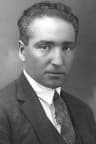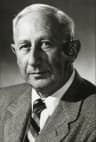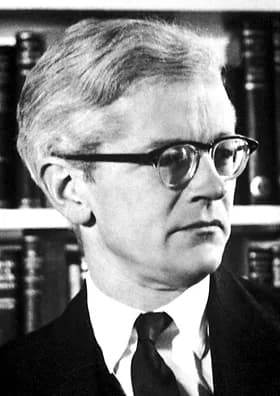
誕生
March 24, 1917
Oxford, United Kingdom
永眠
August 23, 1997
Cambridge, United Kingdom
知られていること
English biochemist and crystallographer
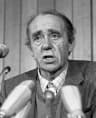
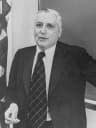
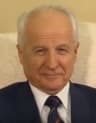
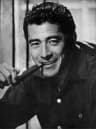
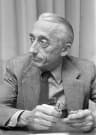
John Kendrew (1917–1997) was United Kingdom best known for English biochemist and crystallographer.
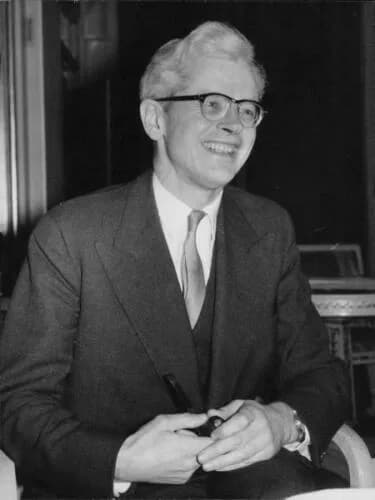
Sir John Kendrew (March 24, 1917 – August 23, 1997) was an English biochemist and crystallographer. He shared the 1962 Nobel Prize in Chemistry for elucidating the structure of haem-containing proteins, notably myoglobin. His work set a precedent for understanding molecular structures in biology.
第0章
人生の章
第1章 · 1917年· 全8章中第1章
Opening Tribute
Sir John Cowdery Kendrew (1917–1997) was a distinguished English biochemist and crystallographer whose pioneering research significantly advanced our understanding of biological molecules. He dedicated his life to scientific inquiry, leaving an enduring legacy in the fields of chemistry and biology. Kendrew's important work helped to unravel the complex structures of proteins, fundamentally changing how scientists viewed life at the molecular level. His contributions earned him global recognition and one of science's highest honors.
第2章 · 1917年· 全8章中第2章
Early Life and Origins
John Cowdery Kendrew was born on March 24, 1917, in Oxford, United Kingdom. His early life in this historic city likely fostered an intellectual curiosity that would define his future career. Kendrew received a robust education, laying the groundwork for his later scientific pursuits. This formative period in Oxford instilled in him a rigorous approach to research and discovery.
第3章· 全8章中第3章
Career Beginnings
Kendrew's scientific journey began with a strong foundation in chemistry, leading him into specialized research. He quickly became known for his meticulous approach to experimentation and analysis. His initial professional years were characterized by a deep engagement with fundamental chemical principles. This early dedication prepared him for the complex challenges of molecular biology he would later tackle.
第4章 · 1962年· 全8章中第4章
Major Achievements and Career Highlights
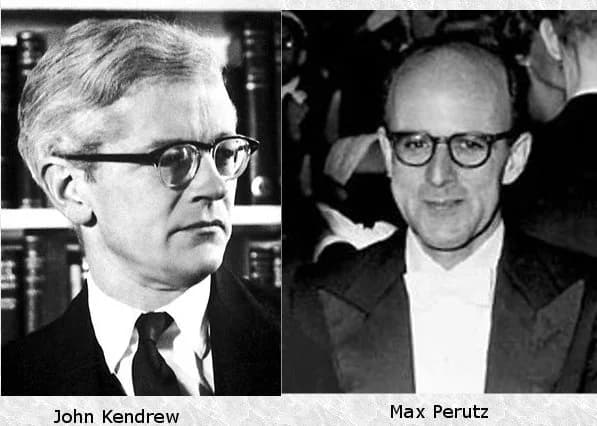
A central period in Kendrew's career was his work at the Cavendish Laboratory, a hub of scientific innovation. Here, he collaborated with Max Perutz to investigate the intricate structure of haem-containing proteins. Their combined efforts led to major scientific advances in structural biology. This collaborative research culminated in their joint reception of the 1962 Nobel Prize in Chemistry, a testament to their extraordinary contributions.
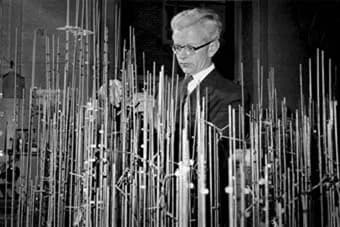
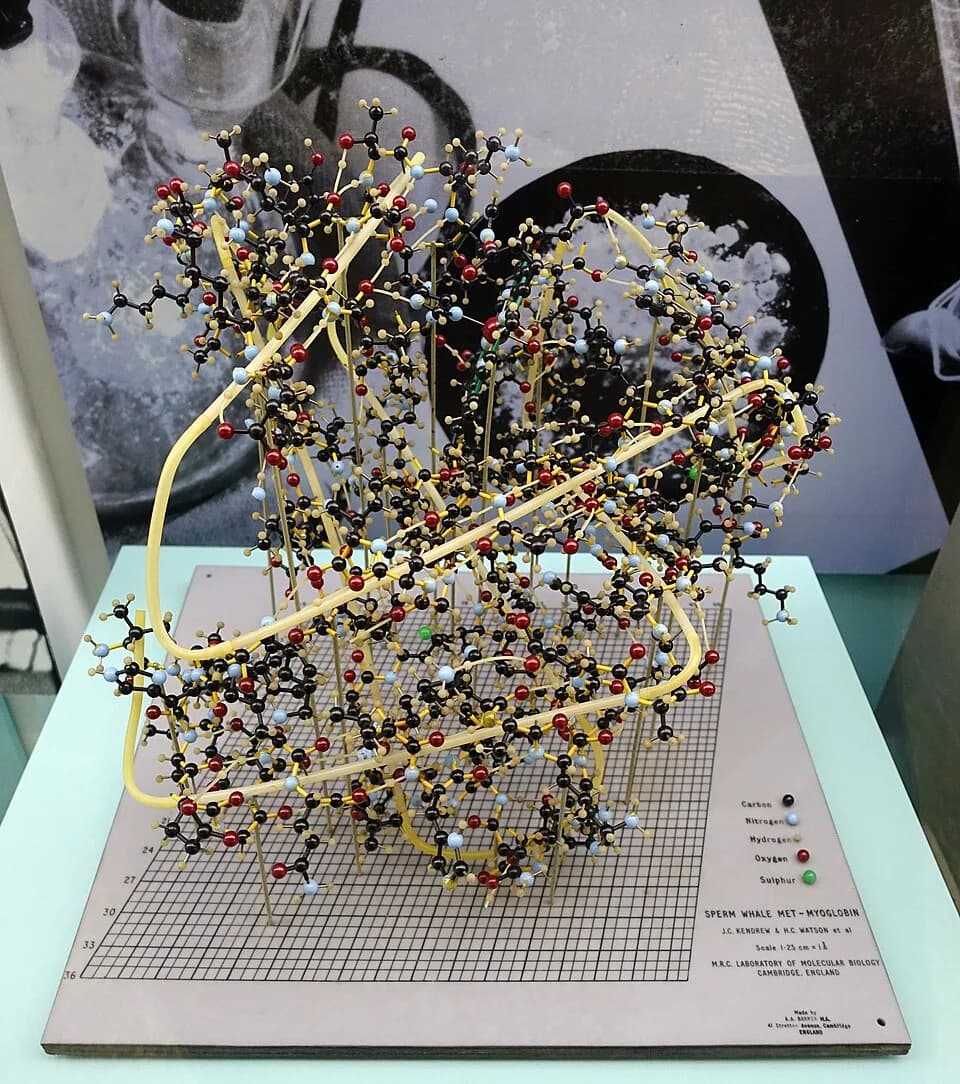
The Nobel Prize recognized Kendrew and Perutz's success in determining the three-dimensional structures of globular proteins. Specifically, Kendrew elucidated the structure of myoglobin, a critical haem-containing protein. This achievement was a milestone, offering the first atomic-resolution view of a protein molecule. It opened new avenues for understanding protein function and paved the way for future discoveries in molecular biology.
Beyond his research, Kendrew also served as a science administrator, demonstrating leadership within the scientific community. His roles extended to guiding research institutions and fostering scientific collaboration. He championed the cause of scientific progress, influencing policy and supporting future generations of researchers. These administrative contributions complemented his direct scientific endeavors, broadening his impact.
第5章· 全8章中第5章
Personal Life
While the public record often focuses on his scientific achievements, Sir John Kendrew's personal life remained a private sphere. Details regarding his family, relationships, or specific personal interests are not widely documented. His dedication appears to have been predominantly channeled into his rigorous scientific work and his contributions to the academic world. The intensity of his research and administrative responsibilities likely shaped much of his daily existence.
第6章· 全8章中第6章
Notable Works or Contributions
Kendrew's most celebrated contribution was his meticulous determination of the structure of myoglobin using X-ray crystallography. This complex work provided unprecedented insight into how proteins fold and function. His methodology and the resulting structural model became foundational for subsequent studies in protein crystallography. The visualization of myoglobin's atomic arrangement transformed the field of structural biology.
His work on haem-containing proteins clarified how these vital molecules transport oxygen within organisms. Understanding myoglobin's structure was crucial for unraveling the mechanisms of oxygen storage in muscle tissue. This particular achievement was fundamental, earning him and Max Perutz the prestigious Nobel recognition. His detailed structural analysis provided a blueprint for understanding other complex biological macromolecules.
第7章 · 1997年· 全8章中第7章
Later Years
In his later years, Sir John Kendrew continued to contribute to science, albeit perhaps in different capacities. He maintained an active presence in the scientific community, sharing his vast experience and insights. His wisdom and guidance were invaluable to emerging scientists and ongoing research initiatives. Sir John Kendrew passed away on August 23, 1997, in Cambridge, United Kingdom, leaving behind a significant scientific legacy.
第8章· 全8章中第8章
Legacy and Impact
Sir John Kendrew's legacy is immense, greatly influencing the trajectory of biochemistry and biophysics. His pioneering work established X-ray crystallography as an indispensable tool for molecular biologists. He laid essential groundwork for the study of protein structure-function relationships. This fundamental understanding continues to drive medical research and drug discovery today.
His efforts at the Cavendish Laboratory not only resulted in important discoveries but also fostered an environment of scientific excellence. The insights gained from his research continue to inspire new generations of chemists, researchers, and molecular biologists. Kendrew's commitment to unraveling life's molecular secrets truly reshaped our understanding of biological processes. His work remains a cornerstone of modern structural biology.
瞬間の中の人生
人生を形作った瞬間

FAQ
よくある質問
John Kendrewはいつ亡くなりましたか?
John Kendrewは1997年8月23日にCambridge, United Kingdomで亡くなりました(享年80歳)。
John Kendrewはどこで生まれましたか?
John Kendrewは1917年3月24日にOxford, United Kingdomで生まれました。
John Kendrewは何で最もよく知られていますか?
John KendrewはEnglish biochemist and crystallographerで最もよく知られています。
John Kendrewは何歳で亡くなりましたか?
John Kendrewは亡くなった時80歳でした。
John Kendrewの国籍はどこですか?
John KendrewはUnited Kingdomの出身です。
年表
人生の概要
写真ギャラリー
写真の中の人生
ポラロイドをクリックして拡大 · 24枚の写真
QRコード
この経歴を共有
印刷して共有
スキャンしてこの経歴ページを訪問。イベント、展示会、教育資料に印刷してご利用ください。