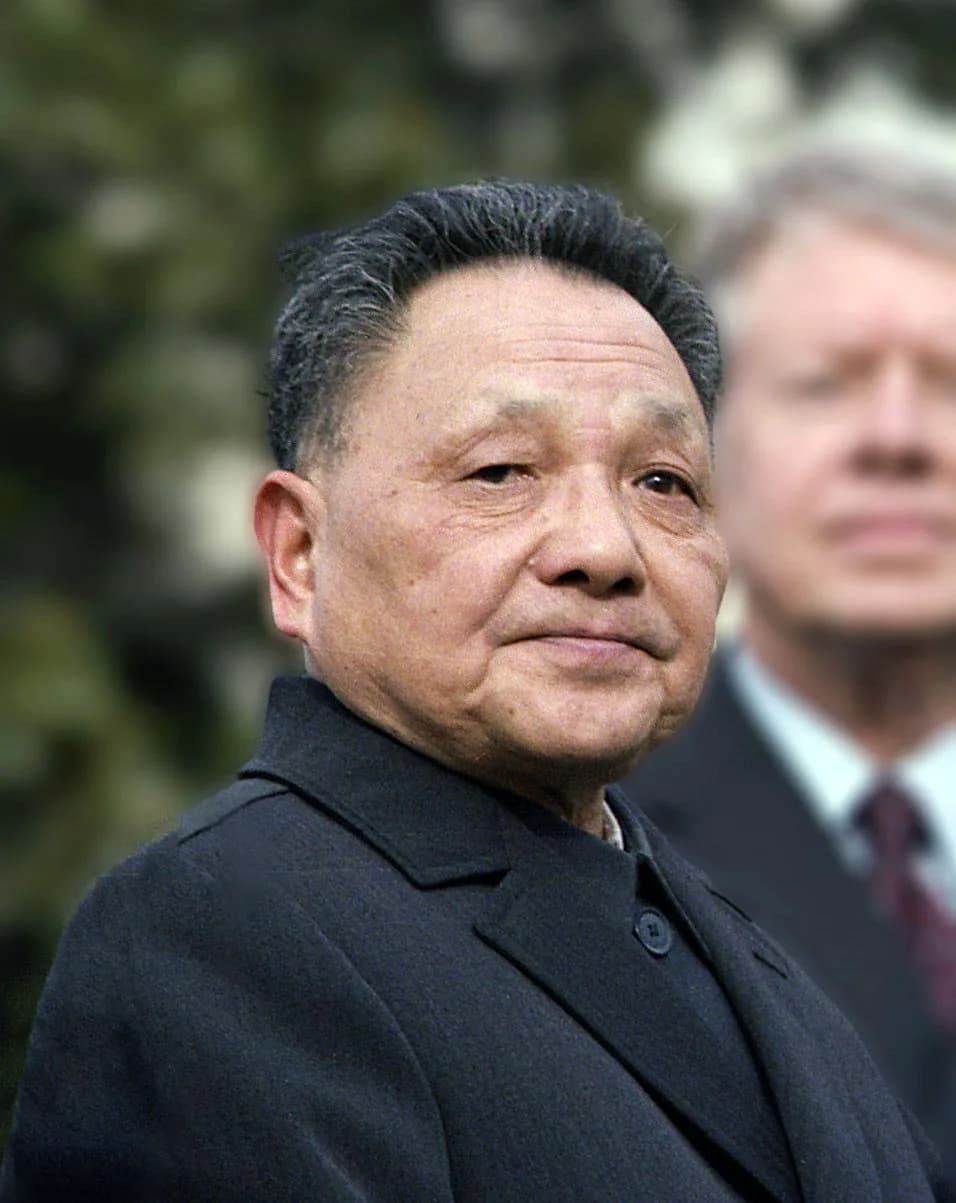
誕生
August 22, 1909
Guang'an, People's Republic of China
永眠
February 19, 1997
Beijing, People's Republic of China
知られていること
Chinese politician and paramount leader from 1978 to 1989
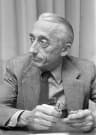
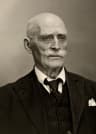
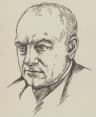
Deng Xiaoping (1909–1997) was People's Republic of China best known for Chinese politician and paramount leader from 1978 to 1989.
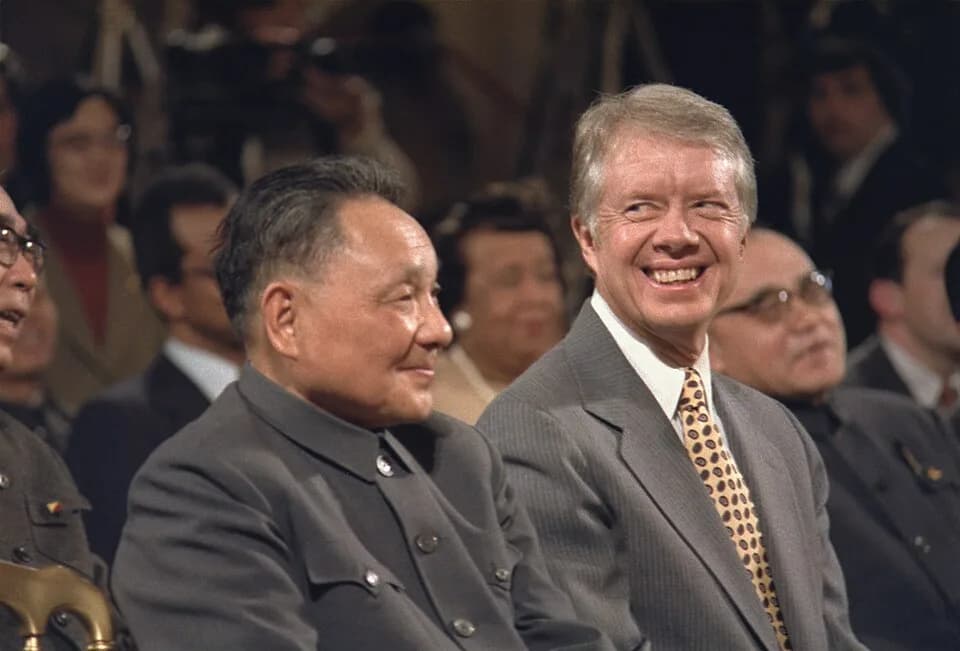
Deng Xiaoping (August 22, 1909 – February 19, 1997) was a Chinese politician from Guang'an, China. He served as paramount leader from 1978 to 1989, consolidating political power and guiding China into an era of reform and opening up. Credited as the "Architect of Modern China," his legacy includes shaping socialism with Chinese characteristics and Deng Xiaoping Theory.
第0章
人生の章
第1章 · 1909年· 全7章中第1章
Early Life and Origins
Deng Xiaoping was born in Guang'an, People's Republic of China, on August 22, 1909. His early years were spent in this region, which would later recognize him as one of its most distinguished sons. While specific details concerning his family background, upbringing, or formal education before his political emergence are not extensively provided, his provincial origins set the stage for his revolutionary path.
第2章· 全7章中第2章
Career Beginnings
Before ascending to paramount leadership, Deng Xiaoping pursued a diverse range of professions, including politician, diplomat, and journalist. These formative experiences provided him with a comprehensive understanding of governance and international relations. His early engagement in various capacities within the revolutionary movement undoubtedly shaped his pragmatic approach to national development and leadership.
第3章 · 1976年· 全7章中第3章
Major Achievements and Career Highlights
Deng Xiaoping's career reached its zenith following Mao Zedong's death in 1976, when he consolidated political power and became China's most influential figure. From 1978 to 1989, he served as the paramount leader, initiating a critical period of reform and opening up. This era marked a fundamental reorientation of China's economic and social policies, setting the country on a new trajectory.
Under his visionary guidance, China transitioned toward a socialist market economy, blending market principles with socialist characteristics. This pragmatic approach aimed to modernize the nation and stimulate economic growth, moving away from purely centrally planned models. His policies were instrumental in unlocking China's economic potential and fostering its integration into the global economy.
His enduring impact earned him the title "Architect of Modern China." Deng Xiaoping is recognized for shaping both "socialism with Chinese characteristics" and "Deng Xiaoping Theory," which became the guiding principles for China's development. These intellectual frameworks provided the theoretical underpinning for his transformative reforms, balancing economic liberalization with political stability.
第4章· 全7章中第4章
Personal Life
The available information primarily focuses on Deng Xiaoping's profound public and political contributions. Details concerning his personal life, such as his family relationships, private interests, or hobbies, are not provided. His public persona was largely defined by his unwavering dedication to the political and revolutionary work that shaped modern China.
第5章 · 1938年· 全7章中第5章
Notable Works or Contributions
Deng Xiaoping's extensive body of work offers deep insights into his political philosophy and policy decisions. Among his key publications are the comprehensive "Selected Works of Deng Xiaoping," which span different periods of his career. These include "Selected Works of Deng Xiaoping (1938-1965)" and "Selected Works of Deng Xiaoping (1975-1982)," documenting his thoughts and directives across crucial decades.
Further contributions to his bibliography include titles such as "Deng Xiaoping and China" and "China's Policy on Taiwan." These works reflect his direct engagement with critical national issues and his strategic vision for the country's future. They remain essential resources for understanding the ideological and practical underpinnings of his era of reform.
第6章 · 1989年· 全7章中第6章
Later Years
Deng Xiaoping concluded his official tenure as paramount leader in 1989, after more than a decade of transformative leadership. He remained an influential figure, though gradually stepping back from day-to-day governance. Deng Xiaoping passed away on February 19, 1997, in Beijing, People's Republic of China, concluding a life dedicated to shaping his nation's destiny.
第7章· 全7章中第7章
Legacy and Impact
The legacy of Deng Xiaoping is immense, fundamentally altering the course of China's history and its standing in the world. As the "Architect of Modern China," his "reform and opening up" policies transformed a largely agrarian society into an economic powerhouse. His leadership spurred decades of rapid economic growth and development, lifting millions out of poverty.
His intellectual contributions, particularly "socialism with Chinese characteristics" and "Deng Xiaoping Theory," continue to serve as the theoretical bedrock of China's political and economic system. These ideas provided the flexibility needed to pursue economic liberalization within a socialist framework. Deng Xiaoping's vision for a modernized and prosperous China continues to resonate, shaping the nation's domestic and international policies long after his passing.
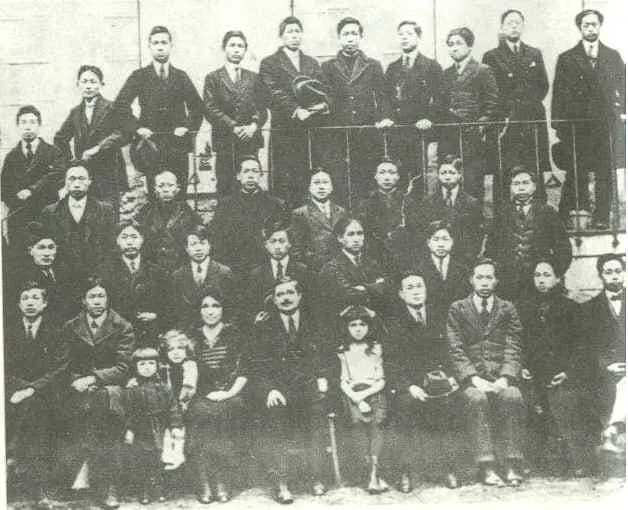
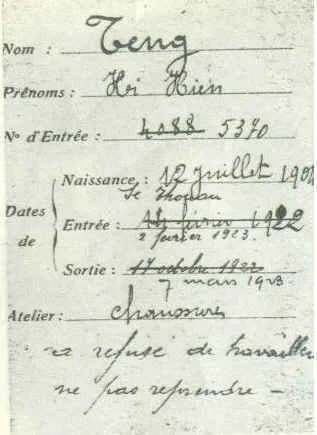
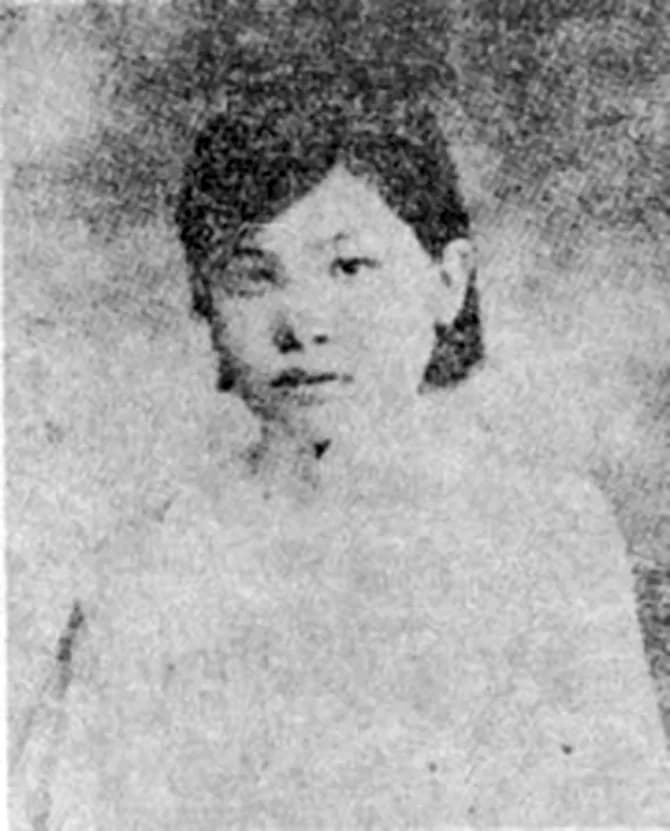
瞬間の中の人生
人生を形作った瞬間
FAQ
よくある質問
Deng Xiaopingはいつ亡くなりましたか?
Deng Xiaopingは1997年2月19日にBeijing, People's Republic of Chinaで亡くなりました(享年87歳)。
Deng Xiaopingはどこで生まれましたか?
Deng Xiaopingは1909年8月22日にGuang'an, People's Republic of Chinaで生まれました。
Deng Xiaopingは何で最もよく知られていますか?
Deng XiaopingはChinese politician and paramount leader from 1978 to 1989で最もよく知られています。
Deng Xiaopingは何歳で亡くなりましたか?
Deng Xiaopingは亡くなった時87歳でした。
Deng Xiaopingの国籍はどこですか?
Deng XiaopingはPeople's Republic of Chinaの出身です。
写真ギャラリー
写真の中の人生
ポラロイドをクリックして拡大 · 45枚の写真
QRコード
この経歴を共有
印刷して共有
スキャンしてこの経歴ページを訪問。イベント、展示会、教育資料に印刷してご利用ください。