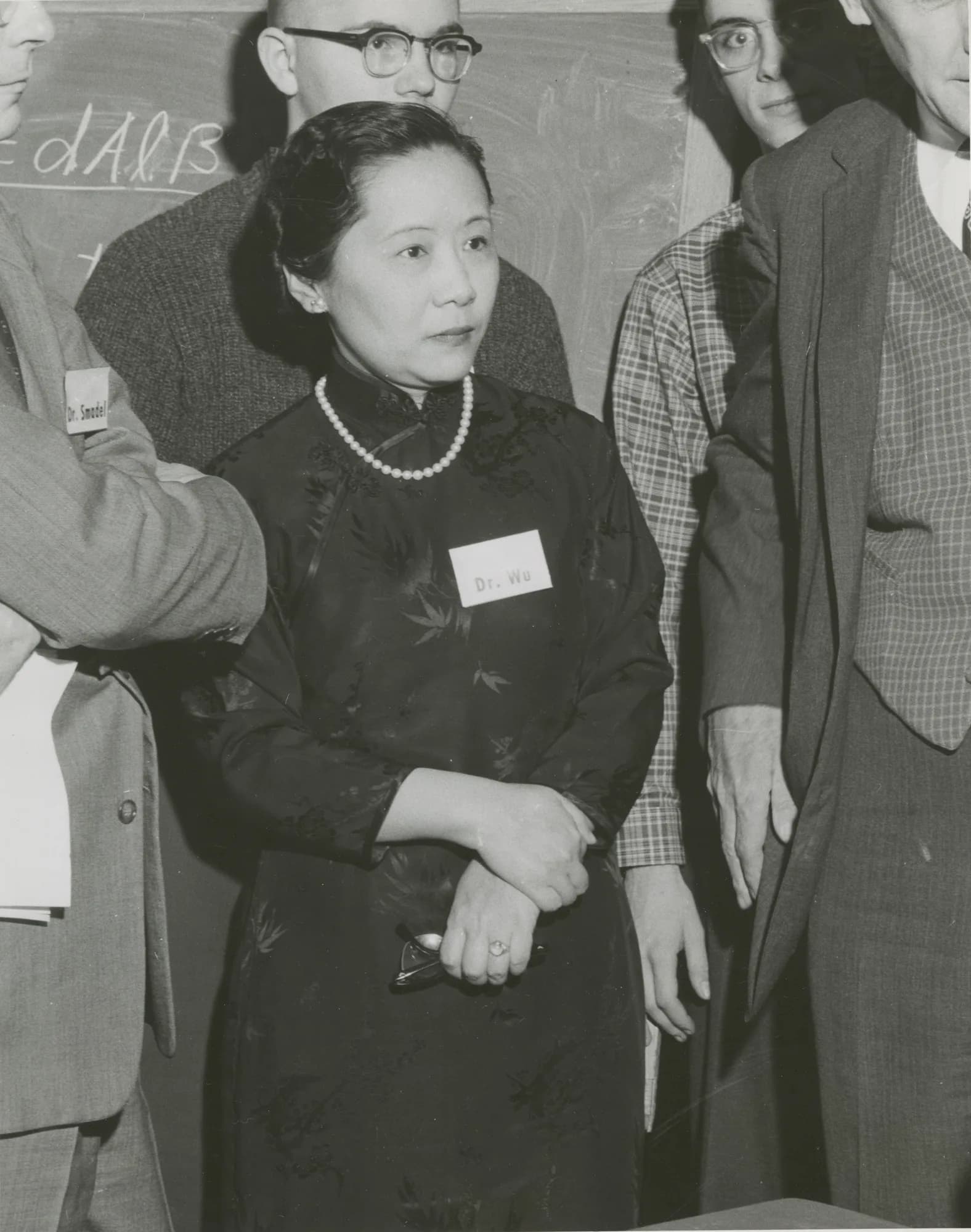
誕生
May 31, 1912
Taicang, People's Republic of China
永眠
February 16, 1997
New York City, United States
知られていること
Chinese-American physicist (1912–1997) (death at 85 years)
Chien-Shiung Wu (1912–1997) was People's Republic of China best known for Chinese-American physicist (1912–1997) (death at 85 years).
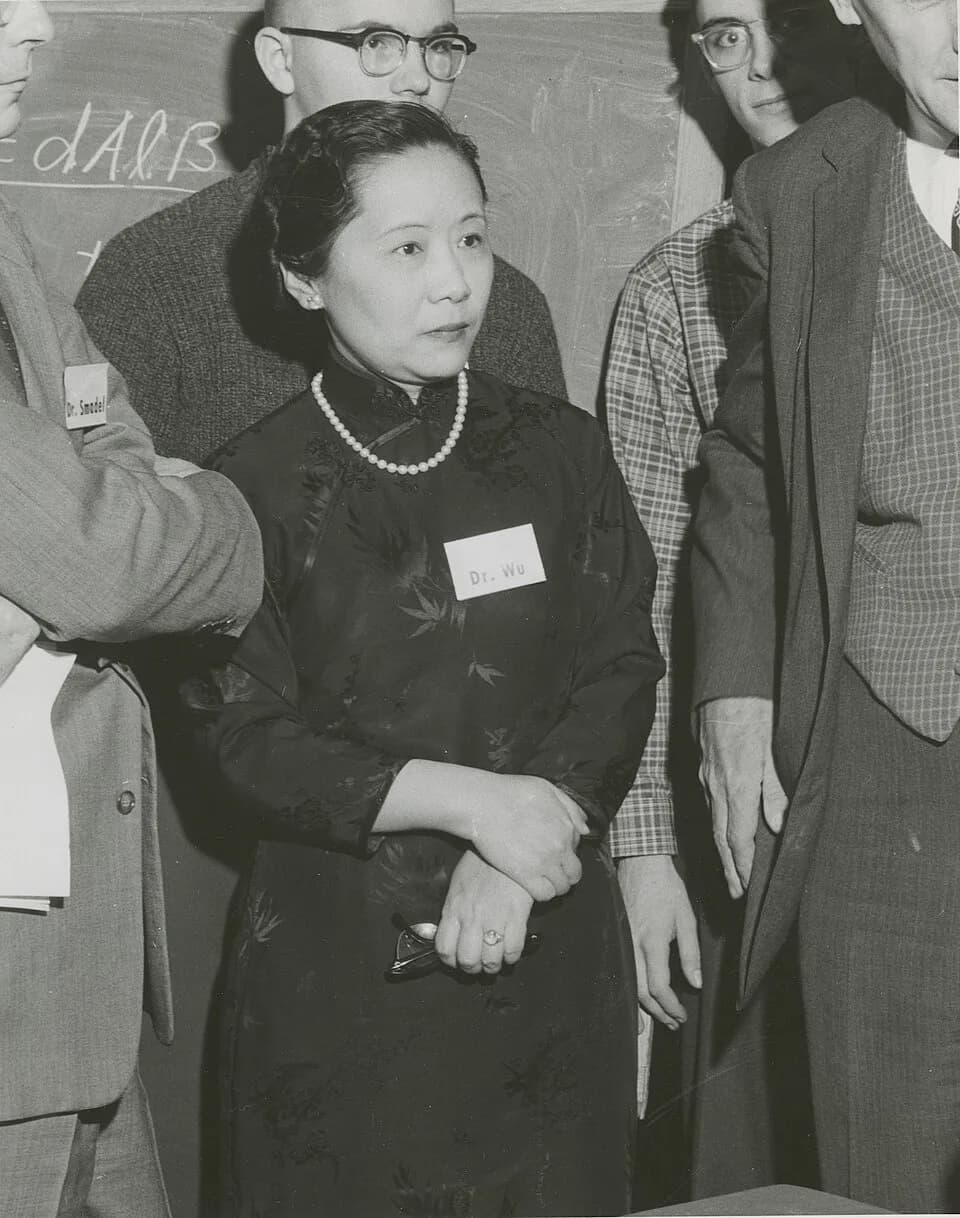
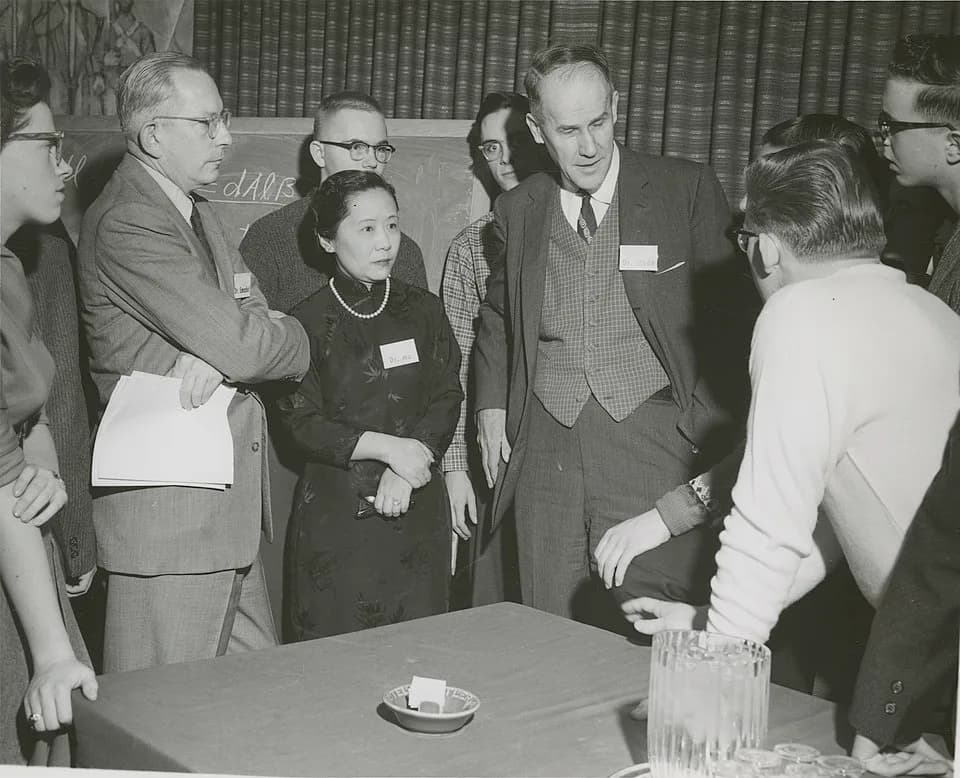
Chien-Shiung Wu (May 31, 1912 – February 16, 1997) was a Chinese-American physicist from Taicang, People's Republic of China. She famously conducted the Wu experiment, disproving parity conservation, and contributed to the Manhattan Project. Her work earned her the inaugural Wolf Prize in Physics.
第0章
人生の章
第1章 · 1912年· 全6章中第1章
Early Life and Origins
Born on May 31, 1912, in Taicang, People's Republic of China, Chien-Shiung Wu's early life was spent in her native land. Her upbringing in China provided the initial foundation for her rigorous academic pursuits. She later traveled to the United States, where she would complete her higher education and begin her impactful scientific career.
第2章· 全6章中第2章
Career Beginnings
Chien-Shiung Wu embarked on her professional journey as a scientist and university teacher, quickly establishing her expertise in physics. Her early work laid a strong foundation, particularly in experimental methodologies. These formative experiences were crucial in developing her exceptional skills as a nuclear physicist.
第3章· 全6章中第3章
Major Achievements and Career Highlights
One of Chien-Shiung Wu's most significant contributions came during her involvement in the Manhattan Project. There, she played a vital role in perfecting the gaseous diffusion process for isotope separation. This process was essential for effectively separating uranium into its uranium-235 and uranium-238 isotopes.
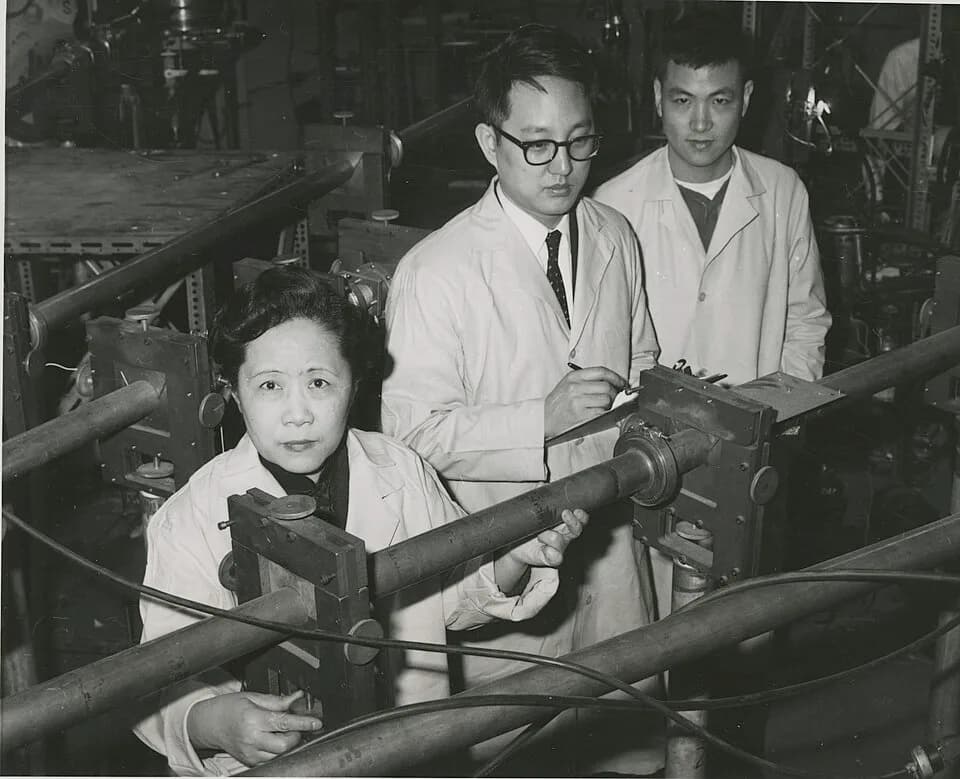
Wu is perhaps best known for conducting the landmark "Wu experiment," which yielded a paradigm-shifting discovery in particle physics. This meticulous experiment empirically demonstrated that parity is not conserved in weak interactions. While her colleagues, Tsung-Dao Lee and Chen-Ning Yang, received the 1957 Nobel Prize in Physics for their theoretical prediction, Wu's experimental proof was absolutely essential.
Her exceptional skill and precision in experimental physics frequently drew comparisons to the legendary Marie Curie. In recognition of her immense contributions to science, Chien-Shiung Wu was honored with the inaugural Wolf Prize in Physics in 1978. This prestigious award acknowledged her unique scientific achievements and lasting influence.
第4章· 全6章中第4章
Notable Works or Contributions
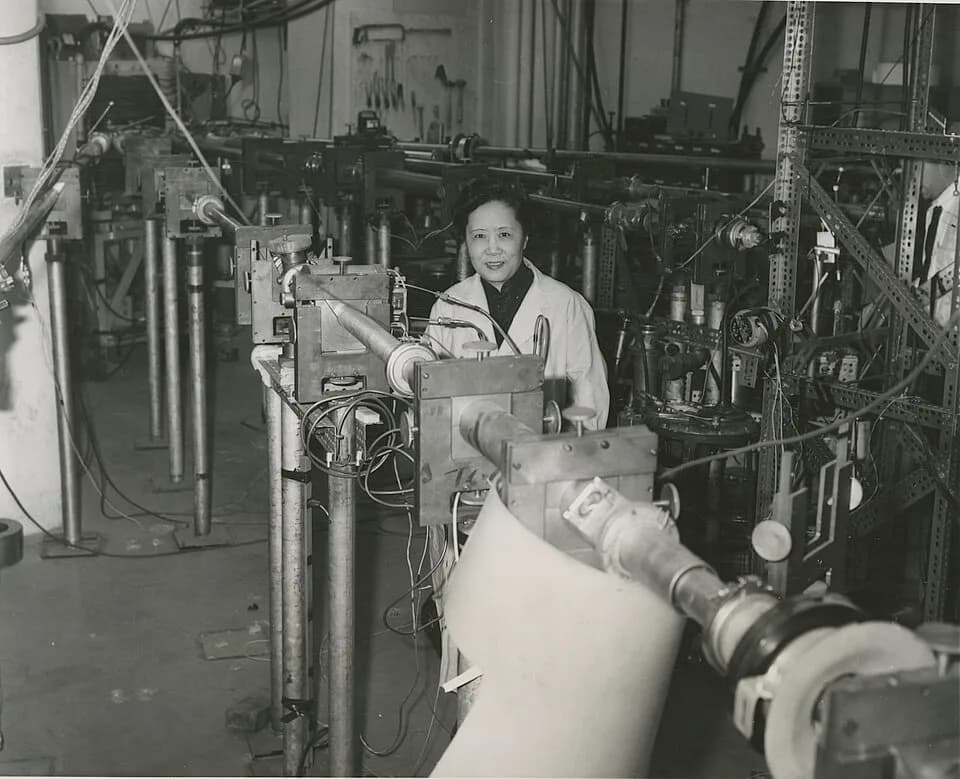
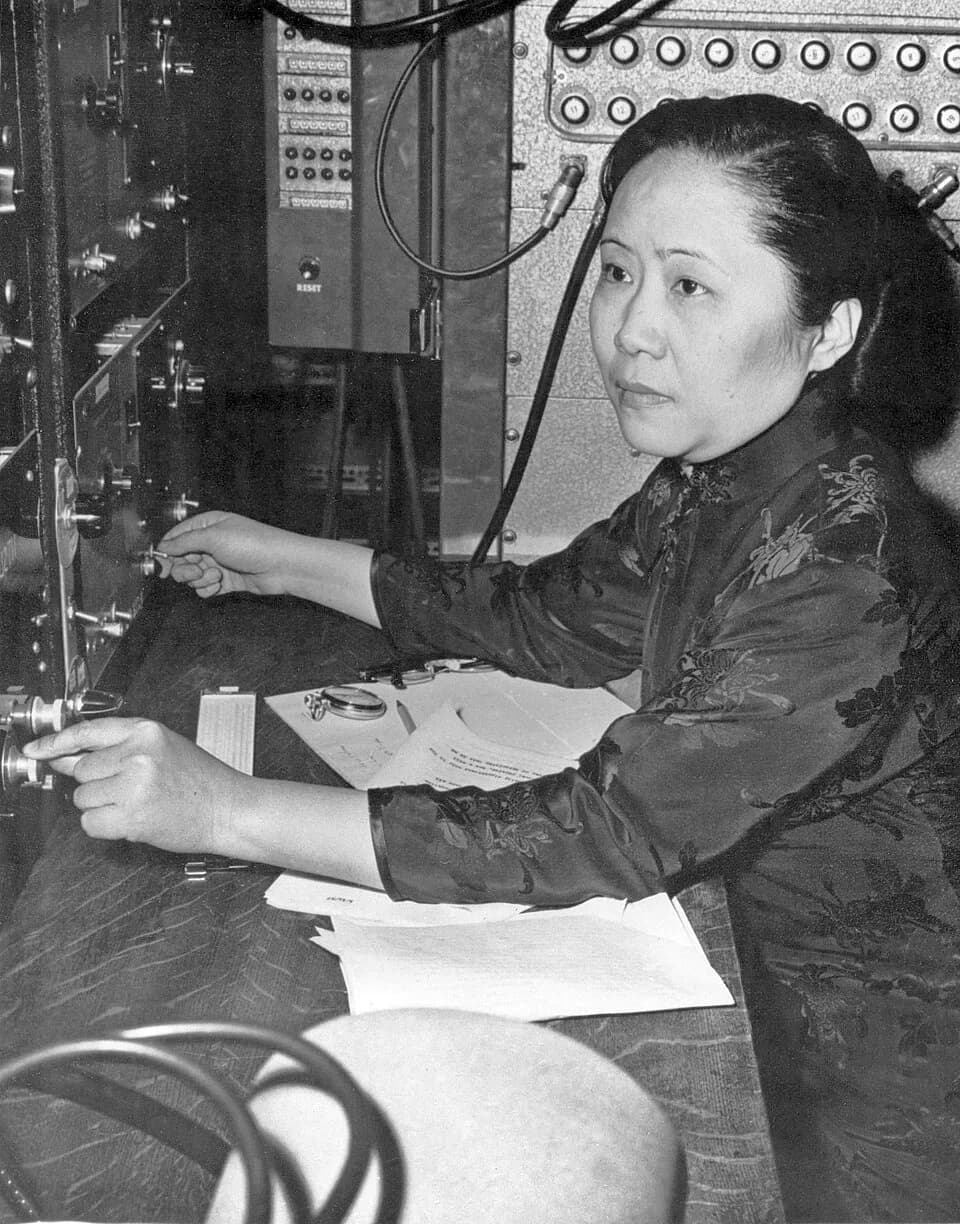
Chien-Shiung Wu's specific works include her detailed investigations into beta decay, which were central to the design and execution of the Wu experiment. Her careful experimental design and precise measurements were key to validating the non-conservation of parity. This work fundamentally altered physicists' understanding of one of the universe's fundamental forces.
Beyond the Wu experiment, her contributions to the Manhattan Project showcased her expertise as a nuclear physicist. She meticulously worked on the complex task of isotope separation through gaseous diffusion. These efforts were critical to a major historical scientific endeavor, underscoring her technical skill and dedication.
第5章 · 1997年· 全6章中第5章
Later Years
Chien-Shiung Wu continued to be a respected figure in the scientific community throughout her later years, further solidifying her distinguished legacy. She passed away at the age of 85 on February 16, 1997, in New York City, United States. Her passing marked the end of a long and exceptionally productive life dedicated to scientific discovery and advancement.
第6章· 全6章中第6章
Legacy and Impact
Chien-Shiung Wu's influence on the field of physics is profound and continues to resonate today. Her experimental proof of parity non-conservation irrevocably reshaped particle physics and earned her widespread international recognition. She broke significant barriers as a Chinese-American woman in science, serving as an inspiration to countless aspiring scientists.
She was affectionately known by several descriptive nicknames that highlighted her stature and impact, including the "First Lady of Physics," the "Chinese Marie Curie," and the "Queen of Nuclear Research." These titles reflect the high esteem in which she was held by her peers and the broader scientific community. Her contributions are still studied and celebrated, cementing her place among the greatest physicists of all time.
瞬間の中の人生
人生を形作った瞬間
FAQ
よくある質問
Chien-Shiung Wuはいつ亡くなりましたか?
Chien-Shiung Wuは1997年2月16日にNew York City, United Statesで亡くなりました(享年84歳)。
Chien-Shiung Wuはどこで生まれましたか?
Chien-Shiung Wuは1912年5月31日にTaicang, People's Republic of Chinaで生まれました。
Chien-Shiung Wuは何で最もよく知られていますか?
Chien-Shiung WuはChinese-American physicist (1912–1997) (death at 85 years)で最もよく知られています。
Chien-Shiung Wuは何歳で亡くなりましたか?
Chien-Shiung Wuは亡くなった時84歳でした。
Chien-Shiung Wuの国籍はどこですか?
Chien-Shiung WuはPeople's Republic of Chinaの出身です。
年表
人生の概要
写真ギャラリー
写真の中の人生
ポラロイドをクリックして拡大 · 37枚の写真
QRコード
この経歴を共有
印刷して共有
スキャンしてこの経歴ページを訪問。イベント、展示会、教育資料に印刷してご利用ください。