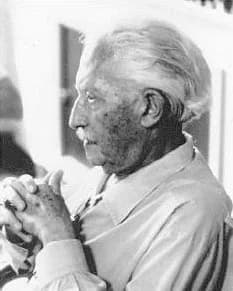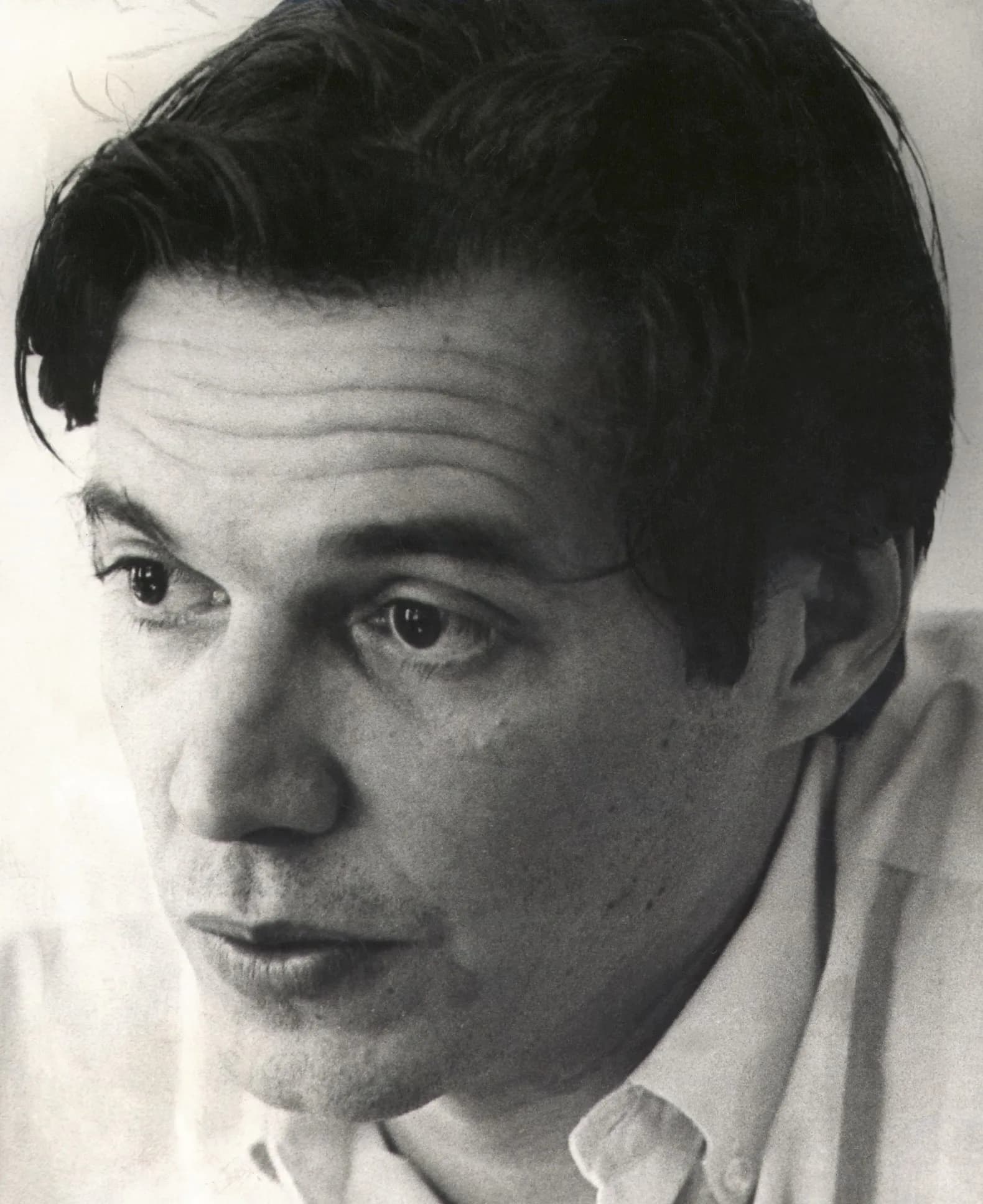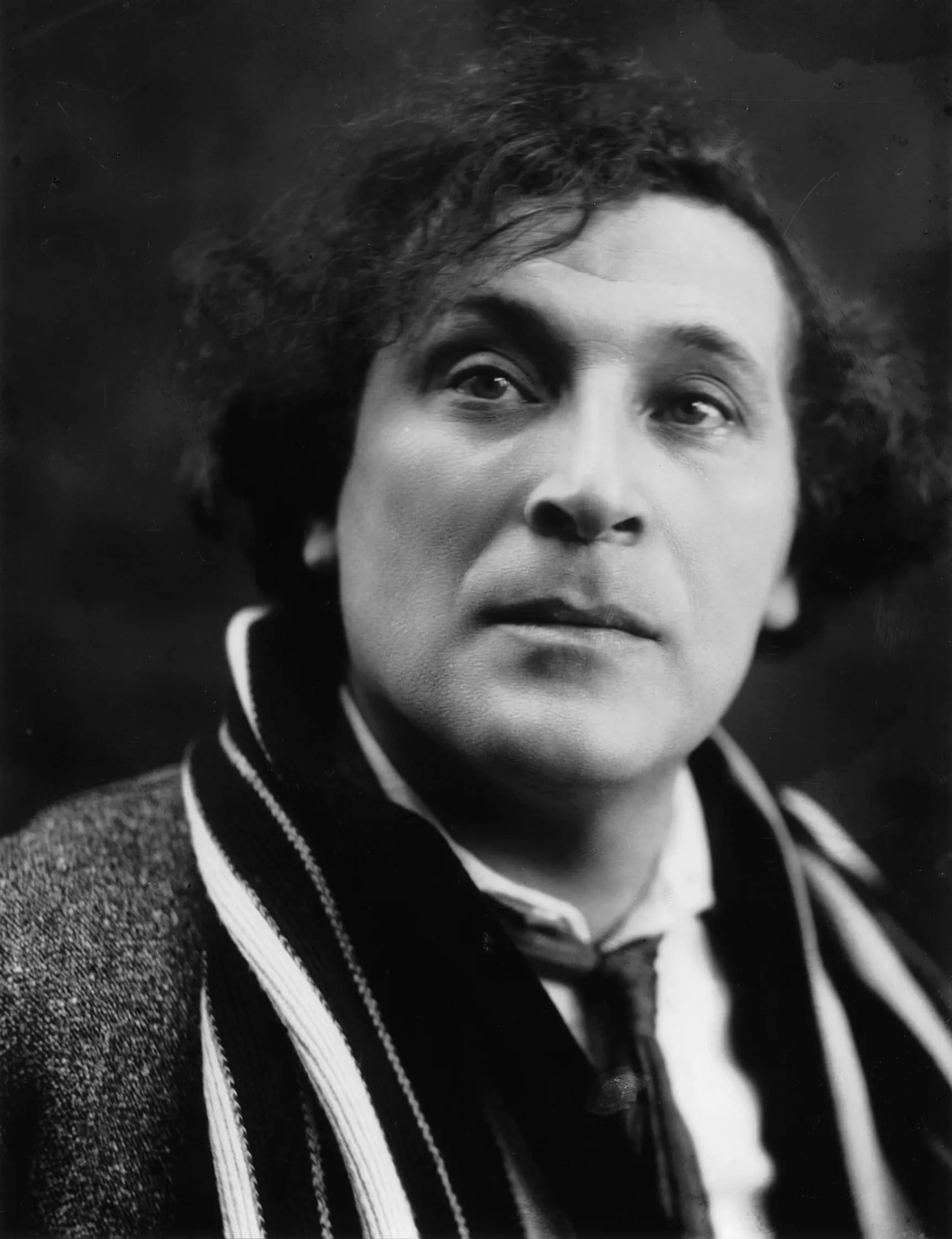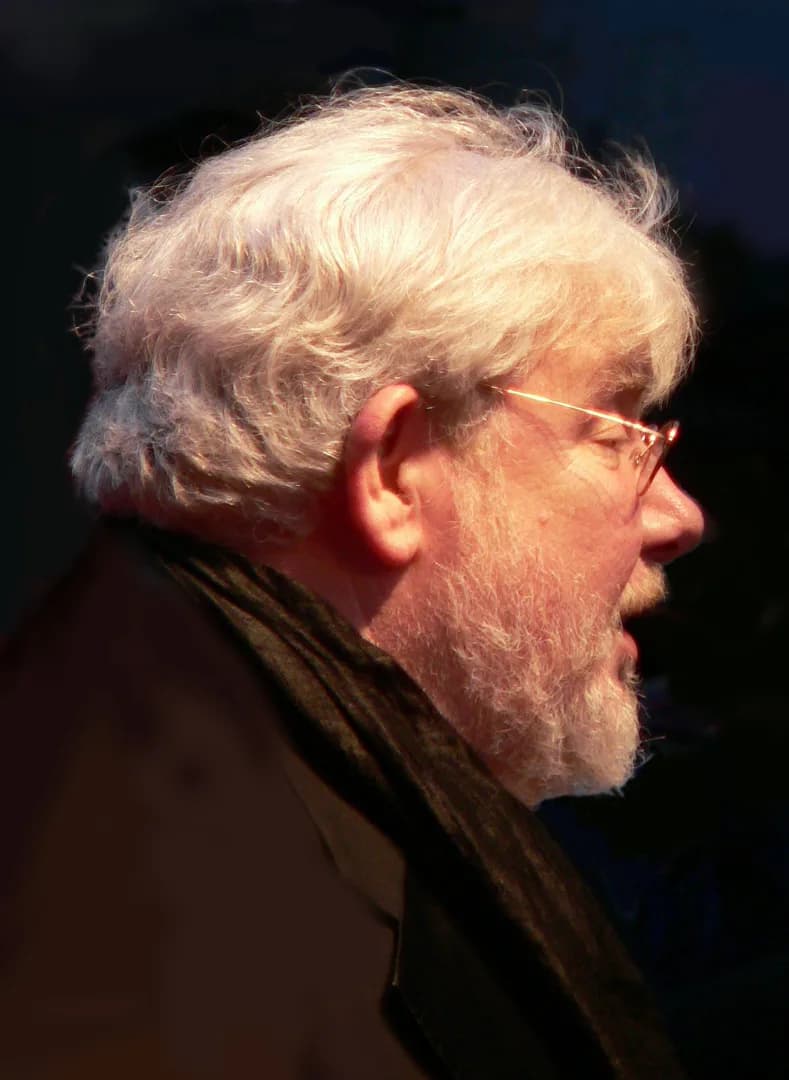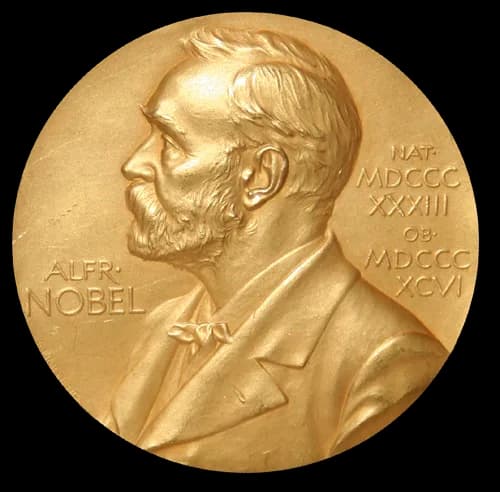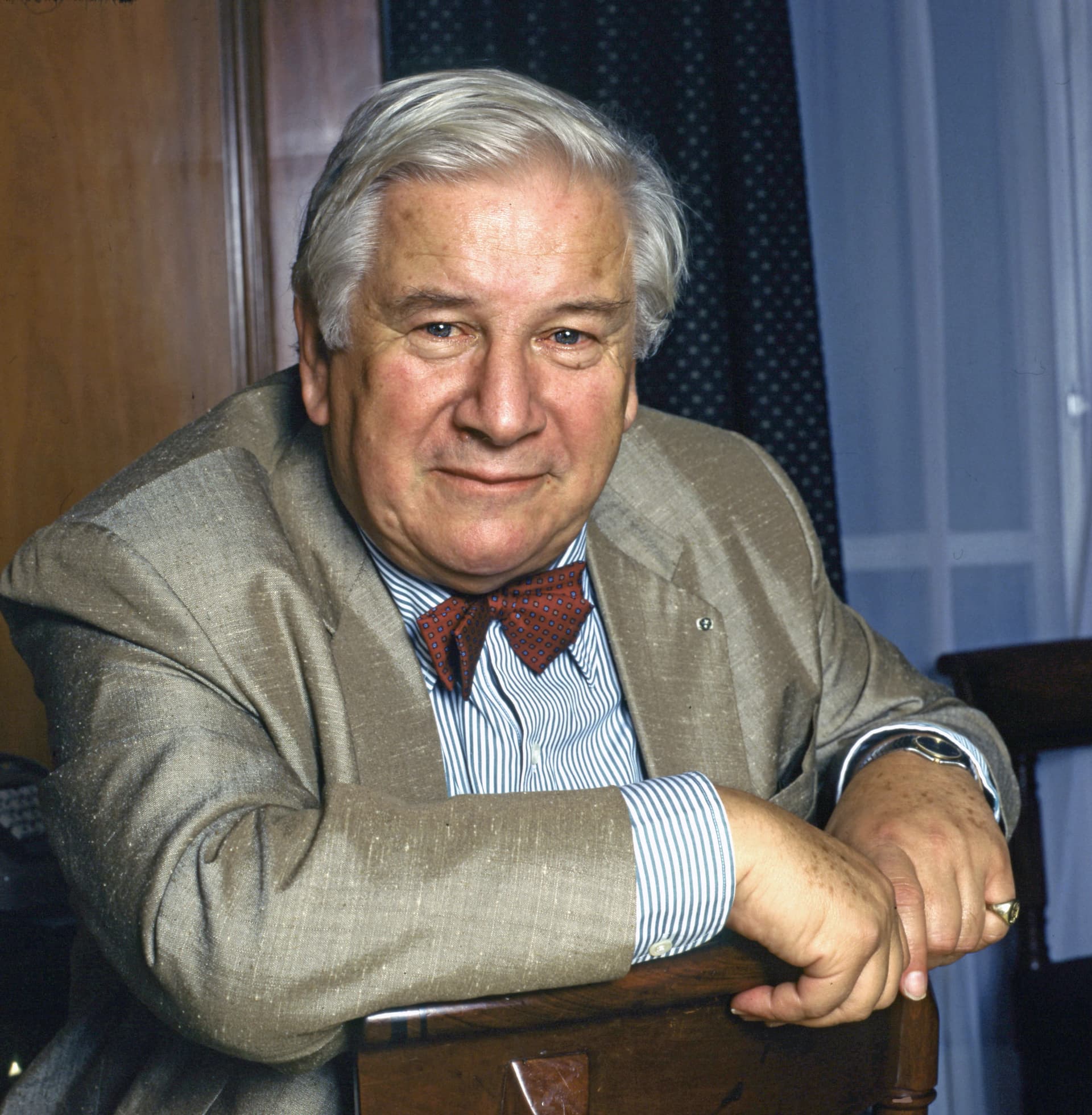
誕生
November 26, 1909
Slatina, Romania
永眠
March 28, 1994
14th arrondissement of Paris, France
知られていること
Romanian-French playwright
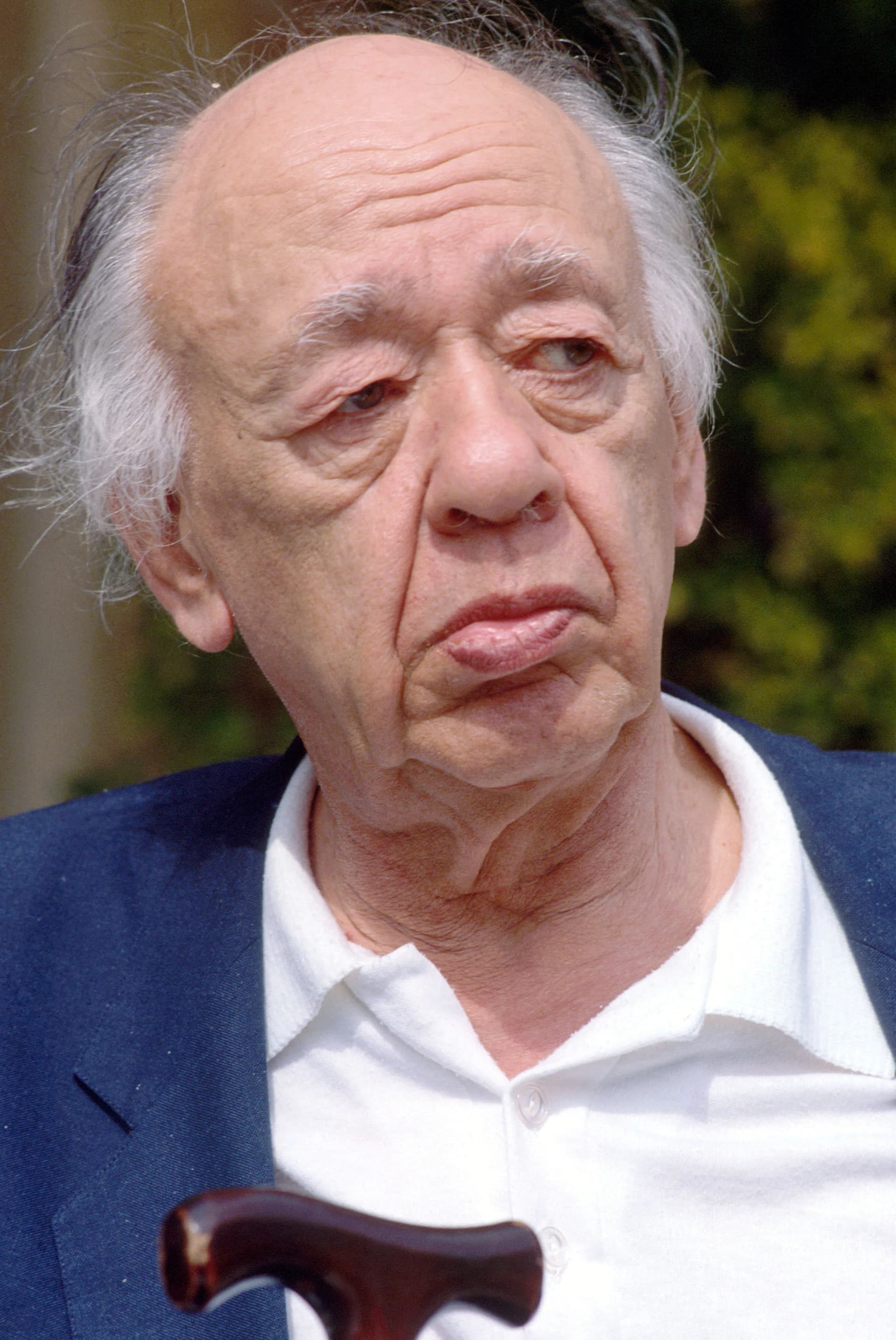
Eugène Ionesco (1909–1994) was Romania best known for Romanian-French playwright.
Eugène Ionesco (November 26, 1909 – March 28, 1994) was a Romanian-French playwright. He was a key figure in 20th-century avant-garde theatre, notably instigating the Theatre of the Absurd. His plays, like <em>The Bald Soprano</em>, explored concepts of absurdism and surrealism, profoundly shaping modern drama.
瞬間の中の人生
人生を形作った瞬間


第0章
人生の章
第1章 · 1909年· 全8章中第1章
Opening
Eugène Ionesco, born November 26, 1909, and who passed away on March 28, 1994, was a profoundly influential Romanian-French playwright. He is universally recognized as one of the foremost figures of the French avant-garde theatre in the 20th century. Ionesco not only wrote mostly in French but also instigated a true revolution in the ideas and techniques of drama. His pioneering work contributed significantly to the beginnings of what is now known as the Theatre of the Absurd.
第2章 · 1909年· 全8章中第2章
Early Life and Origins
Eugène Ionesco began his life in Slatina, Romania, on November 26, 1909, during a period of significant European change. His upbringing in Romania, before his later move to France, provided a unique cultural foundation for his future literary endeavors. This dual national background as a Romanian-French artist allowed him to draw on diverse influences in his creative output. His foundational experiences shaped the distinctive voice he would bring to world theatre.
第3章· 全8章中第3章
Career Beginnings
Ionesco's impactful career in drama commenced with a deliberate subversion of traditional theatrical norms. His very first "anti-play," The Bald Soprano, debuted to audiences, serving as a catalyst for a new dramatic movement. This work fundamentally contributed to the formal emergence of the Theatre of the Absurd. Through such initial efforts, Ionesco established his reputation as a fearless innovator determined to challenge established conventions of narrative and performance.
第4章 · 1970年· 全8章中第4章
Major Achievements and Career Highlights
Eugène Ionesco's significant contributions to literature were formally acknowledged through numerous prestigious awards and memberships. In 1970, he was granted membership in the revered Académie française, a high honor for any French-language writer. That same year, his international standing was celebrated with the award of the Austrian State Prize for European Literature. Further recognition came in 1973 when he received the esteemed Jerusalem Prize, which celebrated his work's focus on individual freedom. These accolades highlight his lasting influence on both French and global literary traditions.
第5章· 全8章中第5章
Personal Life
While Eugène Ionesco's public identity was deeply intertwined with his professional work, details regarding his personal life are not extensively documented in the provided information. His biographical summaries focus primarily on his prolific career as a playwright, poet, and literary critic, alongside other artistic professions. We know he transitioned from his Romanian birth country to become a prominent figure in France, ultimately passing away in the 14th arrondissement of Paris. His public legacy, however, remains centered on his artistic output and philosophical explorations rather than private affairs.
第6章· 全8章中第6章
Notable Works or Contributions
Ionesco's extensive bibliography showcases his unique theatrical voice and philosophical depth. Key plays like Die Unterrichtsstunde (The Lesson) and Jacques, ou la Soumission are celebrated for their exploration of language, power, and human alienation. Other significant works include Tamarirt tamjjuḍt, Fussgänger der Luft (le piéton de l'air), and the thought-provoking Jeux de massacre. His output also featured Une jeune fille a marier, La soif et la faim, and Victimes du devoir, each contributing to his distinct absurdist canon. Furthermore, his theoretical insights might be found in works like Absurd Drama, while Story number 4 suggests a broader literary output beyond the stage.
第7章 · 1970年· 全8章中第7章
Later Years
Eugène Ionesco continued to influence the literary world through his later life, maintaining his status as a revered intellectual. His election to the Académie française in 1970 marked a late-career milestone, affirming his permanent place in French literary history. He continued to write and engage with the ideas of his time, further solidifying his artistic and intellectual legacy. Ionesco passed away peacefully at the age of 84 on March 28, 1994, in the 14th arrondissement of Paris, France, leaving behind a body of work that transformed drama.
第8章· 全8章中第8章
Legacy and Impact
The enduring legacy of Eugène Ionesco is inextricably linked to his fundamental role in defining the Theatre of the Absurd. His plays, starting with The Bald Soprano, radically departed from traditional dramatic structures to explore the inherent meaninglessness and irrationality of existence. These works, deeply influenced by the ideas of philosopher Albert Camus regarding absurdism and surrealism, challenged audiences to confront uncomfortable truths about the human condition. Ionesco’s revolutionary techniques and philosophical depth opened new possibilities for dramatic expression, significantly influencing subsequent generations of playwrights and artists worldwide. His vision continues to resonate, demonstrating the power of theatre to reflect and question the complexities of modern life.
FAQ
よくある質問
Eugène Ionescoはいつ亡くなりましたか?
Eugène Ionescoは1994年3月28日に14th arrondissement of Paris, Franceで亡くなりました(享年84歳)。
Eugène Ionescoはどこで生まれましたか?
Eugène Ionescoは1909年11月26日にSlatina, Romaniaで生まれました。
Eugène Ionescoは何で最もよく知られていますか?
Eugène IonescoはRomanian-French playwrightで最もよく知られています。
Eugène Ionescoは何歳で亡くなりましたか?
Eugène Ionescoは亡くなった時84歳でした。
Eugène Ionescoの国籍はどこですか?
Eugène IonescoはRomaniaの出身です。
年表
人生の概要
写真ギャラリー
写真の中の人生
ポラロイドをクリックして拡大 · 2枚の写真
QRコード
この経歴を共有
印刷して共有
スキャンしてこの経歴ページを訪問。イベント、展示会、教育資料に印刷してご利用ください。