誕生
September 22, 1901
Halifax, Canada
永眠
January 12, 1997
Chicago, United States
知られていること
American physiologist
Charles Brenton Huggins (1901–1997) was Canada best known for American physiologist.
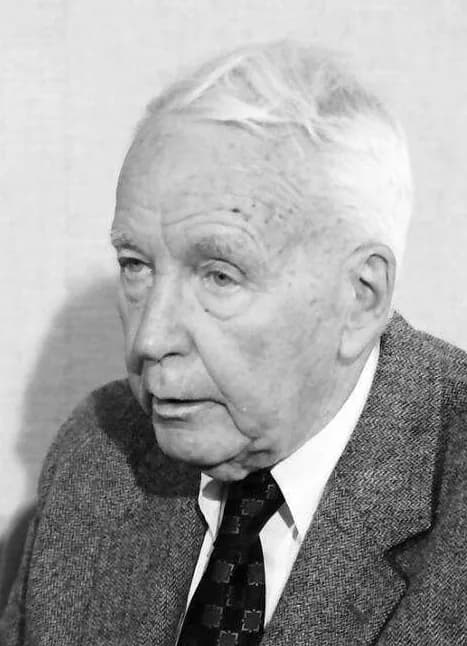
Charles Brenton Huggins (September 22, 1901 – January 12, 1997) was a Canadian-American physiologist. He discovered hormone therapies to treat prostate cancer, earning him the 1966 Nobel Prize for Physiology or Medicine. His research greatly advanced cancer treatment strategies.
第0章
人生の章
第1章 · 1901年· 全6章中第1章
Early Life and Origins
Born on September 22, 1901, in Halifax, Canada, Charles Brenton Huggins spent his early years in his native country. He later moved to the United States to pursue his medical education, a decision that would shape the trajectory of his extraordinary professional life. This move set the stage for his impactful career in American medicine and research.
第2章· 全6章中第2章
Career Beginnings
Upon completing his medical studies, Dr. Huggins became one of the founding staff members of the University of Chicago Medical School. He established his professional home there, embarking on a research career that spanned decades. This institution provided the environment for his significant scientific inquiries.
第3章· 全6章中第3章
Major Achievements and Career Highlights
Dr. Huggins focused much of his research on understanding prostate function and the mechanisms of prostate cancer. His key discovery revealed how sex hormones influence prostate function, leading directly to the development of hormone therapies for prostate cancer. This innovation represented a major turning point in oncology, offering a new path for treatment.
For this revolutionary finding, Charles Brenton Huggins was awarded the 1966 Nobel Prize for Physiology or Medicine. His work extended beyond prostate cancer, as he also explored the relationship between hormones and breast cancer. His efforts broadened the understanding of hormonal influences across different cancer types.
第4章· 全6章中第4章
Notable Works or Contributions
Beyond his Nobel-winning discovery in prostate cancer therapy, Dr. Huggins made other vital scientific advancements. He developed an animal model specifically for studying breast cancer, providing a crucial tool for researchers. Additionally, he created chromogenic substrates, which have become widely adopted for various biochemical analyses. These contributions solidified his standing as a versatile and inventive scientist.
第5章 · 1997年· 全6章中第5章
Later Years
Charles Brenton Huggins maintained his dedication to scientific inquiry well into his advanced age. He continued to perform research even into his 90s, demonstrating an enduring passion for discovery. He passed away in Chicago, United States, on January 12, 1997, leaving behind a significant legacy of scientific achievement.
第6章 · 1966年· 全6章中第6章
Legacy and Impact
Dr. Huggins's work fundamentally changed the way prostate cancer is treated, moving from surgical interventions to less invasive hormonal approaches. His insights into the role of hormones in cancer opened up new avenues for research and treatment development in oncology. The 1966 Nobel Prize for Physiology or Medicine recognized the immense value and lasting influence of his discoveries on human health. His legacy persists in the standard treatments and research methodologies used today.
瞬間の中の人生
人生を形作った瞬間
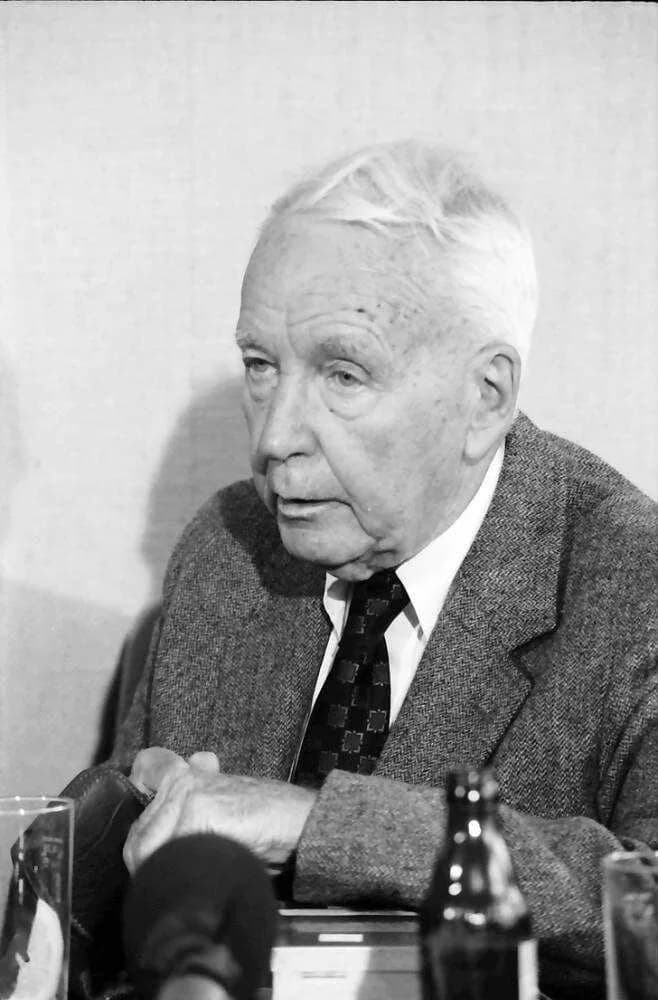
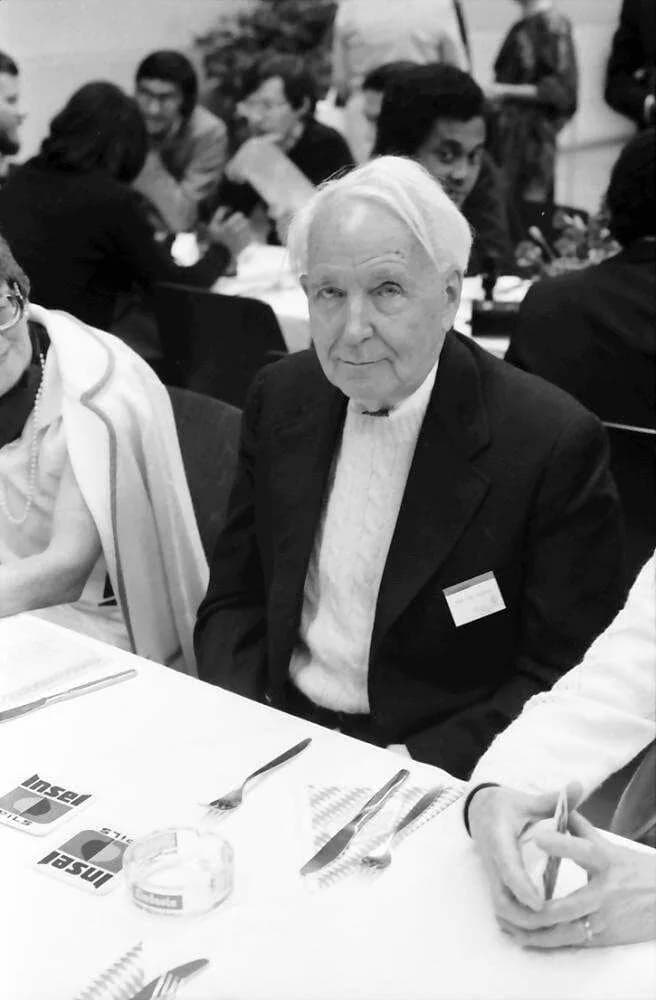
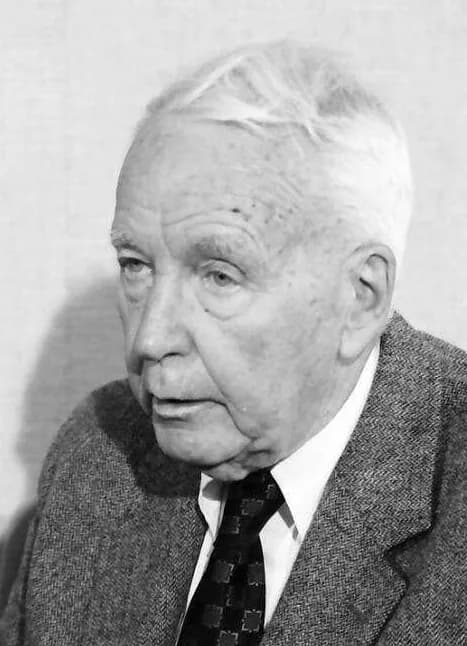



FAQ
よくある質問
Charles Brenton Hugginsはいつ亡くなりましたか?
Charles Brenton Hugginsは1997年1月12日にChicago, United Statesで亡くなりました(享年95歳)。
Charles Brenton Hugginsはどこで生まれましたか?
Charles Brenton Hugginsは1901年9月22日にHalifax, Canadaで生まれました。
Charles Brenton Hugginsは何で最もよく知られていますか?
Charles Brenton HugginsはAmerican physiologistで最もよく知られています。
Charles Brenton Hugginsは何歳で亡くなりましたか?
Charles Brenton Hugginsは亡くなった時95歳でした。
Charles Brenton Hugginsの国籍はどこですか?
Charles Brenton HugginsはCanadaの出身です。
年表
人生の概要
写真ギャラリー
写真の中の人生
ポラロイドをクリックして拡大 · 18枚の写真
QRコード
この経歴を共有
印刷して共有
スキャンしてこの経歴ページを訪問。イベント、展示会、教育資料に印刷してご利用ください。