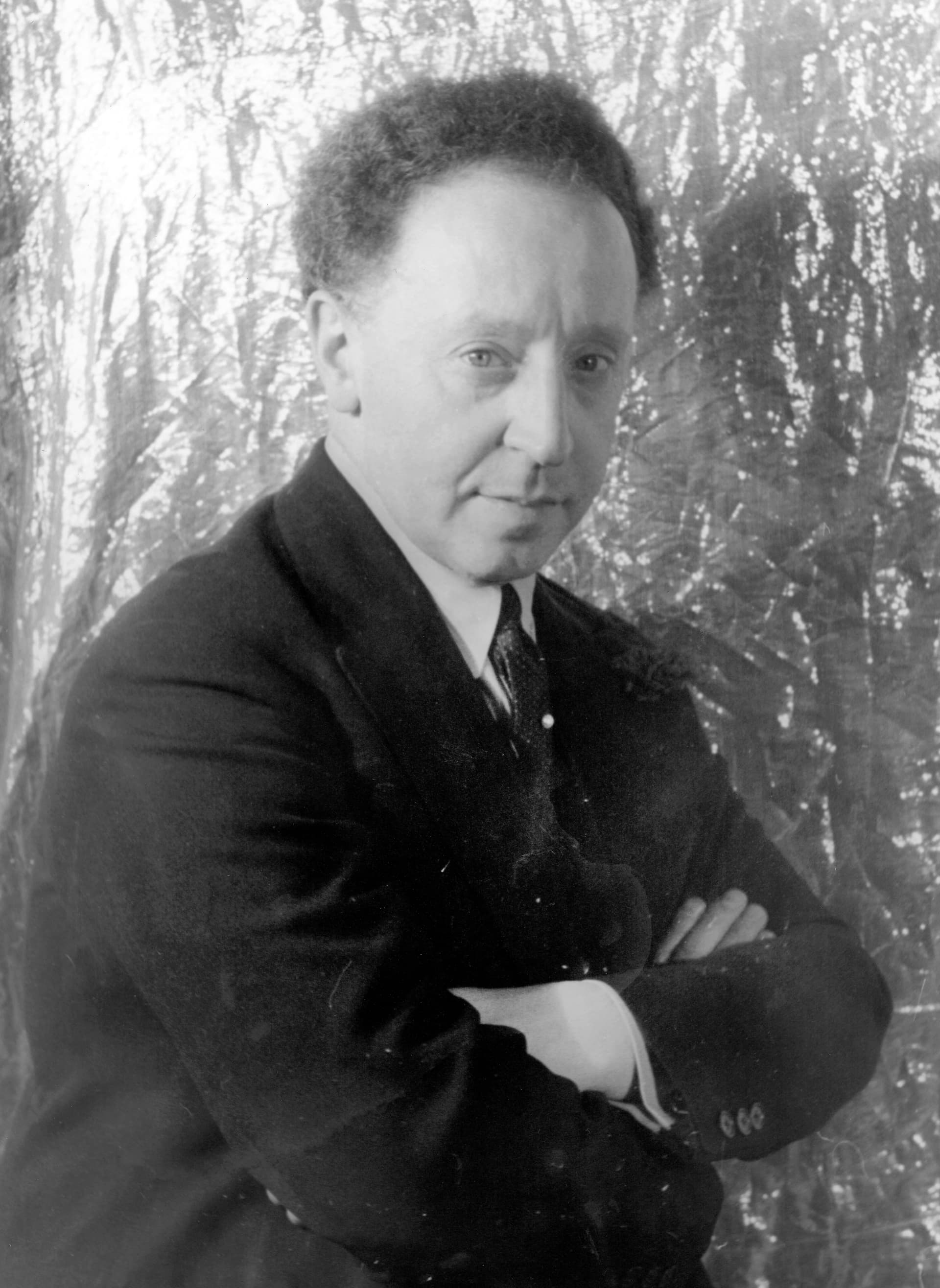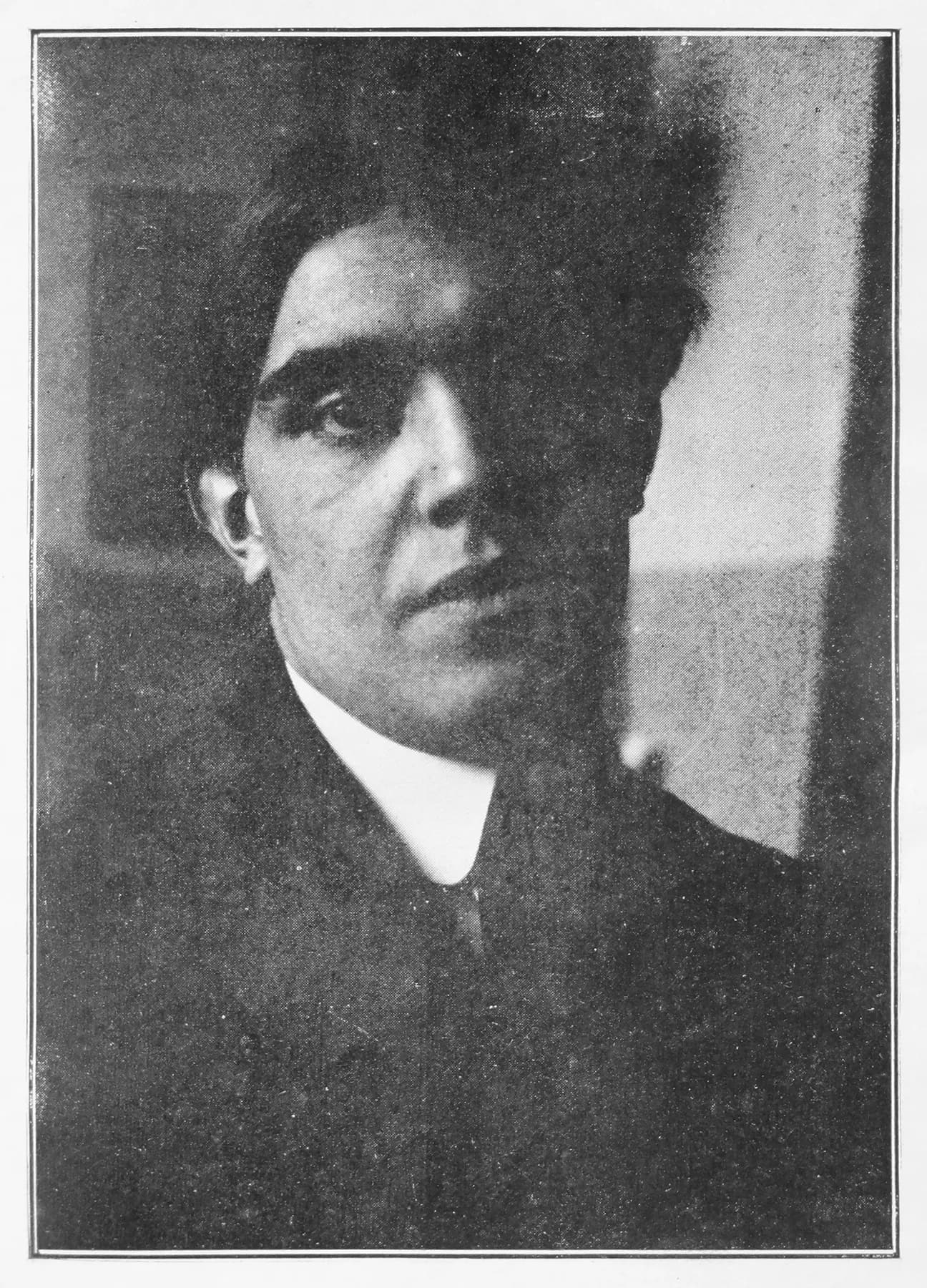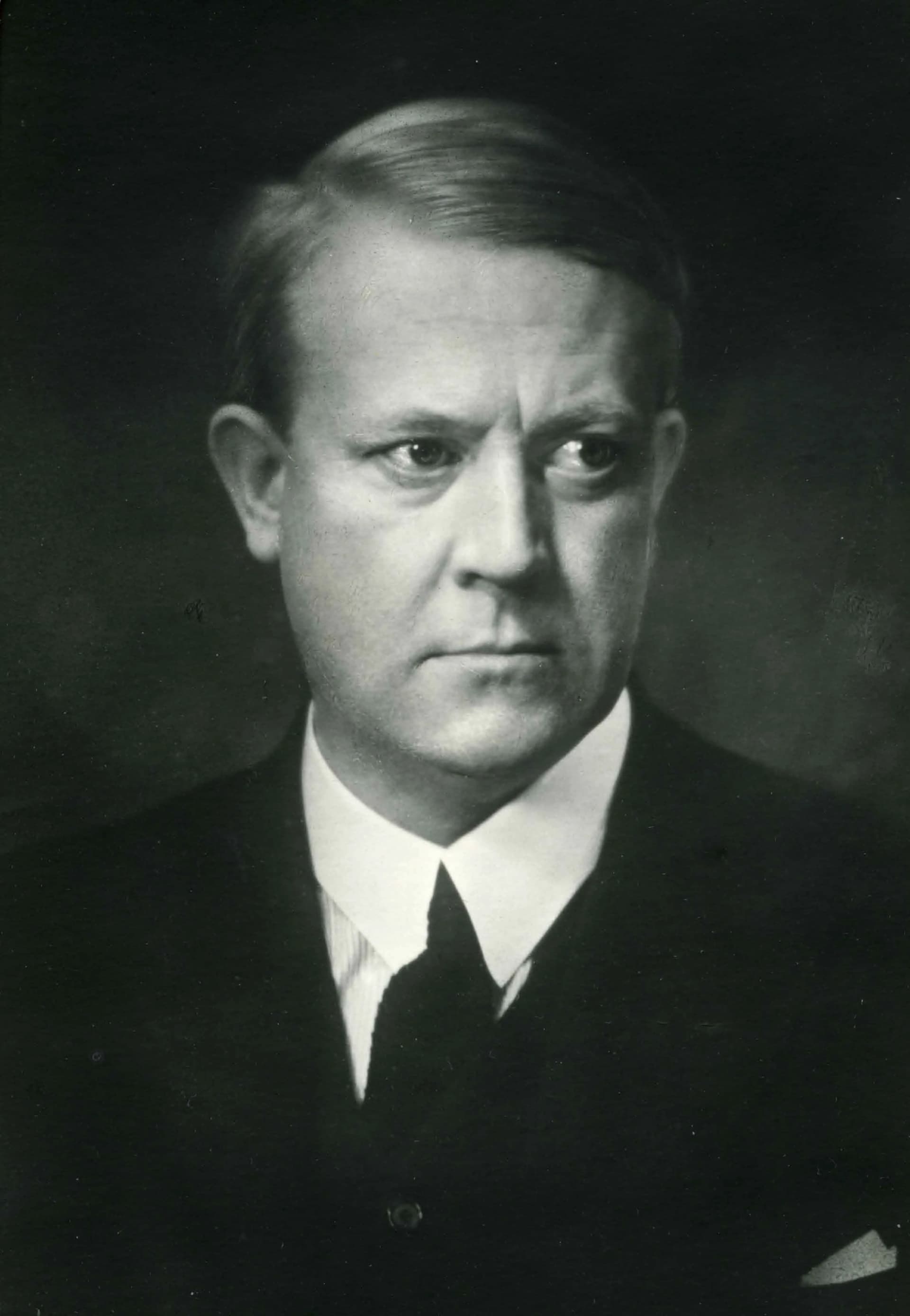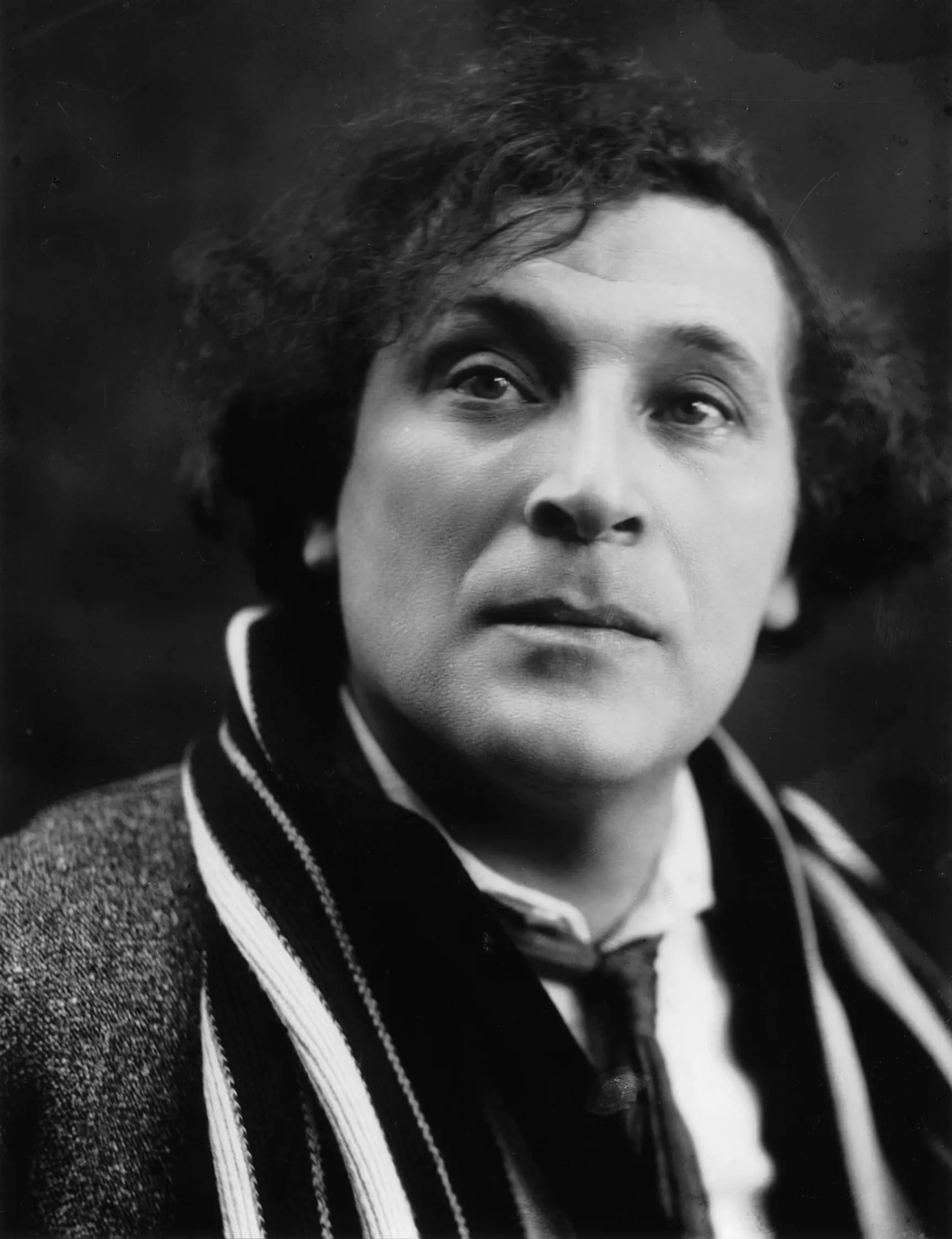
Syntynyt
November 28, 1887
Munich, Germany
Kuollut
July 1, 1934
Munich Prison, Germany
Tunnettu
German Nazi politician, military officer and leader of the Sturmabteilung
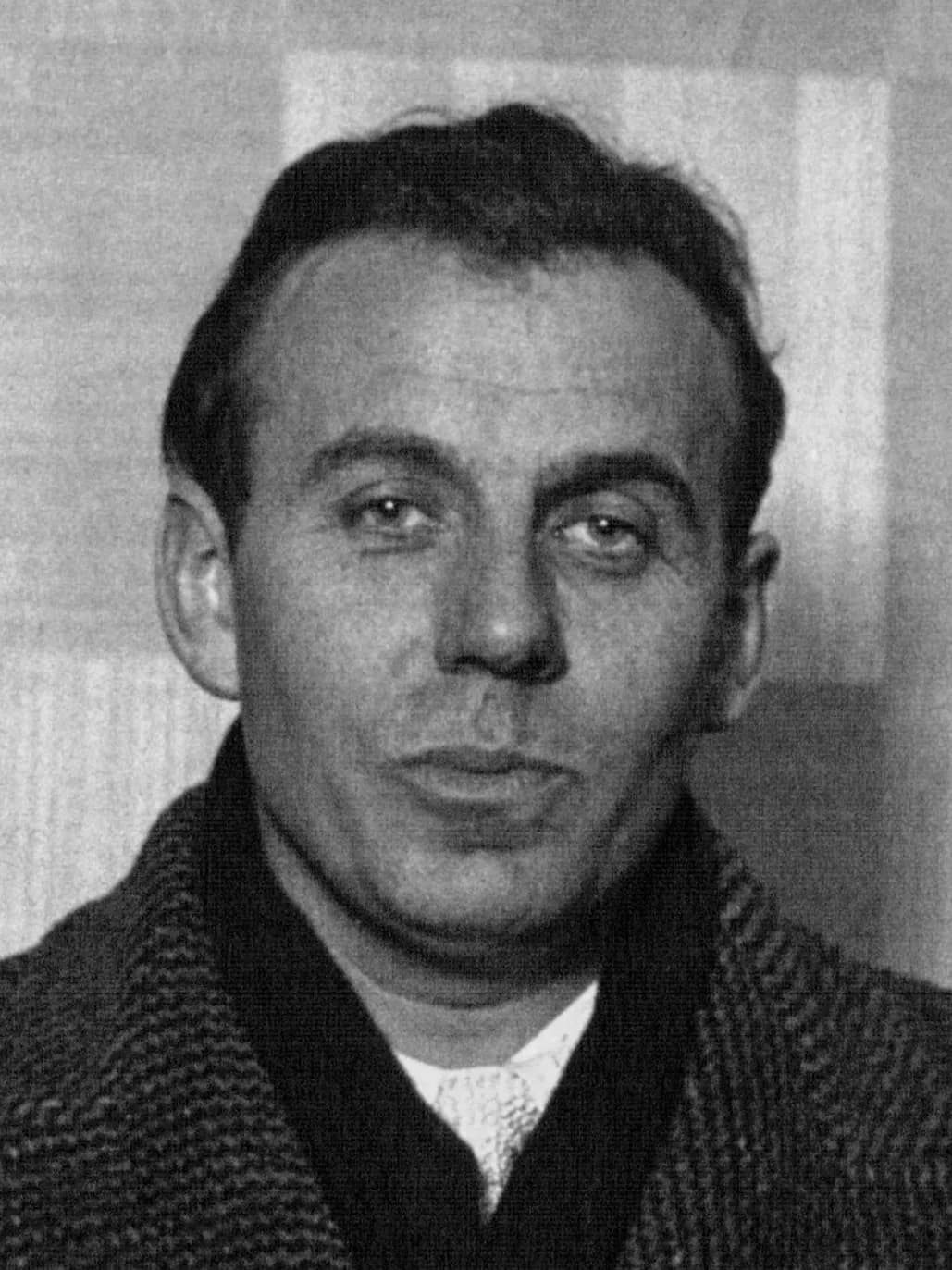
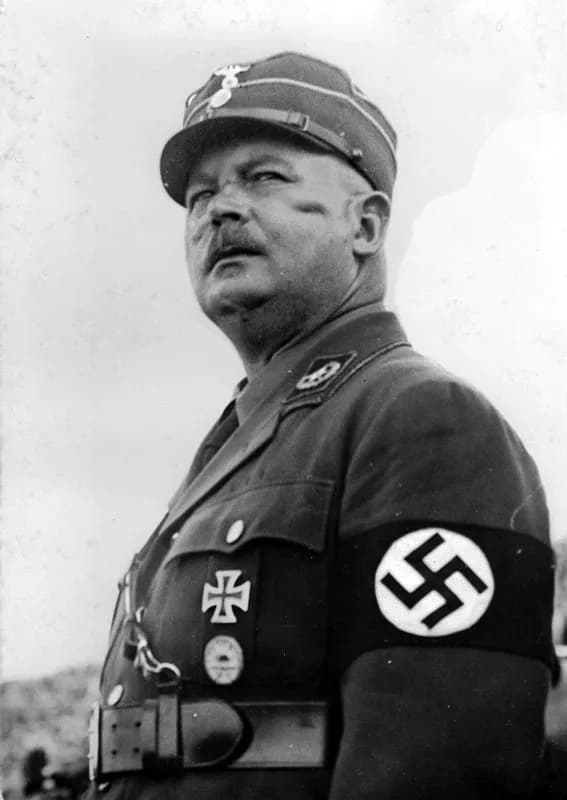
Ernst Röhm (1887–1934) was Germany best known for German Nazi politician, military officer and leader of the Sturmabteilung.
Ernst Julius Günther Röhm (November 28, 1887 – July 1, 1934) was a German military officer and politician from Munich. He co-founded and led the Sturmabteilung (SA), the Nazi Party's paramilitary wing, which aided Hitler's rise to power. His leadership significantly shaped the early Nazi movement.
Elämä hetkissä
Hetket, jotka muovasivat elämää
Luku
Elämän luvut
Luku 1 · 1887· Luku 1 / 7
Early Life and Origins
Ernst Röhm was born on November 28, 1887, in the vibrant city of Munich, Germany. While specific details about his family and early upbringing are not provided, his birth in Bavaria’s capital suggests a certain cultural and historical context for his youth. This period in German history was characterized by significant political and social shifts.
His foundational years likely instilled in him a strong sense of national identity, which later influenced his political affiliations. The lack of specific familial details means we focus on his public life and known career trajectory. His upbringing in Munich, a city that would later become central to the Nazi movement, positioned him for future involvement.
Luku 2· Luku 2 / 7
Career Beginnings
Röhm's professional life began within the German military, establishing him as a trained and disciplined officer. This military background provided him with valuable experience in command and organization. It also gave him connections and a network that would prove useful in his subsequent political endeavors.
He swiftly became an early ally and a close friend of Adolf Hitler, a relationship that would shape the course of his career. This alliance was critical in the nascent stages of the Nazi Party's development. Röhm's military prowess and leadership capabilities were instrumental from the outset of their collaboration.
Luku 3· Luku 3 / 7
Major Achievements and Career Highlights
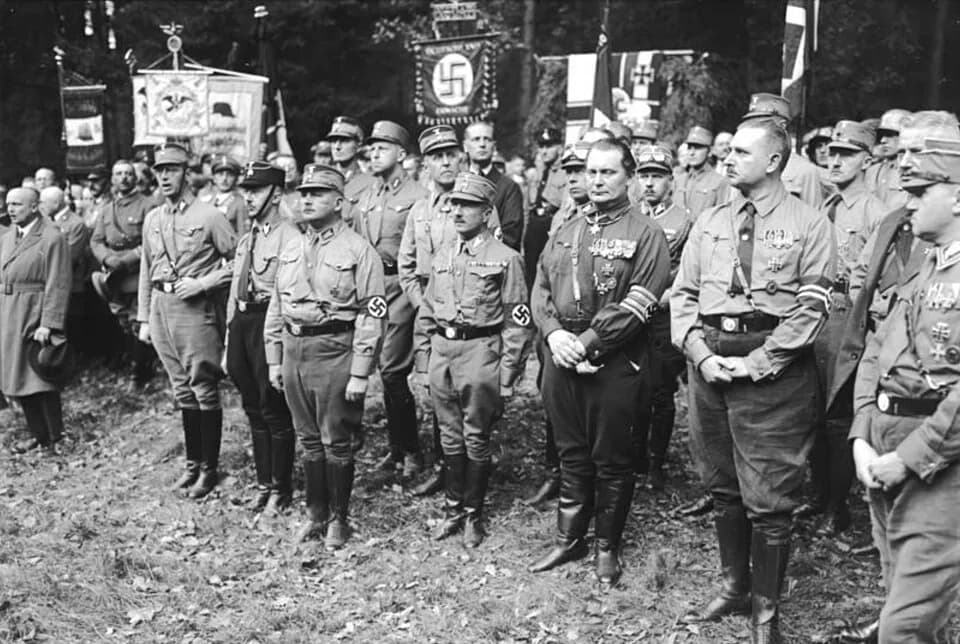
Ernst Röhm is primarily known as the co-founder and leader of the Sturmabteilung (SA), the Nazi Party's original paramilitary wing. This organization, often referred to as the "Brownshirts," was central to the party's operations. Under Röhm's leadership, the SA grew into a formidable force.
He served as the chief of the SA from 1931, overseeing its expansion and its role in intimidating political opponents. The SA's activities, including providing security for Nazi rallies and engaging in street battles, played a significant role in Hitler's ascent to power. Röhm's strategic direction of the SA cemented his position as a powerful figure within the Nazi Party hierarchy.
Luku 4· Luku 4 / 7
Personal Life
Information regarding Ernst Röhm's personal life, including details about family, relationships, or private interests, is not available in the provided sources. His public persona was largely defined by his military career and his deep involvement with the Nazi Party. He dedicated his life primarily to his political and organizational roles.
Luku 5· Luku 5 / 7
Notable Works or Contributions
While Ernst Röhm is not known for specific academic works, inventions, or artistic performances, his main contribution was the instrumental organization and leadership of the Sturmabteilung. The SA, under his command, was a unique and powerful paramilitary structure. It was a distinctive force that shaped the political climate of the Weimar Republic and early Nazi Germany.
His leadership involved structuring this large, street-level organization, which was pivotal in the Nazi Party's efforts to gain public prominence. The SA's operational methods and its widespread presence across Germany were direct results of Röhm's organizational skills. This paramilitary wing represented a significant contribution to the Nazi Party's operational capabilities.
Luku 6 · 1934· Luku 6 / 7
Later Years
Röhm's leadership of the SA continued until his assassination on July 1, 1934. His final years were marked by increasing tension within the Nazi Party. The SA, under his direction, had grown immensely powerful and represented a potential rival to Hitler's authority and the regular army.
His death occurred during the Night of the Long Knives, a purge orchestrated by the SS and other elements loyal to Hitler. He was killed at Munich Prison, Germany, where his life concluded abruptly. This event marked the consolidation of Hitler's power and the curtailment of the SA's independent influence.
Luku 7· Luku 7 / 7
Legacy and Impact
Ernst Röhm's legacy is inextricably linked to the early history and rise of the Nazi Party. As co-founder and chief of the SA, he built an organization that was crucial in dismantling democratic institutions in Germany. His actions and leadership contributed significantly to the political climate that enabled Hitler's dictatorship.
His story serves as a historical account of power struggles within totalitarian regimes and the brutal consequences of political purges. The events surrounding his death highlighted the ruthlessness employed by the Nazi leadership to maintain control. Röhm's influence, though ultimately suppressed, left a lasting mark on the organizational structure of early Nazi Germany.
UKK
Usein kysyttyä
Milloin Ernst Röhm kuoli?
Ernst Röhm kuoli 1. heinäkuuta 1934 Munich Prison, Germanyssa, 46 vuoden iässä.
Missä Ernst Röhm syntyi?
Ernst Röhm syntyi Munich, Germanyssa 28. marraskuuta 1887.
Mistä Ernst Röhm on tunnetuin?
Ernst Röhm on tunnetuin German Nazi politician, military officer and leader of the Sturmabteilung.
Kuinka vanha Ernst Röhm oli kuollessaan?
Ernst Röhm oli 46-vuotias kuollessaan.
Mitä kansallisuutta Ernst Röhm oli?
Ernst Röhm oli kotoisin maasta Germany.
Aikajana
Elämä lyhyesti
Valokuvagalleria
Elämä kuvina
Klikkaa mitä tahansa polaroidia laajentaaksesi · 48 valokuvaa
QR-koodi
Jaa tämä elämäkerta
Tulosta ja jaa
Skannaa vieraillaksesi tällä elämäkerrallisella sivulla. Tulosta tapahtumiin, näyttelyihin tai opetusmateriaaleihin.