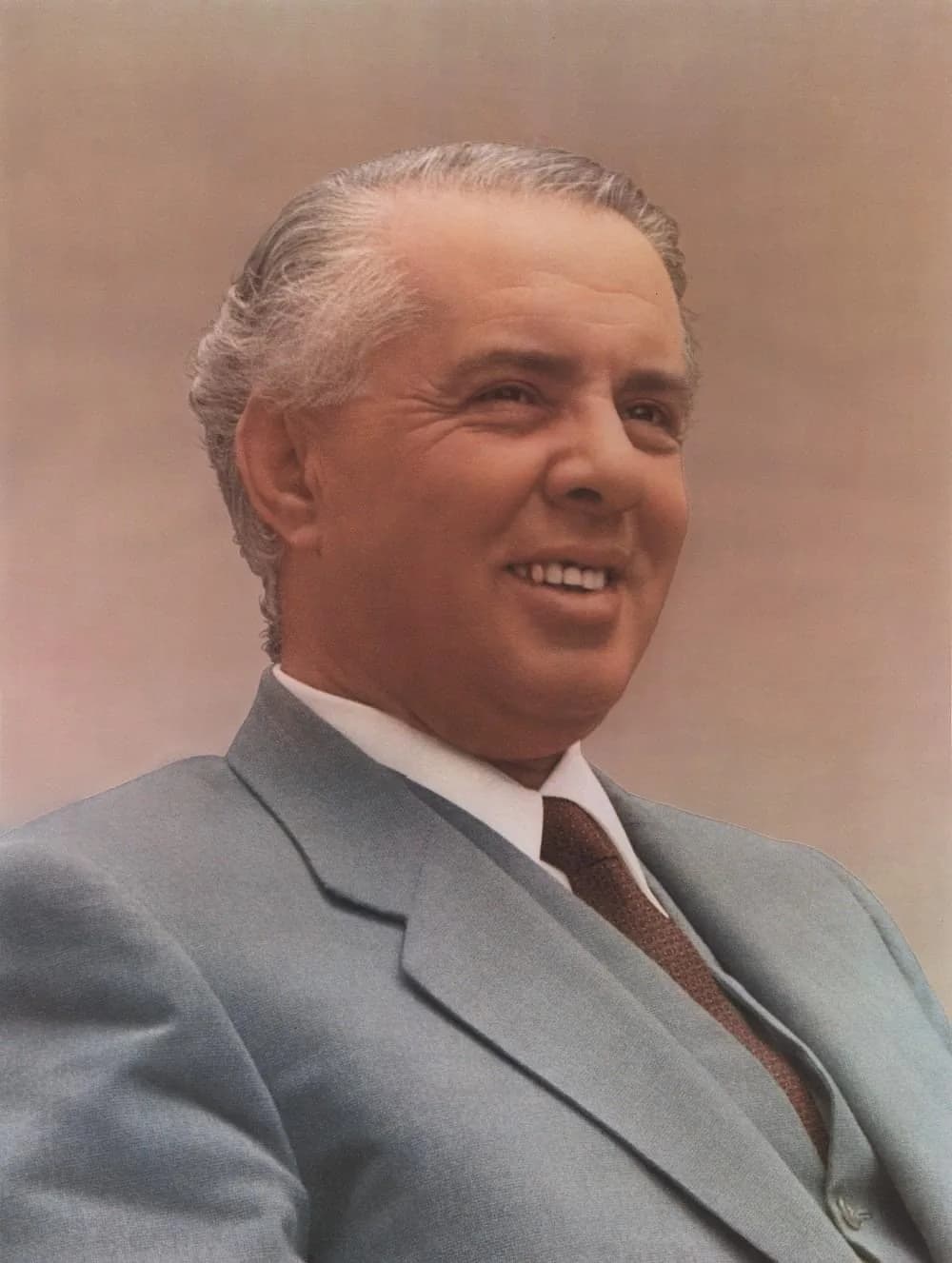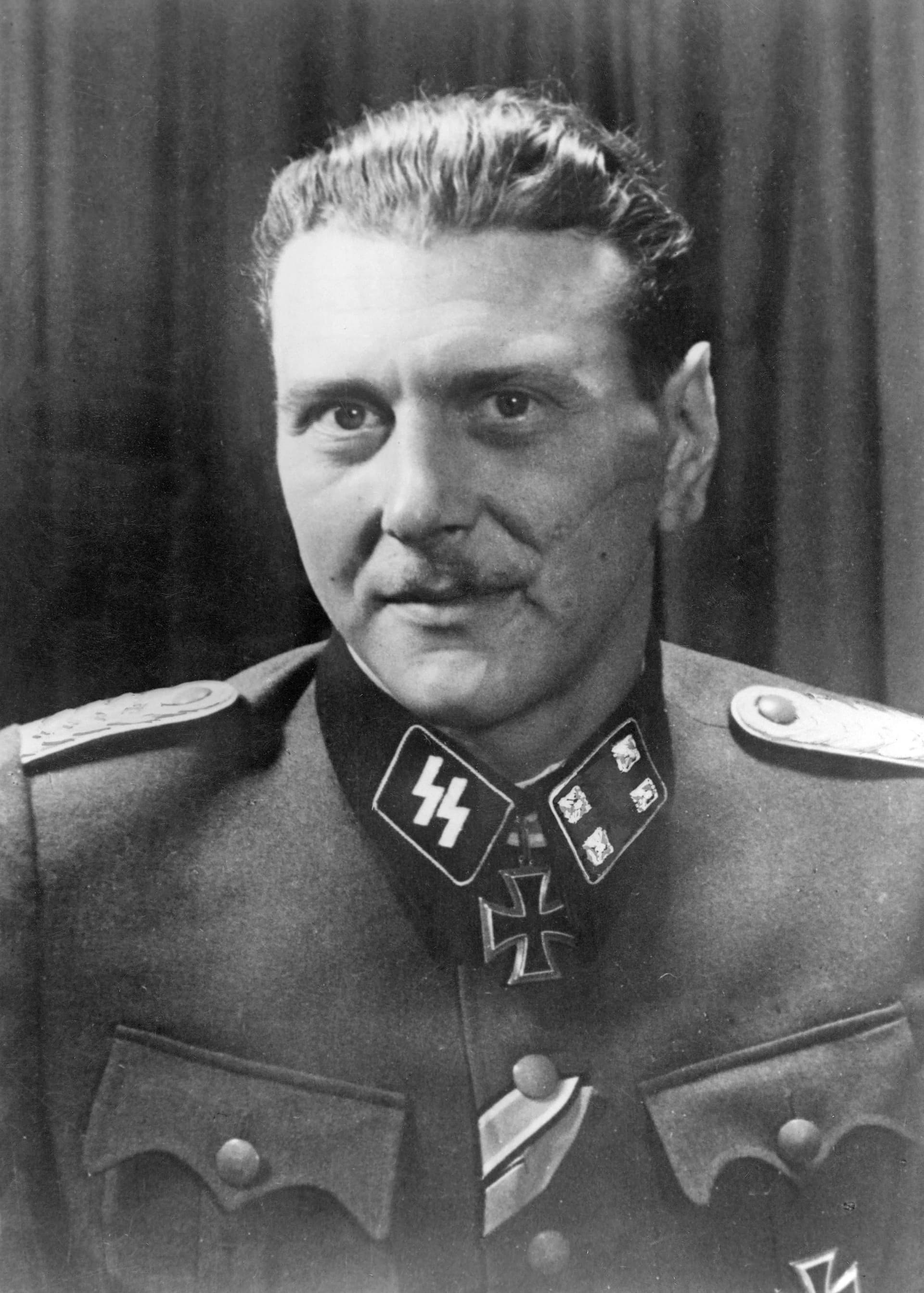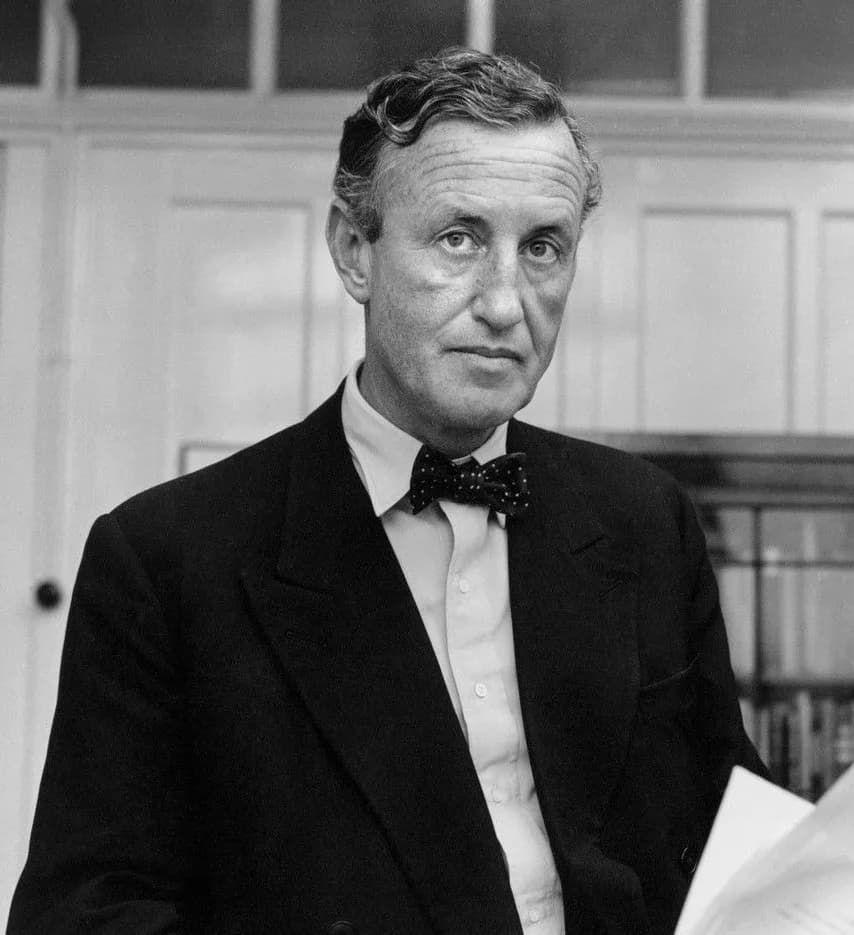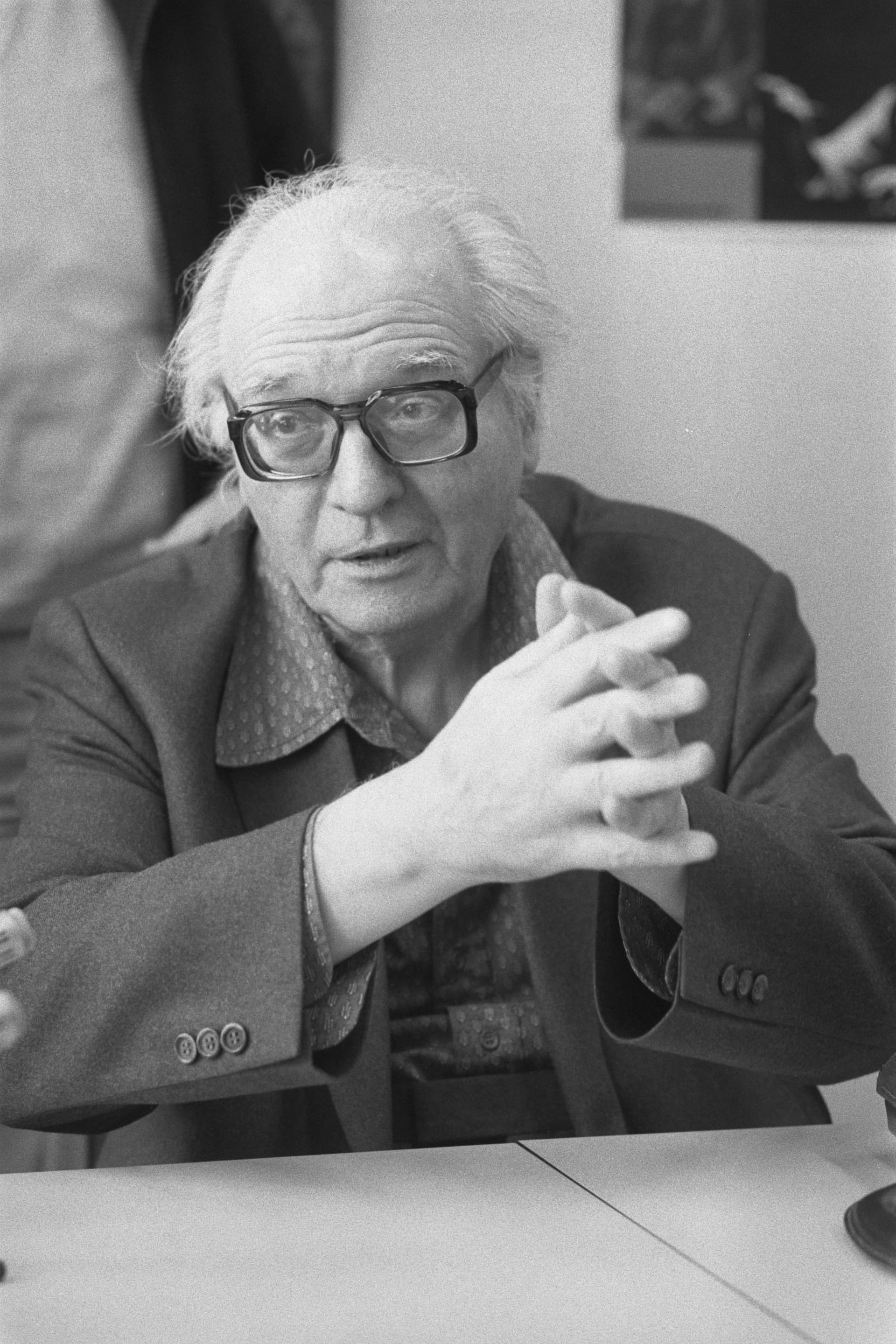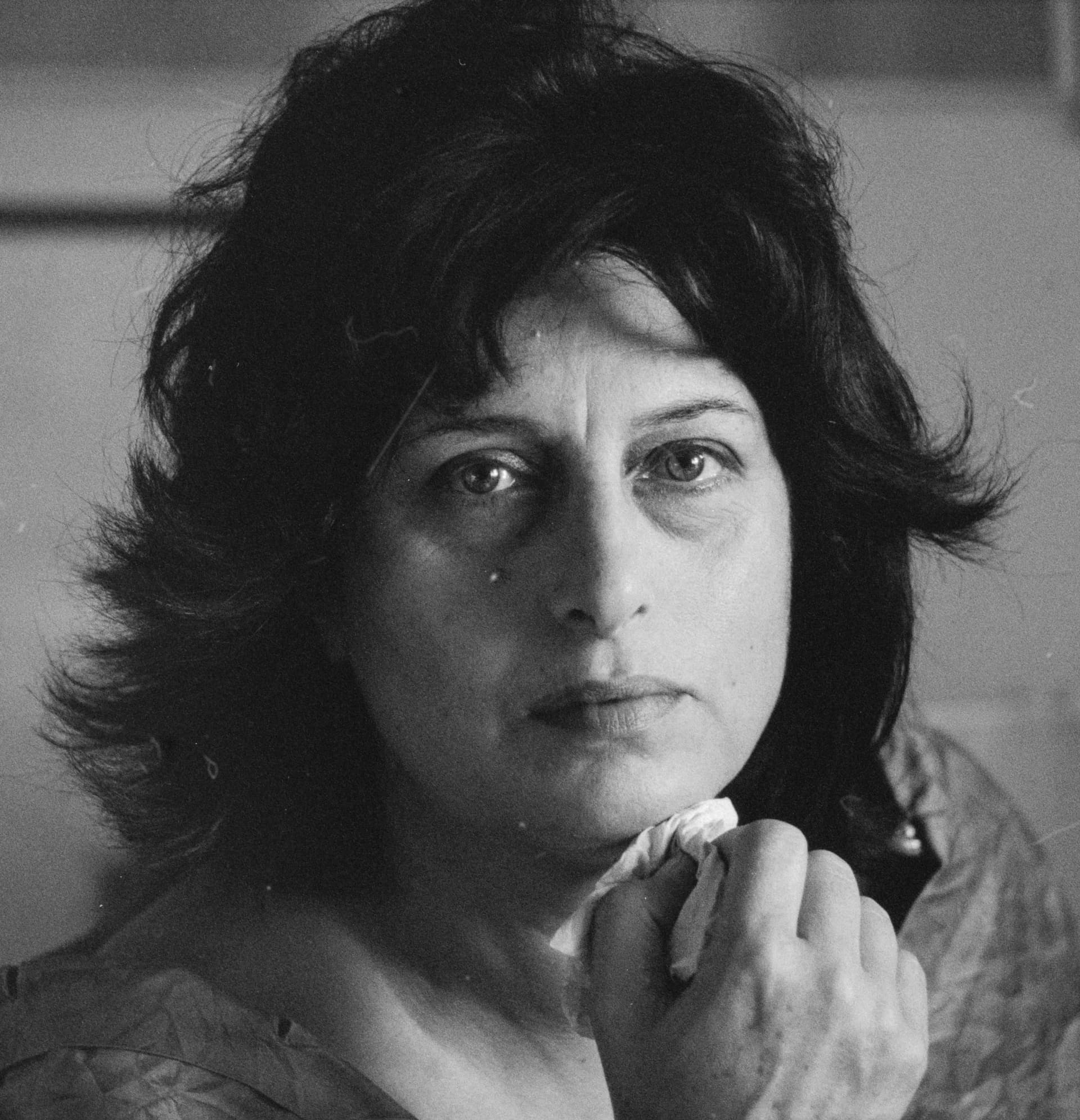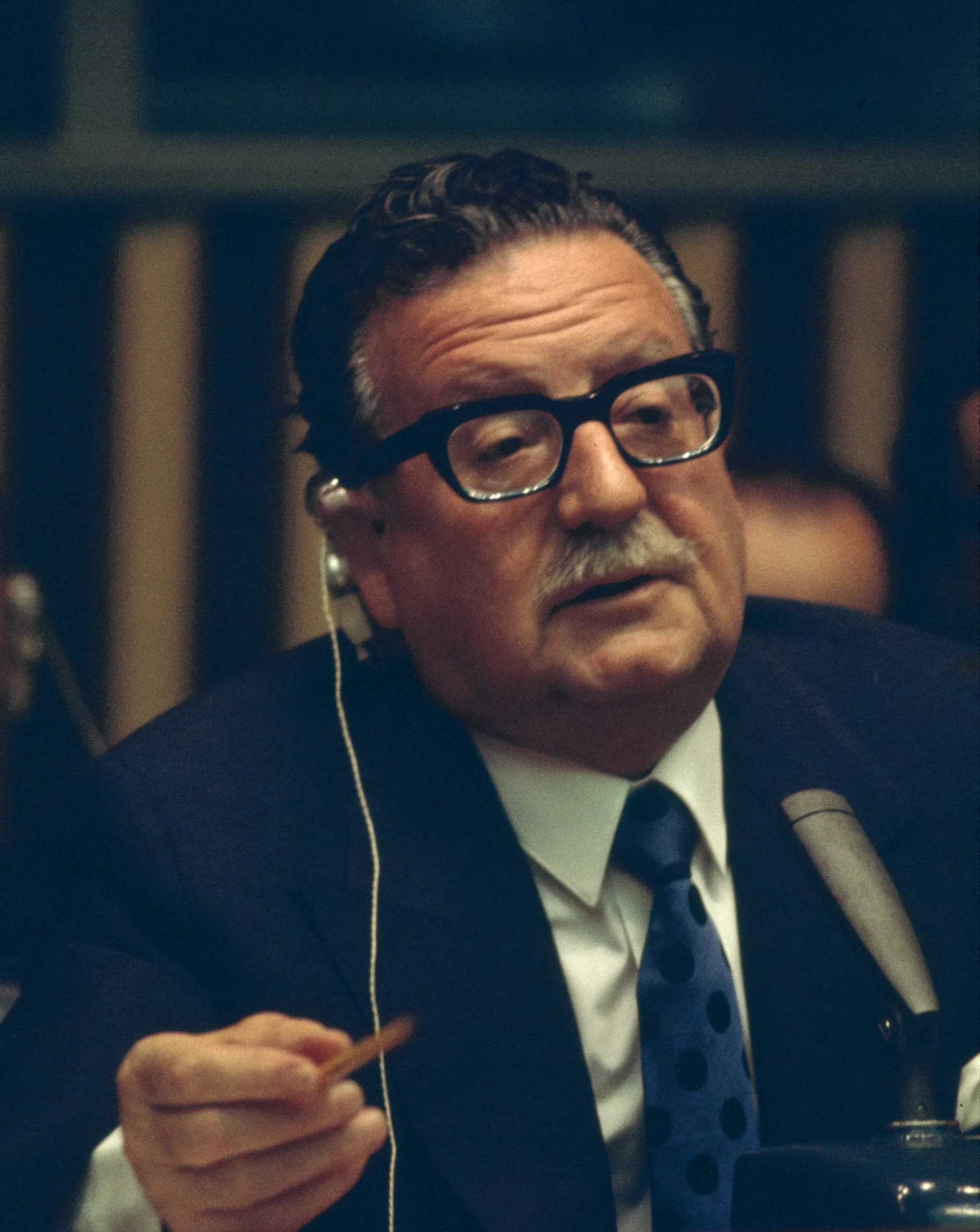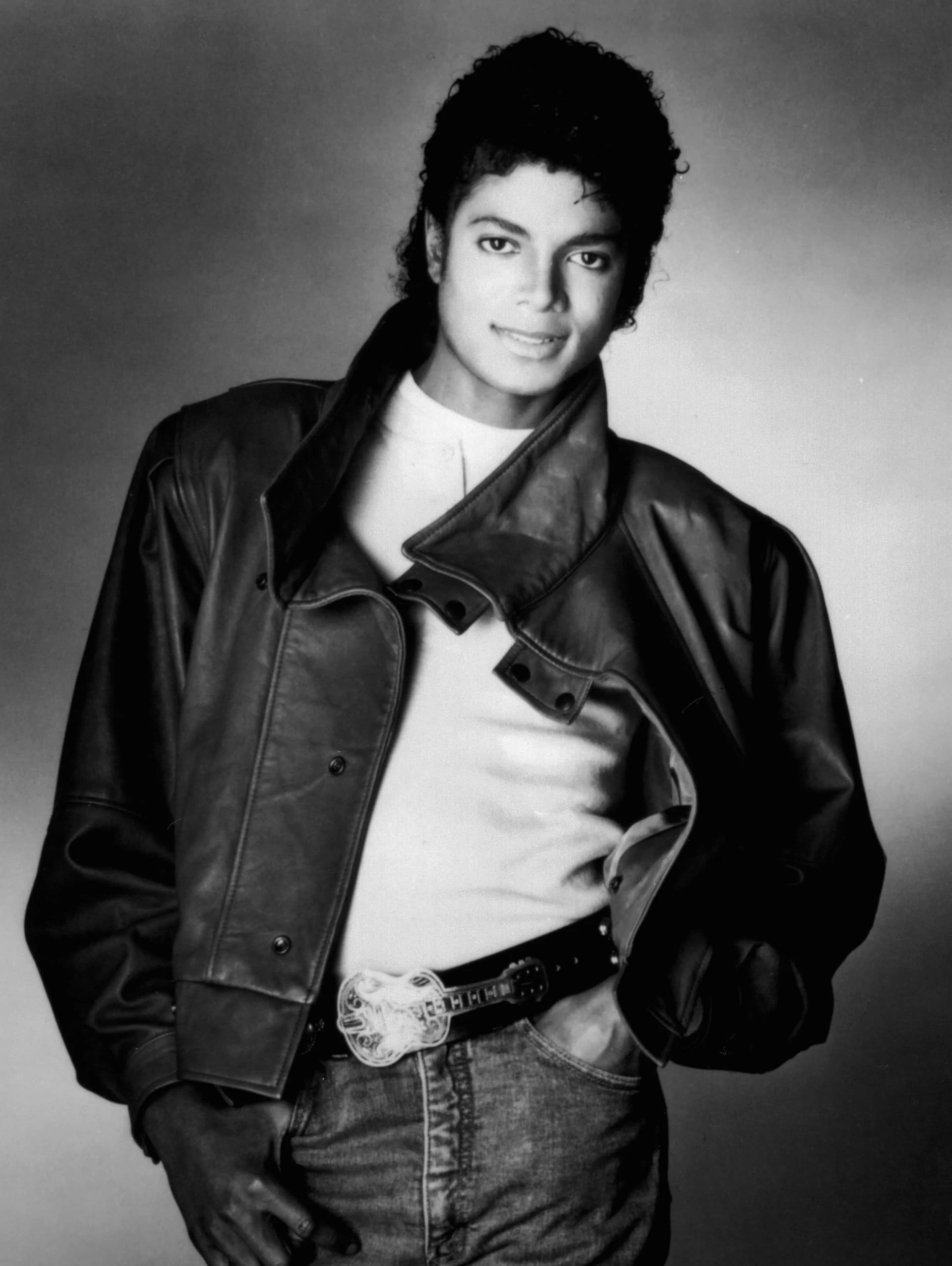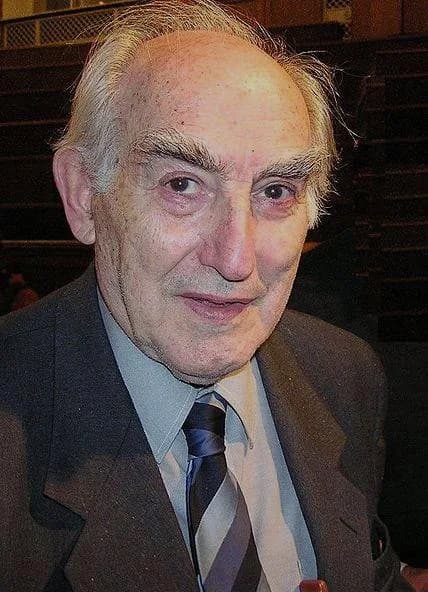
Syntynyt
November 28, 1908
Brussels, Belgium
Kuollut
October 30, 2009
16th arrondissement of Paris, France
Tunnettu
French anthropologist and ethnologist
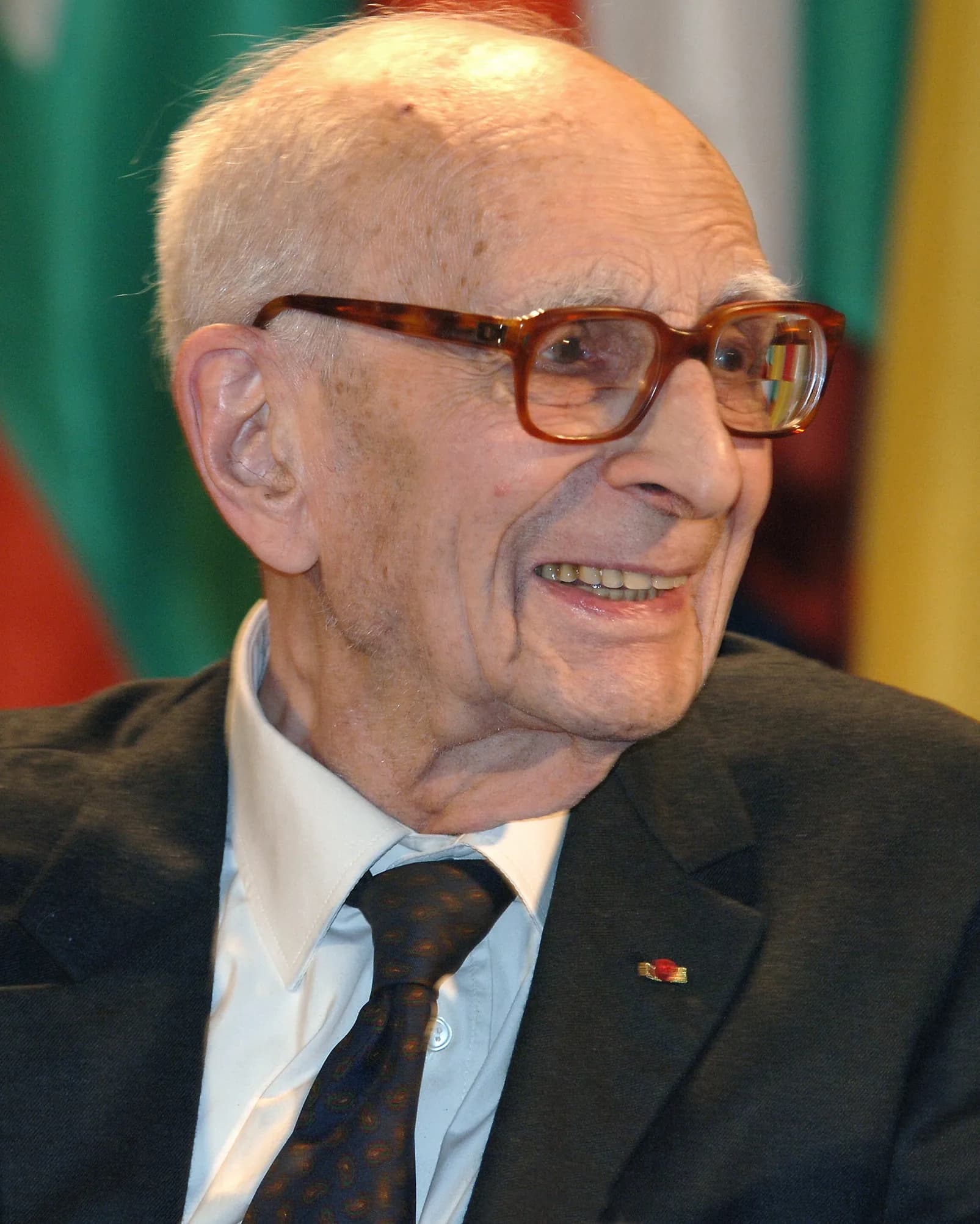
Claude Lévi-Strauss (1908–2009) was Belgium best known for French anthropologist and ethnologist.
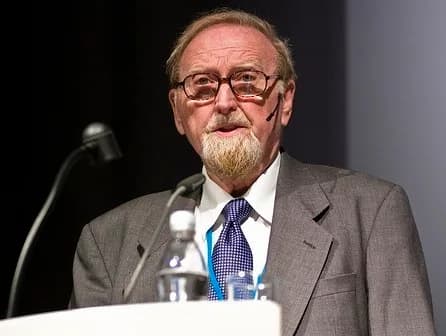
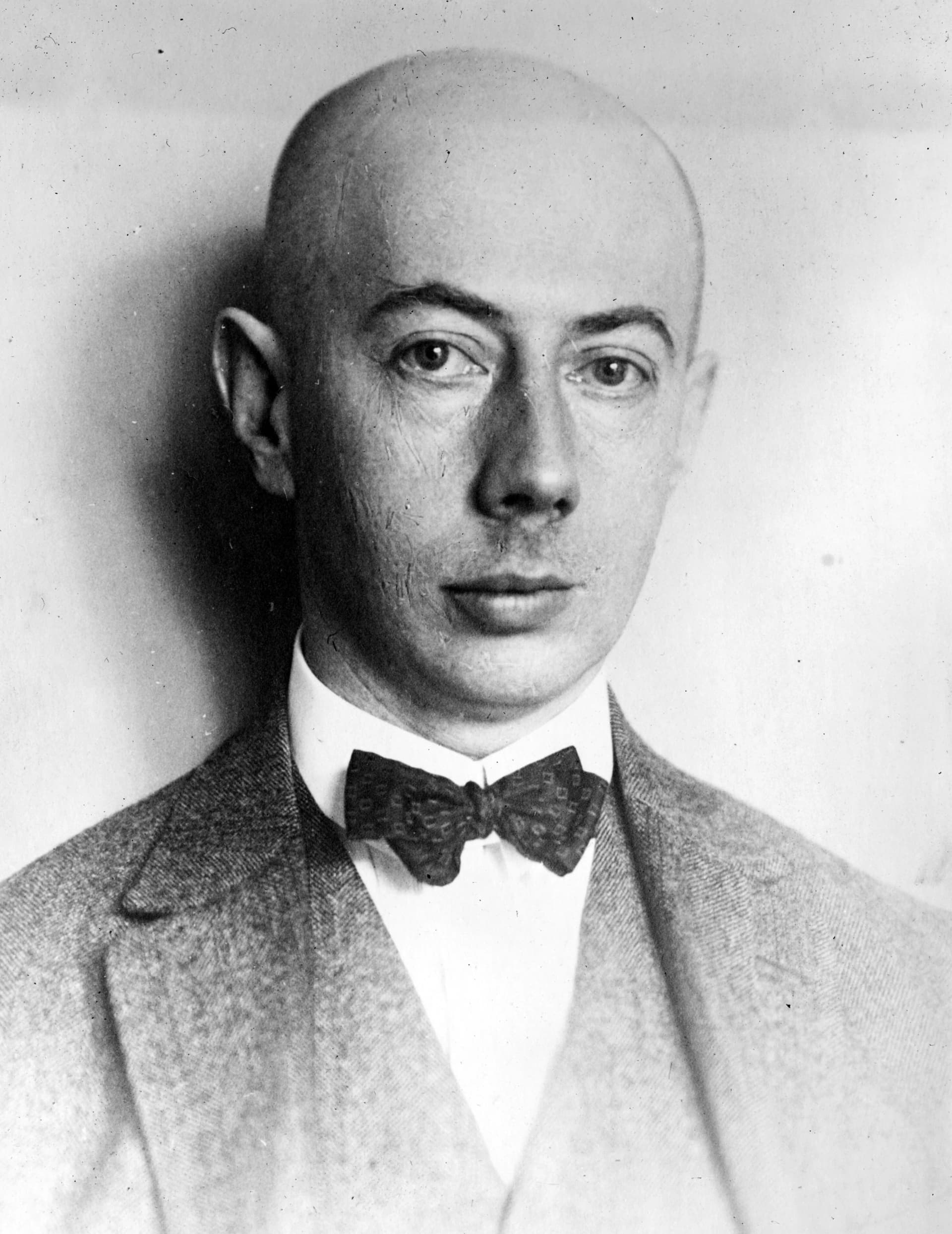
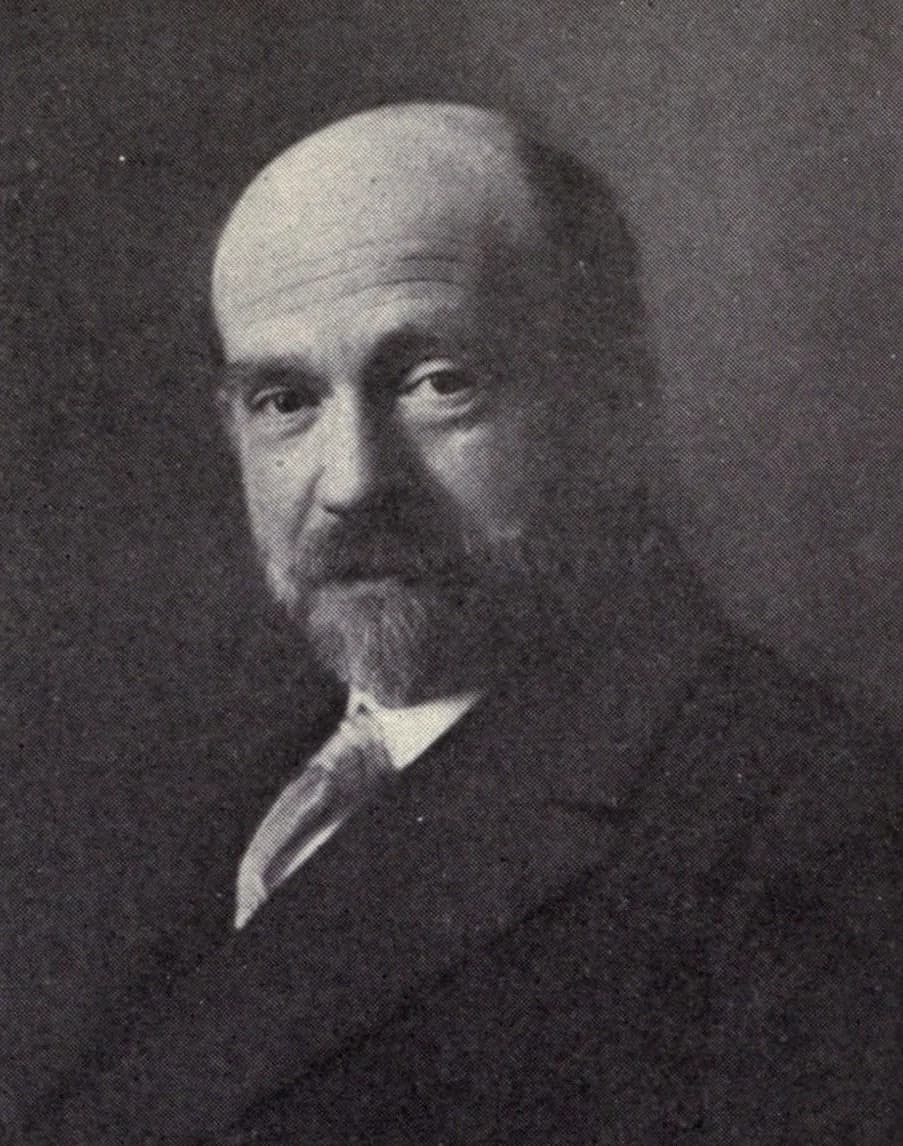
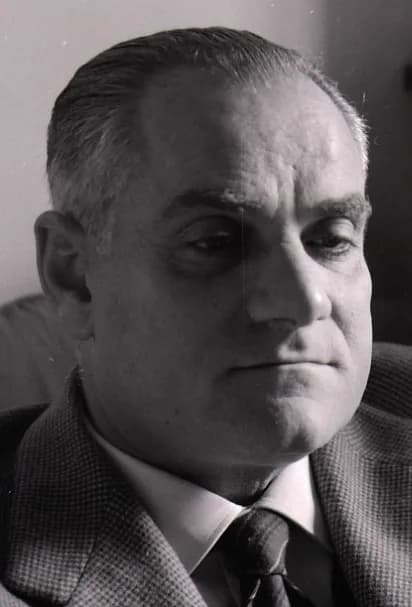
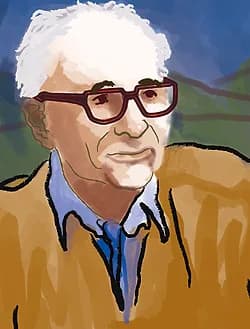
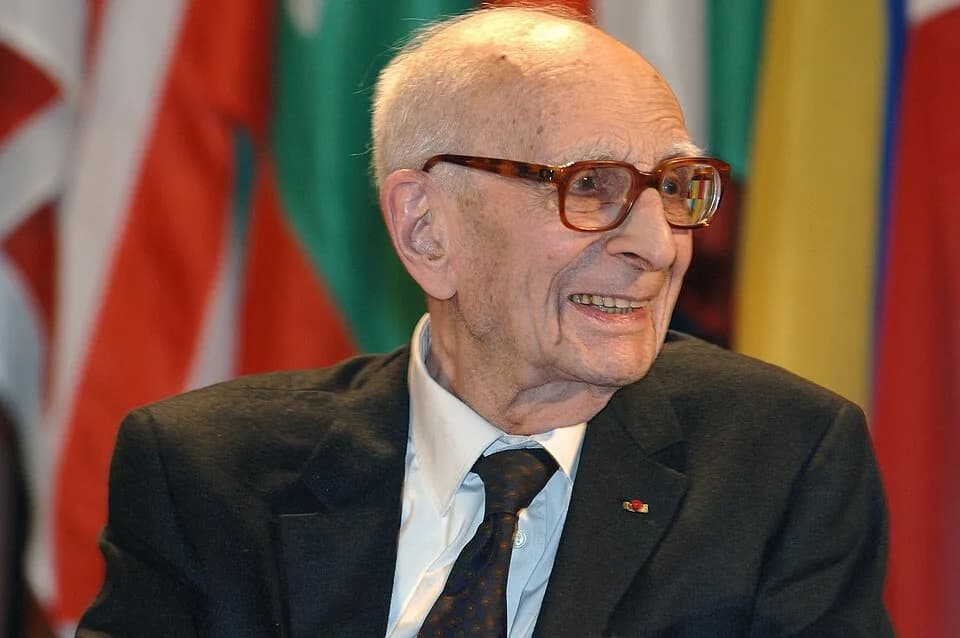
Claude Lévi-Strauss (November 28, 1908 – October 30, 2009) was a French anthropologist and ethnologist born in Belgium. He was a central figure in the development of structuralism and structural anthropology. His influential work redefined the study of human culture and thought processes.
Elämä hetkissä
Hetket, jotka muovasivat elämää
Luku
Elämän luvut
Luku 1 · 1908· Luku 1 / 7
Early Life and Origins
Claude Lévi-Strauss began his journey in Brussels, Belgium, where he was born on November 28, 1908. His early life in Belgium provided the initial backdrop to a career that would ultimately span a century and profoundly influence social sciences.
Luku 2· Luku 2 / 7
Career Beginnings and Diverse Professions
Lévi-Strauss cultivated a wide array of professions throughout his distinguished career, reflecting a deeply interdisciplinary approach to understanding human culture. Before dedicating himself fully to anthropology, he engaged in roles such as photographer, writer, and even politician, demonstrating a broad engagement with society and its various expressions.
His intellectual curiosity also led him to professions including professor, psychologist, and pedagogue, laying a strong foundation for his later work. These early experiences undoubtedly enriched his perspective as he transitioned into the specialized fields of ethnology, researcher, sociologist, anthropologist, philosopher, and mythographer.
Luku 3 · 1959· Luku 3 / 7
Major Achievements and Career Highlights
Claude Lévi-Strauss's work became instrumental in shaping the theories of structuralism and structural anthropology, positioning him at the forefront of academic innovation. His intellectual leadership was recognized through his appointment to the prestigious chair of Social Anthropology at the Collège de France, a position he held with distinction between 1959 and 1982.
Further acknowledging his considerable intellectual contributions and cultural standing, he was elected a member of the Académie française in 1973. Lévi-Strauss was also an active member of the School for Advanced Studies in the Social Sciences in Paris, contributing significantly to its research and academic environment.
Throughout his extensive career, Claude Lévi-Strauss received numerous honors and accolades from universities and institutions across the globe. These international recognitions underscored the universal appeal and scholarly significance of his contributions to anthropology and the broader humanities.
Luku 4· Luku 4 / 7
Personal Life
While Claude Lévi-Strauss's public persona was largely defined by his academic rigor and intellectual output, details regarding his personal and family life beyond his birth and death places are not included in the provided information.
Luku 5· Luku 5 / 7
Notable Works and Contributions
Claude Lévi-Strauss authored several influential works that solidified his place as a leading intellectual of his time, exploring diverse cultural phenomena through a structural lens. Among his significant titles are "El pensamiento salvaje" (The Savage Mind), a seminal text exploring the logic and structure of what was traditionally deemed 'primitive thought.'
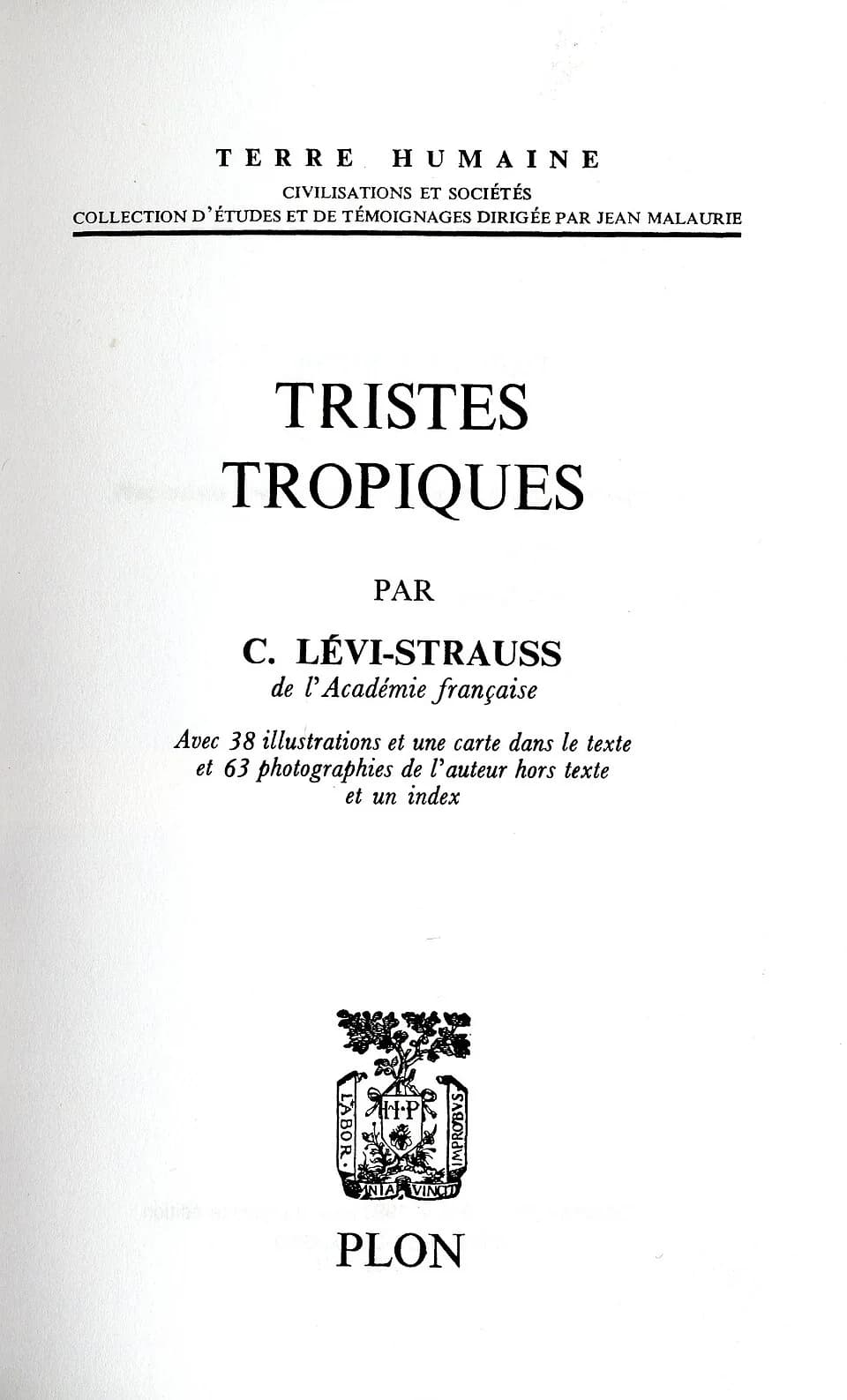
Another monumental work is "悲しき南回帰線" (Tristes Tropiques), an autobiographical and ethnographic account that blended travel narrative with philosophical reflection, offering profound insights into non-Western cultures and the nature of anthropology itself. He also contributed to the understanding of cultural symbols through works such as "Les champignons dans la culture" (Mushrooms in Culture) and explored literary connections in "Los gatos de Baudelaire" (Baudelaire's Cats).
His bibliography also includes "L'abécédaire de Claude Lévi-Strauss," which likely serves as a guide or compilation of his concepts, and the Arabic titles "al-Naẓar, al-samḥ, al-qirāʾah" (Vision, Tolerance, Reading), indicating a reach beyond Western academia. Furthermore, "Lévi-Strauss e il Terzo mondo" (Lévi-Strauss and the Third World) highlights his engagement with global issues and non-Western societies.
Luku 6 · 1982· Luku 6 / 7
Later Years
Claude Lévi-Strauss continued to shape intellectual discourse well into his later years, even after concluding his tenure at the Collège de France in 1982. His election to the Académie française in 1973 marked a lasting recognition of his contributions to French culture and scholarship, a role he maintained with distinction.
He passed away on October 30, 2009, in the 16th arrondissement of Paris, France, just shy of his 101st birthday. His passing marked the end of an era for structural anthropology, but his intellectual spirit and foundational ideas continued to resonate globally.
Luku 7· Luku 7 / 7
Legacy and Impact
The legacy of Claude Lévi-Strauss is deeply ingrained in modern anthropology and the broader social sciences, particularly through his pioneering development of structuralism. His analytical framework, which sought underlying structures in human thought, myth, and social organization, provided new methods for understanding cultural universals and variations.
His teachings and writings continue to inspire generations of scholars to look beyond surface phenomena to discover the relational patterns that govern human societies. The numerous honors he received from institutions worldwide affirm his enduring international influence and the lasting relevance of his intellectual pursuit.
UKK
Usein kysyttyä
Milloin Claude Lévi-Strauss kuoli?
Claude Lévi-Strauss kuoli 30. lokakuuta 2009 16th arrondissement of Paris, Francessa, 100 vuoden iässä.
Missä Claude Lévi-Strauss syntyi?
Claude Lévi-Strauss syntyi Brussels, Belgiumssa 28. marraskuuta 1908.
Mistä Claude Lévi-Strauss on tunnetuin?
Claude Lévi-Strauss on tunnetuin French anthropologist and ethnologist.
Kuinka vanha Claude Lévi-Strauss oli kuollessaan?
Claude Lévi-Strauss oli 100-vuotias kuollessaan.
Mitä kansallisuutta Claude Lévi-Strauss oli?
Claude Lévi-Strauss oli kotoisin maasta Belgium.
Aikajana
Elämä lyhyesti
Valokuvagalleria
Elämä kuvina
Klikkaa mitä tahansa polaroidia laajentaaksesi · 48 valokuvaa
QR-koodi
Jaa tämä elämäkerta
Tulosta ja jaa
Skannaa vieraillaksesi tällä elämäkerrallisella sivulla. Tulosta tapahtumiin, näyttelyihin tai opetusmateriaaleihin.