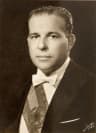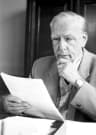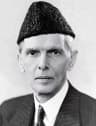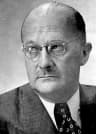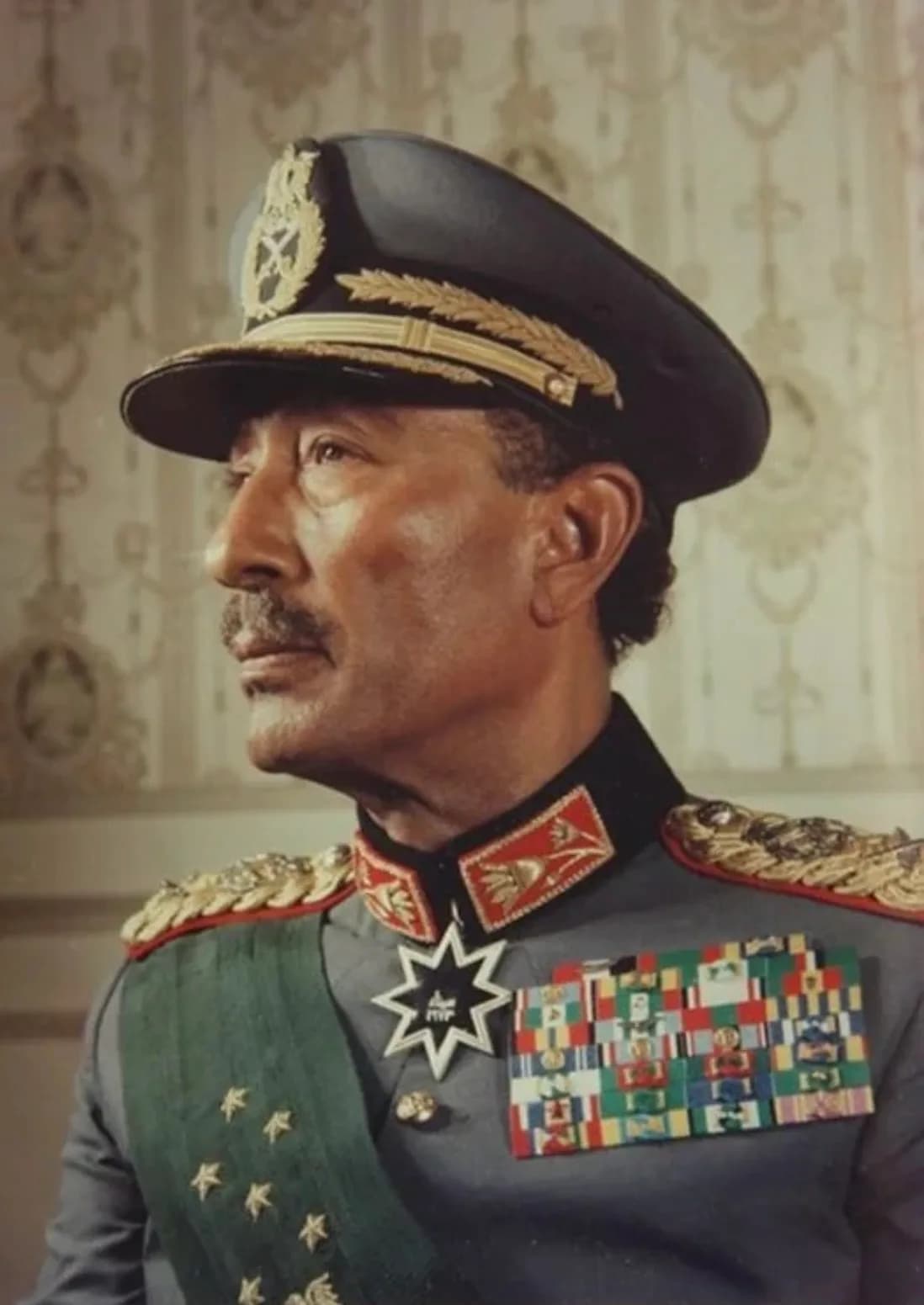
Syntynyt
December 25, 1918
Mit Abu al-Kum, Egypt
Kuollut
October 6, 1981
Cairo, Egypt
Tunnettu
President of Egypt from 1970 to 1981
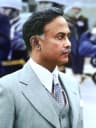
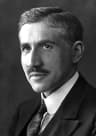
Anwar Sadat (1918–1981) was Egypt best known for President of Egypt from 1970 to 1981.
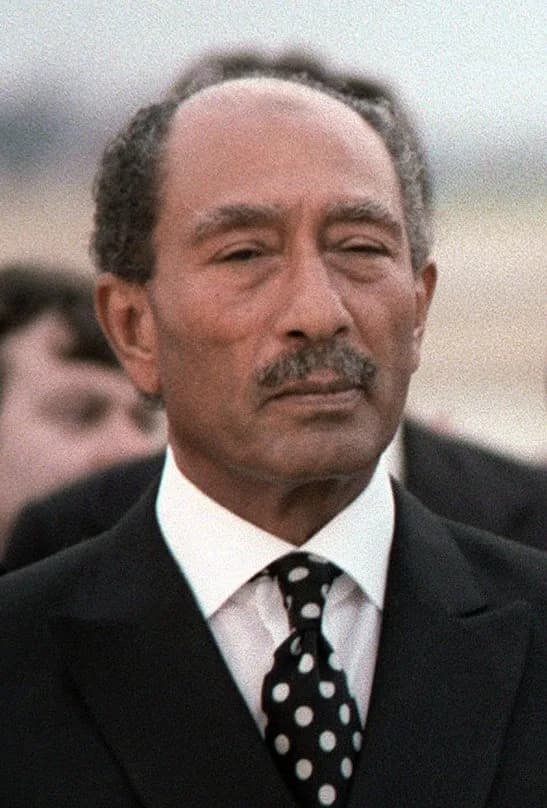
Muhammad Anwar el-Sadat (December 25, 1918 – October 6, 1981) was an Egyptian president, politician, and military officer. He famously led Egypt in the 1973 October War and signed a historic peace treaty with Israel in 1978, earning him the Nobel Peace Prize. His actions reshaped the geopolitical landscape of the Middle East.
Luku
Elämän luvut
Luku 1 · 1918· Luku 1 / 5
Early Life and Formative Years
Anwar Sadat was born on December 25, 1918, in Mit Abu al-Kum, a specific village in Egypt. His early life in this particular locale instilled in him a deep understanding of the Egyptian people and their aspirations. This specific birthplace fostered a strong connection to his homeland and influenced his perspective on national and international affairs.
His formative years in Egypt contributed to his development as a future military officer and politician. The environment of his birth prepared him for a career dedicated to the service of his country. Sadat's foundational experiences were crucial in shaping the character of the leader he would become.
Luku 2 · 1952· Luku 2 / 5
Path to Power and Revolution
Sadat's entry into national politics began with his active involvement as a senior member of the Free Officers, a group committed to bringing change to Egypt. This group was central to orchestrating the Egyptian Revolution of 1952, a key event that successfully overthrew King Farouk I. His participation in this revolution established his position as a committed agent of change within the nation.
Following the revolution, Anwar Sadat became a close confidant of President Gamal Abdel Nasser, a dominant figure in Egyptian leadership. Under Nasser, Sadat served as Vice President on two distinct occasions, gaining valuable experience in national governance and diplomatic practice. This period as Vice President prepared him extensively for the immense responsibilities he would later undertake as head of state.
Luku 3 · 1970· Luku 3 / 5
Presidency and Wartime Leadership
On October 15, 1970, Anwar Sadat assumed the presidency, becoming the 3rd President of Egypt. His ascent to this high office signaled a new era for Egypt, one soon characterized by both military action and bold diplomatic efforts. Sadat's leadership was immediately tested by regional tensions and the ongoing Arab-Israeli conflict.
A defining challenge of his presidency came in 1973 when he led Egypt in the October War. This military campaign demonstrated his determination and strategic insight, aiming to reclaim territories and restore national dignity. The October War significantly impacted the political landscape of the Middle East, setting the course for future peace initiatives under his direction.
Luku 4 · 1978· Luku 4 / 5
Pursuit of Peace and International Recognition
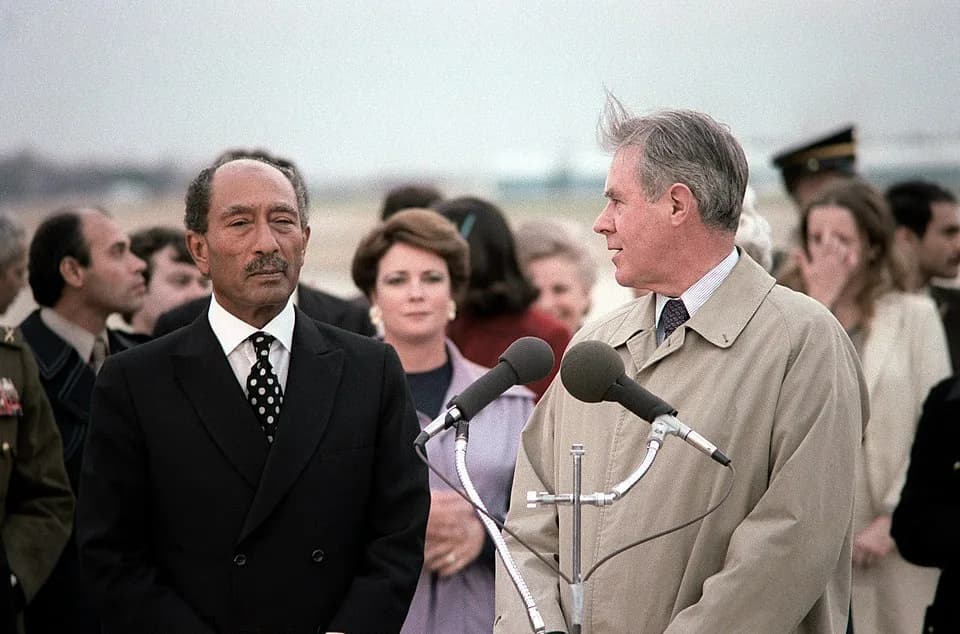
Despite his command in war, President Sadat courageously pursued a path toward peace, leading to a momentous agreement in 1978. In an unprecedented act of diplomacy, Sadat, together with Menachem Begin, the Prime Minister of Israel, signed a peace treaty. This significant accord was achieved with the cooperation of United States President Jimmy Carter, highlighting its international importance.
The signing of this peace treaty between Egypt and Israel was a truly momentous event, ending decades of conflict and animosity between the two nations. For their efforts in securing this monumental peace, Anwar Sadat and Menachem Begin were jointly recognized with the prestigious Nobel Peace Prize. This award acknowledged their extraordinary courage and dedication to resolving one of the world's most persistent conflicts.
Luku 5 · 1981· Luku 5 / 5
Later Years and Enduring Legacy
Anwar Sadat continued to serve as President of Egypt until his tragic assassination on October 6, 1981, in Cairo, Egypt. His untimely death brought an abrupt end to a life committed to guiding his nation's future and fostering peace in a challenging region. Sadat's final years were spent diligently working towards the implementation and strengthening of the peace he had established.
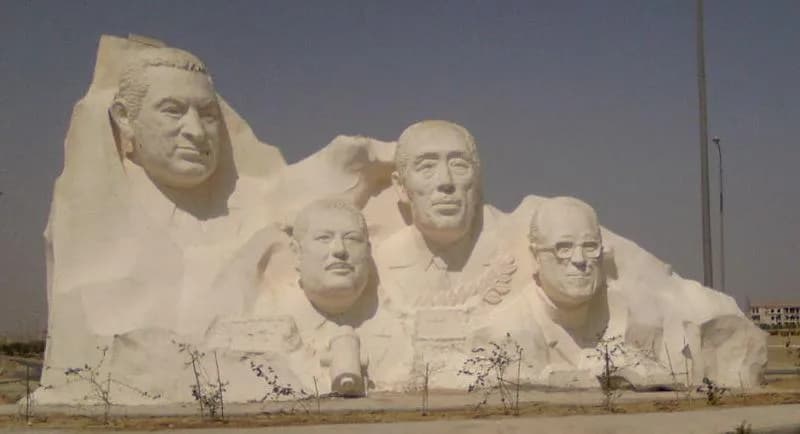
The legacy of Anwar Sadat is deep and varied, securing his place as an important figure in modern history. He is remembered as a resolute leader who was willing to challenge established norms, first by participating in the overthrow of a monarchy and later by seeking peace with a long-standing adversary. His courage as both a military leader and a diplomat continues to inspire, showing that even deep-seated conflicts can be overcome through clear vision and devoted effort. Sadat's actions significantly changed the political path of the Middle East, leaving a lasting impression on international relations.
Elämä hetkissä
Hetket, jotka muovasivat elämää

UKK
Usein kysyttyä
Milloin Anwar Sadat kuoli?
Anwar Sadat kuoli 6. lokakuuta 1981 Cairo, Egyptssa, 62 vuoden iässä.
Missä Anwar Sadat syntyi?
Anwar Sadat syntyi Mit Abu al-Kum, Egyptssa 25. joulukuuta 1918.
Mistä Anwar Sadat on tunnetuin?
Anwar Sadat on tunnetuin President of Egypt from 1970 to 1981.
Kuinka vanha Anwar Sadat oli kuollessaan?
Anwar Sadat oli 62-vuotias kuollessaan.
Mitä kansallisuutta Anwar Sadat oli?
Anwar Sadat oli kotoisin maasta Egypt.
Aikajana
Elämä lyhyesti
Valokuvagalleria
Elämä kuvina
Klikkaa mitä tahansa polaroidia laajentaaksesi · 49 valokuvaa
QR-koodi
Jaa tämä elämäkerta
Tulosta ja jaa
Skannaa vieraillaksesi tällä elämäkerrallisella sivulla. Tulosta tapahtumiin, näyttelyihin tai opetusmateriaaleihin.