Jaioa
October 10, 1930
London, Roman Empire
Hila
December 24, 2008
London, Roman Empire
Ezaugarriak
British playwright
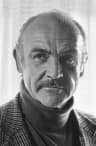
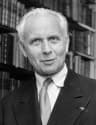
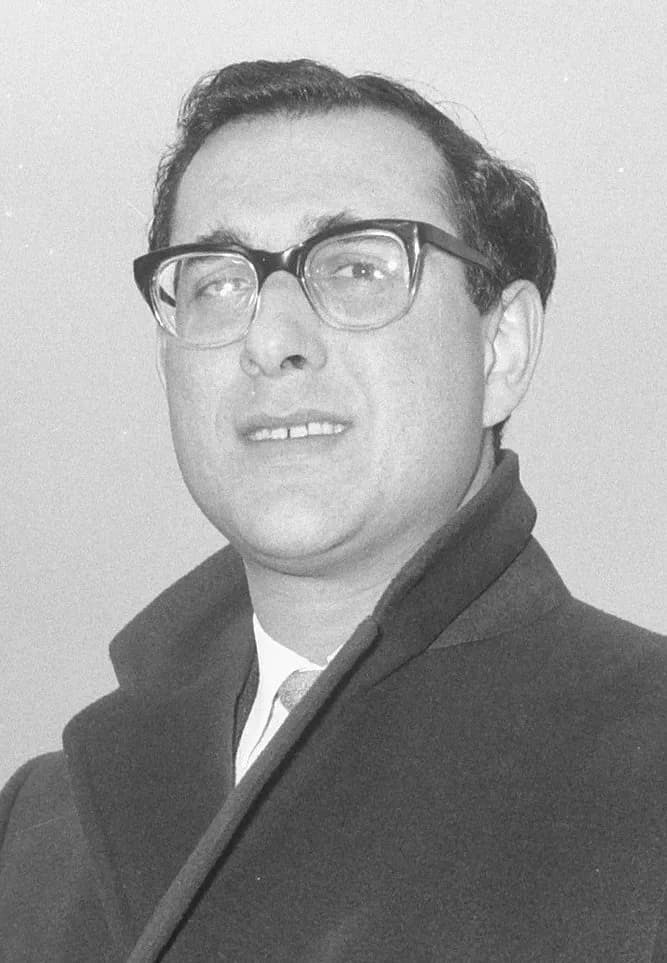
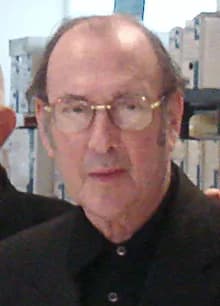
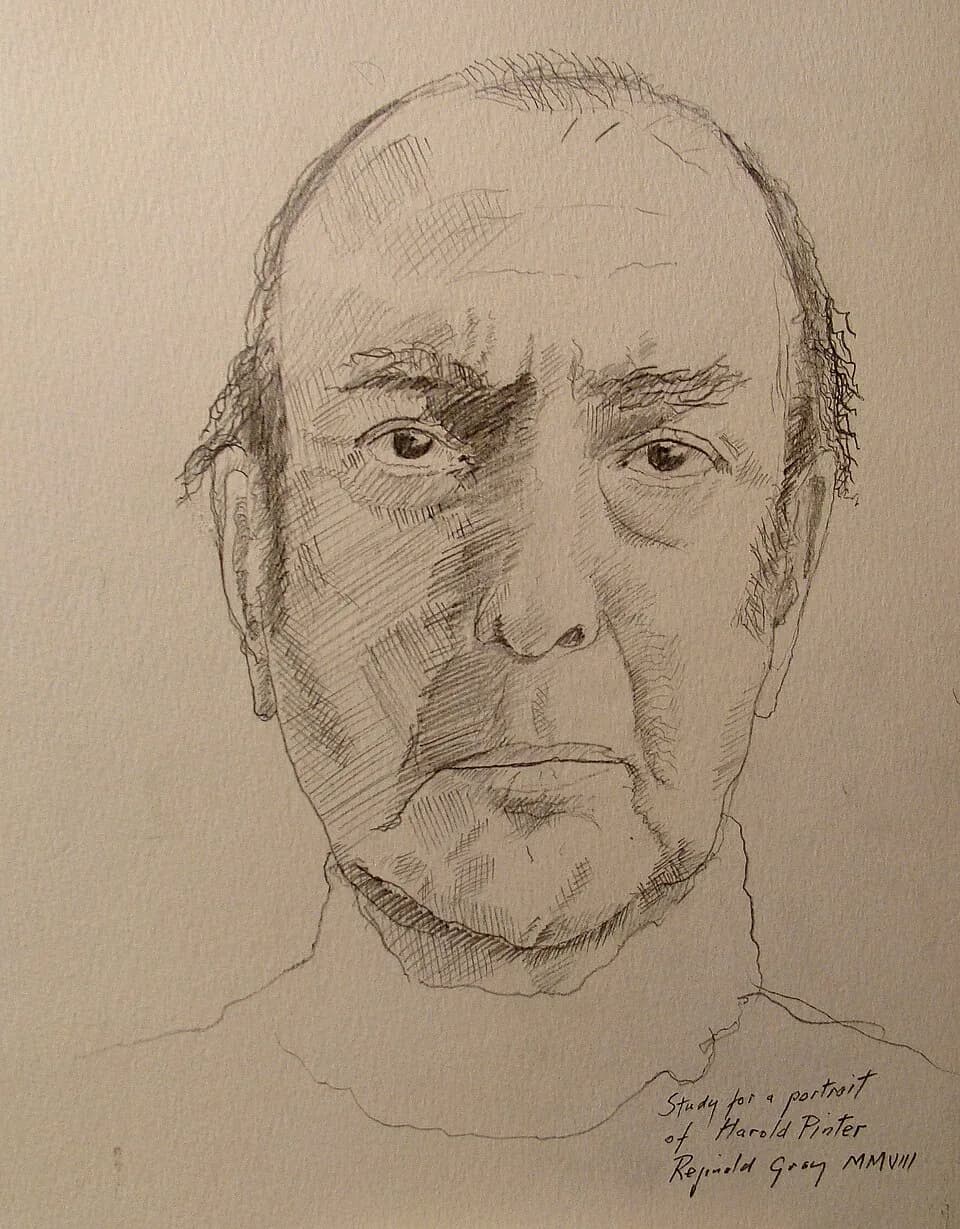
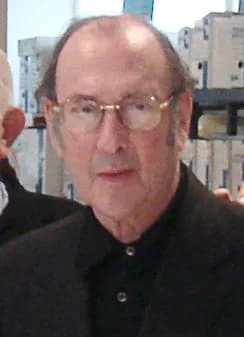
Harold Pinter (1930-2008) was a British playwright, screenwriter, director and actor from London. A Nobel Prize winner in Literature, he was one of the most influential modern British dramatists with classics like The Birthday Party and Betrayal. His distinctive style fundamentally changed modern theatre.
0 kapitulua
Bizitzako kapituluak
1 kapitulua · 1930· 1. kapitulua 6tik
Early Life and Origins
Born on October 10, 1930, in London, Harold Pinter grew up in the vibrant cultural landscape of England's capital city. His London upbringing would later influence much of his dramatic work, providing him with the urban sensibilities and sharp observational skills that would become hallmarks of his writing. The experiences of his formative years in London shaped his understanding of human relationships and social dynamics, elements that would feature prominently throughout his theatrical career.
2 kapitulua· 2. kapitulua 6tik
Career Beginnings
Pinter's entry into the world of theatre began as an actor before he found his true calling as a playwright. His early involvement in radio, stage, and television productions gave him a deep understanding of dramatic performance from multiple perspectives. This experience as a performer informed his later work as a writer, giving him insight into the rhythms of speech and the power of silence in dramatic presentation.
3 kapitulua · 1957· 3. kapitulua 6tik
Major Achievements and Career Highlights
Pinter's theatrical breakthrough came with plays that would become classics of modern drama. The Birthday Party (1957), The Homecoming (1964), and Betrayal (1978) established him as a master of psychological tension and domestic unease. Each of these acclaimed works was later adapted for the screen by Pinter himself, demonstrating his versatility across different media. His unique ability to create atmosphere through sparse dialogue and meaningful pauses became known as "Pinteresque," a term that entered the theatrical vocabulary.
The pinnacle of Pinter's recognition came in 2005 when he was awarded the Nobel Prize in Literature. The Nobel Committee honored him as one "who in his plays uncovers the precipice under everyday prattle and forces entry into oppression's closed rooms." This prestigious award recognized his ability to reveal the hidden tensions and power struggles that exist beneath ordinary conversations and domestic situations.
4 kapitulua · 1963· 4. kapitulua 6tik
Notable Works and Contributions
Beyond his original plays, Pinter made significant contributions to cinema through his screenplay adaptations. His film work included adaptations of The Servant (1963), The Go-Between (1971), The French Lieutenant's Woman (1981), The Trial (1993), and Sleuth (2007). These screenplays demonstrated his skill in translating complex literary works to the screen while maintaining their psychological depth and narrative power.
His notable theatrical works spanned multiple languages and cultures, with plays like Die Heimkehr, The Caretaker, and The Dumb Waiter being performed internationally. Productions such as Other Places and various collections of his works solidified his position as a playwright whose influence extended far beyond British theatre. His ability to capture universal human experiences through distinctly British sensibilities made his work accessible to global audiences.
5 kapitulua · 2002· 5. kapitulua 6tik
Later Years
Throughout his later career, Pinter continued to work across multiple mediums, directing and acting in productions of both his own works and those of other writers. His involvement in projects like Beckett on Film (2002), The Bricklayer (2002), The Tailor of Panama (2001), and Mansfield Park (2000) showed his continued engagement with contemporary cinema. Even as he aged, Pinter remained active in the creative process, bringing his distinctive vision to new projects and collaborations until near the end of his life.
6 kapitulua · 2008· 6. kapitulua 6tik
Legacy and Impact
Harold Pinter's death on December 24, 2008, in London marked the end of an era in British theatre. His influence on modern drama cannot be overstated, as he fundamentally changed how playwrights approach dialogue, silence, and the exploration of power dynamics in human relationships. The term "Pinteresque" continues to be used to describe works that employ his techniques of menacing subtext and psychological tension.
His legacy lives on through the countless productions of his plays worldwide and through the many writers and directors he influenced. Pinter proved that theatre could be both intellectually challenging and emotionally powerful, showing audiences that the most ordinary situations often contain the most extraordinary tensions. His Nobel Prize recognition cemented his status as one of the greatest literary figures of the modern era, ensuring that future generations will continue to discover and appreciate his groundbreaking contributions to dramatic art.
Bizitza uneetan
Bizitza moldatu zuten uneak



Ohiko galderak
Maiz egindako galderak
Noiz hil zen Harold Pinter?
Harold Pinter 2008(e)ko abenduaren 24(a) hil zen London, Roman Empire-n, 78 urte zituela.
Non jaio zen Harold Pinter?
Harold Pinter London, Roman Empire-n jaio zen 1930(e)ko urriaren 10(a).
Zertarako da ezagunena Harold Pinter?
Harold Pinter ezagunena da British playwright-rengatik.
Zenbat urte zituen Harold Pinter-k hil zenean?
Harold Pinter-k 78 urte zituen hil zenean.
Zer nazionalitatekoa zen Harold Pinter?
Harold Pinter Roman Empire-koa zen.
Denbora-lerroa
Bizitza begirada batean
Argazki galeria
Bizitza iruditan
Egin klik edozein polaroidetan handitzeko · 48 argazki
QR kodea
Partekatu Biografia Hau
Inprimatu eta partekatu
Eskaneatu biografia orri hau bisitatzeko. Inprimatu ekitaldi, erakusketa edo hezkuntza materialetarako.