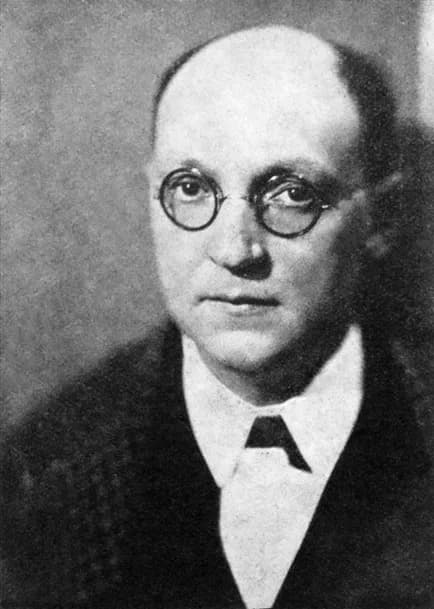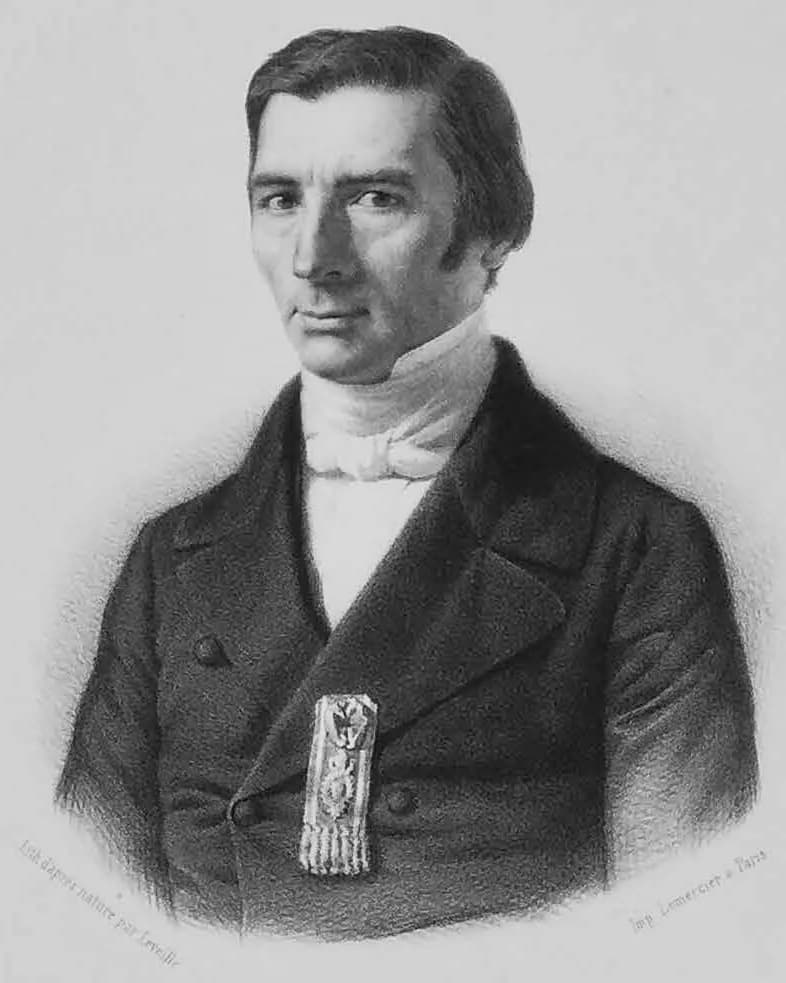
Jaioa
June 30, 1801
Bayonne, France
Hila
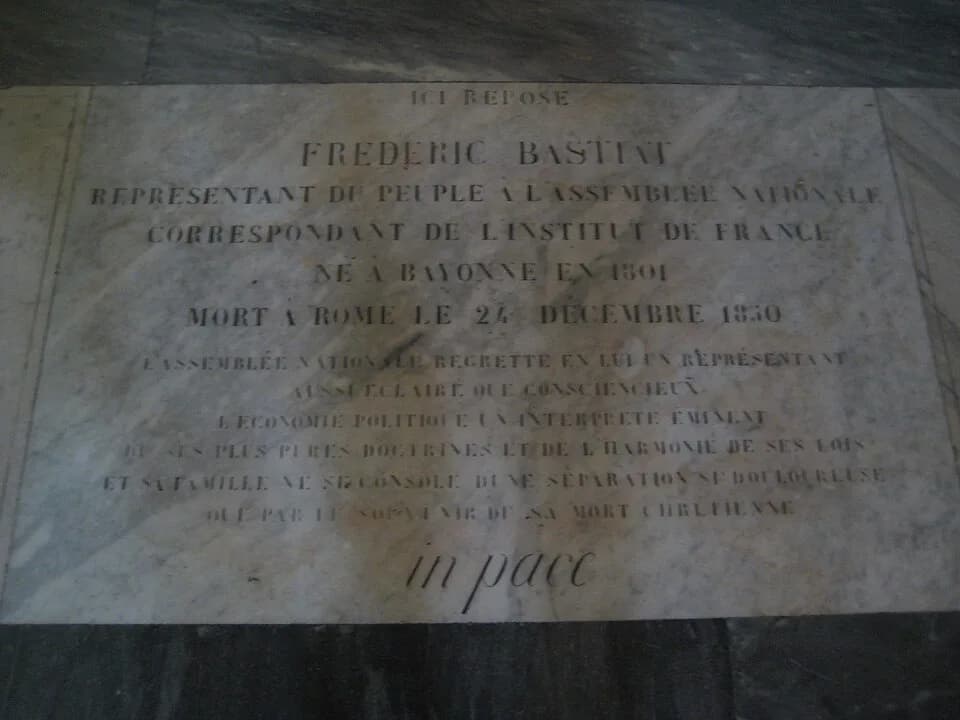
December 24, 1850
Rome, Italy
Ezaugarriak
French classical liberal theorist, political economist, and member of the French assembly
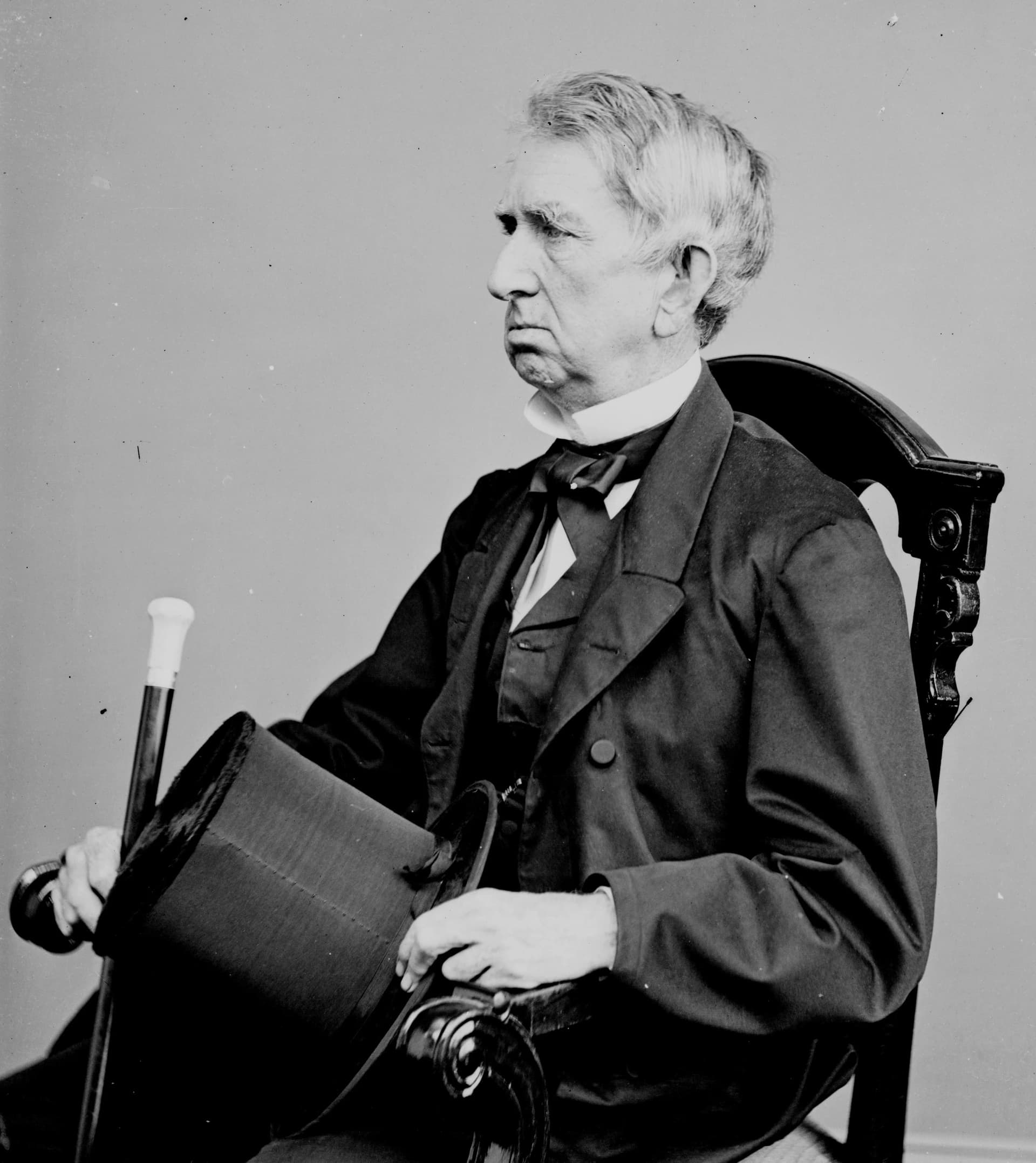
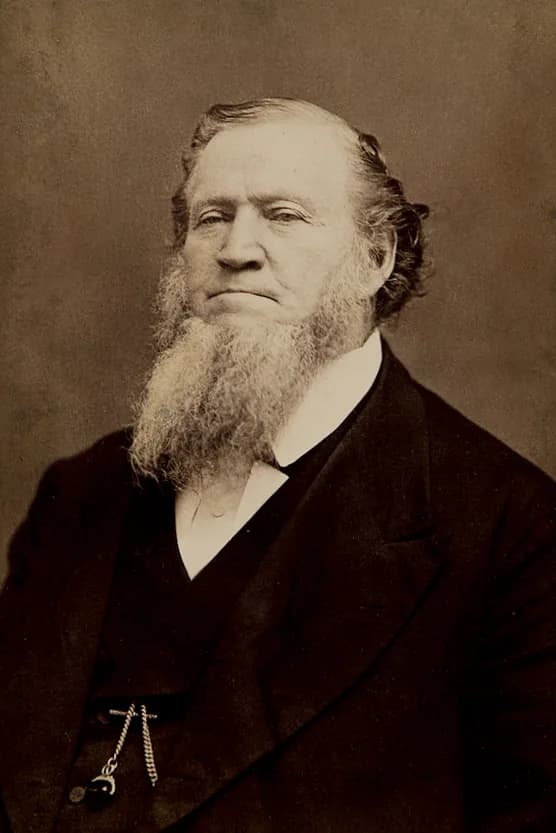
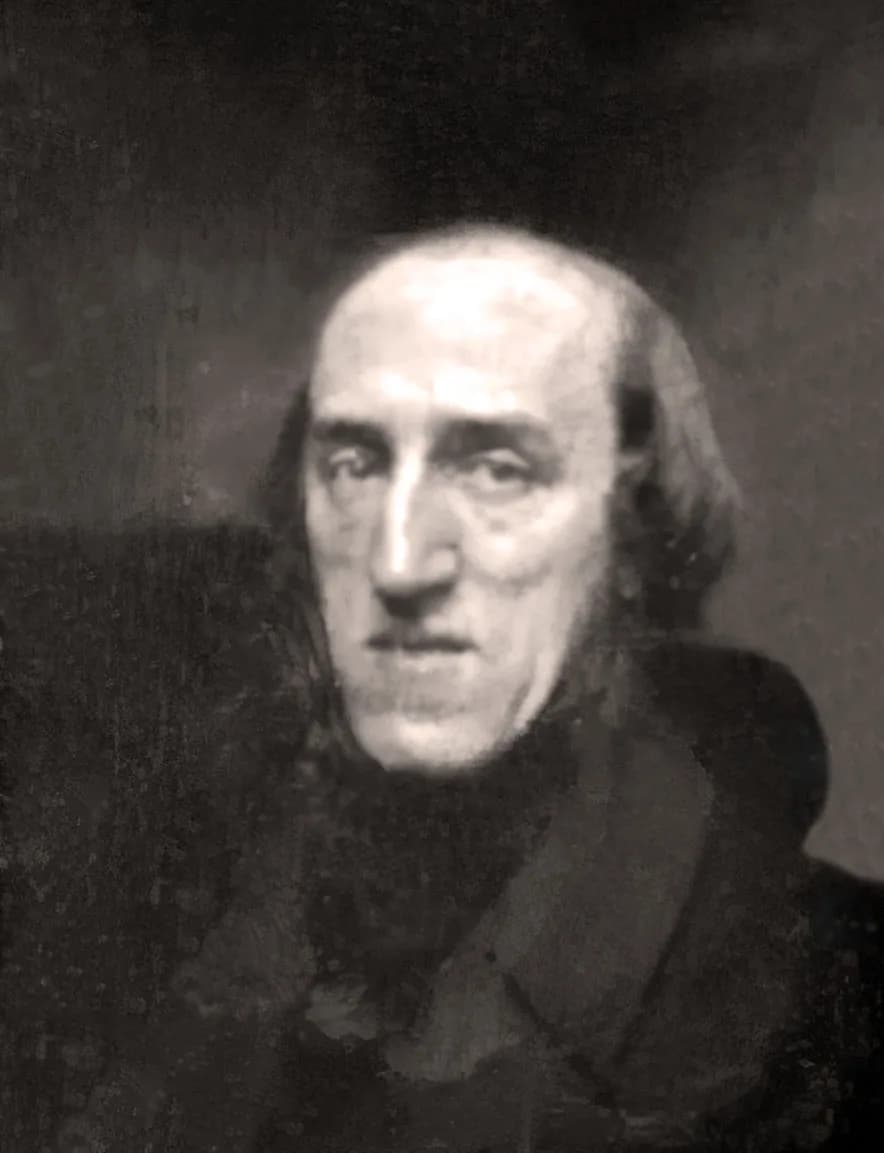
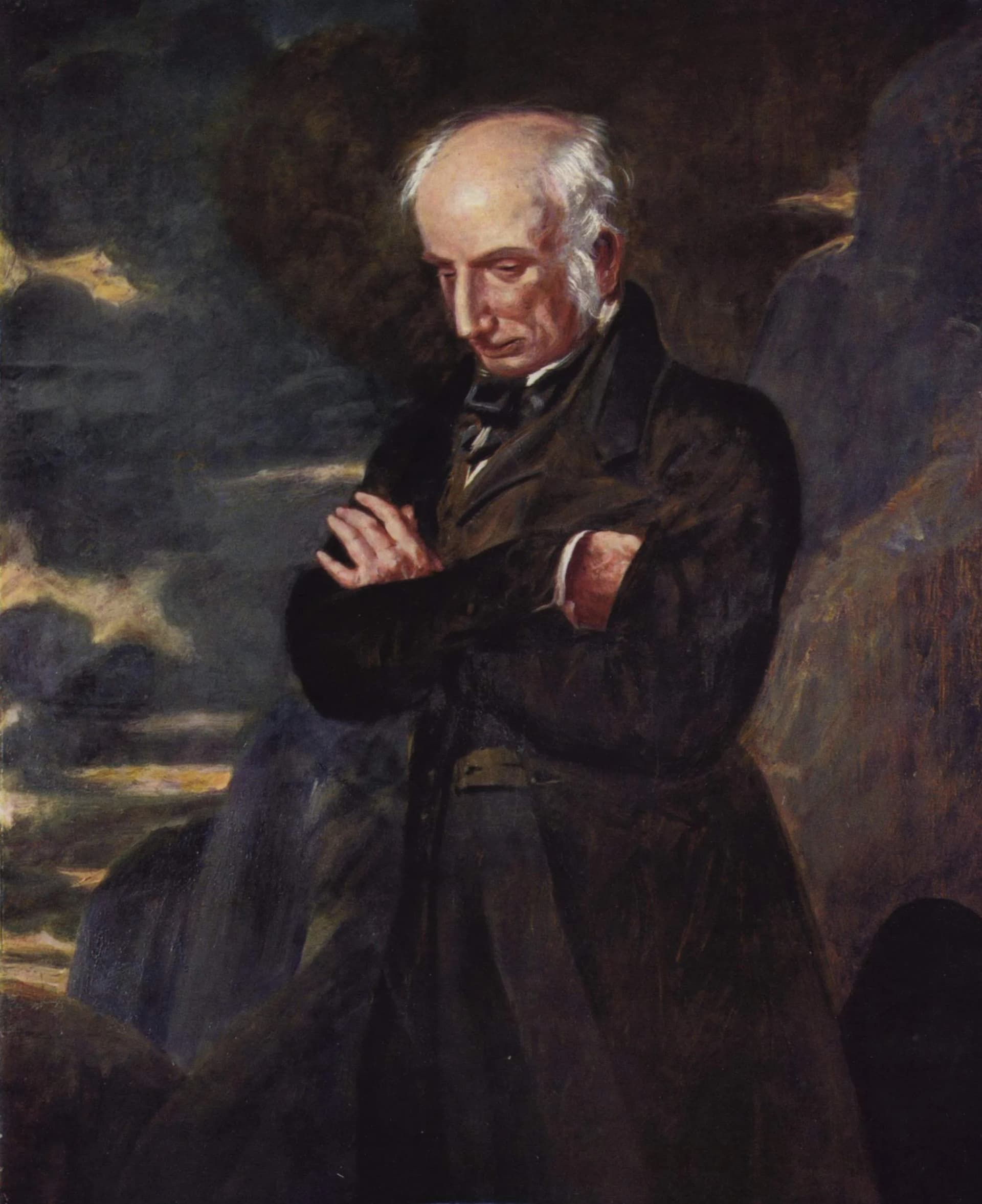
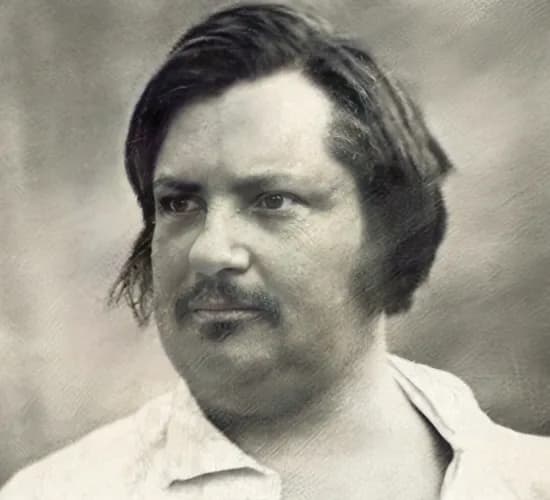
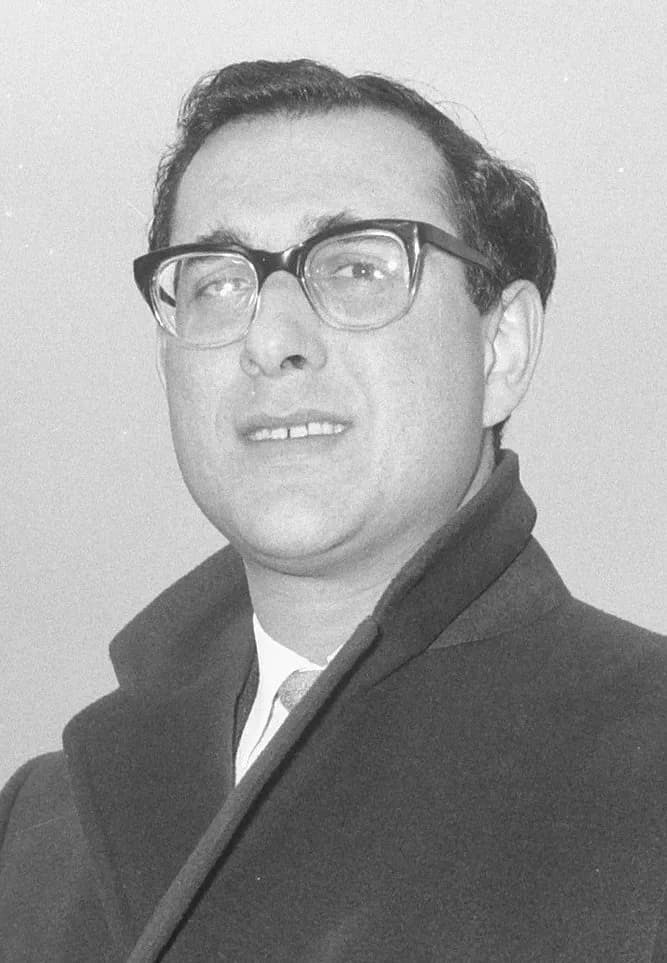
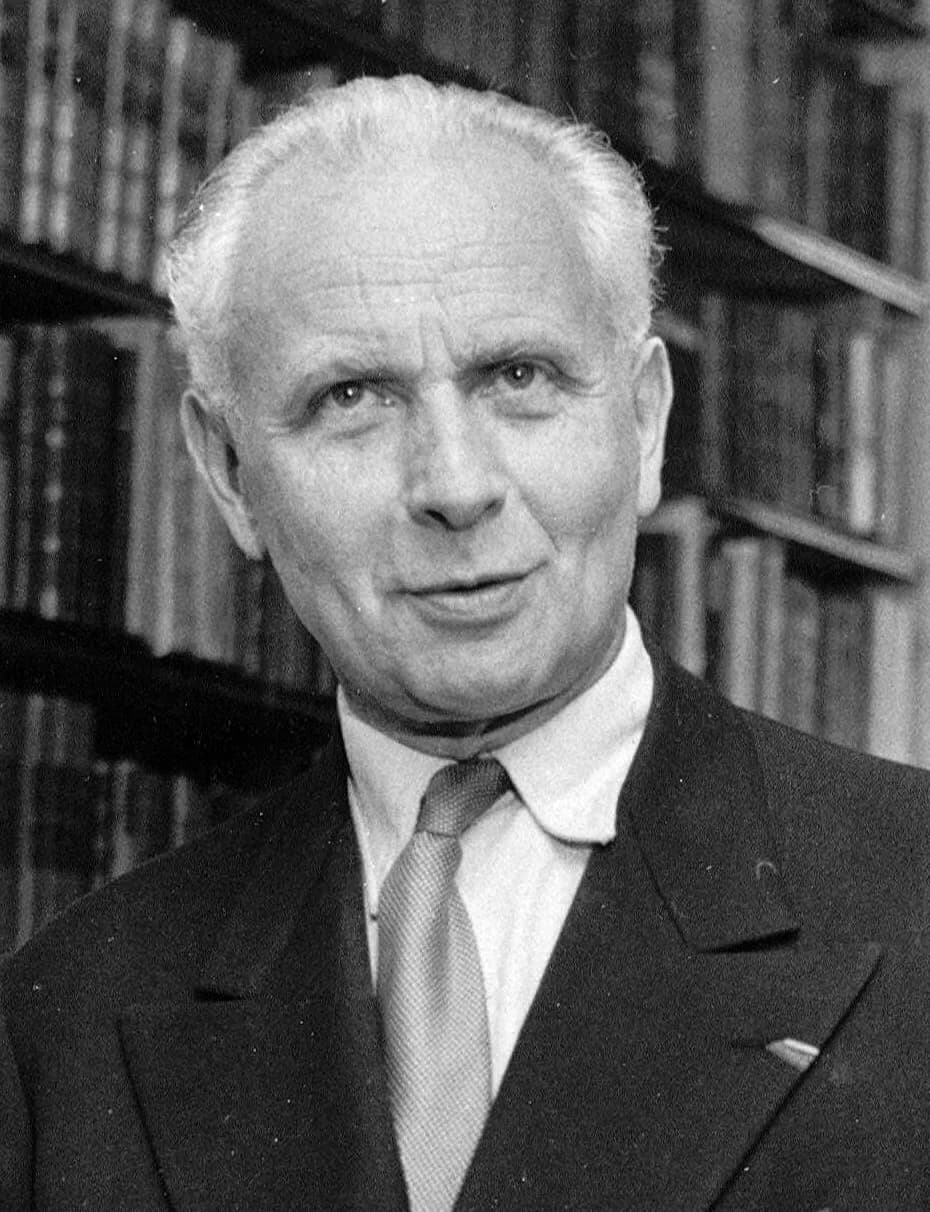
Frédéric Bastiat (1801–1850) was France best known for French classical liberal theorist, political economist, and member of the French assembly.
Claude-Frédéric Bastiat (June 30, 1801 – December 24, 1850) was a French classical liberal theorist and political economist from Bayonne, France. He was renowned for his clear arguments advocating for free markets and limited government. Bastiat's writings profoundly influenced economic and political thought, securing his legacy as a champion of liberty.
Bizitza uneetan
Bizitza moldatu zuten uneak
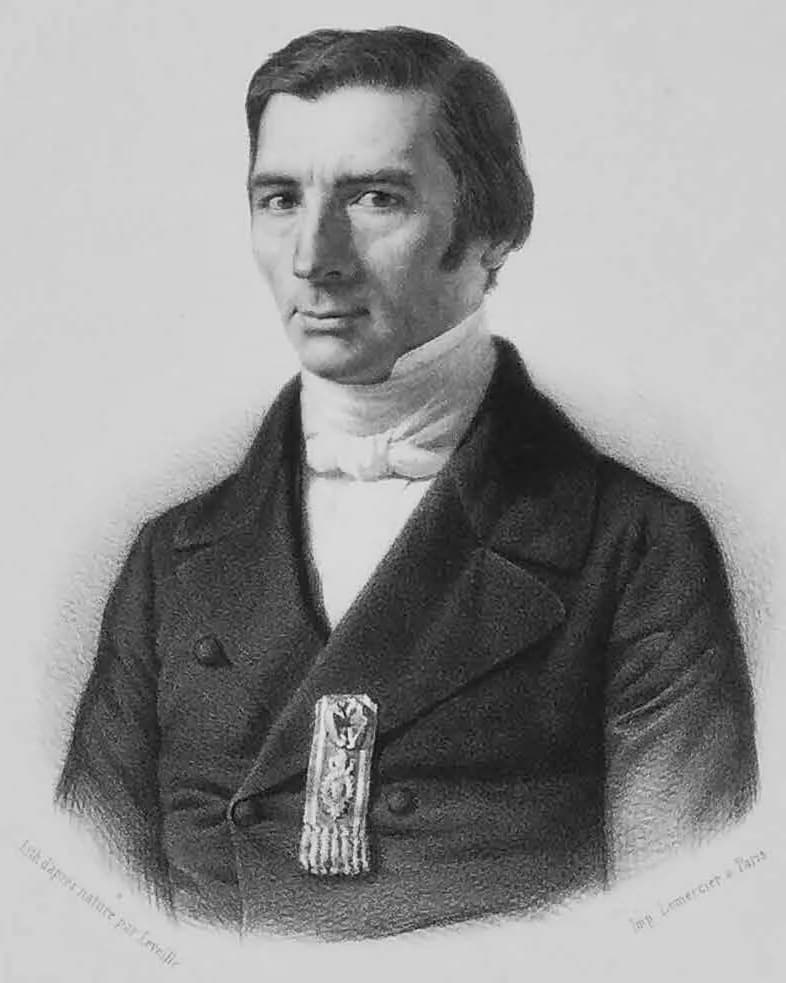
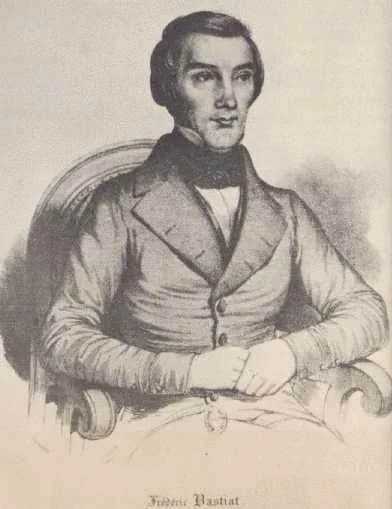
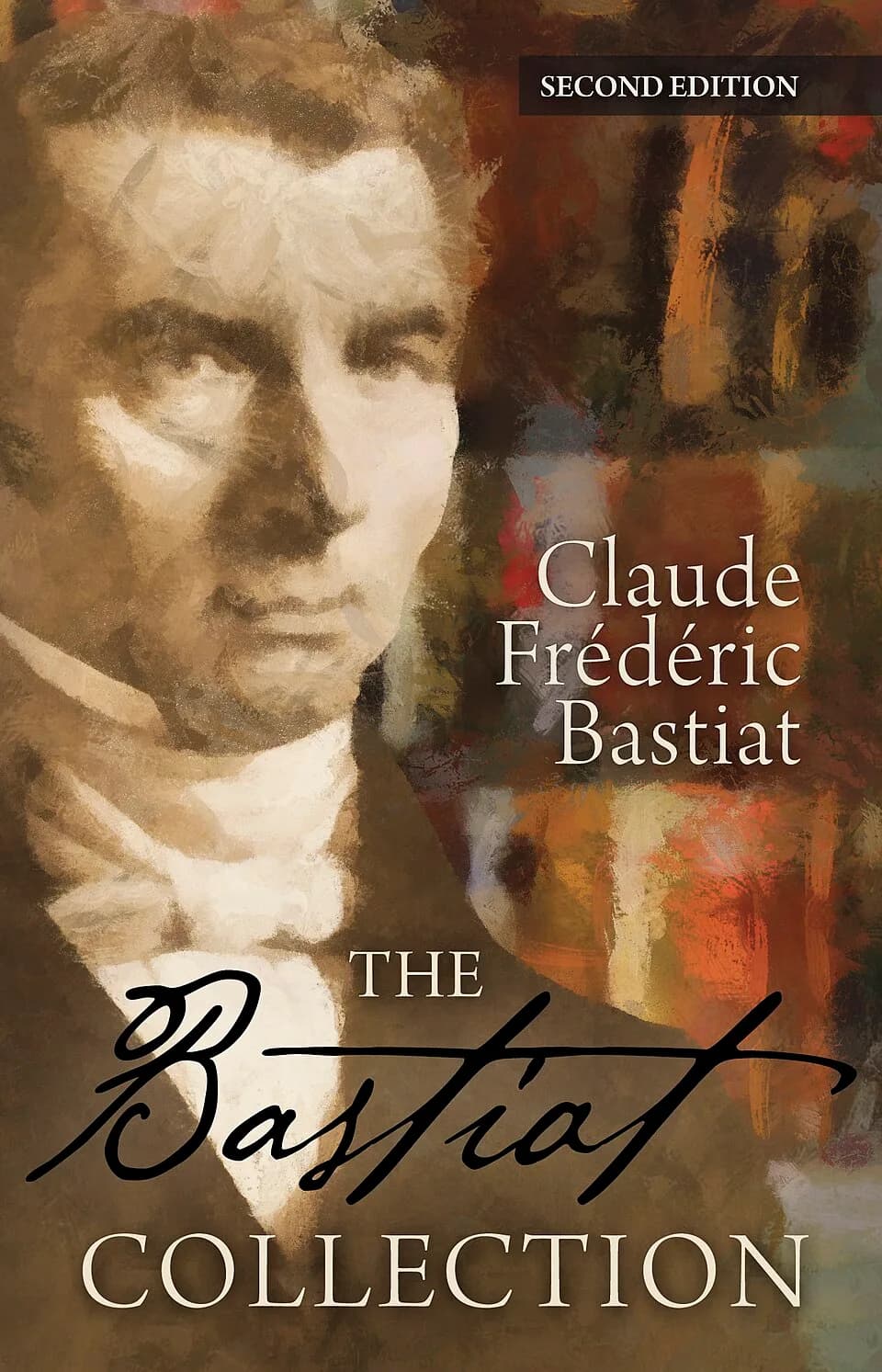
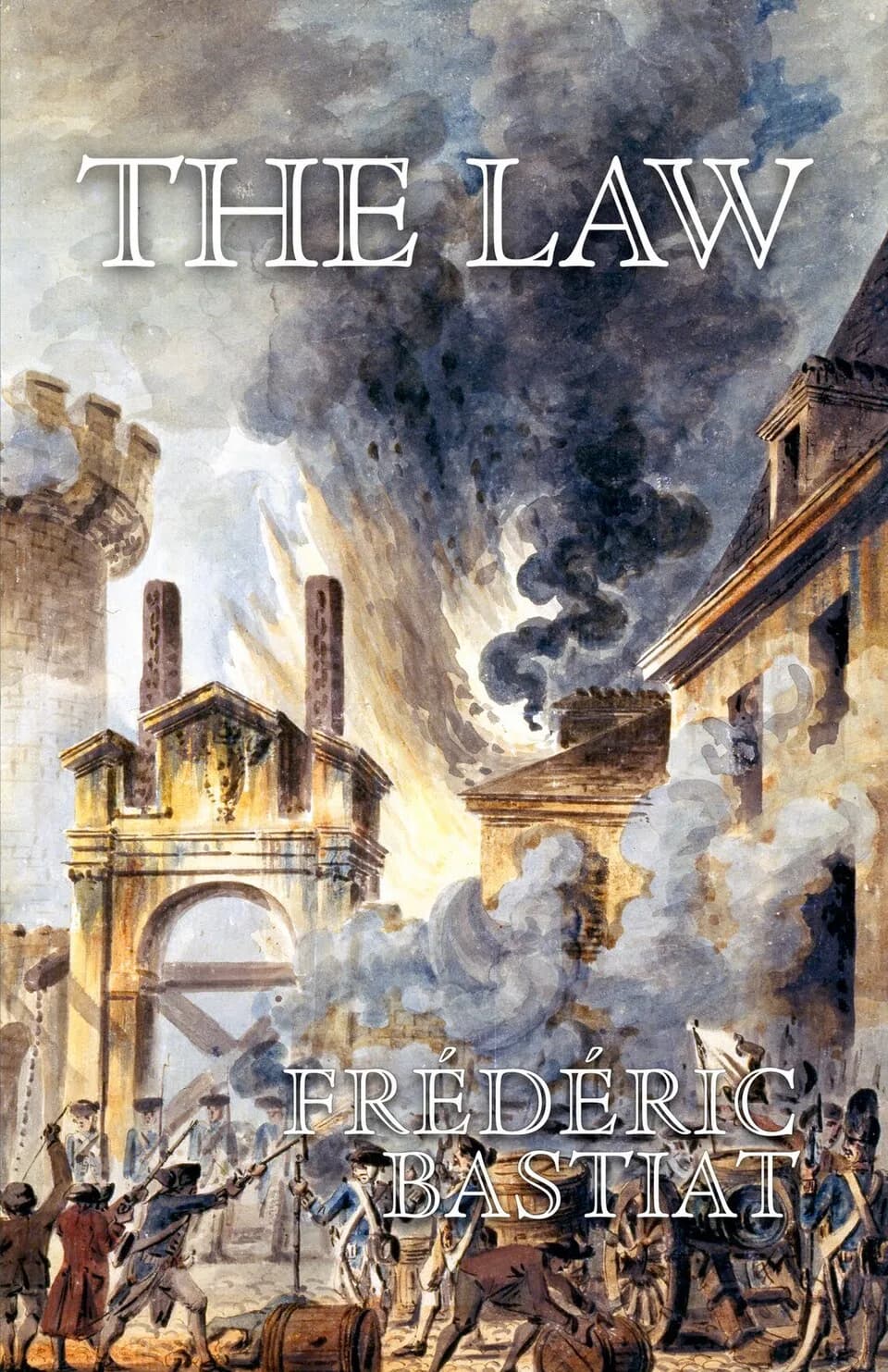
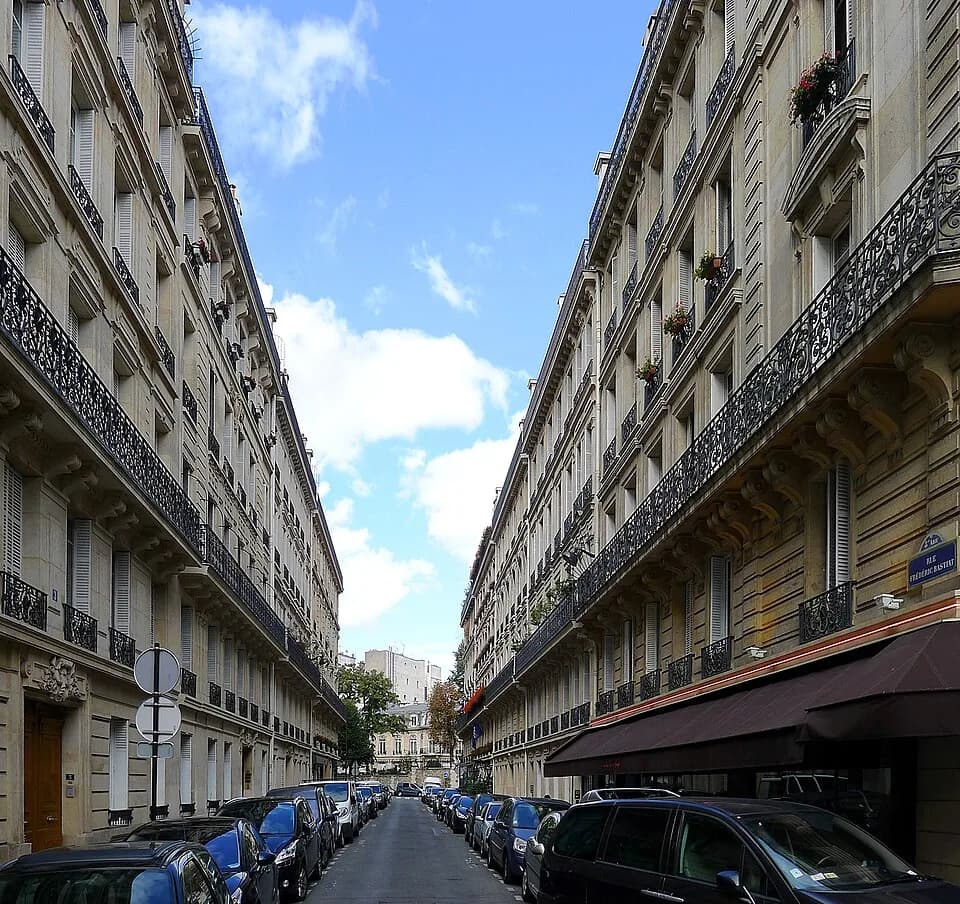
0 kapitulua
Bizitzako kapituluak
1 kapitulua · 1801· 1. kapitulua 7tik
Early Life and Origins
Claude-Frédéric Bastiat began his life in the French port city of Bayonne. Born in the early years of the 19th century, on June 30, 1801, his formative years were shaped by the intellectual currents of post-Napolonic Europe. This period saw active debates around economic policy and government intervention, which would deeply influence Bastiat's later work and advocacy.
2 kapitulua· 2. kapitulua 7tik
Career Beginnings
Bastiat's professional journey was notably varied, reflecting his broad intellectual interests and aptitudes. He fulfilled roles as a magistrate, a writer, a politician, an economist, a philosopher, and an essayist. His path eventually led him to become a prominent member of the French assembly, where he applied his robust economic theories to the legislative process. His early career provided a strong foundation for his unique blend of theoretical insight and practical policy engagement.
3 kapitulua· 3. kapitulua 7tik
Major Achievements and Career Highlights
As a French classical liberal theorist, Bastiat emerged as a leading voice for free markets and limited government. He was a distinguished member of the French liberal school, actively contributing to the intellectual dialogues of his era. His work as a political economist was marked by his clear and accessible articulation of complex economic principles, establishing him as an influential educator for both policymakers and the broader public.
4 kapitulua· 4. kapitulua 7tik
Personal Life
While details of Frédéric Bastiat's personal life beyond his professional endeavors are not extensively documented in the available records, his public persona was defined by his rigorous intellectual contributions and his unwavering commitment to liberal principles. His diligent writing and political engagement suggest a life intensely focused on his intellectual mission and the advancement of his ideas for societal betterment.
5 kapitulua· 5. kapitulua 7tik
Notable Works or Contributions
Frédéric Bastiat's legacy is most vividly preserved through his extensive body of writings, which continue to be studied globally. Among his most celebrated works are "The Law," a powerful treatise on legitimate government and individual rights, and "Harmonies économiques," where he explored the natural order and mutual benefits within a free economy. He also authored "Essays on political economy" and collected satirical pieces in "Fallacies of protection," also widely known as "Economic Sophisms," which skillfully critiqued protectionist policies through engaging parables.
His work "L'état" further expanded on the nature and limits of the state's power, while titles like "Propriété et loi" delved into the foundations of property rights. Academically, his influence is demonstrated by publications like "Harmonies of Political Economy" (2008), which garnered 30 citations, and "Economic Sophisms and “What Is Seen and What Is Not Seen”" (2017), with 15 citations. His "h-index" of 4 across 22 papers underscores the enduring academic relevance of his insights into political economy and individual liberty.
6 kapitulua · 1850· 6. kapitulua 7tik
Later Years
Frédéric Bastiat's productive life, though short, concluded on December 24, 1850, in Rome, Italy. Despite facing illness in his final years, he continued to write and advocate for his principles until the very end. His passing in Rome marked the conclusion of a life dedicated to intellectual pursuit and the vigorous defense of economic and personal freedoms.
7 kapitulua· 7. kapitulua 7tik
Legacy and Impact
The impact of Frédéric Bastiat's ideas extends far beyond his lifetime, continuing to resonate today. He fundamentally shaped classical liberal thought, influencing generations of economists and political thinkers with his clear arguments against protectionism, socialism, and excessive government intervention. His emphasis on unseen consequences, famously articulated in his essay "What Is Seen and What Is Not Seen," remains a crucial tool for economic analysis.
Bastiat's clear, logical, and often witty style made complex economic concepts accessible to a wider audience, solidifying his place as a foundational figure in the advocacy for free markets and individual liberty. His contributions continue to resonate in contemporary discussions about economic policy, trade, and the role of government, ensuring his enduring relevance as a champion of freedom.
Ohiko galderak
Maiz egindako galderak
Noiz hil zen Frédéric Bastiat?
Frédéric Bastiat 1850(e)ko abenduaren 24(a) hil zen Rome, Italy-n, 49 urte zituela.
Non jaio zen Frédéric Bastiat?
Frédéric Bastiat Bayonne, France-n jaio zen 1801(e)ko ekainaren 30(a).
Zertarako da ezagunena Frédéric Bastiat?
Frédéric Bastiat ezagunena da French classical liberal theorist, political economist, and member of the French assembly-rengatik.
Zenbat urte zituen Frédéric Bastiat-k hil zenean?
Frédéric Bastiat-k 49 urte zituen hil zenean.
Zer nazionalitatekoa zen Frédéric Bastiat?
Frédéric Bastiat France-koa zen.
Denbora-lerroa
Bizitza begirada batean
Argazki galeria
Bizitza iruditan
Egin klik edozein polaroidetan handitzeko · 42 argazki
QR kodea
Partekatu Biografia Hau
Inprimatu eta partekatu
Eskaneatu biografia orri hau bisitatzeko. Inprimatu ekitaldi, erakusketa edo hezkuntza materialetarako.