Jaioa
November 16, 1930
Ogidi, Nigeria
Hila
March 21, 2013
Boston, United States
Ezaugarriak
Nigerian novelist, poet, professor, and critic
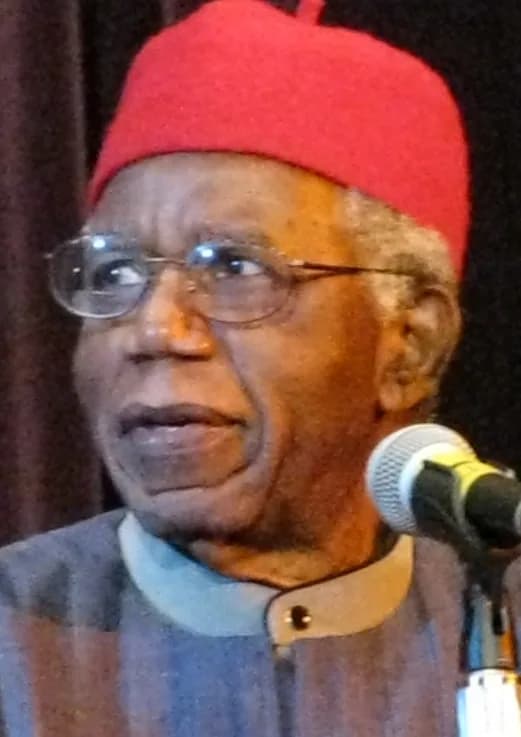
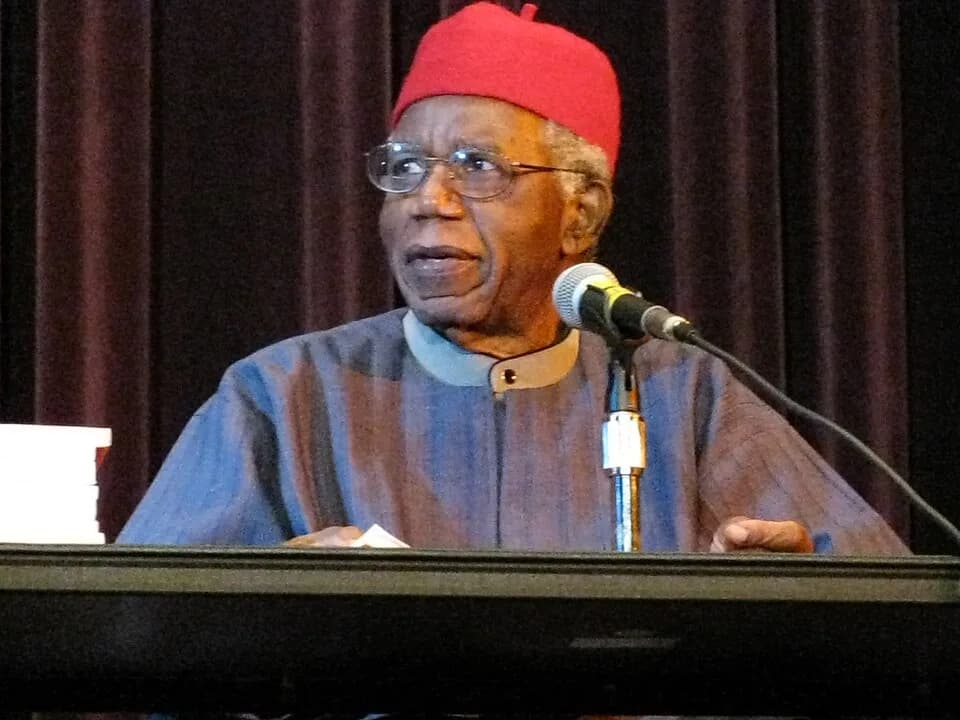
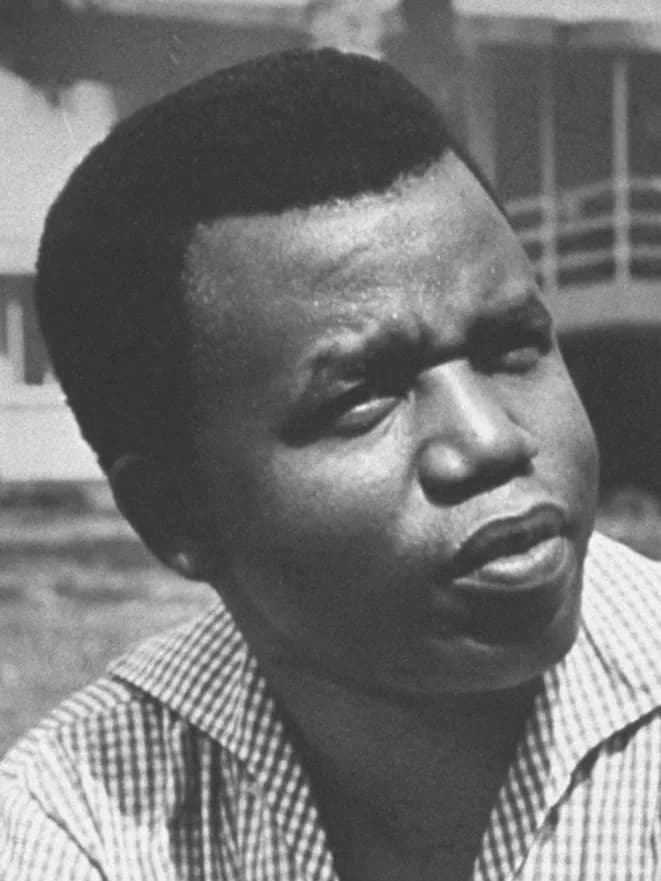
Chinua Achebe (1930–2013) was a Nigerian novelist, poet, and critic who transformed modern African literature. His novel "Things Fall Apart" became the most widely read African novel globally, establishing him as a central figure in world literature. His work gave authentic African voices prominence on the international literary stage.
0 kapitulua
Bizitzako kapituluak
1 kapitulua · 1930· 1. kapitulua 6tik
Early Life and Origins
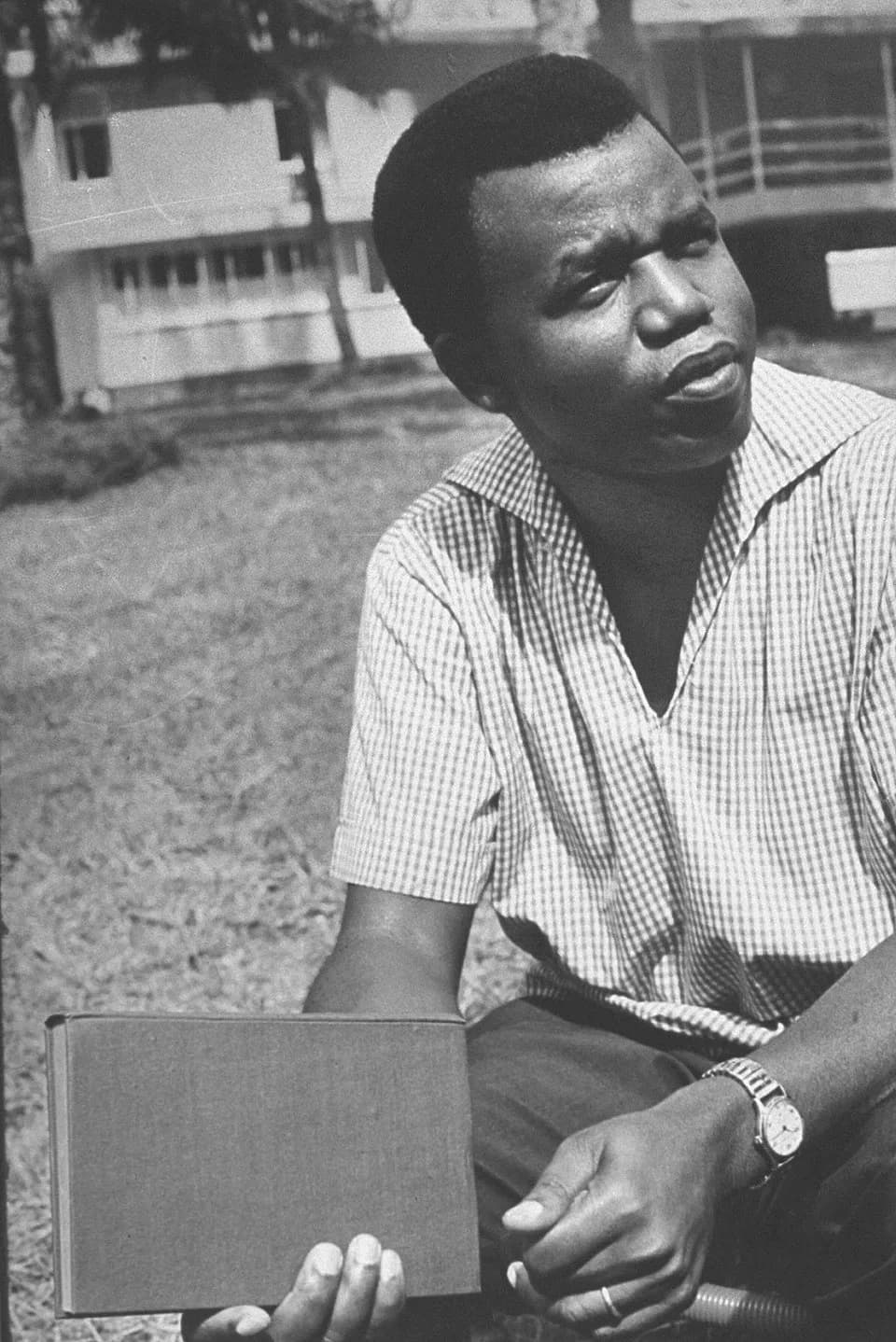
Achebe was born on November 16, 1930, in Ogidi, Nigeria, during the height of British colonial rule. Growing up in an Igbo community, he experienced firsthand the collision between traditional African culture and Western colonial influence that would later become central to his literary work. His upbringing in this culturally complex environment provided him with unique insights into both worlds - the rich oral traditions of his ancestors and the imposed Western educational system.
2 kapitulua· 2. kapitulua 6tik
Career Beginnings
Achebe's literary journey began in earnest during his university years and early career. His exposure to Western literature, combined with his deep roots in Igbo culture, created a distinctive voice that would soon revolutionize African literature. He started writing during a time when African stories were rarely told by African authors, setting the stage for what would become a literary revolution across the continent.
3 kapitulua · 1958· 3. kapitulua 6tik
Major Achievements and Career Highlights
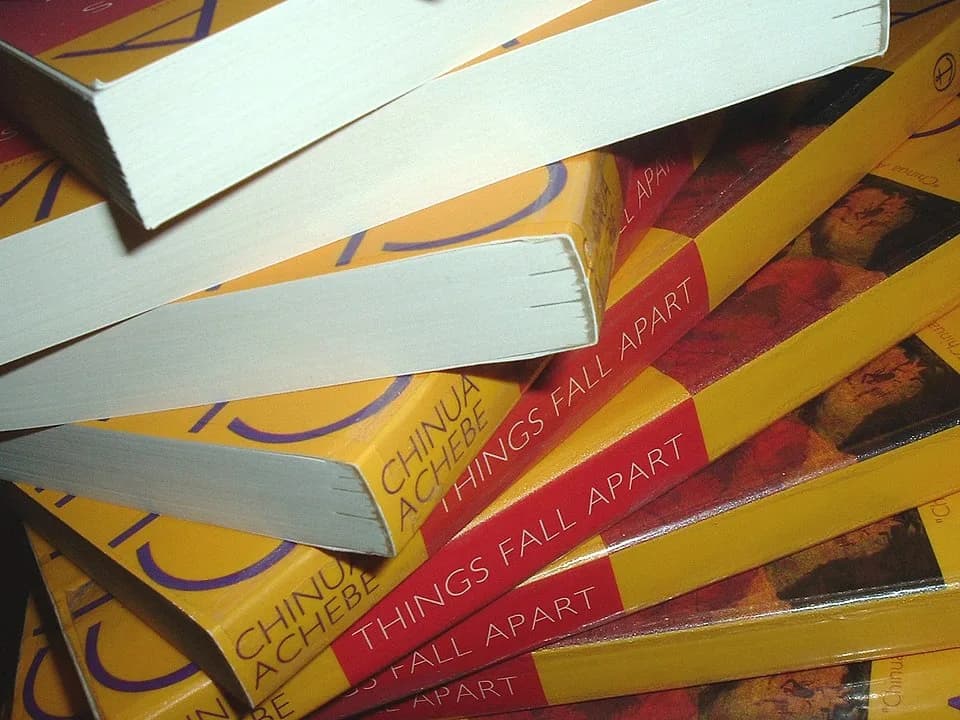
In 1958, Achebe published "Things Fall Apart," his first novel and magnum opus that would forever change the literary world. This work occupies a central place in African literature and remains the most widely studied, translated, and read African novel globally. Following this success, he completed what became known as the "African Trilogy" with "No Longer at Ease" (1960) and "Arrow of God" (1964).
His later novels, "A Man of the People" (1966) and "Anthills of the Savannah" (1987), continued to explore themes of post-colonial Africa with the same depth and insight that made his earlier works so influential. Throughout his career, Achebe accumulated impressive academic credentials, with an h-index of 21 and 91 published papers, demonstrating his dual commitment to both creative writing and scholarly analysis.
4 kapitulua · 2016· 4. kapitulua 6tik
Notable Works and Contributions
Beyond his novels, Achebe made significant contributions to literary criticism, most notably with "An Image of Africa: Racism in Conrad's Heart of Darkness" (2016), which received 441 citations and became a cornerstone text in post-colonial literary studies. His memoir "There Was a Country: A Personal History of Biafra" (2012) garnered 114 citations, offering personal insights into one of Africa's most tragic conflicts.
His works became integral parts of educational curricula worldwide, appearing in numerous literature anthologies and textbooks. From Prentice Hall Literature collections to specialized college editions, Achebe's writing reached students across different educational levels, ensuring that new generations would encounter authentic African perspectives in their studies.
5 kapitulua · 2012· 5. kapitulua 6tik
Later Years
In his later years, Achebe continued his dual roles as creative writer and academic. He maintained his position as a university teacher and literary critic while producing works like "There Was a Country: A Memoir" in 2012. His influence extended beyond his own writing to shaping how African literature was understood and taught in academic settings around the world.
6 kapitulua · 2013· 6. kapitulua 6tik
Legacy and Impact
Achebe is often called the "father of modern African literature," though he himself rejected this characterization, preferring to be seen as one voice among many in the rich tradition of African storytelling. His impact extends far beyond literature - he helped reshape how the world understood Africa and its people, countering colonial narratives with authentic African voices. His death on March 21, 2013, in Boston marked the end of an era, but his influence continues through the countless writers he inspired and the millions of readers who discovered African literature through his works.
Today, "Things Fall Apart" remains a global phenomenon, studied in classrooms from Nigeria to New York, translated into dozens of languages, and recognized as one of the most important novels of the 20th century. Achebe's legacy lives on not just in his own works, but in the entire generation of African writers who followed in his footsteps, telling their own stories with the confidence and dignity he first brought to world literature.
Bizitza uneetan
Bizitza moldatu zuten uneak
Ohiko galderak
Maiz egindako galderak
Noiz hil zen Chinua Achebe?
Chinua Achebe 2013(e)ko martxoaren 21(a) hil zen Boston, United States-n, 82 urte zituela.
Non jaio zen Chinua Achebe?
Chinua Achebe Ogidi, Nigeria-n jaio zen 1930(e)ko azaroaren 16(a).
Zertarako da ezagunena Chinua Achebe?
Chinua Achebe ezagunena da Nigerian novelist, poet, professor, and critic-rengatik.
Zenbat urte zituen Chinua Achebe-k hil zenean?
Chinua Achebe-k 82 urte zituen hil zenean.
Zer nazionalitatekoa zen Chinua Achebe?
Chinua Achebe Nigeria-koa zen.
Denbora-lerroa
Bizitza begirada batean
Argazki galeria
Bizitza iruditan
Egin klik edozein polaroidetan handitzeko · 37 argazki
QR kodea
Partekatu Biografia Hau
Inprimatu eta partekatu
Eskaneatu biografia orri hau bisitatzeko. Inprimatu ekitaldi, erakusketa edo hezkuntza materialetarako.