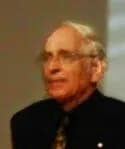
Geboren
October 10, 1930
Menen, Belgium
Verstorben
January 27, 2015
Tours, France
Bekannt für
French chemist
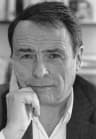
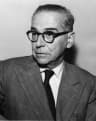
Yves Chauvin (1930–2015) was Belgium best known for French chemist.
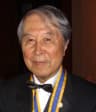
Yves Chauvin (October 10, 1930 – January 27, 2015) was a French chemist from Menen, Belgium. He was awarded the 2005 Nobel Prize in Chemistry for his work in deciphering olefin metathesis, a method in organic synthesis. His contributions greatly advanced chemical production processes.
Kapitel
Lebenskapitel
Kapitel 1 · 1930· Kapitel 1 von 6
Early Life and Origins
Yves Chauvin was born on October 10, 1930, in Menen, Belgium. His formative years in this Belgian town set the stage for a remarkable career in the sciences, though specific details of his early family life and upbringing are not widely known. The curiosity and intellect that would define his professional journey likely began to blossom during these foundational years.
Kapitel 2· Kapitel 2 von 6
Career Beginnings
Chauvin embarked on his professional journey as a chemist and dedicated researcher, steadily building a career that would lead him to the forefront of his field. While the specifics of his initial roles are not extensively documented, his early work surely involved foundational laboratory research and theoretical exploration. This period of diligent study and application ultimately prepared him for his influential role as an honorary research director at the Institut français du pétrole.
Kapitel 3 · 2005· Kapitel 3 von 6
Major Achievements and Career Highlights
A crowning achievement in Yves Chauvin's career was the awarding of the Nobel Prize in Chemistry in 2005. He shared this esteemed accolade with Robert H. Grubbs and Richard R. Schrock for their collective work on the development of the metathesis method in organic synthesis. Chauvin's crucial contribution involved meticulously deciphering the process of olefin metathesis, providing the foundational understanding necessary for its widespread application.
Beyond the Nobel Prize, Chauvin's standing in the scientific community was further solidified by his role as an honorary research director at the Institut français du pétrole. His expertise and leadership were highly valued within this key institution. Additionally, his election as a member of the French Academy of Sciences underscored his significant intellectual contributions and his respected position among France's most brilliant minds.
Kapitel 4 · 2010· Kapitel 4 von 6
Notable Works or Contributions
Yves Chauvin was a prolific scholar, evidenced by his impressive h-index of 29 across 147 published papers. His research profoundly impacted areas such as catalysis and reaction mechanisms, influencing many subsequent studies. Among his most cited works is the 2010 paper, "Imidazolium ionic liquids as promoters and stabilising agents for the preparation of metal(0) nanoparticles by reduction and decomposition of organometallic complexes," which garnered 79 citations.
Other significant academic contributions include his 2010 paper, "A novel stabilisation model for ruthenium nanoparticles in imidazolium ionic liquids: in situ spectroscopic and labelling evidence," with 63 citations, and "Olefin hydrogenation by ruthenium nanoparticles in ionic liquid media: Does size matter?" from the same year, cited 61 times. These publications highlight his ongoing dedication to advancing chemical processes and his insightful investigations into complex catalytic systems.
Kapitel 5 · 2015· Kapitel 5 von 6
Later Years
In his later years, Yves Chauvin maintained an active role in the scientific community, continuing his esteemed work as an honorary research director at the Institut français du pétrole. He remained a respected figure, contributing to discourse and knowledge in chemistry. He passed away on January 27, 2015, in Tours, France, at the age of 84, leaving behind a wealth of scientific discovery.
Kapitel 6· Kapitel 6 von 6
Legacy and Impact
The legacy of Yves Chauvin is indelibly linked to his pioneering insights into olefin metathesis, a method that revolutionized organic synthesis across various industries. His fundamental understanding of this reaction mechanism provided a cornerstone for chemists worldwide, enabling the creation of new materials and pharmaceuticals more efficiently. Chauvin's intellectual rigor and scientific achievements continue to inspire and inform modern chemical research and industrial applications, securing his place as a giant in chemistry.
Ein Leben in Momenten
Die Momente, die ein Leben prägten
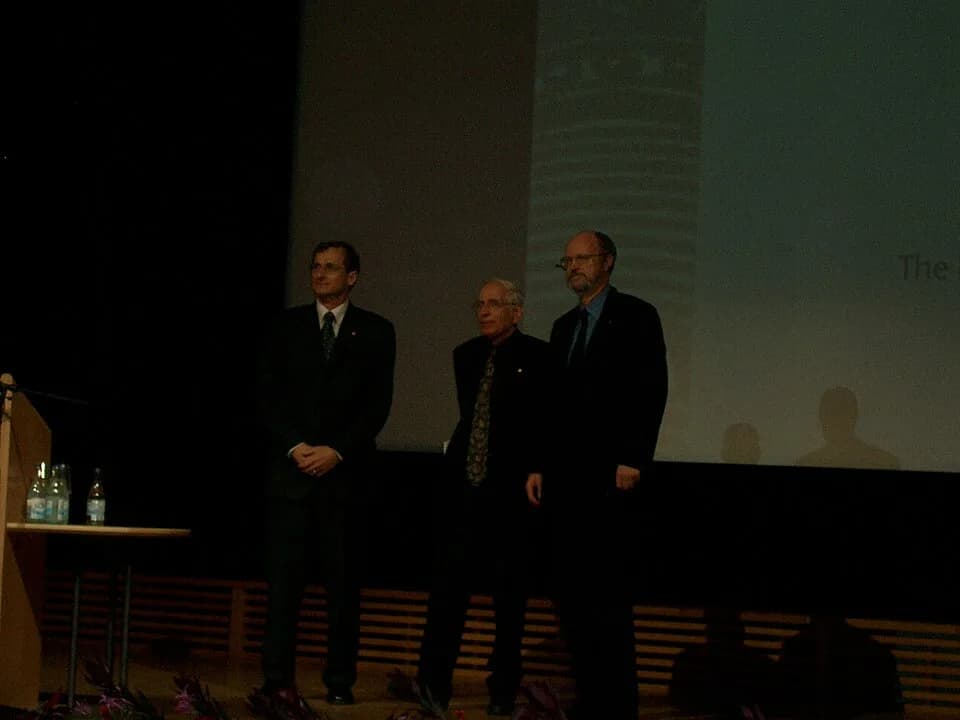
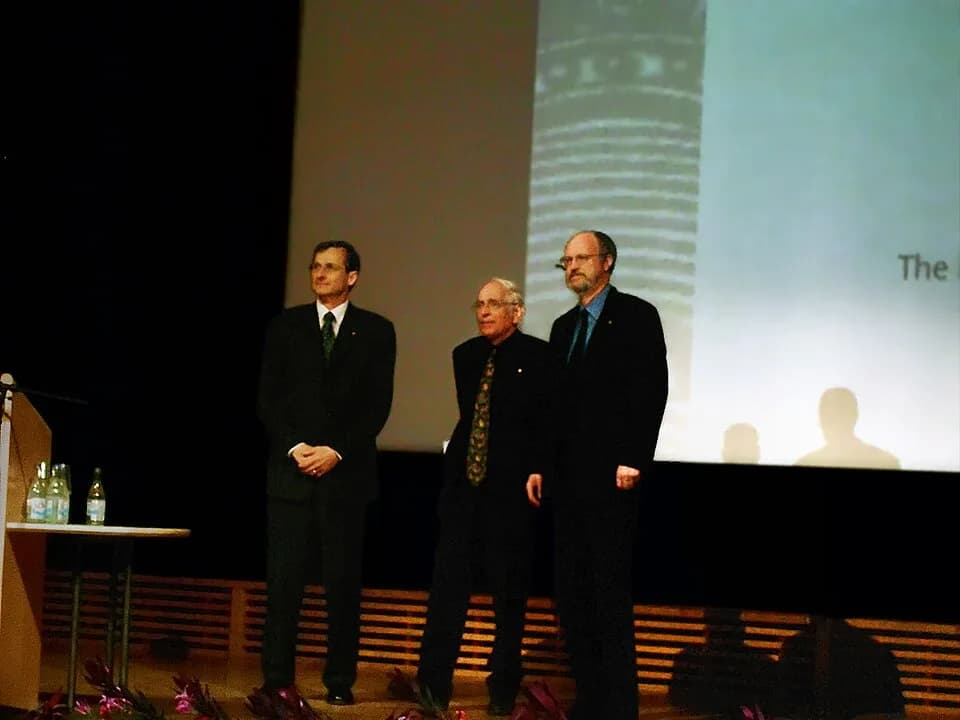

FAQ
Häufig gefragt
Wann starb Yves Chauvin?
Yves Chauvin starb am 27. Januar 2015 in Tours, France im Alter von 84 Jahren.
Wo wurde Yves Chauvin geboren?
Yves Chauvin wurde in Menen, Belgium am 10. Oktober 1930 geboren.
Wofür ist Yves Chauvin am bekanntesten?
Yves Chauvin ist am bekanntesten für French chemist.
Wie alt war Yves Chauvin beim Tod?
Yves Chauvin war zum Zeitpunkt des Todes 84 Jahre alt.
Welche Nationalität hatte Yves Chauvin?
Yves Chauvin stammte aus Belgium.
Zeitlinie
Leben im Überblick
Fotogalerie
Ein Leben in Bildern
Klicken Sie ein Polaroid an, um es zu vergrößern · 17 Fotos
QR-Code
Diese Biografie teilen
Drucken & Teilen
Scannen Sie, um diese Biografieseite zu besuchen. Drucken Sie sie für Veranstaltungen, Ausstellungen oder Lehrmaterialien.