Geboren
April 9, 1906
Pécs, Hungary
Verstorben
March 15, 1997
Paris, France
Bekannt für
French-Hungarian painter and printmaker
Victor Vasarely (1906–1997) was Hungary best known for French-Hungarian painter and printmaker.
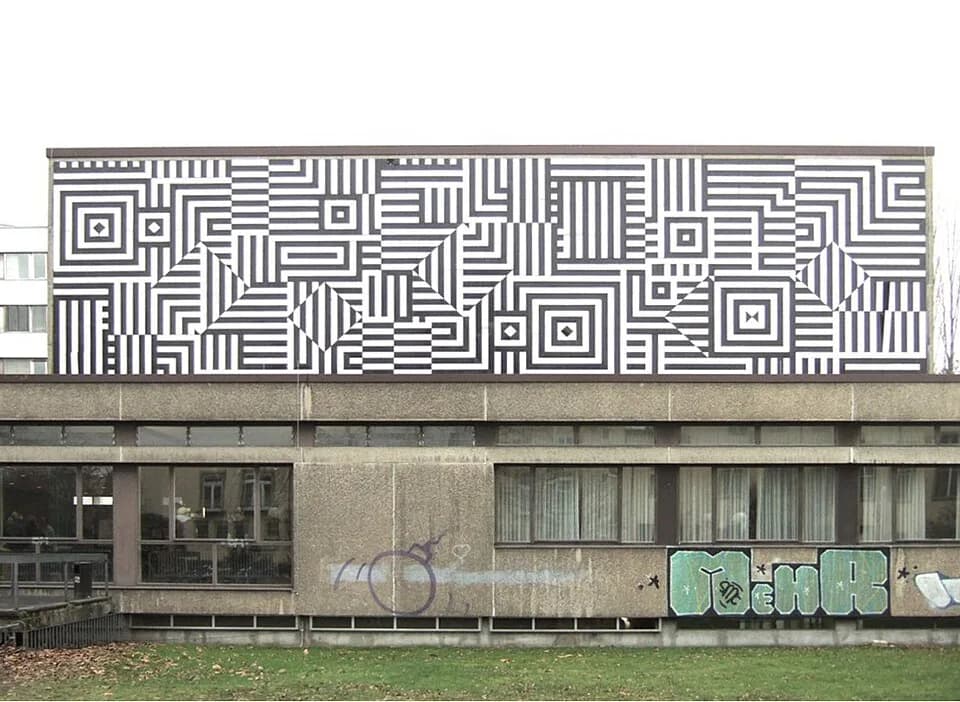
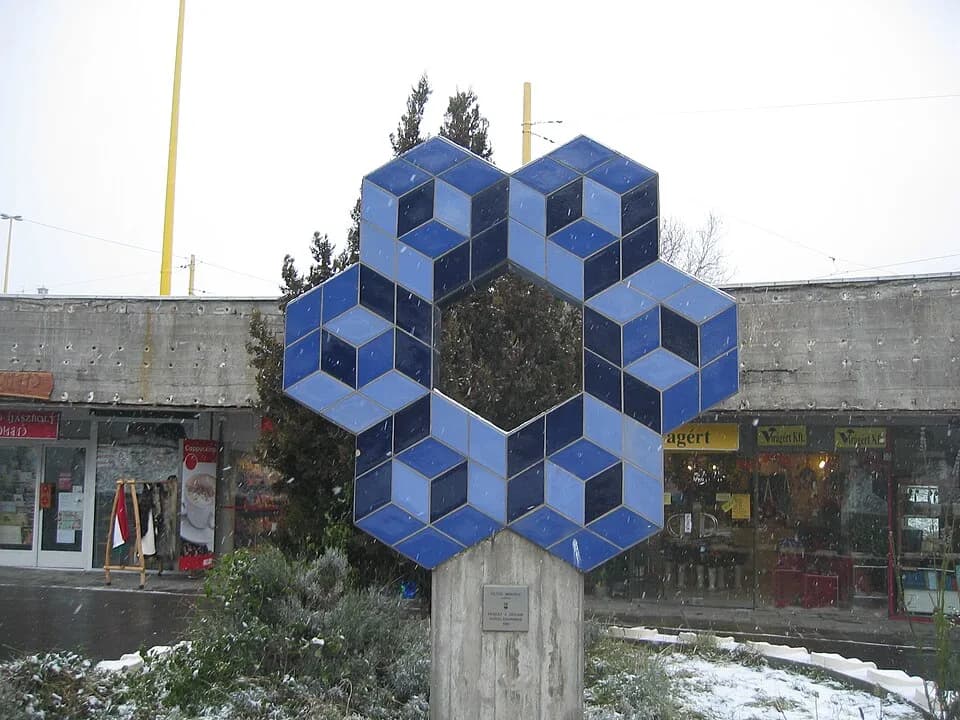
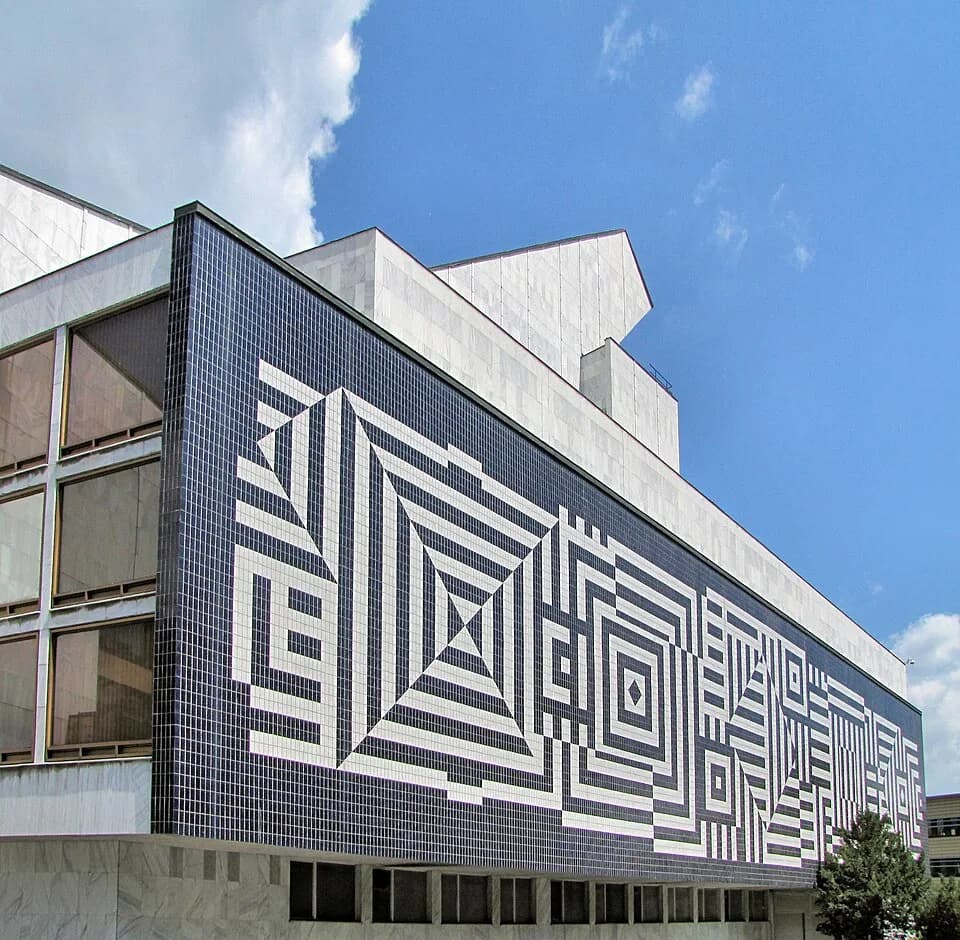
Victor Vasarely (April 9, 1906 – March 15, 1997) was a French-Hungarian painter and printmaker. He is widely recognized as the "grandfather" and a leader of the Op art movement, known for his abstract, geometric patterns. His work created illusions of movement, deeply influencing visual art.
Kapitel
Lebenskapitel
Kapitel 1 · 1906· Kapitel 1 von 7
Remembering Victor Vasarely: Visionary of Op Art
Victor Vasarely, who lived from April 9, 1906, to March 15, 1997, was a celebrated French-Hungarian painter and printmaker whose artistic vision reshaped modern art. He is widely recognized as a "grandfather" and primary leader of the Op art movement, leaving an enduring mark on visual culture. His innovative approach to art explored optical illusions and geometric abstraction, inviting viewers into a world of dynamic perception.
Kapitel 2 · 1906· Kapitel 2 von 7
Early Life and Origins
Victor Vasarely was born on April 9, 1906, in Pécs, Hungary, a city with a rich history and vibrant cultural scene. His early years in Hungary set the stage for a life dedicated to artistic exploration and intellectual rigor. The specific influences of his formative environment, while not explicitly detailed, surely contributed to his unique perspective and disciplined artistic methodology.
Kapitel 3· Kapitel 3 von 7
Career Beginnings
Vasarely's professional journey was marked by a deep exploration of various artistic disciplines. He cultivated skills as an illustrator, a graphic artist, and a visual artist, building a foundation in design and technical precision. These early roles honed his understanding of visual communication and the manipulation of form, preparing him for his later pioneering work.
His versatility extended to being a sculptor, painter, and printmaker, demonstrating a comprehensive command over different mediums and artistic expressions. Each of these professions informed his holistic approach to art-making, allowing him to experiment with diverse methods and materials throughout his career.
Kapitel 4· Kapitel 4 von 7
Major Achievements and Career Highlights
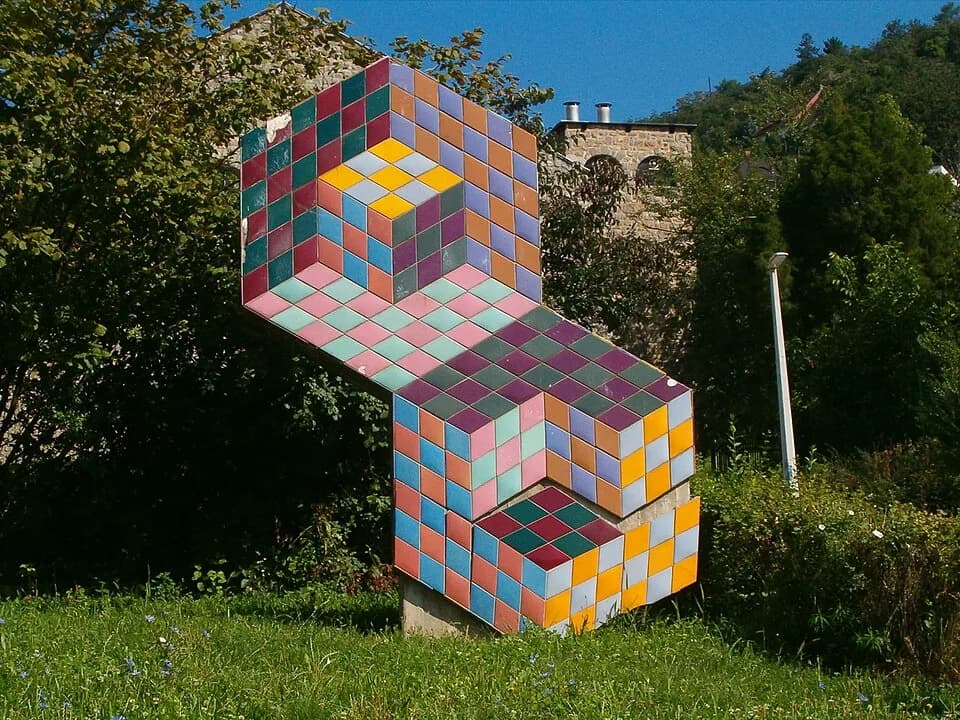
Victor Vasarely rose to prominence as a Hungarian-French artist, earning international acclaim for his distinctive contributions to the art world. His most significant achievement was his widely accepted role as the "grandfather" and a leading figure of the Op art movement. This art style, characterized by abstract, geometric patterns that create illusions of movement or vibration, found its direction and definition through Vasarely's pioneering efforts.
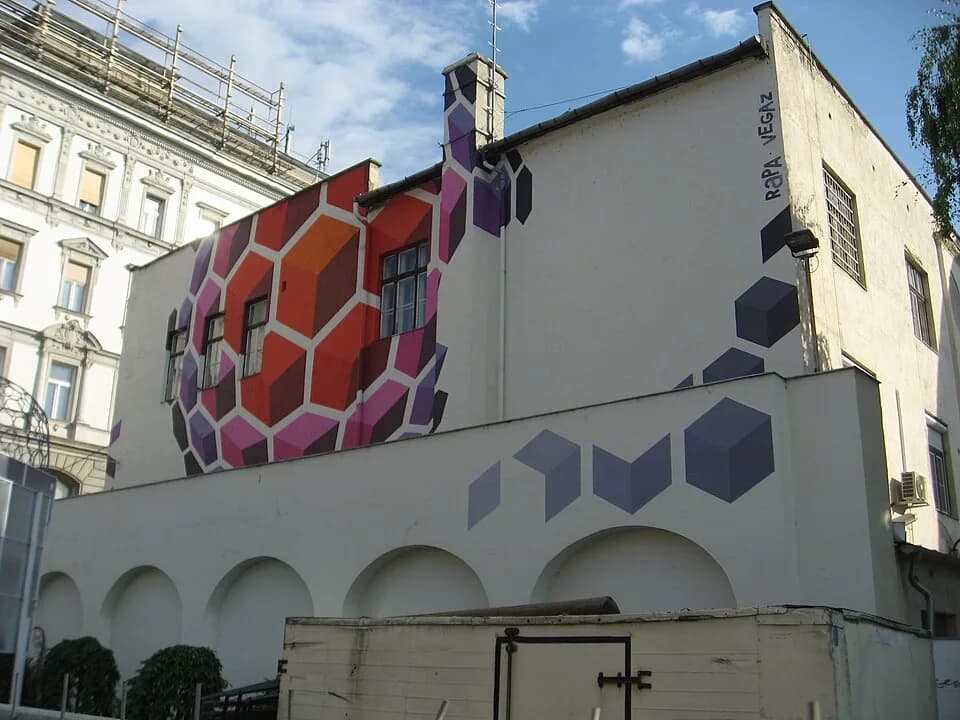
He developed a systematic approach to art, where form, color, and illusion merged to produce works that challenged viewers' perceptions and engaged them actively. His systematic artistic principles and the visual dynamism of his creations established the core tenets of Op art, influencing countless artists and designers globally.
Kapitel 5 · 1951· Kapitel 5 von 7
Notable Works or Contributions
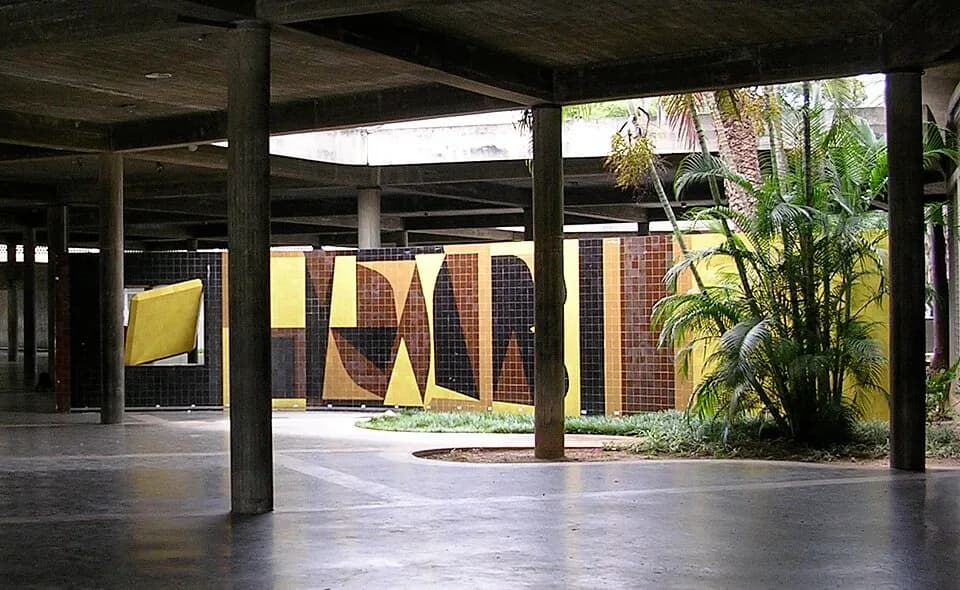
Throughout his prolific career, Vasarely created numerous iconic artworks that exemplify his mastery of optical art. His works are housed in prestigious institutions worldwide, reflecting their enduring significance. Early significant pieces include "Ha-Ko-Da-Te" from 1951 and "Eridan III" from around 1957, both part of The Metropolitan Museum of Art's collection, showcasing his early experiments with visual complexity.
"Stage Scenery," created around 1970 and also at The Met, highlights his ability to apply his abstract principles to larger, immersive installations. Further demonstrating his systematic exploration of visual phenomena, "Planetary Folklore" (1964) and the "C.T.A. 103 Argent" Tapestry (Aubusson No. 1456, 3/6) (1968), both found at The Met, illustrate his consistent development of geometric abstraction. The tapestry, in particular, showcases his command over different media and his collaborative spirit with traditional craft.
The Art Institute of Chicago holds a substantial collection of his works, including the striking "Zebres" from 1959, which visually plays with black and white stripes to create an illusion of depth and movement. Other notable pieces at the AIC include "Blue and Green" (n.d.), which emphasizes his skill with color theory, and "Capella" (1964), another example of his celestial or spatial themes. His exploration of suites is evident in works like "Untitled, from Constellation Suite" (n.d.) and "Vega, from Album I" (1955, published 1959), alongside "Markab, from Album I" (1955, published 1959) and "Altai, from Album I" (1955, published 1959).
These series demonstrate his disciplined approach to developing variations on a theme, offering diverse visual experiences. "Abstract Landscape" (1961) and "Composition with Abstract Figure" (1961), also at the AIC, further underline his ability to infuse traditional artistic genres with his unique abstract vocabulary.
Kapitel 6 · 1997· Kapitel 6 von 7
Later Years
Victor Vasarely continued to refine and expand his artistic vision into his later years, remaining an active and influential figure. His dedication to his craft persisted as his art gained global recognition, solidifying his status as a modern master. He passed away on March 15, 1997, in Paris, France, leaving behind a significant body of work and a legacy that continues to inspire.
His death in Paris, a global center for art, underscored his stature on the international stage, confirming his lasting contribution to contemporary art history. Even in his final years, his artistic output and theoretical insights continued to shape discussions around abstract art and visual perception.
Kapitel 7· Kapitel 7 von 7
Legacy and Impact
The lasting influence of Victor Vasarely on the art world is undeniable. As the acknowledged "grandfather" and leader of the Op art movement, he fundamentally changed how artists and viewers perceived visual art. He championed an art that was not merely representational but actively engaged the viewer's eye and mind through optical illusion and systematic composition.
His work encouraged a new understanding of kinetic art and the possibilities of abstract design. Vasarely's meticulous approach to geometric forms and color interaction opened new avenues for artistic expression, demonstrating that art could be both intellectually rigorous and visually exhilarating. His contributions endure in countless public and private collections, ensuring his artistic principles continue to resonate across generations.
Ein Leben in Momenten
Die Momente, die ein Leben prägten
FAQ
Häufig gefragt
Wann starb Victor Vasarely?
Victor Vasarely starb am 15. März 1997 in Paris, France im Alter von 90 Jahren.
Wo wurde Victor Vasarely geboren?
Victor Vasarely wurde in Pécs, Hungary am 9. April 1906 geboren.
Wofür ist Victor Vasarely am bekanntesten?
Victor Vasarely ist am bekanntesten für French-Hungarian painter and printmaker.
Wie alt war Victor Vasarely beim Tod?
Victor Vasarely war zum Zeitpunkt des Todes 90 Jahre alt.
Welche Nationalität hatte Victor Vasarely?
Victor Vasarely stammte aus Hungary.
Zeitlinie
Leben im Überblick
Fotogalerie
Ein Leben in Bildern
Klicken Sie ein Polaroid an, um es zu vergrößern · 23 Fotos
QR-Code
Diese Biografie teilen
Drucken & Teilen
Scannen Sie, um diese Biografieseite zu besuchen. Drucken Sie sie für Veranstaltungen, Ausstellungen oder Lehrmaterialien.