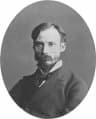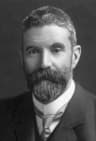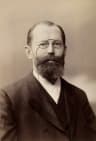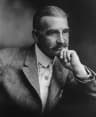
Geboren
October 27, 1858
New York City, United States
Verstorben
January 6, 1919
Sagamore Hill, United States
Bekannt für
26th President of the United States from 1901 to 1909
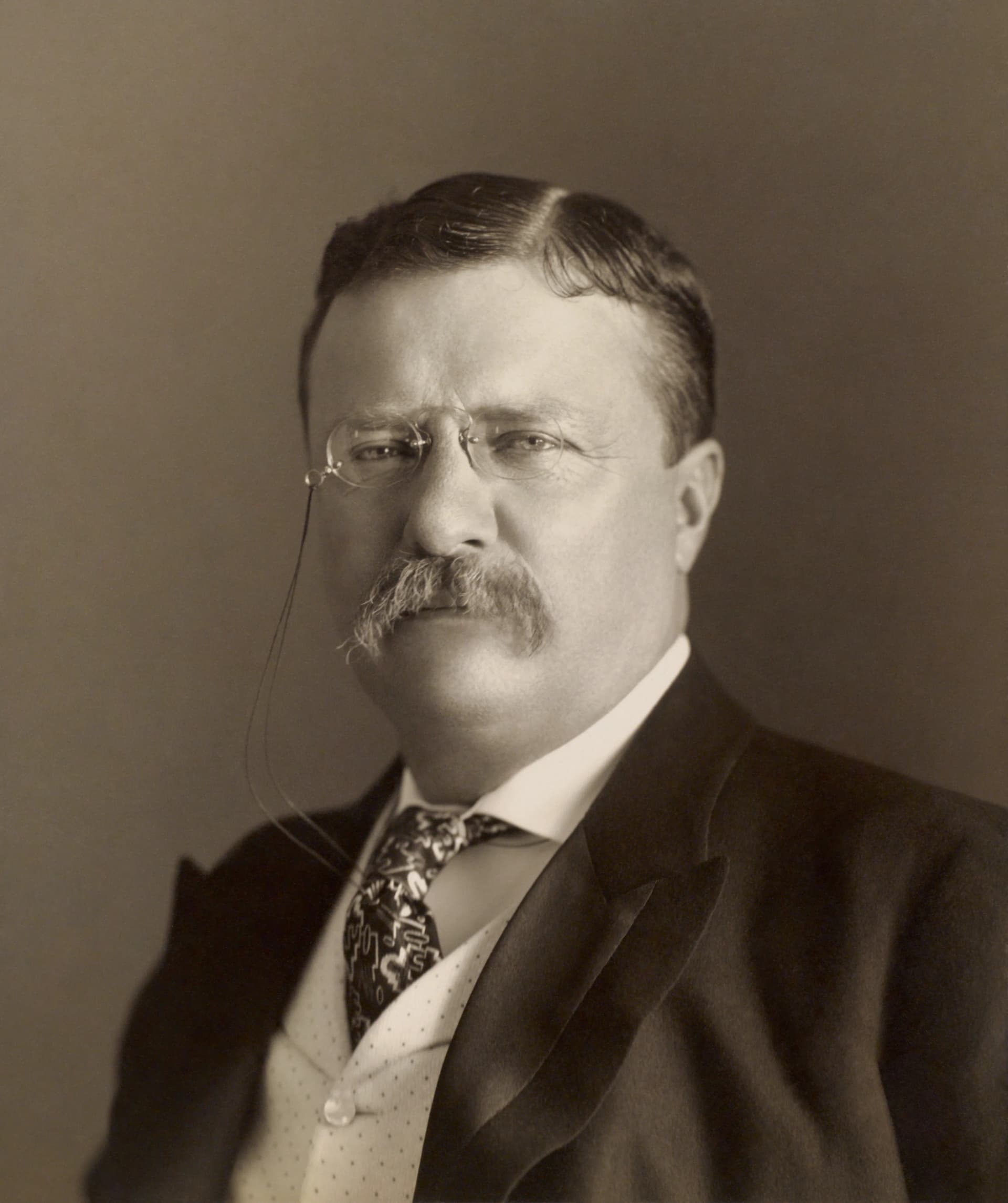
Theodore Roosevelt (1858–1919) was United States best known for 26th President of the United States from 1901 to 1909.
Theodore Roosevelt (October 27, 1858 – January 6, 1919) was an American naturalist, author, and 26th President of the United States. He became the youngest president at 42, earning the Nobel Peace Prize in 1906 for ending the Russo-Japanese War. His diverse career and conservation efforts shaped a lasting legacy.
Kapitel
Lebenskapitel
Kapitel 1 · 1858· Kapitel 1 von 7
Early Life and Origins
Born into a prominent family in New York City, United States, on October 27, 1858, Theodore Roosevelt Jr. displayed an early and profound fascination with the natural world, a passion that would significantly shape his life trajectory. This innate curiosity led him to become a dedicated ornithologist and scientific collector from a young age, actively pursuing knowledge of flora and fauna. His formative years were marked by a vigorous intellectual and physical development that cultivated the resilience and wide-ranging expertise evident throughout his public and personal life, setting the foundation for his later endeavors.
Kapitel 2· Kapitel 2 von 7
Career Beginnings
Roosevelt embarked upon his distinguished public service career in politics, rapidly distinguishing himself through his unwavering commitment and keen intellect within various governmental capacities. His early professional journey included a period serving as a jurist, further broadening his understanding of legal frameworks and societal structures. These initial experiences in government and law were crucial in preparing him for the higher offices he would eventually hold, showcasing his dedication to public welfare and his growing influence in American political circles.
Kapitel 3 · 1901· Kapitel 3 von 7
Major Achievements and Career Highlights
Theodore Roosevelt assumed the 26th Presidency of the United States, serving with distinction from 1901 to 1909, a tenure marked by significant reform and an energetic pursuit of national interests. He ascended to the nation's highest office after a brief six-month period as Vice President under William McKinley, stepping into the role following McKinley's tragic assassination in 1901. At the age of 42 upon his first inauguration, Roosevelt became the youngest individual ever to hold the presidential office, injecting a renewed vigor into American governance and setting a progressive agenda for the new century.
A monumental highlight of his international statesmanship was the conferment of the Nobel Peace Prize upon him in 1906, an extraordinary recognition of his diplomatic acumen. This esteemed award was granted for his critical and successful role in bringing to an end the bloody and protracted war recently waged between two of the world's great powers, Japan and Russia, through skillful mediation. Roosevelt's decisive intervention demonstrated his profound commitment to global peace and established his reputation as a leading international negotiator, influencing foreign policy for years to come.
Domestically, Theodore Roosevelt established himself as a pioneering conservationist, driven by his deep personal connection to the natural environment, nurtured through his experiences as an explorer and rancher. His administration enacted significant policies that significantly expanded national parks and forests, protecting vast tracts of American wilderness for future generations. This enduring commitment to environmental stewardship fundamentally reshaped the nation's approach to its natural resources, leaving a lasting impact on the conservation movement and the physical landscape of the United States.
Kapitel 4· Kapitel 4 von 7
Personal Life
While specific details regarding Theodore Roosevelt's immediate family dynamics beyond his public roles are not extensively provided, his personal life was undeniably rich with diverse and ardent interests that profoundly shaped his character. He embraced the rugged life of a rancher in the American West, an experience that forged his robust spirit and deep appreciation for the land. Furthermore, his lifelong passion for wildlife manifested in his dedicated pursuits as an ornithologist and scientific collector, activities that were not merely hobbies but integral aspects of his intellectual and adventurous identity, profoundly influencing his worldview and policy decisions.
Kapitel 5· Kapitel 5 von 7
Notable Works or Contributions
As an incredibly prolific author, esteemed historian, and insightful autobiographer, Theodore Roosevelt produced an extensive body of written work throughout his life, offering invaluable perspectives into his thoughts, experiences, and political philosophies. His personal narrative, "Theodore Roosevelt, An autobiography," stands as a cornerstone of his literary output, providing a direct account of his remarkable journey and convictions. Additionally, his adventurous spirit is vividly captured in titles such as "Cowboys and kings," reflecting his experiences and observations of American life and leadership.
Among his extensive bibliography are significant political and social commentaries like "The right of the people to rule," which articulates his democratic ideals and vision for citizen engagement, and the expansive "The works of Theodore Roosevelt," a collection showcasing the breadth and depth of his literary contributions. He also authored specific governmental insights such as "Executive orders relating to the Panama Canal," detailing a key infrastructure project of his presidency, alongside historical and cultural notes like "A note on the Irish theatre" and his "Lafayette-Marne-day address, Sept. 6, 1918." This extensive collection of writings underscores his intellectual curiosity and his enduring commitment to contributing to public discourse across a multitude of subjects.
Kapitel 6 · 1909· Kapitel 6 von 7
Later Years
Following the conclusion of his influential presidency in 1909, Theodore Roosevelt remained an exceptionally active and prominent figure on both the national and international stages. He continued to dedicate himself to public life not only as an author and respected statesperson but also embarked on further adventures as an explorer and diligently maintained his role as a diarist, meticulously documenting his post-presidential expeditions and reflections. These later years were characterized by an unwavering intellectual engagement and a sustained commitment to influencing national and global affairs, demonstrating his ceaseless energy.
Theodore Roosevelt's remarkable life concluded on January 6, 1919, at Sagamore Hill, United States, where he passed away at the age of 60. His passing marked the end of an era defined by his dynamic presence and significant influence on American society and international diplomacy. He is respectfully remembered as an individual of extraordinary energy, keen intellect, and an unparalleled devotion to his country, whose contributions continue to resonate through the fabric of American heritage and global relations.
Kapitel 7· Kapitel 7 von 7
Legacy and Impact
The enduring legacy of Theodore Roosevelt is one of impactful leadership, deeply rooted in his progressive vision and an unwavering commitment to both domestic prosperity and global stability. As the 26th President, he championed significant policies that modernized the nation, while concurrently solidifying the United States' standing as a formidable and responsible statesperson on the world stage. His instrumental role in mediating the peace between Japan and Russia, which deservedly earned him the Nobel Peace Prize, powerfully exemplifies his exceptional diplomatic prowess and unwavering dedication to fostering international harmony.
Beyond his significant political and diplomatic achievements, Roosevelt's fervent advocacy for conservation fundamentally and permanently altered America's perception and management of its natural resources. His pioneering efforts as a naturalist and conservationist laid the essential groundwork for the modern environmental protection movement, ensuring the preservation of vast wilderness areas, national parks, and vital ecosystems for future generations. Theodore Roosevelt continues to inspire countless individuals with his powerful example of courage, profound intellect, boundless energy, and an exemplary devotion to the public good, cementing his place as one of America's most influential leaders.
Ein Leben in Momenten
Die Momente, die ein Leben prägten
FAQ
Häufig gefragt
Wann starb Theodore Roosevelt?
Theodore Roosevelt starb am 6. Januar 1919 in Sagamore Hill, United States im Alter von 60 Jahren.
Wo wurde Theodore Roosevelt geboren?
Theodore Roosevelt wurde in New York City, United States am 27. Oktober 1858 geboren.
Wofür ist Theodore Roosevelt am bekanntesten?
Theodore Roosevelt ist am bekanntesten für 26th President of the United States from 1901 to 1909.
Wie alt war Theodore Roosevelt beim Tod?
Theodore Roosevelt war zum Zeitpunkt des Todes 60 Jahre alt.
Welche Nationalität hatte Theodore Roosevelt?
Theodore Roosevelt stammte aus United States.
Zeitlinie
Leben im Überblick
Fotogalerie
Ein Leben in Bildern
Klicken Sie ein Polaroid an, um es zu vergrößern · 19 Fotos
QR-Code
Diese Biografie teilen
Drucken & Teilen
Scannen Sie, um diese Biografieseite zu besuchen. Drucken Sie sie für Veranstaltungen, Ausstellungen oder Lehrmaterialien.