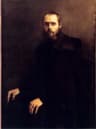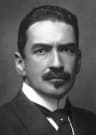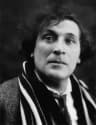
Geboren
April 1, 1873
Starorussky Uyezd, Russian Empire
Verstorben
March 28, 1943
Beverly Hills, United States
Bekannt für
Russian composer, pianist and conductor
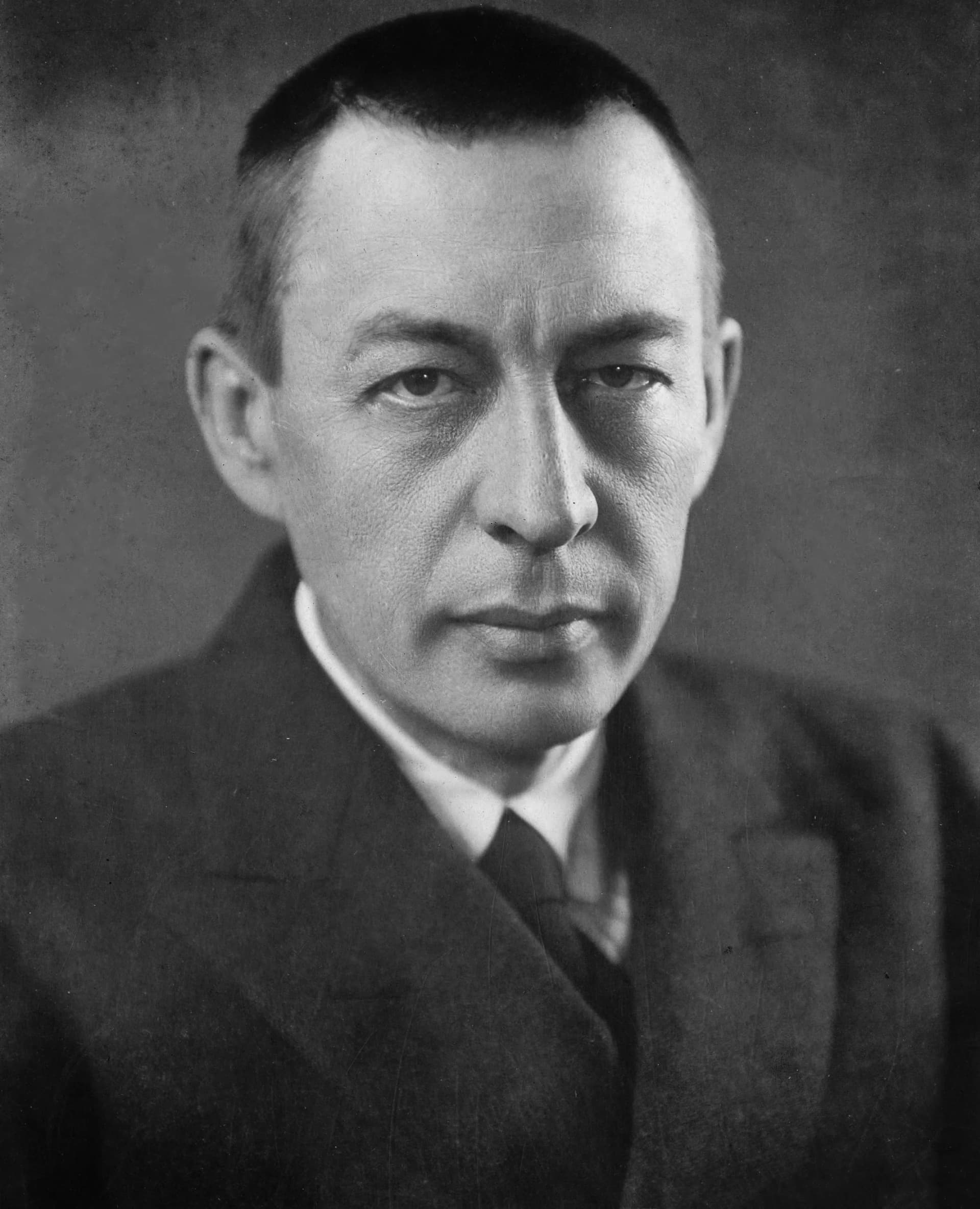
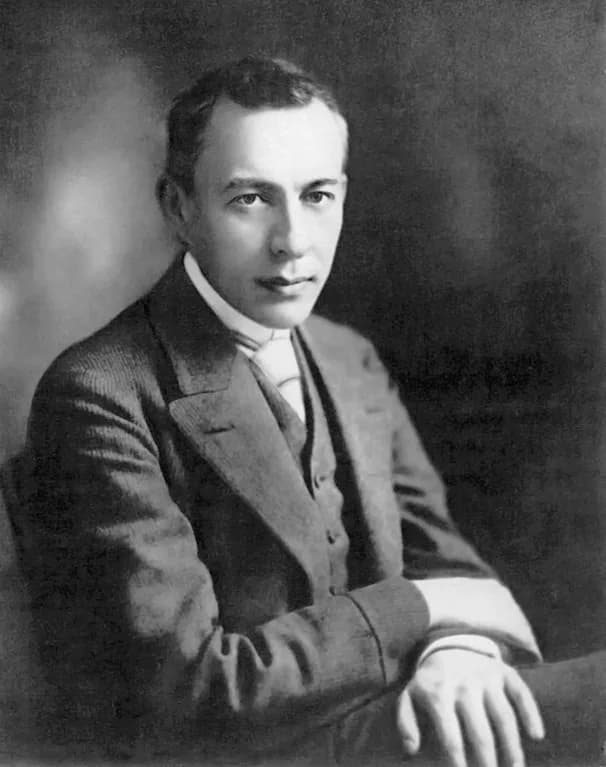
Sergei Rachmaninoff (1873–1943) was Russian Empire best known for Russian composer, pianist and conductor.
Sergei Rachmaninoff (April 1, 1873 – March 28, 1943) was a Russian composer, pianist, and conductor. He was celebrated as one of the finest pianists of his day and a last great representative of Romanticism in Russian classical music. His works are known for their song-like melodicism and rich orchestral colors.
Kapitel
Lebenskapitel
Kapitel 1 · 1873· Kapitel 1 von 6
Early Life and Origins
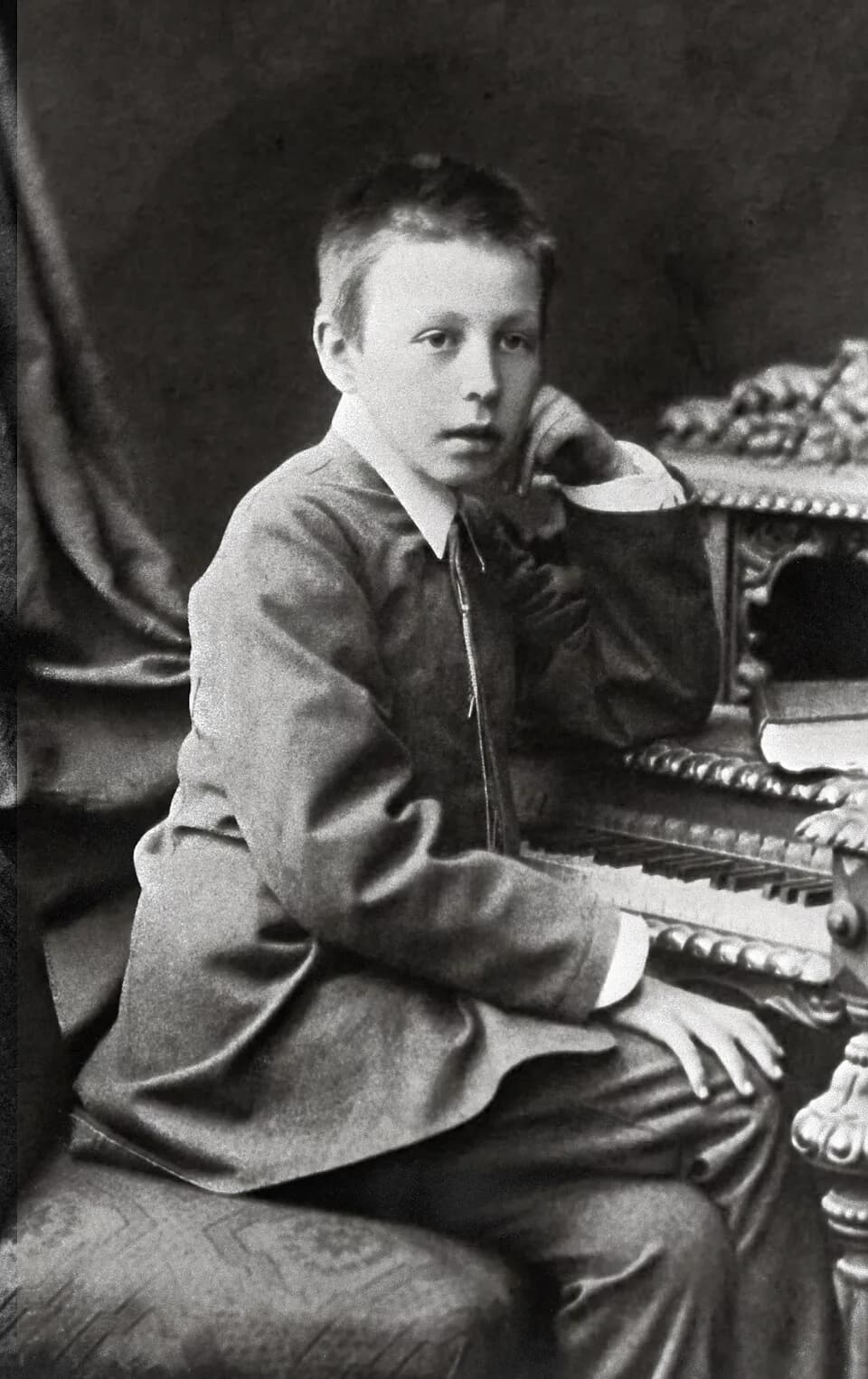
Born on April 1, 1873, in Starorussky Uyezd, Russian Empire, Sergei Rachmaninoff's early life was steeped in the rich cultural heritage of his homeland. This environment provided a fertile ground for his burgeoning musical talents. From a young age, he displayed extraordinary promise, setting him on a path dedicated entirely to music.
Kapitel 2· Kapitel 2 von 6
Career Beginnings
Rachmaninoff's musical journey began to solidify with formal training, which quickly revealed his exceptional abilities as both a composer and a performer. He absorbed influences from prominent Russian composers, including Pyotr Ilyich Tchaikovsky and Nikolai Rimsky-Korsakov. These early studies were crucial in shaping his distinctive voice, which soon blossomed into a thoroughly personal idiom.
Kapitel 3· Kapitel 3 von 6
Major Achievements and Career Highlights
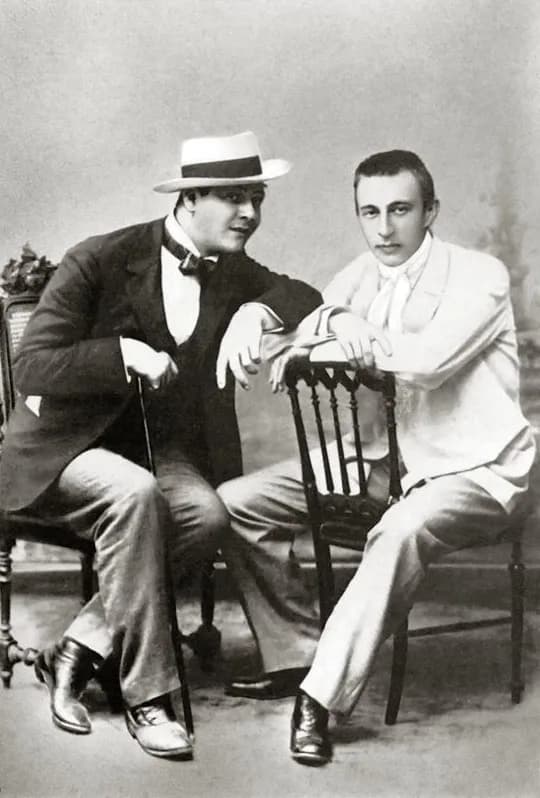
Throughout his distinguished career, Rachmaninoff earned widespread acclaim as an extraordinary pianist, captivating audiences with his formidable technique and deep emotional connection to the music. His live performances set a benchmark for piano virtuosity. As a composer, he meticulously crafted works that continue to resonate with listeners today.
His achievements extended beyond composition and performance, as he was also an accomplished conductor. This combination of talents—composing, performing, and conducting—established him as a versatile and formidable force in the music world. Rachmaninoff’s dedication to fully exploring the expressive and technical possibilities of the instrument through his own piano compositions stands as a major highlight of his career.
Kapitel 4 · 1989· Kapitel 4 von 6
Notable Works or Contributions
Rachmaninoff's compositional output is rich and varied, with the piano often taking center stage. His Klavierkonzerte No. 1 & 2, recorded with the Berliner Sinfonie-Orchester in 1989 featuring Peter Rösel on piano, showcase his mastery of the concerto form. These works exemplify his characteristic song-like melodicism and dense contrapuntal textures.
Beyond concertos, his opera "Aleko," released in 1993, demonstrates his dramatic flair. Symphonic works such as "Symphony no. 1" and the evocative "The Isle of the Dead," both released in 1993, further highlight his rich orchestral colors. His compositions frequently appear in compilations like "MASTERPIECE Rachmaninov" (1990) and "Rachmaninoff for Romance" (1995), reflecting their enduring popularity.
His contributions also include the opera "Francesca da Rimini," recorded in 1994 with Andrei Chistiakov conducting the Bolshoi Theatre Orchestra. Significant sacred music, such as "Vespers op. 37," released in 2003, also forms an important part of his catalogue. Rachmaninoff's own prowess as a performer is vividly captured in recordings like "A Window in Time: Rachmaninoff Performs Bach, Chopin, Mendelssohn, Paderewski, Schubert, Tchaikovsky and Others" (1999), illustrating his interpretive genius across a wide range of composers.
Kapitel 5 · 1943· Kapitel 5 von 6
Later Years
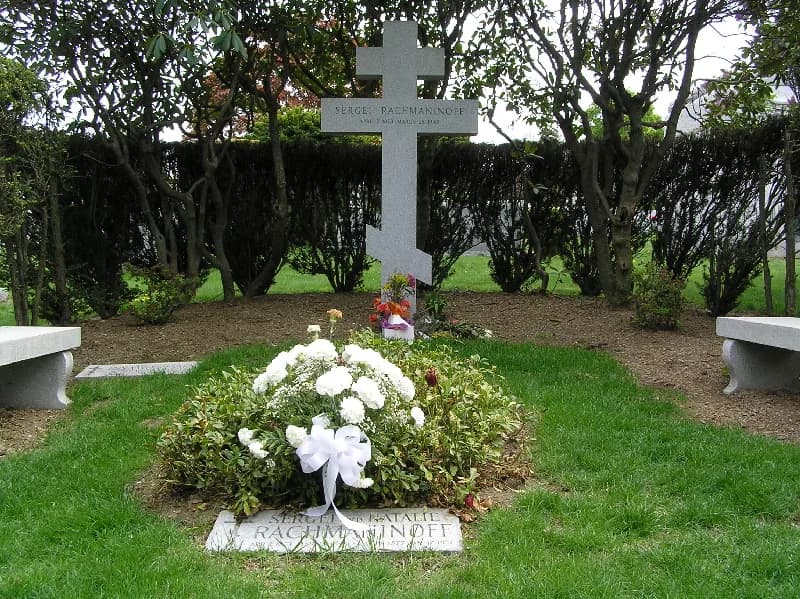
Sergei Rachmaninoff spent his final years in the United States, continuing to compose and perform. His move to Beverly Hills marked a new chapter in his life, though his musical voice remained distinctly Russian throughout this period. He passed away on March 28, 1943, in Beverly Hills, United States, leaving behind an immense and treasured body of work.
Kapitel 6· Kapitel 6 von 6
Legacy and Impact
The legacy of Sergei Rachmaninoff is one of profound beauty, technical brilliance, and enduring emotional power. He is celebrated for his unique idiom, characterized by expressiveness and powerful melodies that resonate deeply with listeners across generations. Rachmaninoff’s music continues to be performed and cherished by orchestras, pianists, and audiences worldwide.
His influence as a composer and performer secured his place as a giant in classical music history. He demonstrated how the Romantic tradition could evolve while maintaining its core emotional appeal, inspiring countless musicians. Rachmaninoff's works remain cornerstones of the classical repertoire, a lasting example of his unparalleled genius and impact on the global musical stage.
Ein Leben in Momenten
Die Momente, die ein Leben prägten

FAQ
Häufig gefragt
Wann starb Sergei Rachmaninoff?
Sergei Rachmaninoff starb am 28. März 1943 in Beverly Hills, United States im Alter von 69 Jahren.
Wo wurde Sergei Rachmaninoff geboren?
Sergei Rachmaninoff wurde in Starorussky Uyezd, Russian Empire am 1. April 1873 geboren.
Wofür ist Sergei Rachmaninoff am bekanntesten?
Sergei Rachmaninoff ist am bekanntesten für Russian composer, pianist and conductor.
Wie alt war Sergei Rachmaninoff beim Tod?
Sergei Rachmaninoff war zum Zeitpunkt des Todes 69 Jahre alt.
Welche Nationalität hatte Sergei Rachmaninoff?
Sergei Rachmaninoff stammte aus Russian Empire.
Zeitlinie
Leben im Überblick
Fotogalerie
Ein Leben in Bildern
Klicken Sie ein Polaroid an, um es zu vergrößern · 24 Fotos
QR-Code
Diese Biografie teilen
Drucken & Teilen
Scannen Sie, um diese Biografieseite zu besuchen. Drucken Sie sie für Veranstaltungen, Ausstellungen oder Lehrmaterialien.