Geboren
August 11, 1833
Dresden, United States
Verstorben
July 21, 1899
Dobbs Ferry, United States
Bekannt für
American lawyer, orator, and politician
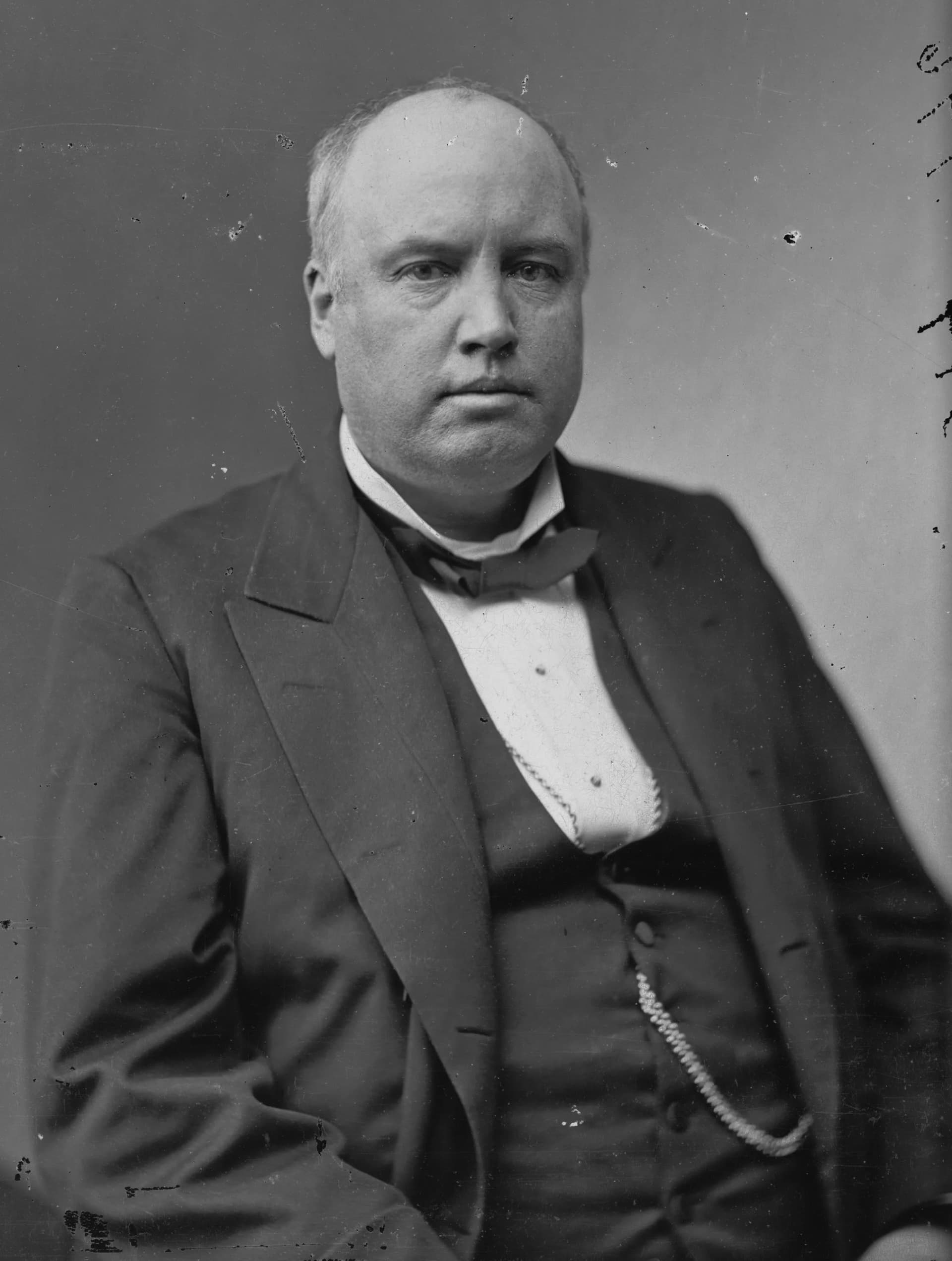
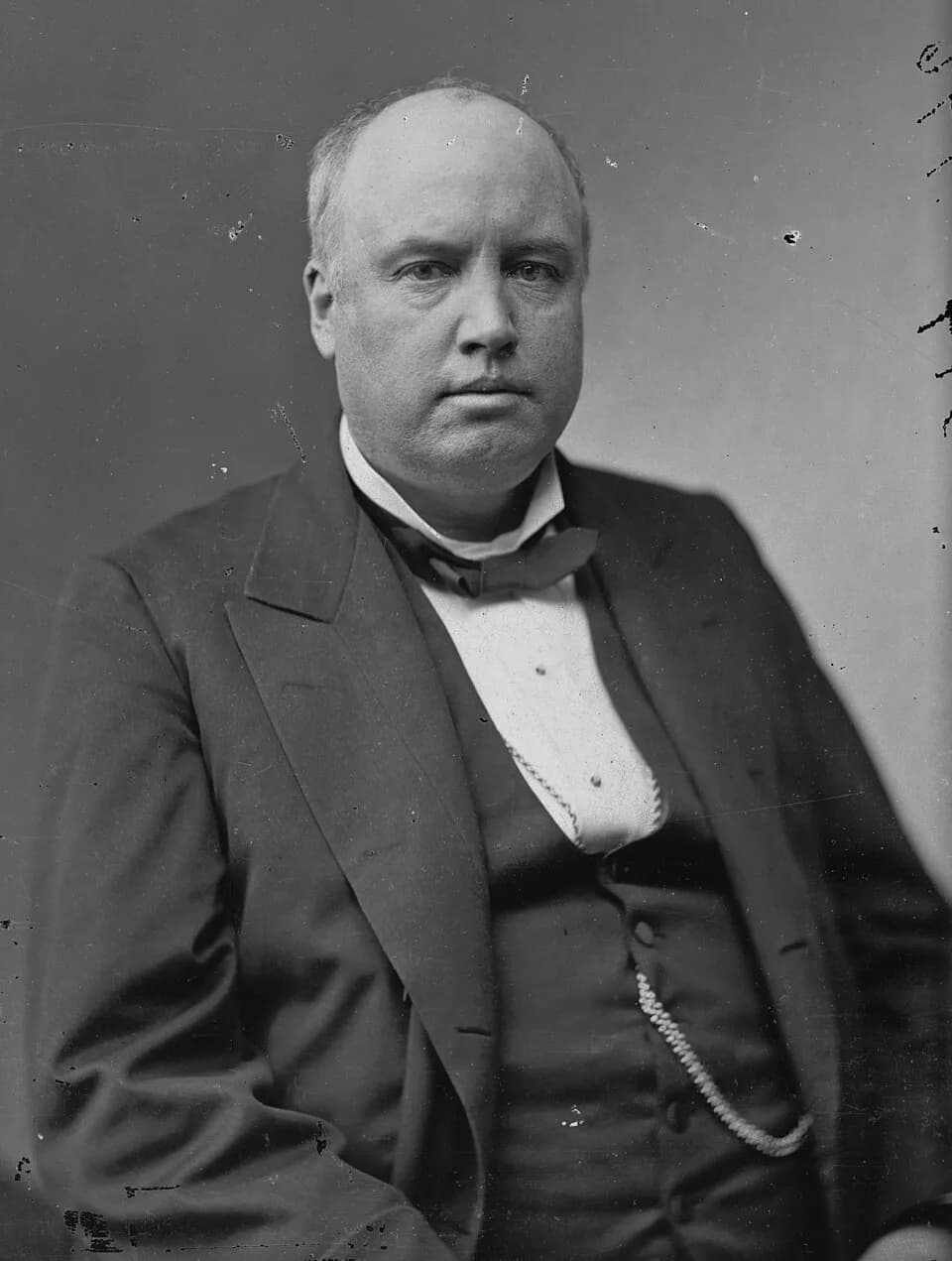
Robert Green Ingersoll (1833–1899) was United States best known for American lawyer, orator, and politician.
Robert Green Ingersoll (August 11, 1833 – July 21, 1899) was an American lawyer, orator, and politician. Known as "the Great Agnostic," he famously campaigned in defense of agnosticism during the Golden Age of Free Thought. His writings and lectures shaped public discourse on religion and philosophy.
Kapitel
Lebenskapitel
Kapitel 1 · 1833· Kapitel 1 von 6
Early Life and Origins
Robert Green Ingersoll entered the world on August 11, 1833, in Dresden, United States. His early years were foundational, shaping his intellect and preparing him for a life of public engagement. The environment of his upbringing undoubtedly influenced his later philosophical and professional pursuits.
Kapitel 2· Kapitel 2 von 6
Career Beginnings
Ingersoll embarked on a career that skillfully blended legal expertise with compelling public speaking. He quickly established himself as a skilled lawyer and orator. His early work showcased his remarkable abilities to articulate complex ideas and persuade audiences.
Kapitel 3· Kapitel 3 von 6
Major Achievements and Career Highlights
Known affectionately as "the Great Agnostic," Robert Green Ingersoll became a leading figure in the spirited defense of agnosticism. His campaigns involved extensive lecturing and writing, challenging conventional religious beliefs of his era with clarity and conviction. He held positions as both a lawyer and a politician, effectively using these platforms to advocate for his views and influence public opinion across the United States.
Ingersoll’s impact was particularly felt during the Golden Age of Free Thought, a period ripe for intellectual debate. His powerful rhetoric and logical arguments made him a formidable debater and essayist. He was respected for his intellectual honesty and his fearless pursuit of truth, even when it led to widespread controversy.
Kapitel 4· Kapitel 4 von 6
Notable Works or Contributions
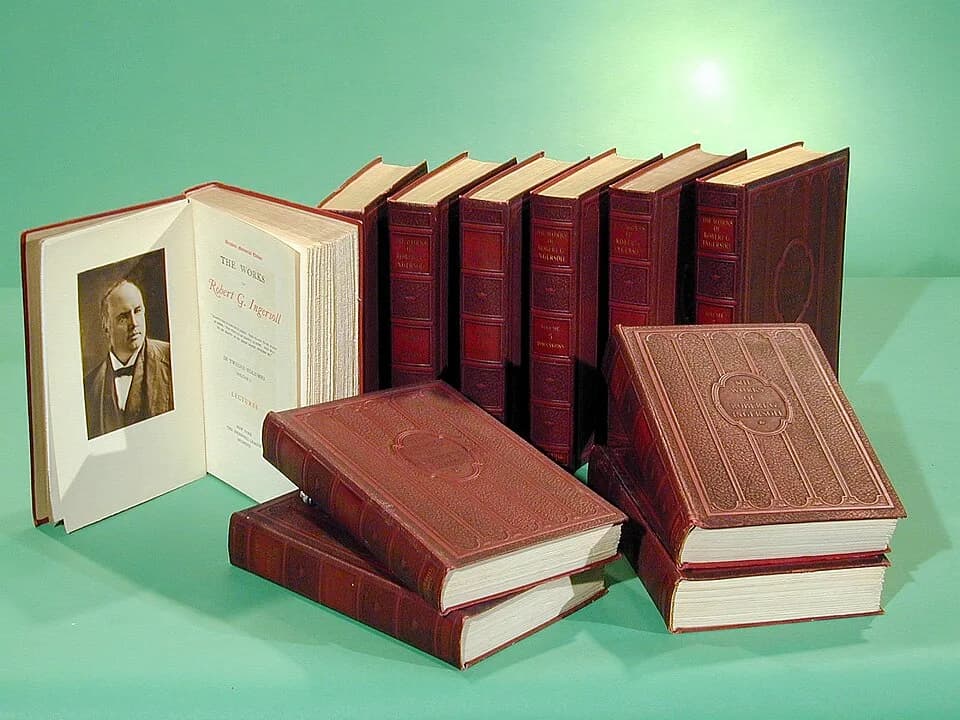
Robert Green Ingersoll was a prolific author and lecturer, producing numerous works that explored religion, philosophy, and social reform. Among his influential publications was "The Christian religion," which critically examined traditional theological concepts. He also penned "How to reform mankind," offering his insightful perspectives on societal improvement and ethical living.
Other significant contributions include "A Christmas sermon and the controversy it aroused," a piece that sparked widespread discussion and debate. His "Oration on Voltaire" highlighted his admiration for enlightenment thinkers and their contributions to human reason. The collected work "Ghosts, The gods, and other lectures" provided a comprehensive look at his agnostic philosophy and critical thought, cementing his reputation.
The enduring academic interest in Robert Green Ingersoll's thought is reflected in various scholarly works, noting an h-index of 4 across 43 papers. Titles like "Primatology, Ethics and Trauma" (2023), "Why I do not believe in God" (2020), and "Faith or Agnosticism" (2017) indicate continued engagement with his ideas and their broader implications. These contemporary academic contributions underscore his lasting influence on philosophical and ethical discourse, far beyond his lifetime.
Kapitel 5 · 1899· Kapitel 5 von 6
Later Years
Robert Green Ingersoll continued his work as a lecturer, writer, and advocate late into his life, maintaining his active presence in public discourse. He tirelessly presented his arguments for free thought and agnosticism, solidifying his intellectual stance. He passed away on July 21, 1899, in Dobbs Ferry, United States, leaving behind a profound intellectual legacy.
Kapitel 6· Kapitel 6 von 6
Legacy and Impact
The legacy of Robert Green Ingersoll endures as a steadfast champion of intellectual freedom and rational inquiry. His articulate defense of agnosticism helped shape public conversations about religion and philosophy in America during a critical period. He inspired many to question dogmas and embrace independent thought, leaving a lasting mark on the cultural and intellectual landscape of his time.
Ein Leben in Momenten
Die Momente, die ein Leben prägten
![Robert Green Ingersoll - "The Posey Building of [Old] Shawneetown, Illinois, in which Abraham Lincoln and Robert Ingersoll had law offices. Title and other information from caption card."](/_next/image?url=https%3A%2F%2Fcdn.whowasthisguy.com%2Fgallery_wikimedia_commons_1781728586577_1_3432179067.webp&w=1920&q=75)
![Robert Green Ingersoll - "An old grocery building and the Posey Building where Abraham Lincoln and Robert Ingersoll had law offices. [Old] Shawneetown, Illinois. Title and other information from capti](/_next/image?url=https%3A%2F%2Fcdn.whowasthisguy.com%2Fgallery_wikimedia_commons_1781728587524_2_6834caf50e.webp&w=1920&q=75)
FAQ
Häufig gefragt
Wann starb Robert Green Ingersoll?
Robert Green Ingersoll starb am 21. Juli 1899 in Dobbs Ferry, United States im Alter von 65 Jahren.
Wo wurde Robert Green Ingersoll geboren?
Robert Green Ingersoll wurde in Dresden, United States am 11. August 1833 geboren.
Wofür ist Robert Green Ingersoll am bekanntesten?
Robert Green Ingersoll ist am bekanntesten für American lawyer, orator, and politician.
Wie alt war Robert Green Ingersoll beim Tod?
Robert Green Ingersoll war zum Zeitpunkt des Todes 65 Jahre alt.
Welche Nationalität hatte Robert Green Ingersoll?
Robert Green Ingersoll stammte aus United States.
Zeitlinie
Leben im Überblick
Fotogalerie
Ein Leben in Bildern
Klicken Sie ein Polaroid an, um es zu vergrößern · 23 Fotos
QR-Code
Diese Biografie teilen
Drucken & Teilen
Scannen Sie, um diese Biografieseite zu besuchen. Drucken Sie sie für Veranstaltungen, Ausstellungen oder Lehrmaterialien.