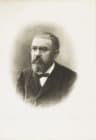
Geboren
November 5, 1854
Carcassonne, France
Verstorben
August 14, 1941
Toulouse, France
Bekannt für
French chemist
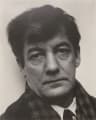
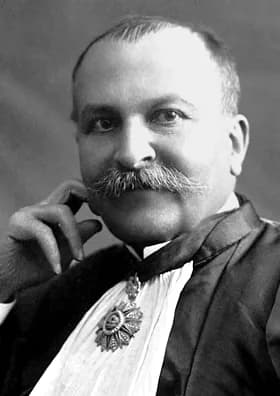
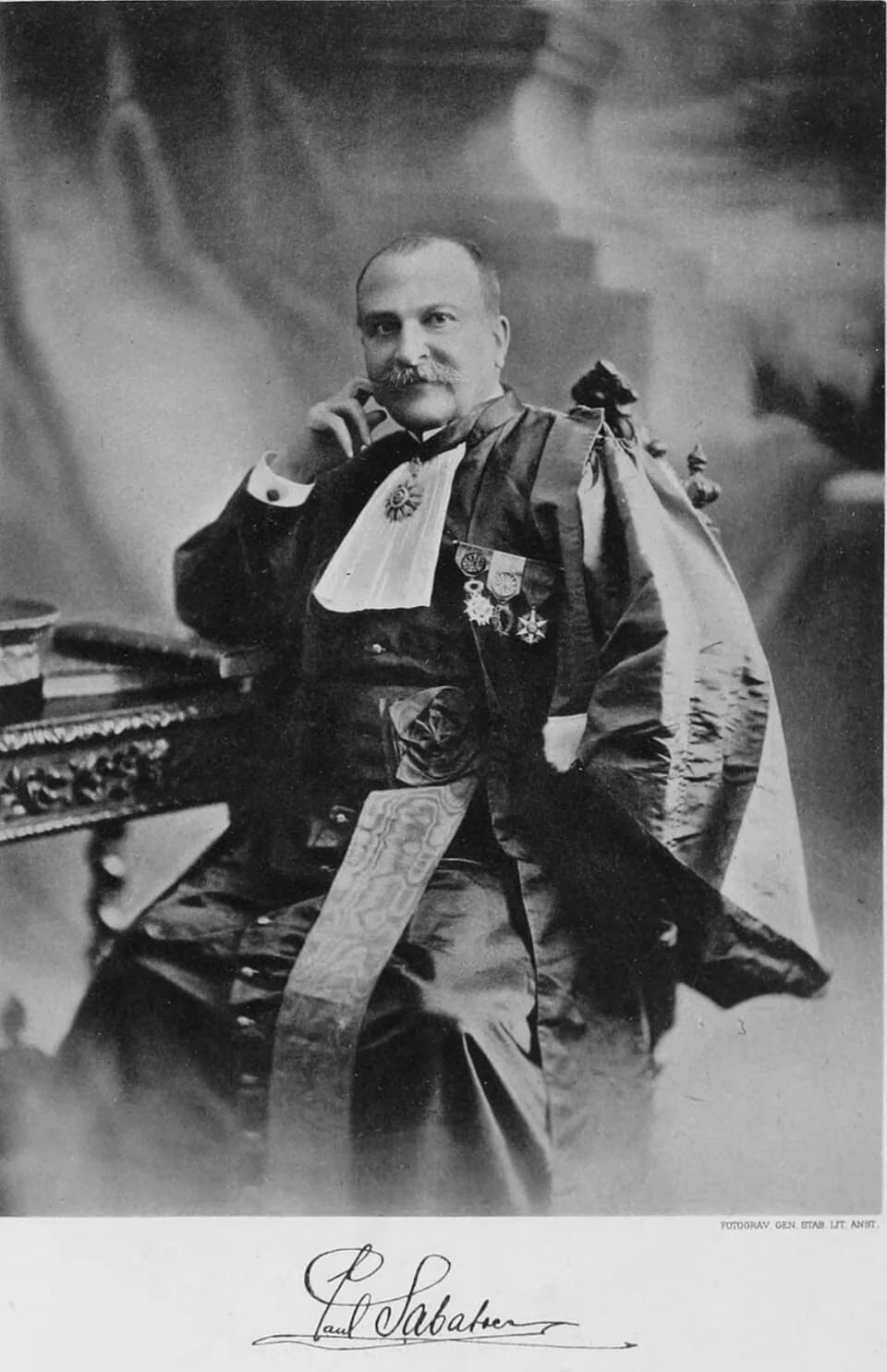
Paul Sabatier (1854–1941) was France best known for French chemist.
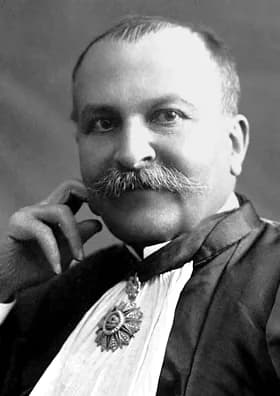
Paul Sabatier (November 5, 1854 – August 14, 1941) was a French chemist from Carcassonne who revolutionized organic chemistry. He won the 1912 Nobel Prize in Chemistry for developing methods to hydrogenate organic compounds using metal catalysts. His work became fundamental to modern chemical synthesis and industrial chemistry.
Kapitel
Lebenskapitel
Kapitel 1 · 1854· Kapitel 1 von 6
Early Life and Origins
Paul Sabatier was born on November 5, 1854, in Carcassonne, a historic fortified city in southern France. Growing up in this ancient town, surrounded by medieval walls and towers, Sabatier developed an early interest in the sciences. His upbringing in the Languedoc region exposed him to both French academic traditions and the practical applications of chemistry in local industries.
The young Sabatier pursued his education with dedication, eventually finding his calling in chemistry. His academic journey led him from his hometown to the major centers of French scientific learning, where he would build the foundation for his later groundbreaking work. The rigorous French educational system of the late 19th century provided him with both theoretical knowledge and practical laboratory skills.
Kapitel 2· Kapitel 2 von 6
Career Beginnings
Sabatier began his professional career as both a researcher and university teacher, following the traditional French academic path. He established himself in the world of organic chemistry at a time when the field was experiencing rapid growth and discovery. His early work focused on understanding how chemical reactions could be controlled and improved through the use of catalysts.
As a university teacher, Sabatier combined education with research, mentoring students while pursuing his own investigations. This dual role allowed him to share his growing expertise while continuing to push the boundaries of chemical knowledge. His teaching position provided the stability and resources necessary for his extended research into hydrogenation processes.
Kapitel 3 · 1912· Kapitel 3 von 6
Major Achievements and Career Highlights
Sabatier's most significant contribution to science was his development of methods for hydrogenating organic compounds using finely disintegrated metals as catalysts. This work earned him the Nobel Prize in Chemistry in 1912, which he shared with Victor Grignard. The Nobel Committee recognized him specifically "for his method of hydrogenating organic compounds in the presence of finely disintegrated metals whereby the progress of organic chemistry has been greatly advanced in recent years."
His research opened entirely new possibilities for organic synthesis, allowing chemists to create compounds that were previously difficult or impossible to produce. The hydrogenation methods he developed became standard techniques in both academic research and industrial chemistry. His work laid the groundwork for numerous applications in pharmaceuticals, materials science, and chemical manufacturing.
Kapitel 4 · 1911· Kapitel 4 von 6
Notable Works and Contributions
Sabatier's most important publication was "Hydrogénations et déshydrogénations par catalyse" published in 1911, which became a foundational text in the field. This work, with 680 citations, detailed his methods and findings regarding catalytic hydrogenation and dehydrogenation processes. The book appeared just one year before he received the Nobel Prize, demonstrating the immediate impact of his research.
Throughout his career, Sabatier published 46 scientific papers, earning an h-index of 4. His research covered various aspects of catalytic chemistry, including later work on oxygen determination in iron and steel published in 1933. While some of his publications focused on highly specialized topics, his core contribution remained the development of metal-catalyzed hydrogenation techniques that transformed organic chemistry.
Kapitel 5· Kapitel 5 von 6
Later Years and Continued Work
Even after receiving the Nobel Prize, Sabatier continued his research and teaching activities. His later publications, including technical works on metallurgical analysis, showed his continued engagement with practical applications of chemistry. He remained active in the French scientific community, contributing to the training of new generations of chemists.
Sabatier spent his final years in Toulouse, where he continued to work until his health declined. He maintained his connection to the university and scientific institutions that had supported his career. His presence in the French academic community remained strong throughout his later decades, as younger scientists sought his guidance and expertise.
Kapitel 6· Kapitel 6 von 6
Legacy and Impact
Paul Sabatier's development of catalytic hydrogenation methods created lasting change in chemistry. His techniques became standard procedures used worldwide in both academic research and industrial production. The methods he pioneered enabled the synthesis of countless organic compounds, contributing to advances in medicine, materials, and manufacturing.
When Sabatier died on August 14, 1941, in Toulouse, he left behind a scientific legacy that continued to influence chemistry for decades. His work demonstrated how careful study of catalytic processes could yield practical methods with wide-ranging applications. Modern organic chemistry still relies on principles and techniques that trace back to his original research, making him one of the most influential French scientists of his era.
Ein Leben in Momenten
Die Momente, die ein Leben prägten
FAQ
Häufig gefragt
Wann starb Paul Sabatier?
Paul Sabatier starb am 14. August 1941 in Toulouse, France im Alter von 86 Jahren.
Wo wurde Paul Sabatier geboren?
Paul Sabatier wurde in Carcassonne, France am 5. November 1854 geboren.
Wofür ist Paul Sabatier am bekanntesten?
Paul Sabatier ist am bekanntesten für French chemist.
Wie alt war Paul Sabatier beim Tod?
Paul Sabatier war zum Zeitpunkt des Todes 86 Jahre alt.
Welche Nationalität hatte Paul Sabatier?
Paul Sabatier stammte aus France.
Zeitlinie
Leben im Überblick
Fotogalerie
Ein Leben in Bildern
Klicken Sie ein Polaroid an, um es zu vergrößern · 32 Fotos
QR-Code
Diese Biografie teilen
Drucken & Teilen
Scannen Sie, um diese Biografieseite zu besuchen. Drucken Sie sie für Veranstaltungen, Ausstellungen oder Lehrmaterialien.