Geboren
August 8, 1881
Braunfels, Germany
Verstorben
November 13, 1954
Vladimir Central Prison, Russia
Bekannt für
German field marshal
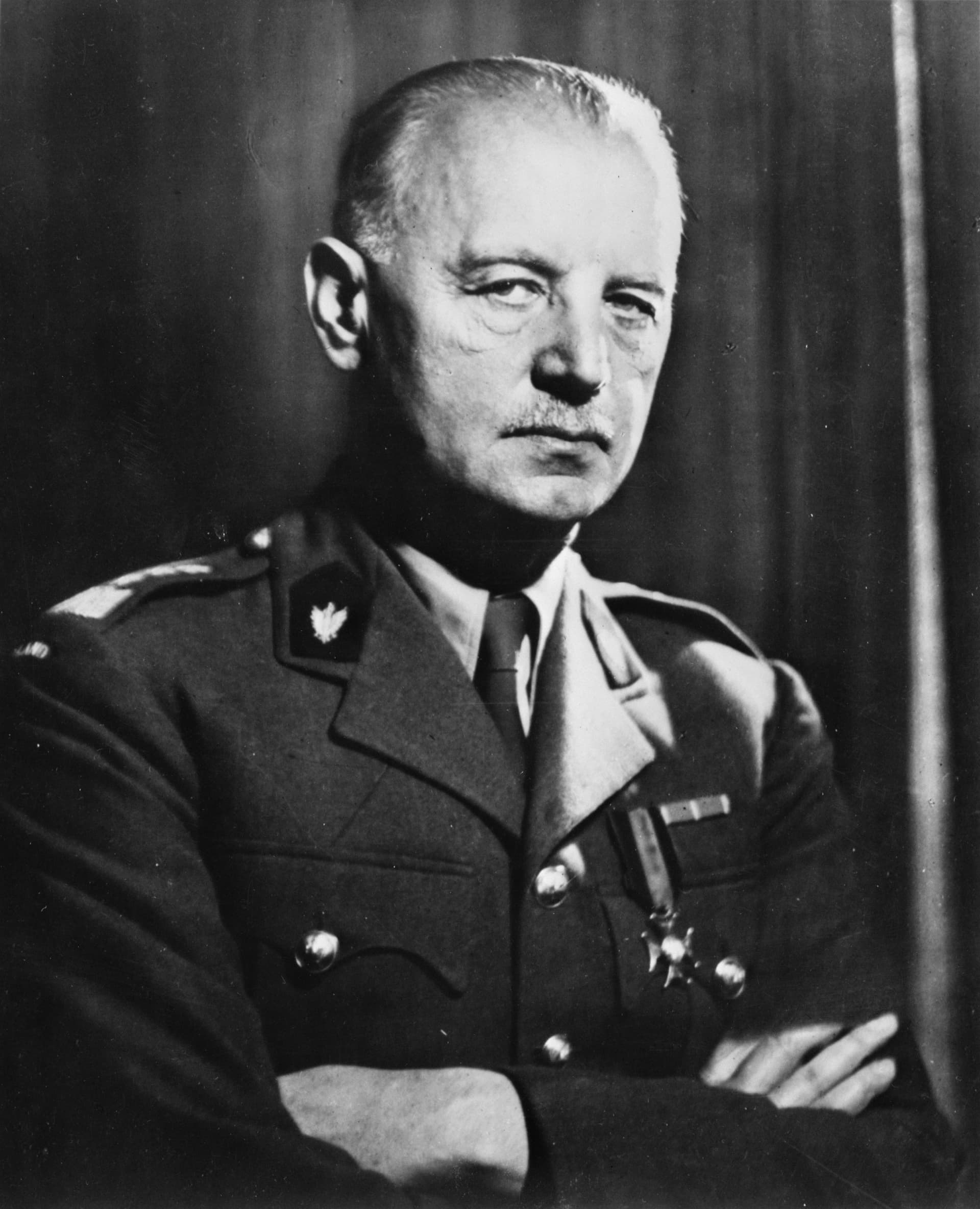
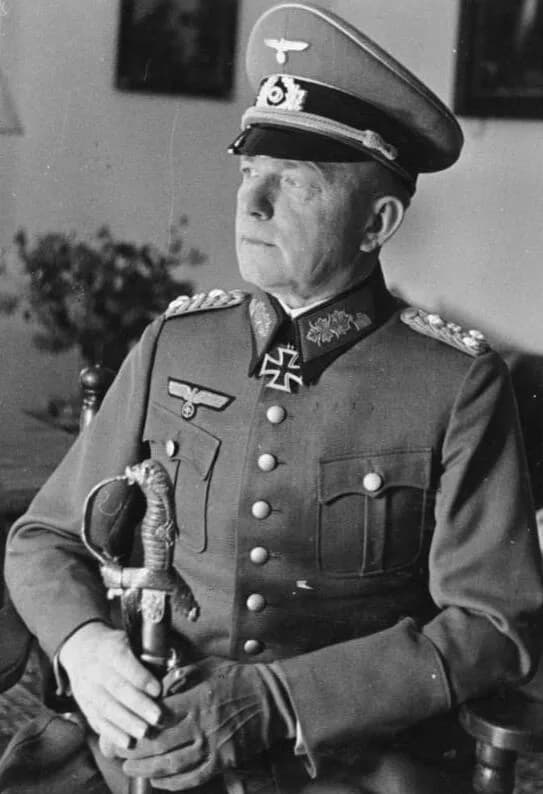
Paul Ludwig Ewald von Kleist (1881–1954) was Germany best known for German field marshal.
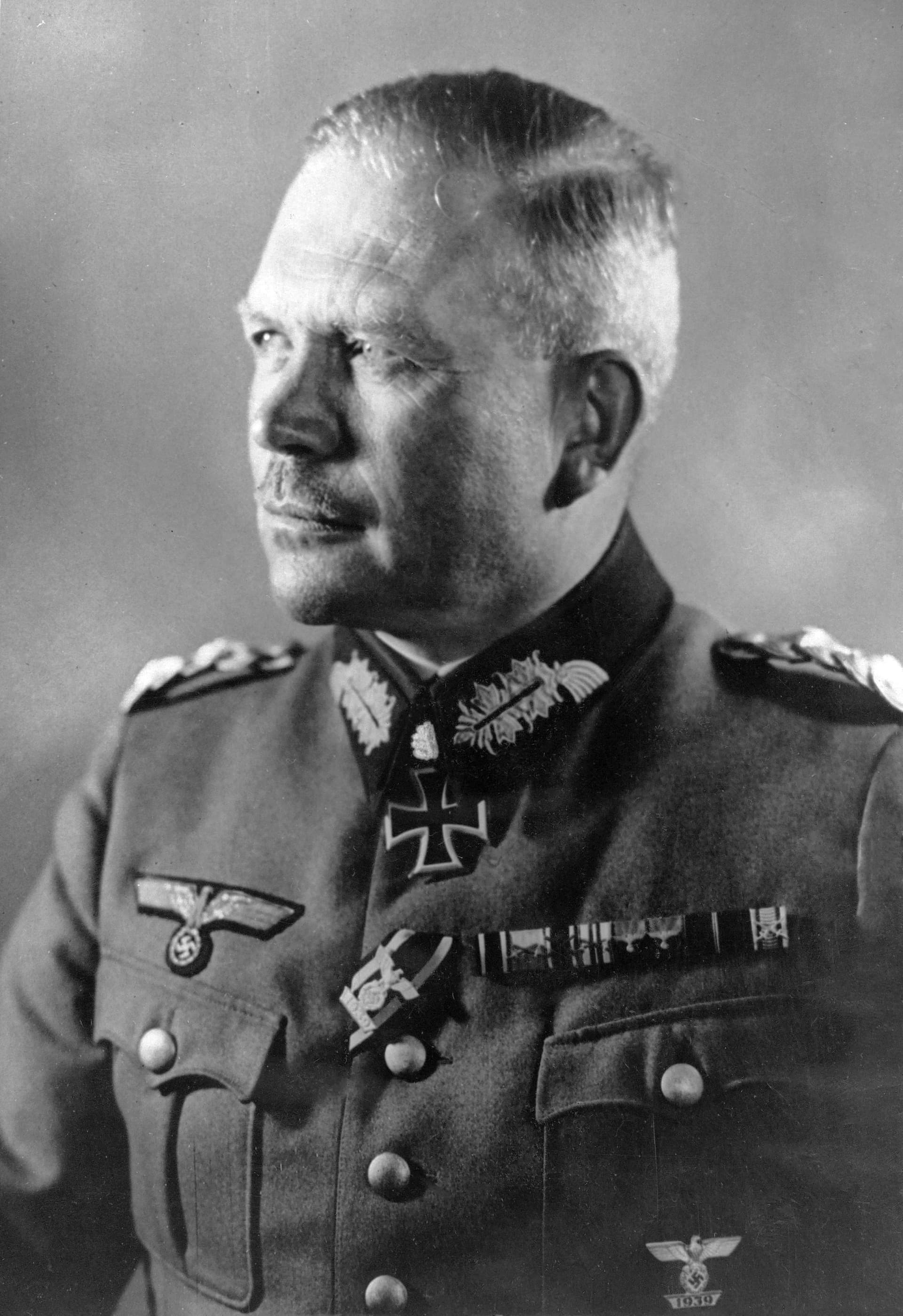
Paul Ludwig Ewald von Kleist (August 8, 1881 – November 13, 1954) was a German military officer. He rose to become a Generalfeldmarschall of the Wehrmacht during World War II, a key figure in German military leadership. His career spanned two world wars.
Ein Leben in Momenten
Die Momente, die ein Leben prägten
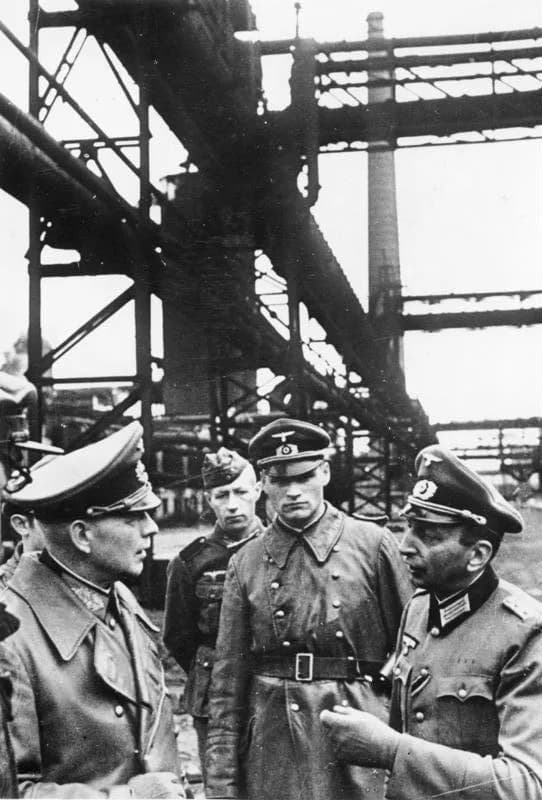
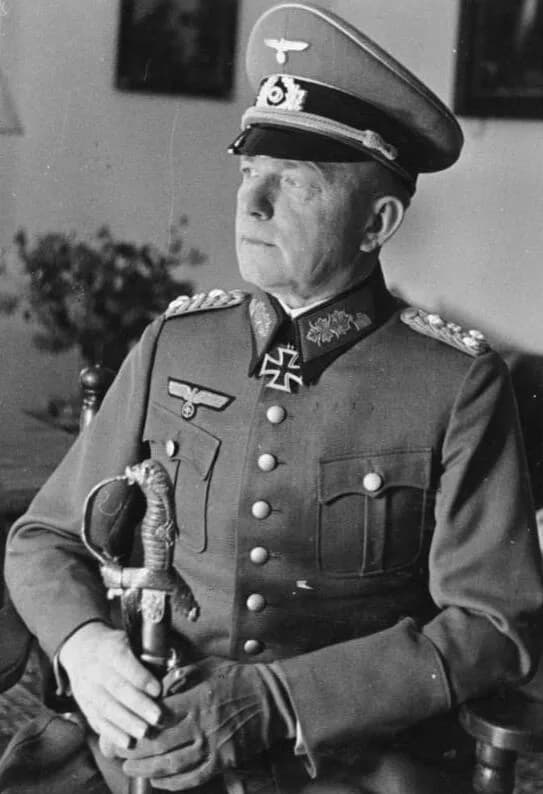
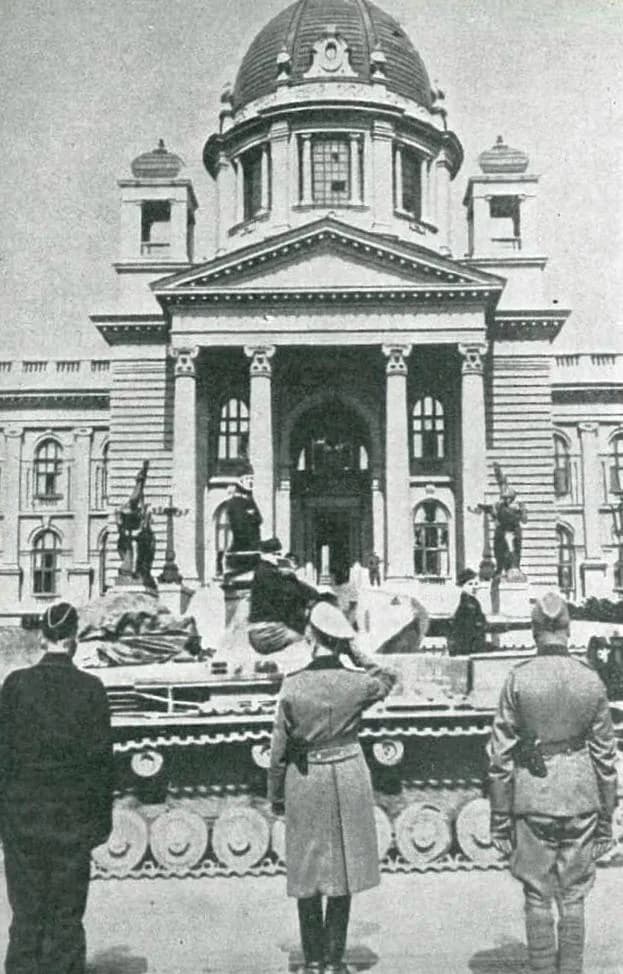
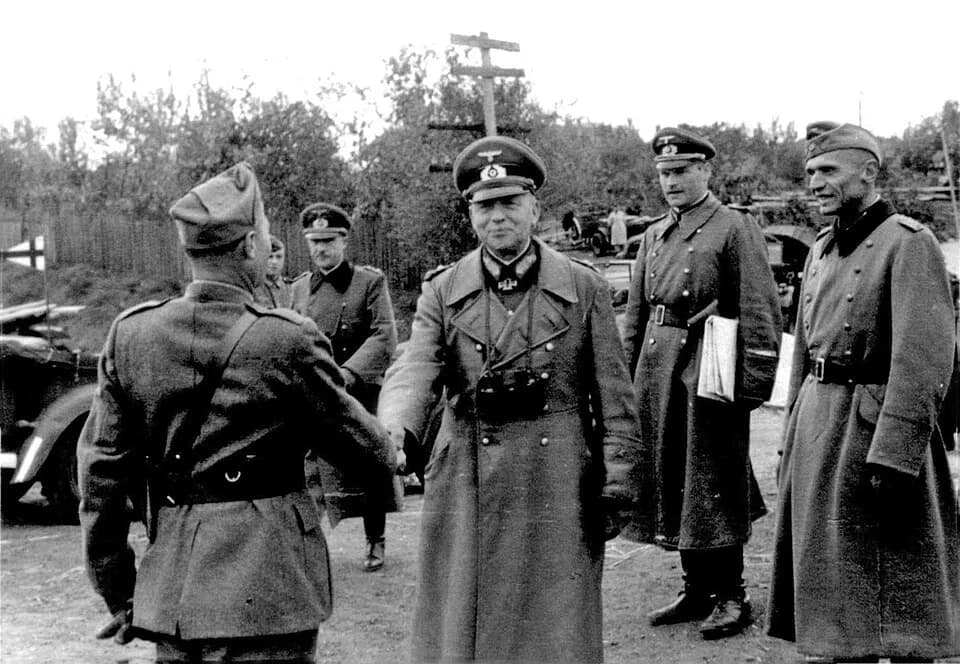
Kapitel
Lebenskapitel
Kapitel 1 · 1881· Kapitel 1 von 5
Early Life and Origins
Paul Ludwig Ewald von Kleist was born on August 8, 1881, in Braunfels, Germany, into the renowned Prussian noble family von Kleist. This heritage connected him to a lineage known for its deep roots within Prussian society and its traditions of military service. His early life in Braunfels was thus shaped by the expectations and cultural values associated with such a distinguished noble background.
The environment of late 19th-century Germany, particularly within noble circles, often directed young men towards careers in the armed forces. Kleist's family background likely provided a clear path and foundational preparation for his future endeavors in the nation's defense. This upbringing instilled in him the discipline and dedication characteristic of a military career.
Kapitel 2 · 1900· Kapitel 2 von 5
Career Beginnings
Kleist officially began his military journey when he entered the Prussian Army in 1900. This enlistment marked the formal commencement of a long and dedicated career in uniformed service, laying the groundwork for his eventual rise through the ranks. His initial years would have involved rigorous training and adherence to the strict discipline inherent in the Prussian military tradition.
During World War I, a conflict that reshaped Europe, Paul Ludwig Ewald von Kleist commanded a cavalry squadron. This role provided him with firsthand experience in battlefield command and leadership under challenging conditions. Such early exposure to high-stakes military operations provided him invaluable practical knowledge that would shape his subsequent approach to warfare and strategy.
Kapitel 3· Kapitel 3 von 5
Major Achievements and Career Highlights
Following the Great War, Kleist continued his service by joining the Reichswehr, which constituted the armed forces of inter-war Germany. This period allowed him to remain active in military affairs during a time of significant national rebuilding and political transformation. His consistent presence in the Reichswehr demonstrated an unwavering commitment to military service despite the changes in the nation's political landscape.
He later rose to the distinguished rank of German Generalfeldmarschall of the Wehrmacht during World War II. This elevation to one of the highest military ranks underscores his strategic importance and leadership capabilities within the German armed forces. His command roles during the Second World War positioned him at the center of major military campaigns and strategic decisions.
Kapitel 4 · 1938· Kapitel 4 von 5
Later Years
Despite his prominent career trajectory, Paul Ludwig Ewald von Kleist was initially discharged from military service in 1938. However, he was subsequently recalled to active duty for World War II, during which he achieved his most notable military rank and commanded significant forces. His military career thus saw a return to action after an initial period of discharge.
His life concluded under difficult circumstances, as he died in Vladimir Central Prison, Russia, on November 13, 1954. This somber end highlights the complex and often tragic outcomes associated with the global conflicts in which he participated. His passing in a Russian prison marked the final chapter of a military life deeply intertwined with 20th-century German history.
Kapitel 5· Kapitel 5 von 5
Legacy and Impact
Paul Ludwig Ewald von Kleist is remembered primarily as a German field marshal during World War II, a period that profoundly shaped the modern world. His tenure as a Generalfeldmarschall of the Wehrmacht places him among the most senior military leaders of that era. His actions and commands contributed to the course of the war, making him a figure of historical study.
His career, from a Prussian nobleman entering the army in 1900 to his ultimate demise in a Russian prison, encapsulates a significant segment of 20th-century German military history. He represents an individual whose life was deeply intertwined with the martial endeavors of his nation. His story offers insight into the experiences of high-ranking officers during a period of immense global conflict.
FAQ
Häufig gefragt
Wann starb Paul Ludwig Ewald von Kleist?
Paul Ludwig Ewald von Kleist starb am 13. November 1954 in Vladimir Central Prison, Russia im Alter von 73 Jahren.
Wo wurde Paul Ludwig Ewald von Kleist geboren?
Paul Ludwig Ewald von Kleist wurde in Braunfels, Germany am 8. August 1881 geboren.
Wofür ist Paul Ludwig Ewald von Kleist am bekanntesten?
Paul Ludwig Ewald von Kleist ist am bekanntesten für German field marshal.
Wie alt war Paul Ludwig Ewald von Kleist beim Tod?
Paul Ludwig Ewald von Kleist war zum Zeitpunkt des Todes 73 Jahre alt.
Welche Nationalität hatte Paul Ludwig Ewald von Kleist?
Paul Ludwig Ewald von Kleist stammte aus Germany.
Zeitlinie
Leben im Überblick
Fotogalerie
Ein Leben in Bildern
Klicken Sie ein Polaroid an, um es zu vergrößern · 24 Fotos
QR-Code
Diese Biografie teilen
Drucken & Teilen
Scannen Sie, um diese Biografieseite zu besuchen. Drucken Sie sie für Veranstaltungen, Ausstellungen oder Lehrmaterialien.