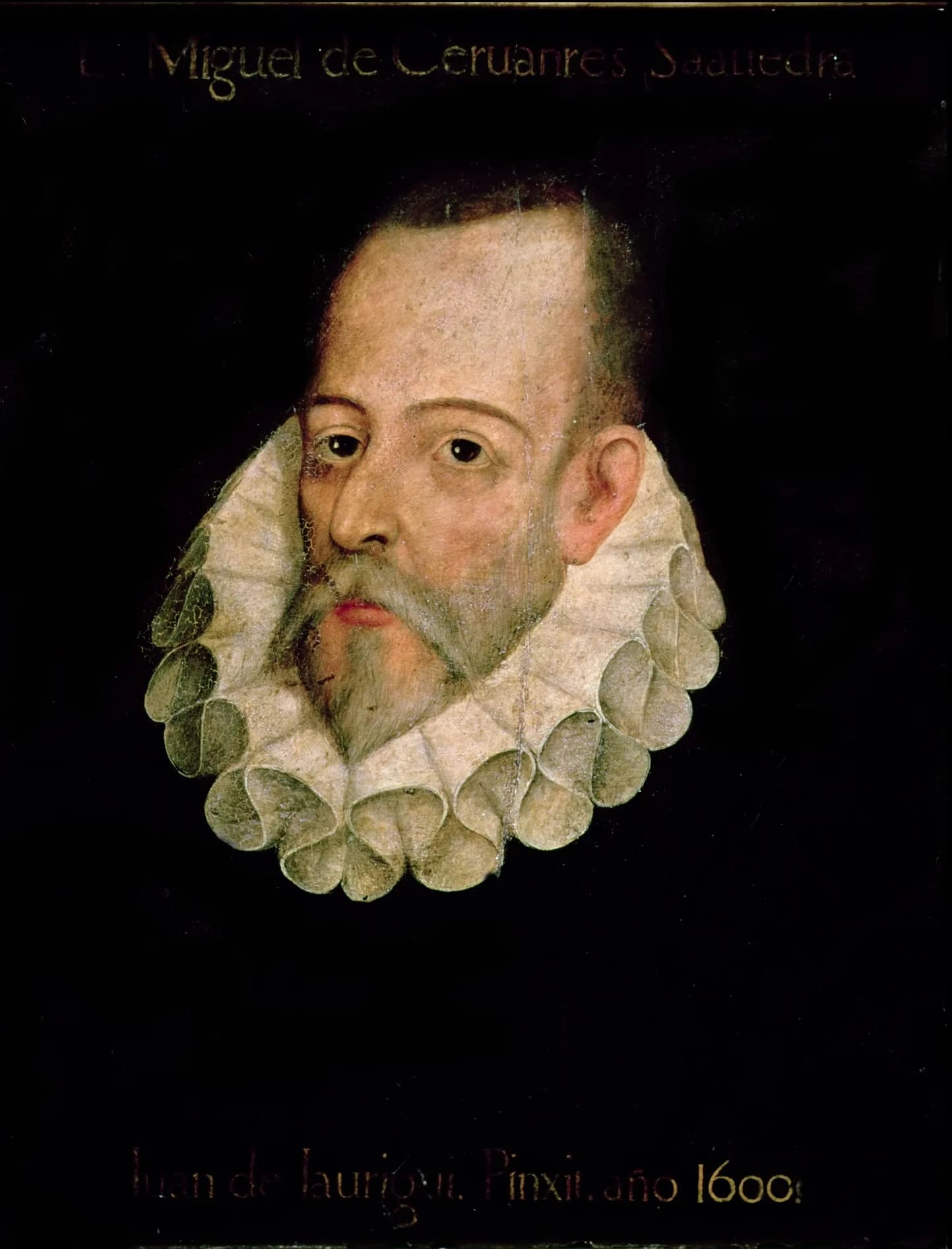
Geboren
October 9, 1547
Alcalá de Henares, Spain
Verstorben
April 22, 1616
Madrid, Spain
Bekannt für
Spanish novelist, poet, and playwright
Miguel de Cervantes (1547–1616) was Spain best known for Spanish novelist, poet, and playwright.
Miguel de Cervantes Saavedra (October 9, 1547 – April 22, 1616) was a Spanish novelist, poet, and playwright. He is celebrated as the author of <em>Don Quixote</em>, a work widely regarded as the first modern novel. His writings continue to influence literature worldwide, cementing his status as a pre-eminent novelist.
Kapitel
Lebenskapitel
Kapitel 1 · 1547· Kapitel 1 von 7
Early Life and Origins
Born on October 9, 1547, in Alcalá de Henares, Spain, Miguel de Cervantes Saavedra began his life during a vibrant period of Spanish history. Details of his formal education are not extensively documented, but his profound literary output clearly demonstrates a deep intellectual curiosity and an engagement with both classical and contemporary thought. His formative years in Spain, amidst a blossoming cultural scene, undoubtedly shaped his worldview and provided a rich source of inspiration for the narratives he would later craft.
Kapitel 2· Kapitel 2 von 7
Career Beginnings
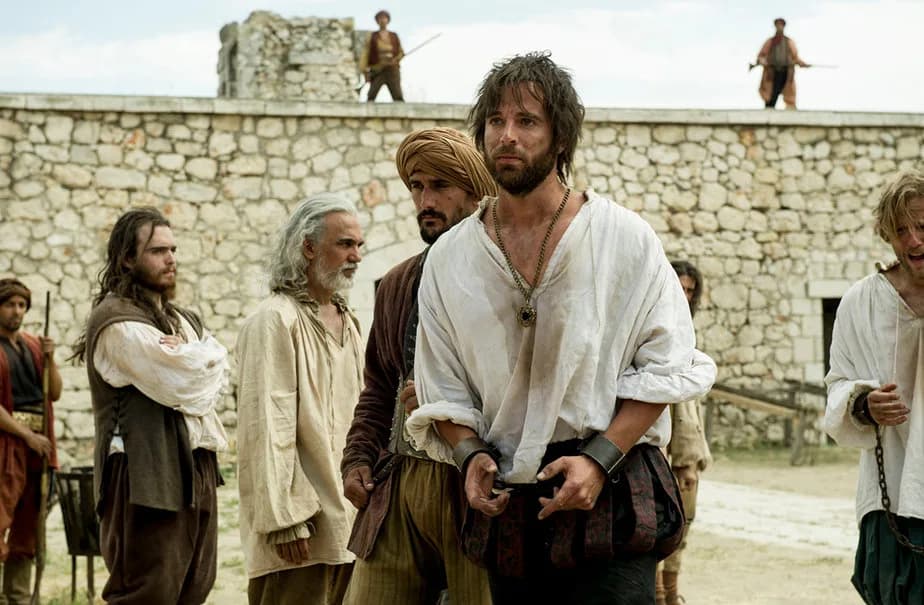
Cervantes' early career path was remarkably diverse, reflecting the dynamic and often challenging times in which he lived. Before achieving widespread recognition as an author, he served with distinction as a soldier, participating in various military campaigns, including naval battles. These experiences as a soldier and a seaman provided him with a unique breadth of firsthand knowledge about different social strata and the complexities of human endeavor. He also held practical administrative positions, working as an accountant and a tax collector, showcasing a pragmatic engagement with the world beyond literary pursuits. His time as a Kammerdiener, or chamberlain, further illustrates his varied professional life.
Kapitel 3 · 1605· Kapitel 3 von 7
Major Achievements and Career Highlights
Miguel de Cervantes' most significant and celebrated achievement is his monumental novel, Don Quixote, published in two parts, with the first appearing in 1605 and the second in 1615. This groundbreaking work instantly established his reputation, earning him widespread acclaim across Europe and solidifying his place in literary history. The novel's innovative narrative style, its blending of realism with idealism, and its complex character portrayals marked a significant departure from earlier literary traditions. Its publication cemented his status as a literary giant, admired by countless authors and scholars, and it is frequently referred to as the "best book of all time" and the "best and most central work in world literature."
Kapitel 4· Kapitel 4 von 7
Personal Life
While specific details about Miguel de Cervantes' personal relationships or family life are not extensively detailed in the provided information, his diverse professions speak volumes about his character and experiences. His roles as a soldier, seaman, accountant, tax collector, and Kammerdiener suggest a life of active involvement across various sectors of society. These experiences undoubtedly broadened his understanding of human nature and society, which he skillfully wove into the intricate fabric of his literary creations. His life was one of constant engagement, moving through different social spheres and gathering the observations that would later inform his genius.
Kapitel 5· Kapitel 5 von 7
Notable Works or Contributions
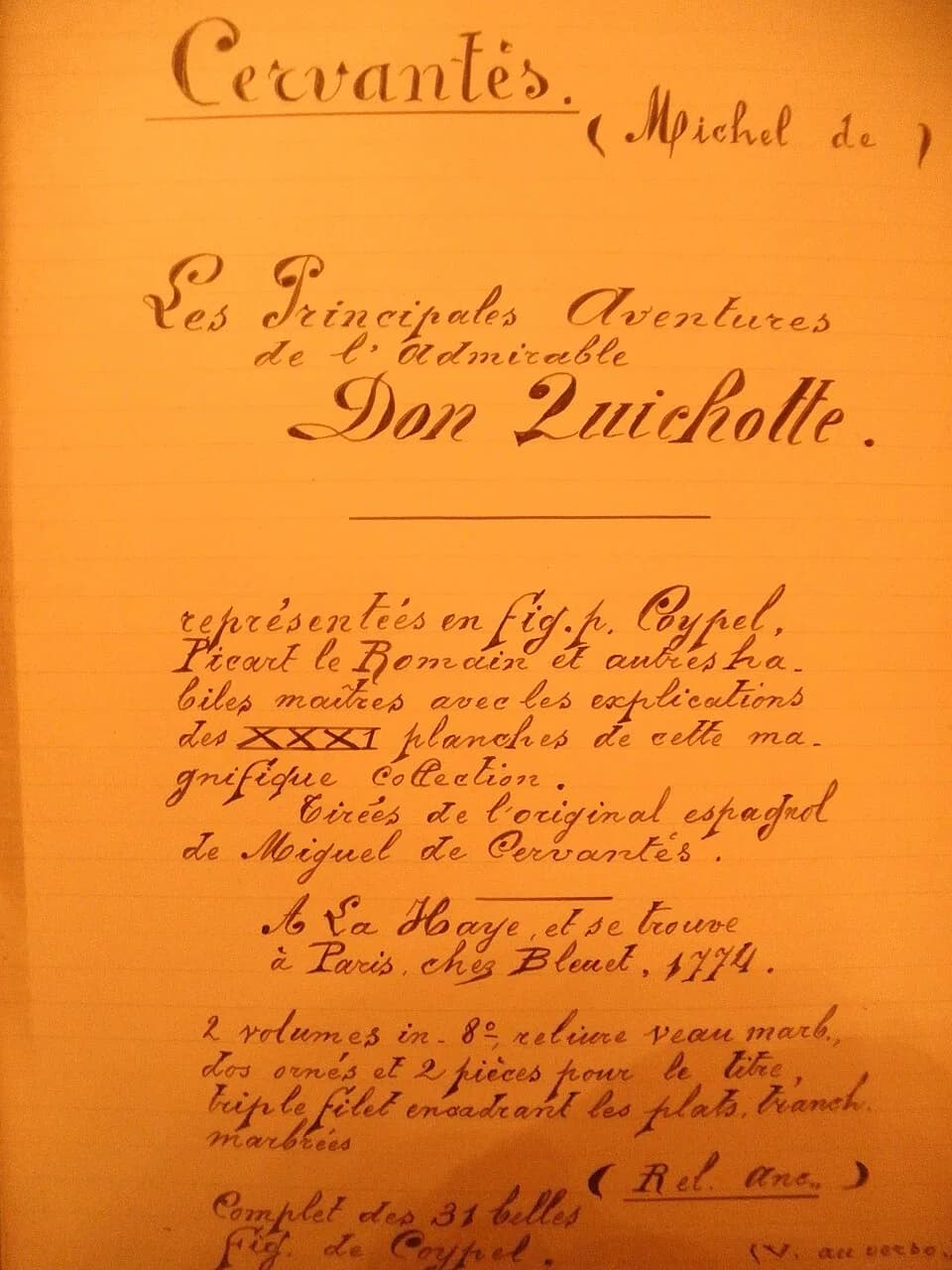
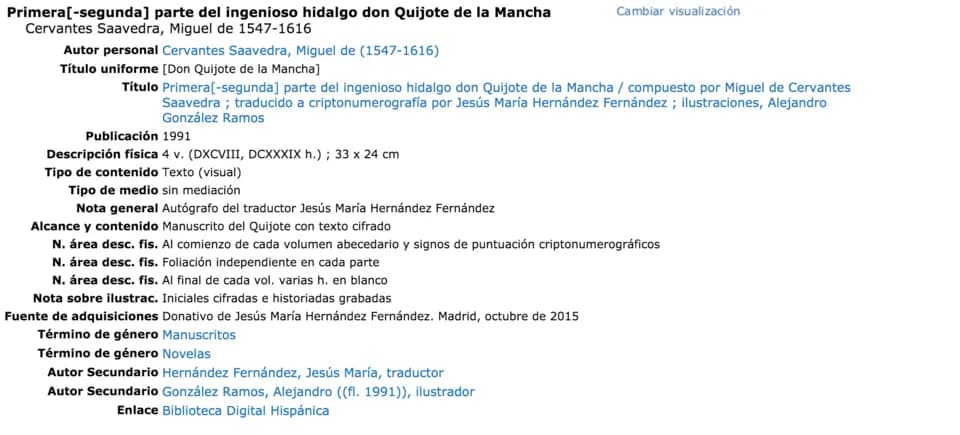
Don Quixote stands as Miguel de Cervantes' towering contribution to world literature. Its enduring popularity is evidenced by the numerous titles and translations available, including The Ingenious Gentleman Don Quixote De La Mancha, Don Quixote Of The Mancha, and El Ingenioso Hidalgo, Don Quijote de la Mancha I (Clasicos Castellanos, 4). Beyond this singular masterpiece, Cervantes was also a prolific poet and playwright, showcasing his versatility as a writer. His bibliography also lists titles such as Don Quijote De La Mancha, Don Quixote, and Aventuras de Don Quijote y Sancho, which further highlight the lasting influence of his primary work. He was also a lyricist, demonstrating a wide array of talents in poetic and dramatic expression.
Kapitel 6 · 1616· Kapitel 6 von 7
Later Years
Following the immense success of Don Quixote, Miguel de Cervantes continued his literary endeavors, further enriching the Spanish literary canon. He spent his final years in Madrid, Spain, where he passed away on April 22, 1616, leaving behind a profound body of work. His continued writing during this period built upon the foundation laid by his most famous novel, ensuring his enduring presence in the literary world. Even in his later life, his dedication to the craft of writing remained steadfast, producing works that cemented his legendary status.
Kapitel 7· Kapitel 7 von 7
Legacy and Impact
Miguel de Cervantes' legacy endures as a cornerstone of Spanish literature and a universal influence on storytelling. He is consistently recognized as the greatest writer in the Spanish language, and his novel Don Quixote transformed the genre, moving it towards greater realism, psychological depth, and satirical commentary. His work has had an unparalleled influence on authors and literary movements across centuries and cultures, inspiring countless interpretations and adaptations. Cervantes remains an unparalleled figure whose literary innovations continue to shape the understanding and appreciation of narrative art across the globe.
Ein Leben in Momenten
Die Momente, die ein Leben prägten
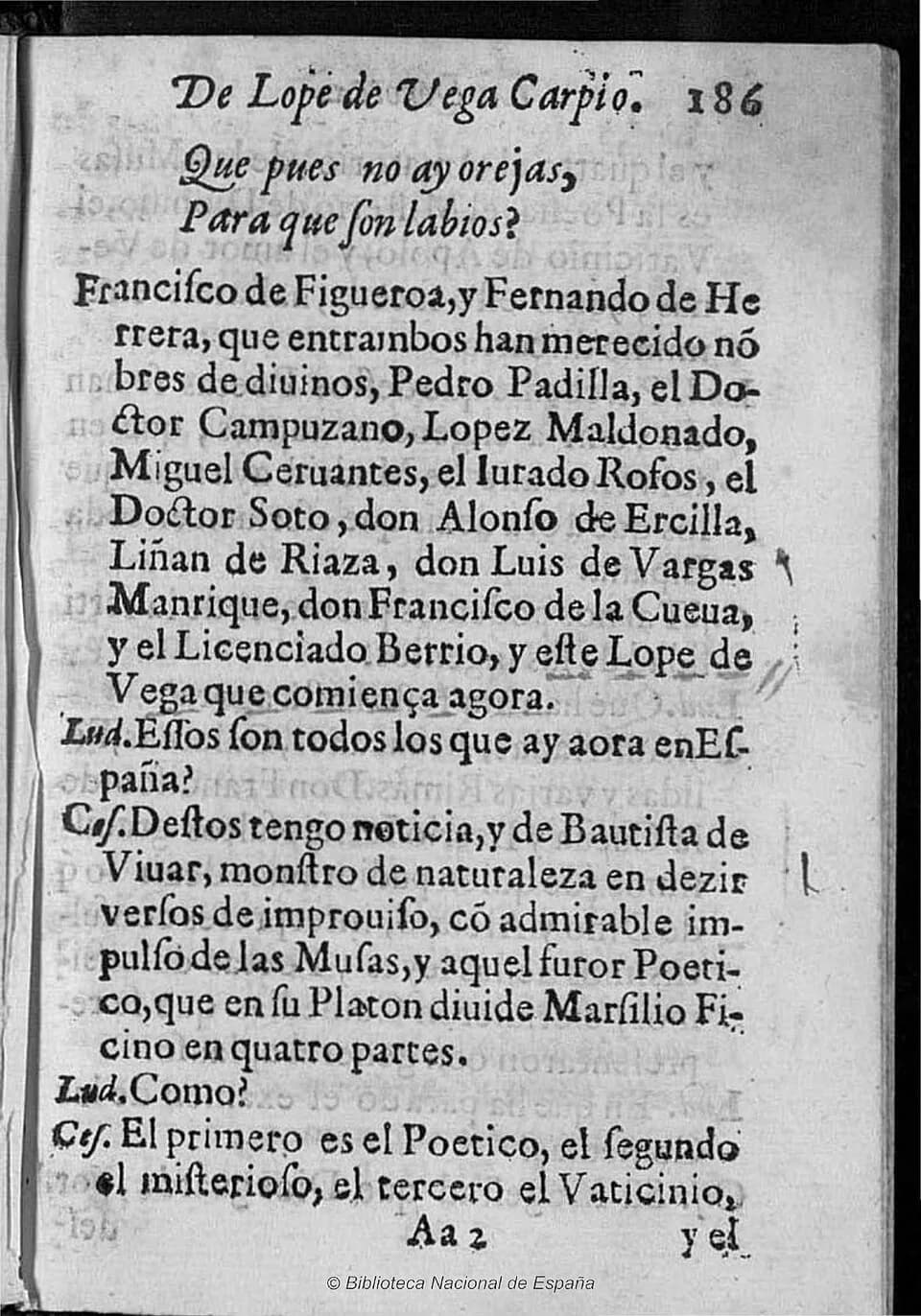
FAQ
Häufig gefragt
Wann starb Miguel de Cervantes?
Miguel de Cervantes starb am 22. April 1616 in Madrid, Spain im Alter von 68 Jahren.
Wo wurde Miguel de Cervantes geboren?
Miguel de Cervantes wurde in Alcalá de Henares, Spain am 9. Oktober 1547 geboren.
Wofür ist Miguel de Cervantes am bekanntesten?
Miguel de Cervantes ist am bekanntesten für Spanish novelist, poet, and playwright.
Wie alt war Miguel de Cervantes beim Tod?
Miguel de Cervantes war zum Zeitpunkt des Todes 68 Jahre alt.
Welche Nationalität hatte Miguel de Cervantes?
Miguel de Cervantes stammte aus Spain.
Zeitlinie
Leben im Überblick
Fotogalerie
Ein Leben in Bildern
Klicken Sie ein Polaroid an, um es zu vergrößern · 25 Fotos
QR-Code
Diese Biografie teilen
Drucken & Teilen
Scannen Sie, um diese Biografieseite zu besuchen. Drucken Sie sie für Veranstaltungen, Ausstellungen oder Lehrmaterialien.