Biografie · French composer and conductor

7 min read · 1,417 words

Maurice Jarre

1924 · 2009

Gelebte Jahre
84
Fotos
16
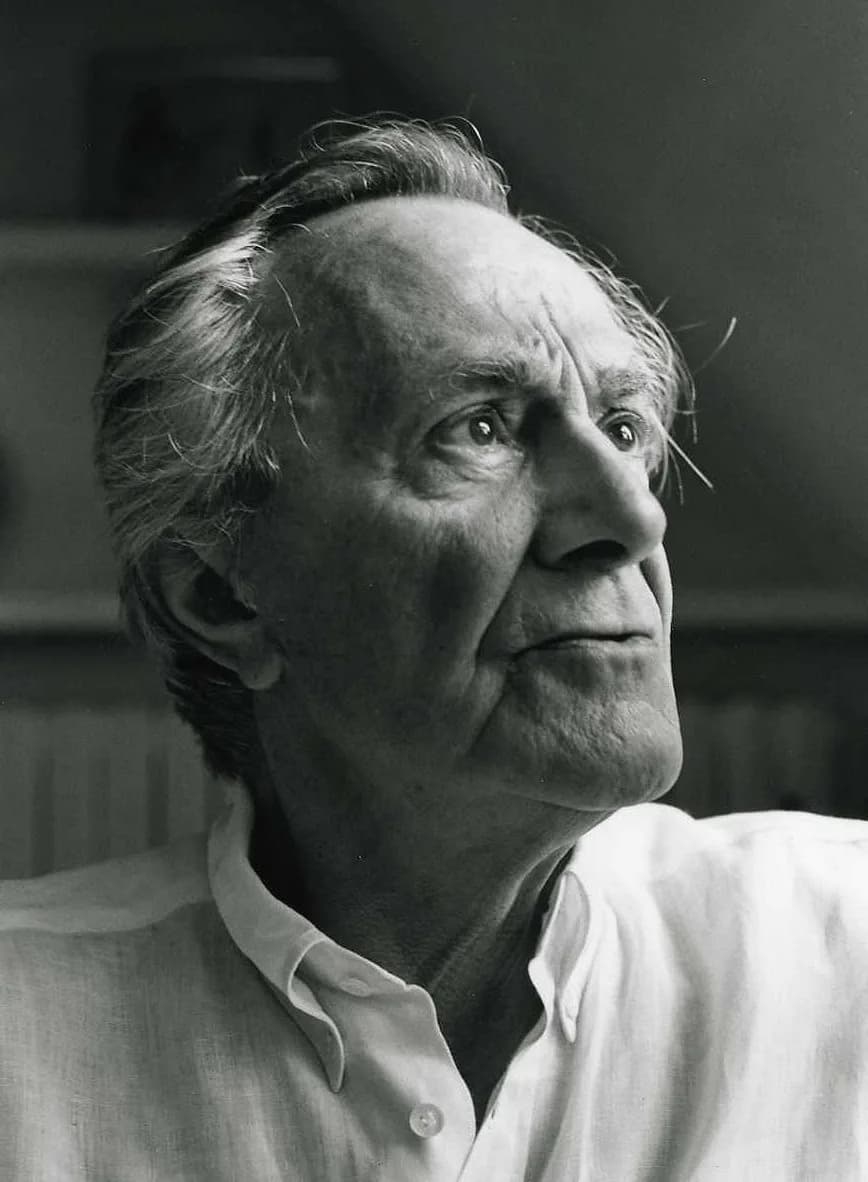
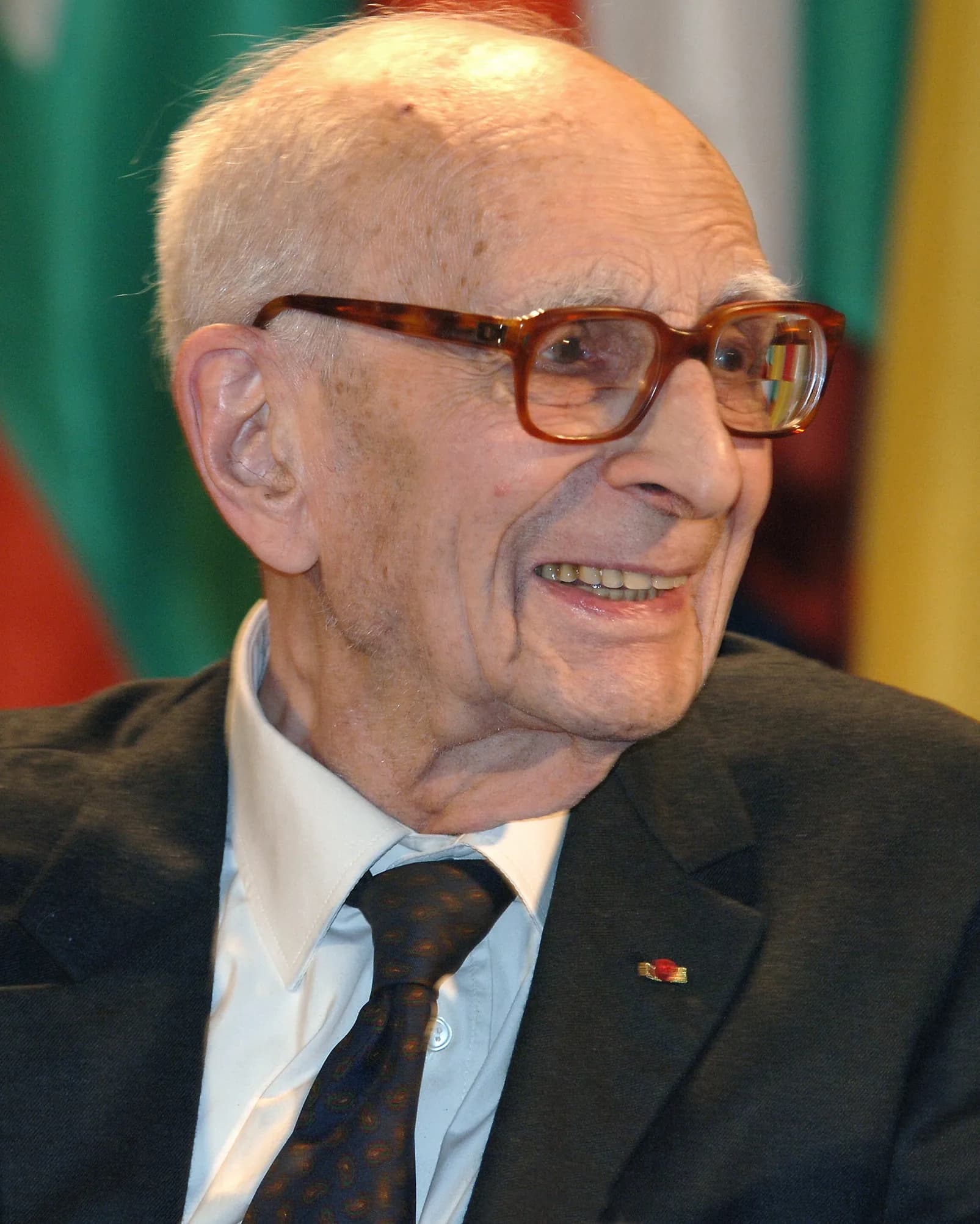
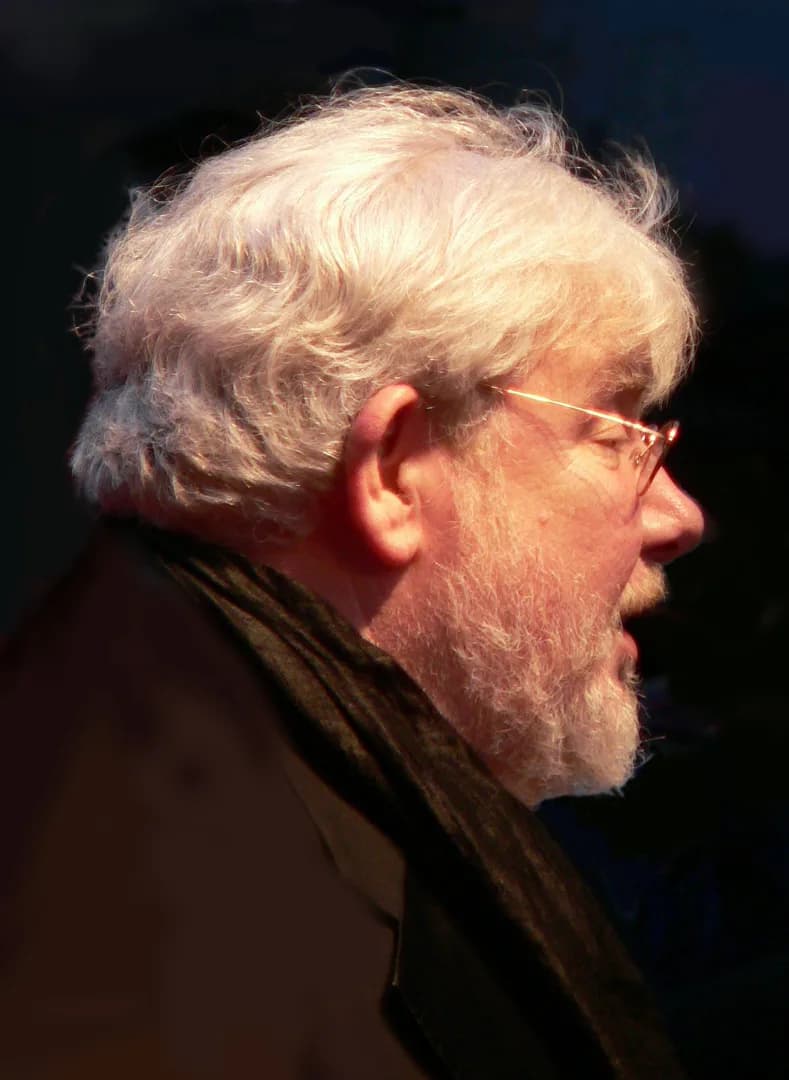
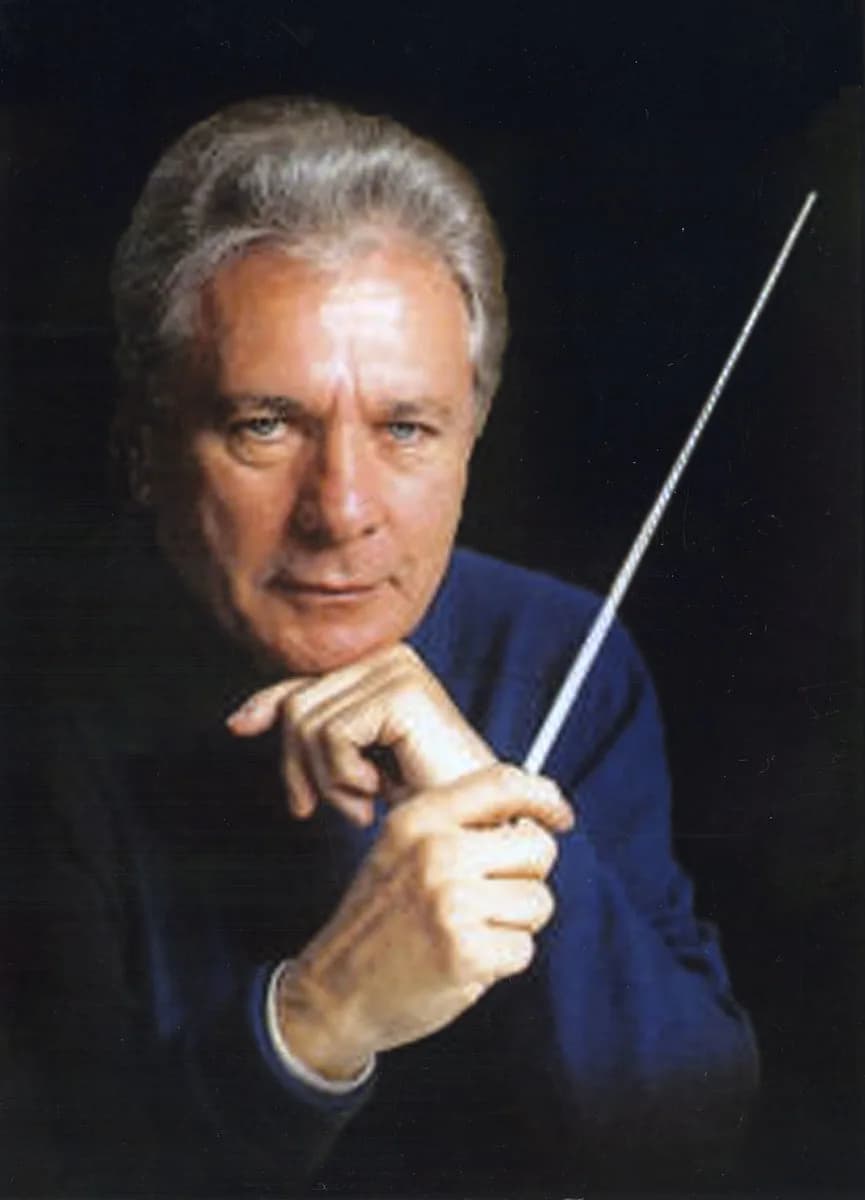
Maurice Jarre portrait

Geboren

September 13, 1924

5th arrondissement of Lyon, France

Verstorben

March 28, 2009

Los Angeles, United States

Bekannt für

French composer and conductor

Maurice Jarre (1924–2009) was France best known for French composer and conductor.

Maurice Jarre (September 13, 1924 – March 28, 2009) was a French composer and conductor from France. He was known for his film scores, particularly his collaborations with director David Lean, earning three Academy Awards and a Grammy. His music continues to define cinematic masterpieces.

Ein Leben in Momenten

Die Momente, die ein Leben prägten
Verfasst in English

Kapitel

Lebenskapitel

Kapitel 1· Kapitel 1 von 7

Opening Paragraph

Maurice Jarre, born Maurice-Alexis Jarre (September 13, 1924 – March 28, 2009), was a distinguished French composer and conductor whose profound influence shaped the sound of cinema. He became a leading figure in film music, crafting iconic scores that imbued cinematic narratives with unforgettable emotional depth and grandeur. His unparalleled ability to seamlessly merge orchestral majesty with deeply moving melodies solidified his position among the most revered figures in the history of film composition. Jarre's creations were not mere accompaniment; they became an integral part of the storytelling, leaving a lasting mark on generations of filmmakers and audiences.

Kapitel 2· Kapitel 2 von 7

Early Life and Origins

Maurice Jarre began his life in the culturally rich 5th arrondissement of Lyon, France, where he was born on September 13, 1924. Growing up in such a historically significant European city undoubtedly provided a fertile environment for his early artistic inclinations and musical development. The distinctive atmosphere of his French birthplace likely played a foundational role in shaping his perspective and informed the sophisticated musical sensibilities he would later bring to his international career. While specific details about his family background or initial educational path are not extensively provided, his origins in France connect him to a country celebrated for its substantial contributions to the arts.

Kapitel 3· Kapitel 3 von 7

Career Beginnings

Jarre meticulously honed his exceptional skills as both a composer and a conductor during his formative years, preparing diligently for a career that would ultimately span many decades. He dedicated himself to mastering the complex intricacies of musical composition and orchestral direction, laying a robust foundation for his future successes. This period of intense development and artistic refinement equipped him with the deep musical knowledge and technical expertise essential for the demanding world of film scoring. His early professional experiences and unwavering commitment to his craft were instrumental in setting him on the path toward global recognition and significant musical achievements.

Kapitel 4· Kapitel 4 von 7

Major Achievements and Career Highlights

Maurice Jarre’s professional path was illuminated by an exceptional array of achievements, especially through his significant contributions to film scores. He forged an particularly renowned and creatively productive partnership with the celebrated film director David Lean, a collaboration that would produce some of cinema's most memorable musical pieces. This artistic alliance saw Jarre compose the complete scores for all of Lean's acclaimed films produced between 1962 and 1984, reflecting a consistent and deep artistic understanding between the two visionaries. Their shared vision resulted in a succession of cinematic and musical triumphs that continue to resonate with audiences.

Throughout his distinguished career, Maurice Jarre garnered a truly exceptional collection of accolades, each one speaking to his consistent artistic excellence and the deep resonance of his music. He was honored with three prestigious Academy Awards, widely recognized as the peak of achievement in the international film industry, specifically acknowledging his outstanding and innovative contributions to cinematic music. These highly coveted awards unmistakably highlighted the immense respect and deep admiration his meticulously crafted scores commanded from his peers and the global film community. Such recognition solidified his status as a master composer on the world stage.

Beyond the celebrated Academy Awards, Jarre’s exceptional talent was further acknowledged with three BAFTA Awards, prestigious honors that recognize excellence in British and international film. His distinctive musical voice also earned him four Golden Globe Awards, significant recognitions honoring outstanding achievements across both film and television. Additionally, he was the recipient of a Grammy Award, a highly esteemed accolade that celebrated his noteworthy contributions to recorded music and his impactful presence in the broader music industry. These numerous and varied awards collectively illustrate a composer whose work consistently achieved high levels of artistic brilliance and critical adoration across multiple platforms.

Kapitel 5· Kapitel 5 von 7

Notable Works or Contributions

Maurice Jarre’s extensive discography showcases an impressive catalog of iconic works that profoundly resonated with audiences across the globe. Among his most celebrated contributions is the magnificent score for "Lawrence of Arabia," a masterpiece from 1962, which earned him his first Academy Award and is now represented in a 1989 discography collection. This monumental work brilliantly demonstrated his unique ability to construct sweeping, unforgettable orchestral themes that perfectly complemented the epic scale and profound dramatic narratives of grand cinematic storytelling. The score's evocative desert motifs and powerful brass arrangements became synonymous with the film's vast settings and heroic journey.

His compositional genius is further exemplified in dedicated collections such as "Jarre by Jarre" (1987) and "Lean By Jarre" (1992), which offer meticulously curated selections of his most acclaimed film music. The "Lean By Jarre" compilation is particularly significant as it directly spotlights his long-standing and creatively productive collaboration with director David Lean, bringing together the musical output of their extraordinary shared artistic vision. These thoughtfully assembled compilations provided listeners with invaluable opportunities to appreciate the immense breadth, deep richness, and lasting influence of his unique artistic creations across a diverse range of cinematic projects. Each track highlights his distinctive voice and ability to craft memorable sonic worlds.

Further elaborating on his rich and varied body of work, "The Essential Maurice Jarre Film Music Collection: Dr. Zhivago and Other Classical Themes" (2000) offered a detailed retrospective of his celebrated scores, prominently featuring the unforgettable music for "Doctor Zhivago." This particular film score, released originally in 1965, is frequently lauded as one of the most romantic, emotionally resonant, and enduring scores in the entire history of cinema, earning him another well-deserved Academy Award. His significant work on critically acclaimed films such as "Dead Poets Society" and "The Year of Living Dangerously" is also prominently featured in discography entries from 1990, demonstrating his consistent demand and continued relevance across a wide spectrum of diverse film genres and narrative styles.

The scope of his work is further highlighted by recordings like "Doctor Zhivago & Ryan's Daughter" (1989), showcasing two of his most beloved collaborations with David Lean. Similarly, compilations such as "Dead Poets Society / Witness / The Mosquito Coast / The Year of Living Dangerously" (1990) effectively illustrate his versatility in scoring various dramatic and adventurous narratives. These collections not only celebrated his known achievements but also introduced his music to new generations of film enthusiasts. His ability to craft unique soundscapes for each film solidified his status as a master storyteller through music.

Kapitel 6· Kapitel 6 von 7

Later Years

As Maurice Jarre continued his illustrious and highly prolific career, he maintained an unwavering commitment to both composing and conducting, consistently exploring new musical expressions. The inclusion of his contributions in albums like "Hans Rosbaud conducts French Music" (released in 2022, featuring earlier recordings) subtly points to his deeper classical roots and his lasting presence beyond film. This further affirms his versatility and enduring appeal within the global music community. He remained a dedicated and active creative force, never ceasing to contribute to the world of music.

His final years were spent in Los Angeles, United States, a global center of the film industry, where he passed away on March 28, 2009. This significant geographical transition from his initial French origins to a prominent hub of international cinema in the United States vividly illustrates the global reach and universal impact of his extraordinary musical genius. Until his passing, he remained an exceptionally active and deeply revered figure, continuing to shape the world of music with his profound talent and distinctive artistic vision. His presence in Los Angeles highlighted his international standing and influence.

Kapitel 7· Kapitel 7 von 7

Legacy and Impact

Maurice Jarre’s profound legacy is irrefutably established through his extraordinary contributions to film music and his extensive, influential body of work as both a distinguished composer and a masterful conductor. He was not merely a composer of background scores; rather, he meticulously crafted the emotional core and heartbeat of films, actively elevating narrative arcs and giving cinematic scenes unforgettable depth and emotional resonance. His immediately recognizable and distinctive stylistic approach, coupled with the deep emotionality embedded in his compositions, continues to profoundly inspire and guide new generations of aspiring film composers and musicians alike.

Through his consistent pursuit of musical innovation, his unwavering artistic integrity, and his deeply memorable collaborations—most notably his legendary partnership with David Lean—Jarre established an exceptionally high and lasting standard for cinematic musical artistry. His impressive array of numerous awards, prominently featuring three coveted Academy Awards, serves as a clear and powerful illustration of his lasting excellence and the deep, universal resonance his melodies had on both global audiences and discerning critics. Maurice Jarre’s timeless music ensures that his creative spirit, unparalleled genius, and artistic vision will continue to resonate powerfully throughout the world of cinema for many decades to come, ensuring his place in history.

FAQ

Häufig gefragt

  • Wann starb Maurice Jarre?

    Maurice Jarre starb am 28. März 2009 in Los Angeles, United States im Alter von 84 Jahren.

  • Wo wurde Maurice Jarre geboren?

    Maurice Jarre wurde in 5th arrondissement of Lyon, France am 13. September 1924 geboren.

  • Wofür ist Maurice Jarre am bekanntesten?

    Maurice Jarre ist am bekanntesten für French composer and conductor.

  • Wie alt war Maurice Jarre beim Tod?

    Maurice Jarre war zum Zeitpunkt des Todes 84 Jahre alt.

  • Welche Nationalität hatte Maurice Jarre?

    Maurice Jarre stammte aus France.

Fotogalerie

Ein Leben in Bildern

Klicken Sie ein Polaroid an, um es zu vergrößern · 13 Fotos

QR-Code

Diese Biografie teilen

Drucken & Teilen

Scannen Sie, um diese Biografieseite zu besuchen. Drucken Sie sie für Veranstaltungen, Ausstellungen oder Lehrmaterialien.