Geboren
March 15, 1930
Vienna, Austria
Verstorben
December 28, 2024
Cambridge, United States
Bekannt für
Austrian-born American theoretical chemist
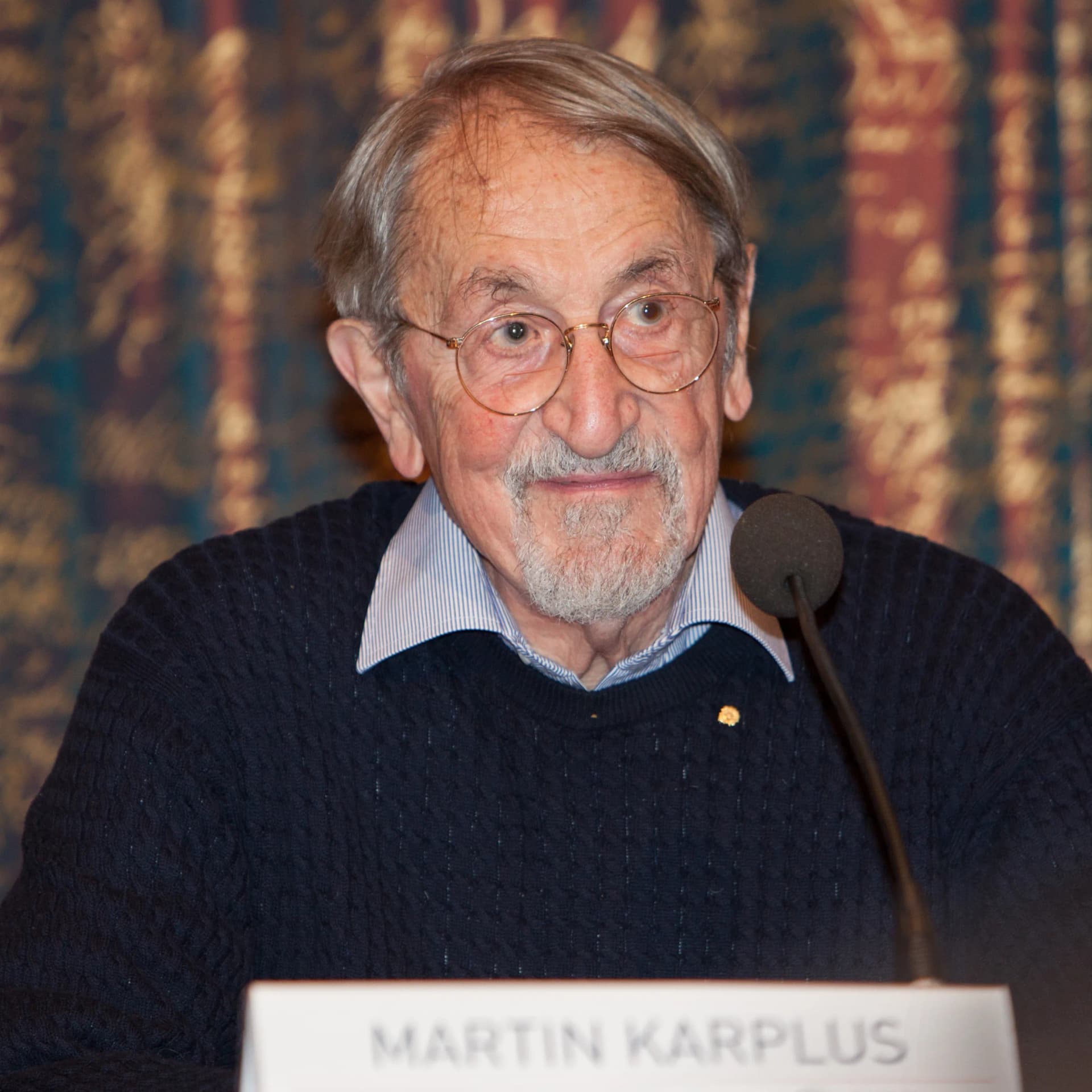
Martin Karplus (1930–2024) was Austria best known for Austrian-born American theoretical chemist.
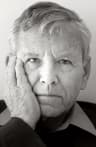
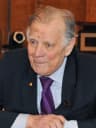
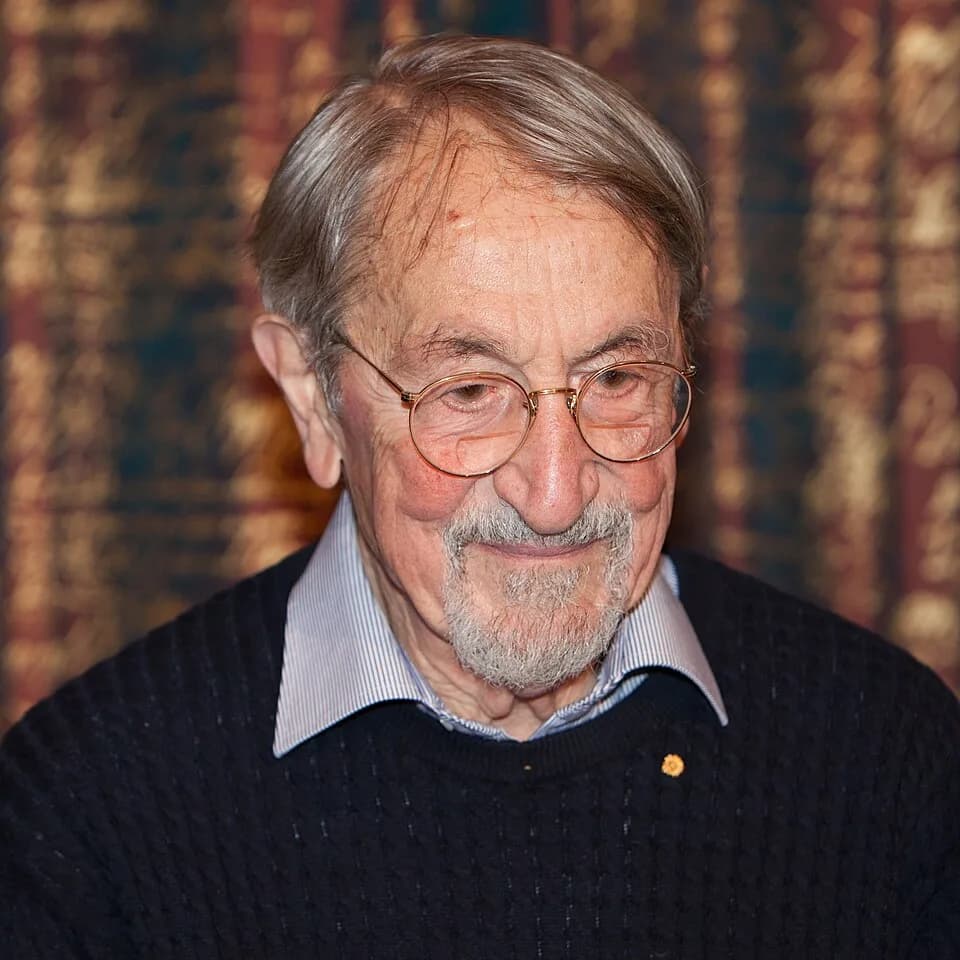
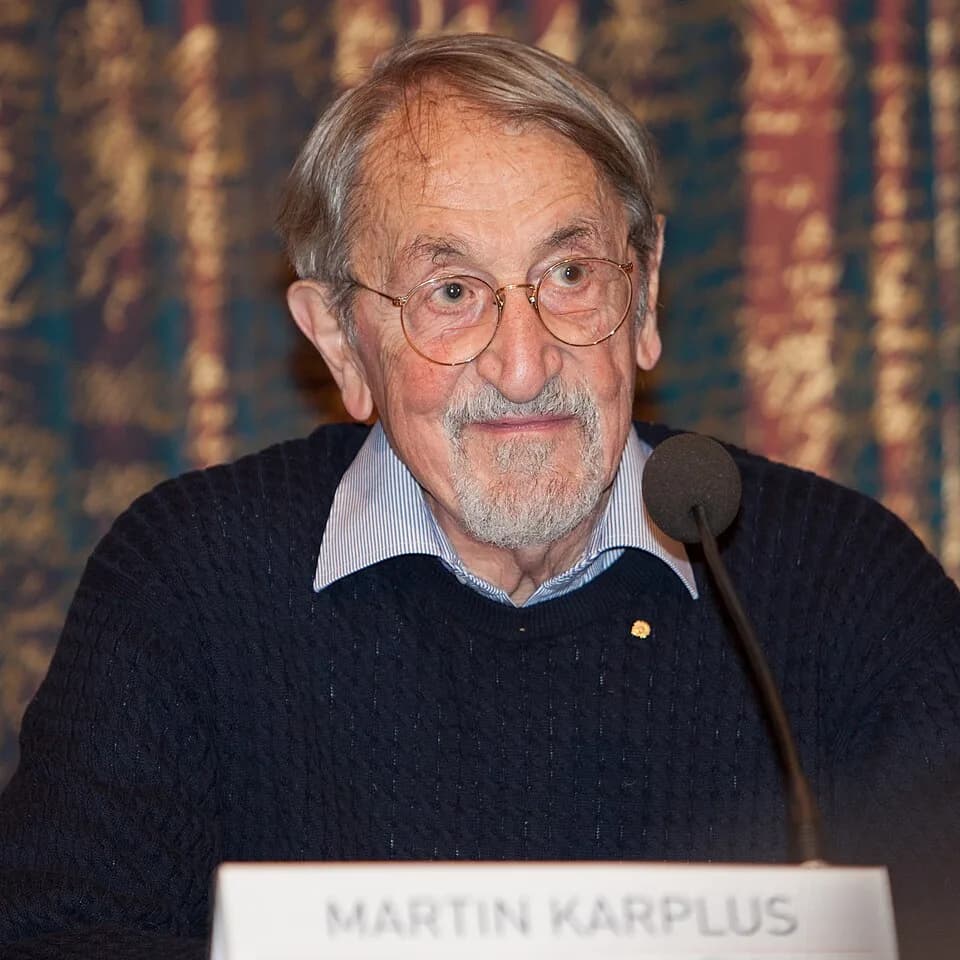
Martin Karplus (March 15, 1930 – December 28, 2024) was an Austrian-born American theoretical chemist. He received the 2013 Nobel Prize in Chemistry for his work on multiscale models for complex chemical systems. His research significantly advanced the understanding of chemical processes.
Kapitel
Lebenskapitel
Kapitel 1 · 1930· Kapitel 1 von 7
Early Life and Origins
Martin Karplus was born on March 15, 1930, in Vienna, Austria. His early life in his native Vienna set the foundation for a distinguished academic journey. He later embraced American citizenship, combining his European heritage with a notable career in the United States.
Kapitel 2· Kapitel 2 von 7
Career Beginnings
Karplus quickly established himself as a dedicated scientist and chemist, beginning his career as a university teacher. He eventually became the Theodore William Richards Professor of Chemistry at Harvard University. His initial work paved the way for his later theoretical chemistry breakthroughs and research.
Kapitel 3 · 2013· Kapitel 3 von 7
Major Achievements and Career Highlights
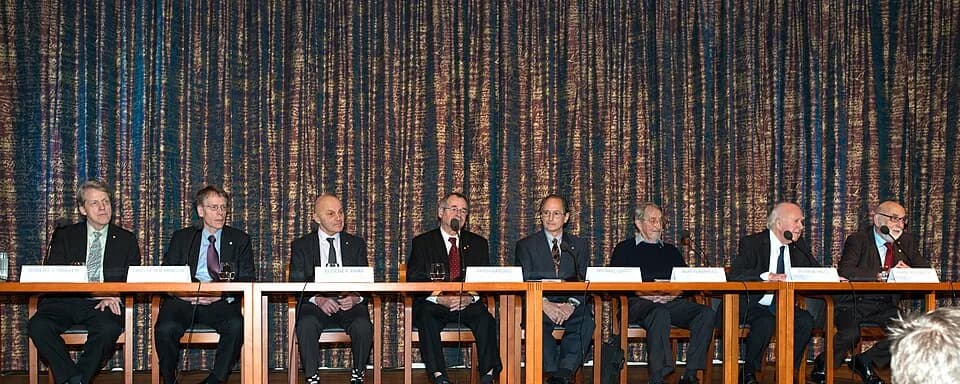
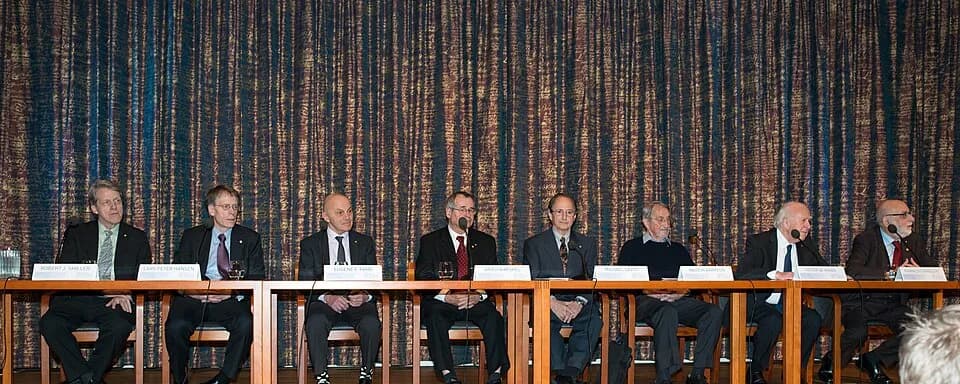
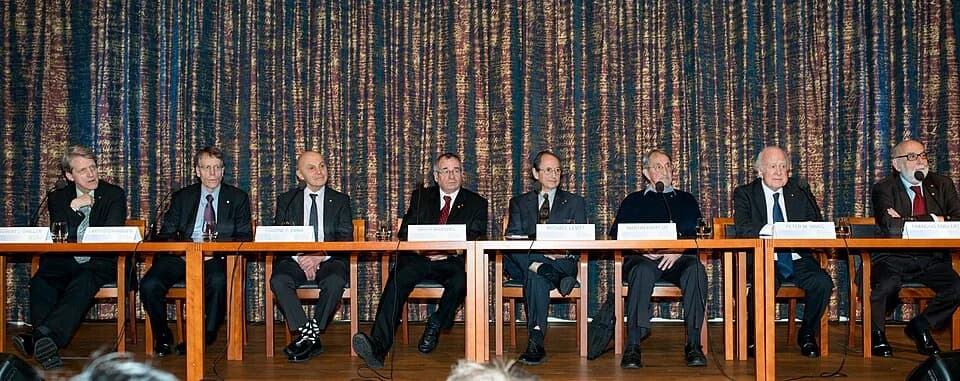
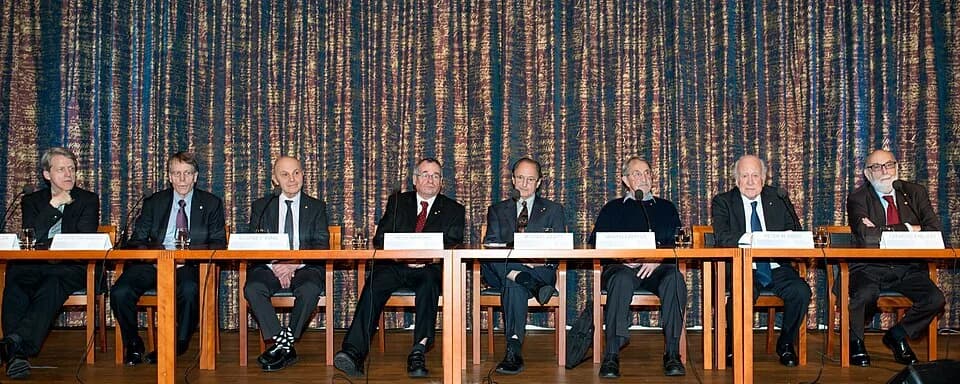
A crowning achievement in Martin Karplus's career was the reception of the 2013 Nobel Prize in Chemistry. He shared this prestigious honor with fellow scientists Michael Levitt and Arieh Warshel. The Nobel Committee specifically acknowledged his instrumental work on "the development of multiscale models for complex chemical systems." Beyond his Harvard tenure, he also directed the Biophysical Chemistry Laboratory, a collaborative effort between the French National Center for Scientific Research and the University of Strasbourg, France.
Kapitel 4· Kapitel 4 von 7
Personal Life
The available information does not provide details about Martin Karplus's personal life, family, relationships, or specific avocations outside of his professional endeavors. His dedication to scientific research and academia remained a central aspect of his public identity. His focus was consistently on advancing the field of theoretical chemistry.
Kapitel 5 · 1999· Kapitel 5 von 7
Notable Works or Contributions
Martin Karplus maintained a robust academic publication record, evidenced by an h-index of 46 and a body of 60 papers. Among his most frequently cited works is "Understanding beta-hairpin formation" from 1999, which amassed 268 citations. His 2001 paper, "Uracil-DNA glycosylase acts by substrate autocatalysis," was cited 199 times, demonstrating its impact. Other key works include "Structural details of urea binding to barnase: a molecular dynamics analysis" (1999, 108 citations) and "Binding free energies and free energy components from molecular dynamics and Poisson-Boltzmann calculations. Application to amino acid recognition by aspartyl-tRNA synthetase" (2001, 96 citations). Additionally, his 1999 publication, "Is protein unfolding the reverse of protein folding? A lattice simulation analysis," received 83 citations, further illustrating his significant contributions to the field.
Kapitel 6 · 2024· Kapitel 6 von 7
Later Years
Martin Karplus continued his academic and research activities actively into his later years. He passed away on December 28, 2024, in Cambridge, United States, concluding a long and influential career. His scientific contributions, including those recognized by the Nobel Prize in Chemistry in 2013, continued to resonate in the scientific community.
Kapitel 7· Kapitel 7 von 7
Legacy and Impact
Martin Karplus leaves behind a lasting legacy in theoretical chemistry, primarily through his pioneering work in developing multiscale models. These models offered new avenues for understanding and simulating intricate chemical systems. His leadership as the Theodore William Richards Professor of Chemistry at Harvard University and as a laboratory director inspired and educated many future scientists. His foundational research continues to serve as a cornerstone in the ongoing advancement of chemistry.
Ein Leben in Momenten
Die Momente, die ein Leben prägten
FAQ
Häufig gefragt
Wann starb Martin Karplus?
Martin Karplus starb am 28. Dezember 2024 in Cambridge, United States im Alter von 94 Jahren.
Wo wurde Martin Karplus geboren?
Martin Karplus wurde in Vienna, Austria am 15. März 1930 geboren.
Wofür ist Martin Karplus am bekanntesten?
Martin Karplus ist am bekanntesten für Austrian-born American theoretical chemist.
Wie alt war Martin Karplus beim Tod?
Martin Karplus war zum Zeitpunkt des Todes 94 Jahre alt.
Welche Nationalität hatte Martin Karplus?
Martin Karplus stammte aus Austria.
Zeitlinie
Leben im Überblick
Fotogalerie
Ein Leben in Bildern
Klicken Sie ein Polaroid an, um es zu vergrößern · 25 Fotos
QR-Code
Diese Biografie teilen
Drucken & Teilen
Scannen Sie, um diese Biografieseite zu besuchen. Drucken Sie sie für Veranstaltungen, Ausstellungen oder Lehrmaterialien.