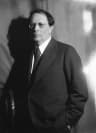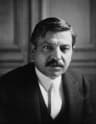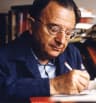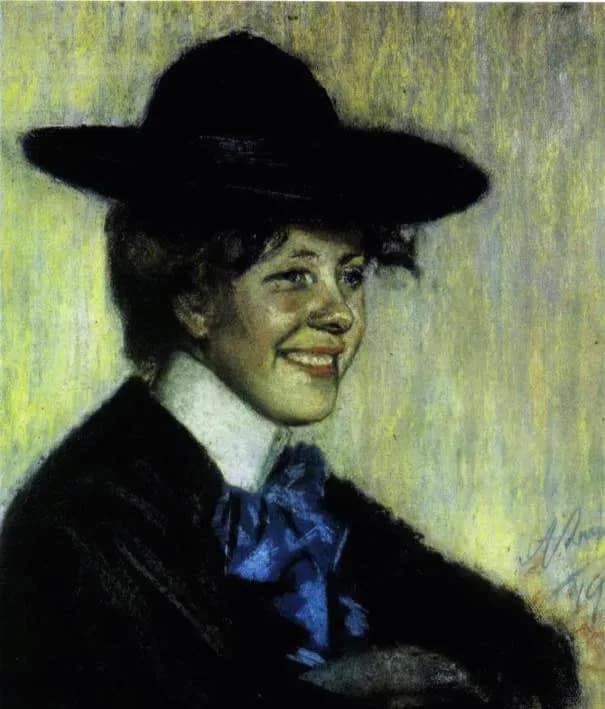
Geboren
March 27, 1883
Tallinn, Estonia
Verstorben
September 25, 1980
Stockholm, Sweden
Bekannt für
Estonian poet
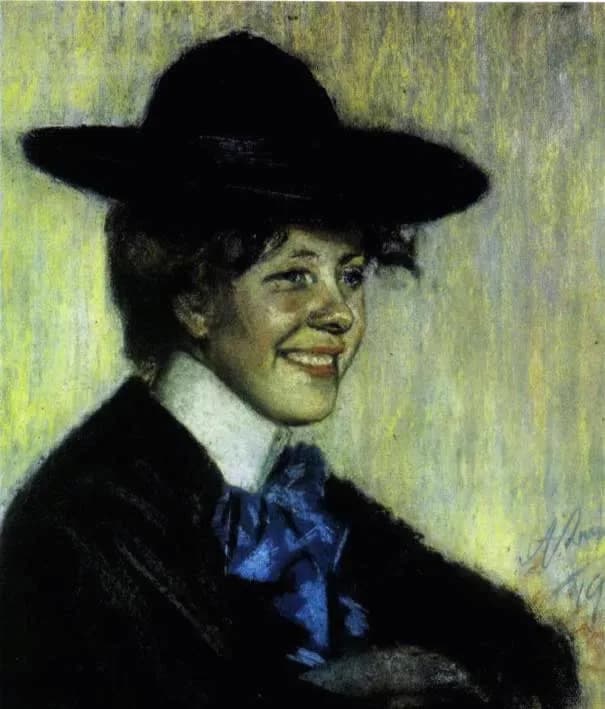
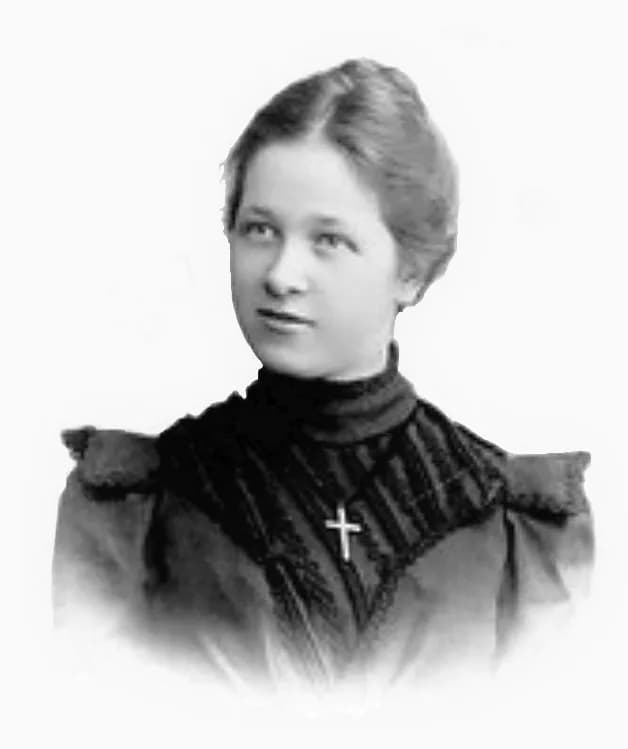
Marie Under (1883–1980) was Estonia best known for Estonian poet.
Marie Under (March 27, 1883 – September 25, 1980) was a renowned Estonian poet. She was a prolific writer, translator, and journalist, notably nominated for the Nobel Prize in Literature 16 times. Her contributions significantly shaped Estonian literature.
Kapitel
Lebenskapitel
Kapitel 1· Kapitel 1 von 5
Career Beginnings
Marie Under began her professional life through various literary pursuits, establishing herself as a writer. Her early endeavors in poetry quickly gained attention within Estonian literary circles. These initial works laid the groundwork for the more extensive collections and translations that would follow.
Beyond poetry, she also engaged in journalism, providing her with a platform for broader communication. Her work as an archivist suggests a methodical engagement with historical and cultural documents. Such diverse professional experiences enriched her understanding of language and society, informing her creative output.
Kapitel 2· Kapitel 2 von 5
Major Achievements and Career Highlights
Marie Under's career was marked by extraordinary recognition, most notably her repeated nominations for the Nobel Prize in Literature. She was nominated an impressive 16 times over 15 separate years. This consistent acknowledgment from the Nobel Committee speaks volumes about her sustained international standing and the perceived quality of her literary work.
Her prolific output as an Estonian poet brought her widespread acclaim throughout her lifetime. She skillfully navigated the complexities of language and emotion across a diverse body of work. This sustained creativity and critical success positioned her as a central figure in Estonian culture and beyond.
Her role extended beyond merely writing; she was a significant translator, bridging linguistic and cultural divides for her readers. This dedication to introducing other literary voices to Estonian audiences, and vice-versa, further cemented her importance. Her work as a journalist also allowed her to engage directly with contemporary issues, showcasing another dimension of her intellectual capabilities.
Kapitel 3· Kapitel 3 von 5
Notable Works or Contributions
Marie Under’s bibliography includes a rich array of poetic collections that resonated deeply with readers. Works such as "Reekviem" and "Predt︠s︡vi︠e︡tenʹe" are prominent examples of her lyrical expression. These titles demonstrate her mastery of verse and her ability to evoke powerful emotions.
Her collections, including "Puutarhan syksy," "Stikhotvorenii︠a︡," and "Armastusest," further illustrate the breadth of her thematic concerns. These works touched upon themes of love, nature, and the human condition. They offered her audience profound reflections on life's experiences.
Other significant contributions like "Lauluga ristitud," "Talv," "Marie Underi eluraamat," "Kevad," and "Child of man" showcase her continuous exploration of different poetic forms and subjects. Her comprehensive body of work firmly established her as a defining voice in Estonian poetry. These pieces represent a consistent and evolving artistic vision throughout her long career.
Kapitel 4 · 1980· Kapitel 4 von 5
Later Years
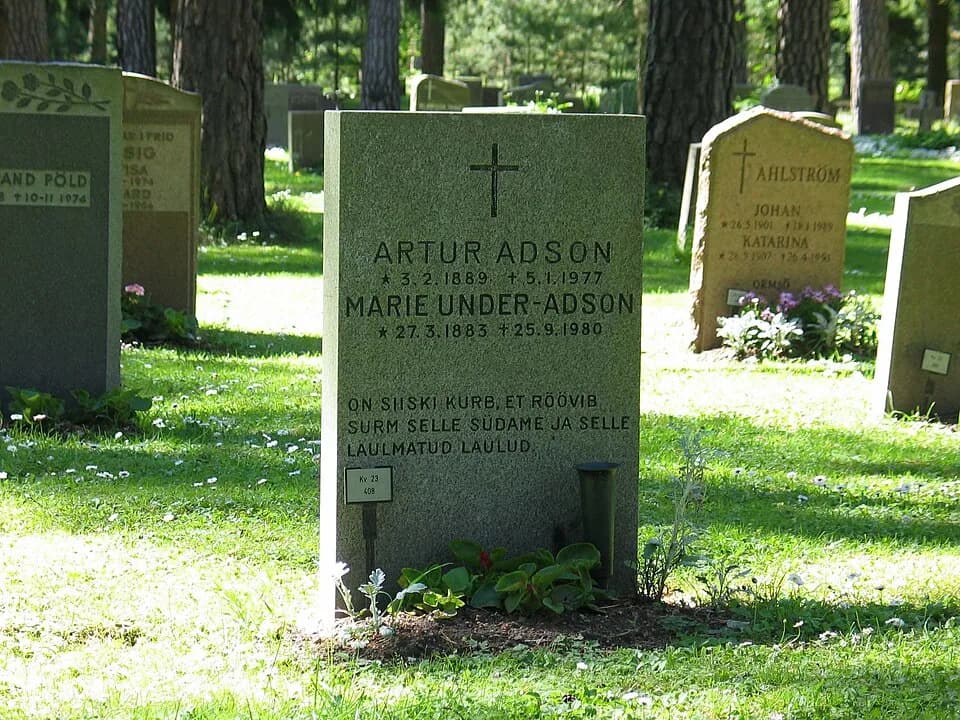
In her later years, Marie Under continued to live a life deeply connected to literature, even after relocating to Stockholm, Sweden. Her passing in Stockholm on September 25, 1980, marked the end of an era for Estonian letters. Despite the change in residence, her dedication to her craft remained steadfast.
Her final decades were characterized by the enduring respect and admiration of her peers and readers. The sustained recognition, including her numerous Nobel Prize nominations, continued well into her advanced age. She remained an active and revered figure in the literary world until her death.
Kapitel 5· Kapitel 5 von 5
Legacy and Impact
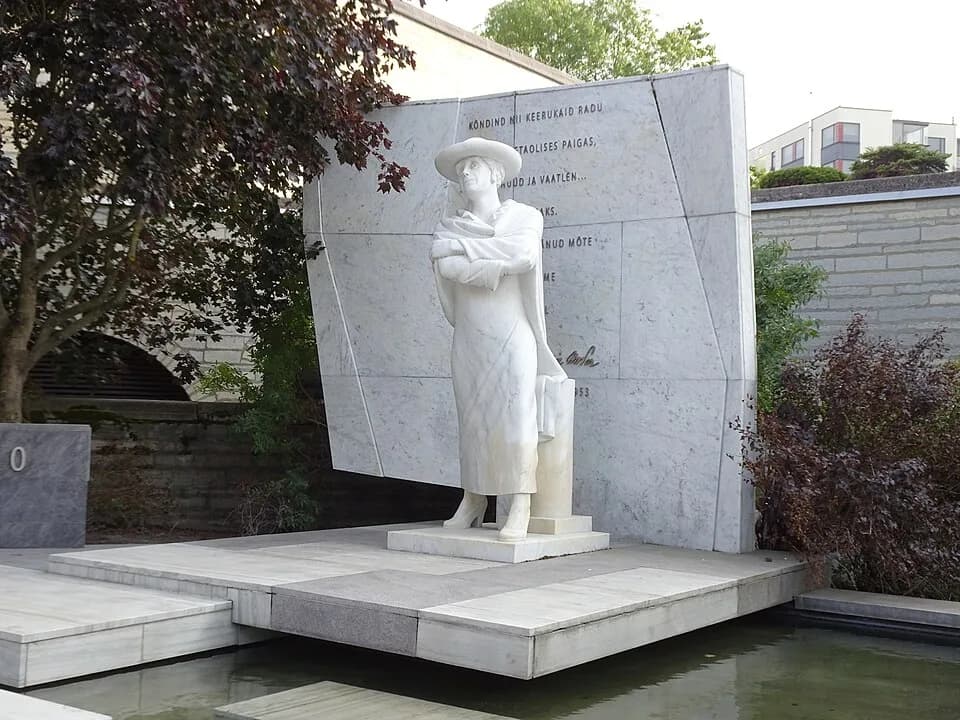
Marie Under's enduring legacy is firmly rooted in her profound influence on Estonian poetry. Her distinctive voice and extensive body of work continue to inspire generations of writers and readers. She not only enriched the literary landscape but also helped to define it for much of the 20th century.
Her persistent nominations for the Nobel Prize in Literature highlight her lasting international renown and the universal appeal of her poetry. Under's work as a translator and journalist broadened her impact beyond creative writing, connecting Estonian culture with global literary currents. Her life and achievements stand as a testament to the power of language and artistic dedication.
Ein Leben in Momenten
Die Momente, die ein Leben prägten
FAQ
Häufig gefragt
Wann starb Marie Under?
Marie Under starb am 25. September 1980 in Stockholm, Sweden im Alter von 97 Jahren.
Wo wurde Marie Under geboren?
Marie Under wurde in Tallinn, Estonia am 27. März 1883 geboren.
Wofür ist Marie Under am bekanntesten?
Marie Under ist am bekanntesten für Estonian poet.
Wie alt war Marie Under beim Tod?
Marie Under war zum Zeitpunkt des Todes 97 Jahre alt.
Welche Nationalität hatte Marie Under?
Marie Under stammte aus Estonia.
Zeitlinie
Leben im Überblick
- 1980
Later Years
Fotogalerie
Ein Leben in Bildern
Klicken Sie ein Polaroid an, um es zu vergrößern · 22 Fotos
QR-Code
Diese Biografie teilen
Drucken & Teilen
Scannen Sie, um diese Biografieseite zu besuchen. Drucken Sie sie für Veranstaltungen, Ausstellungen oder Lehrmaterialien.