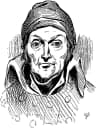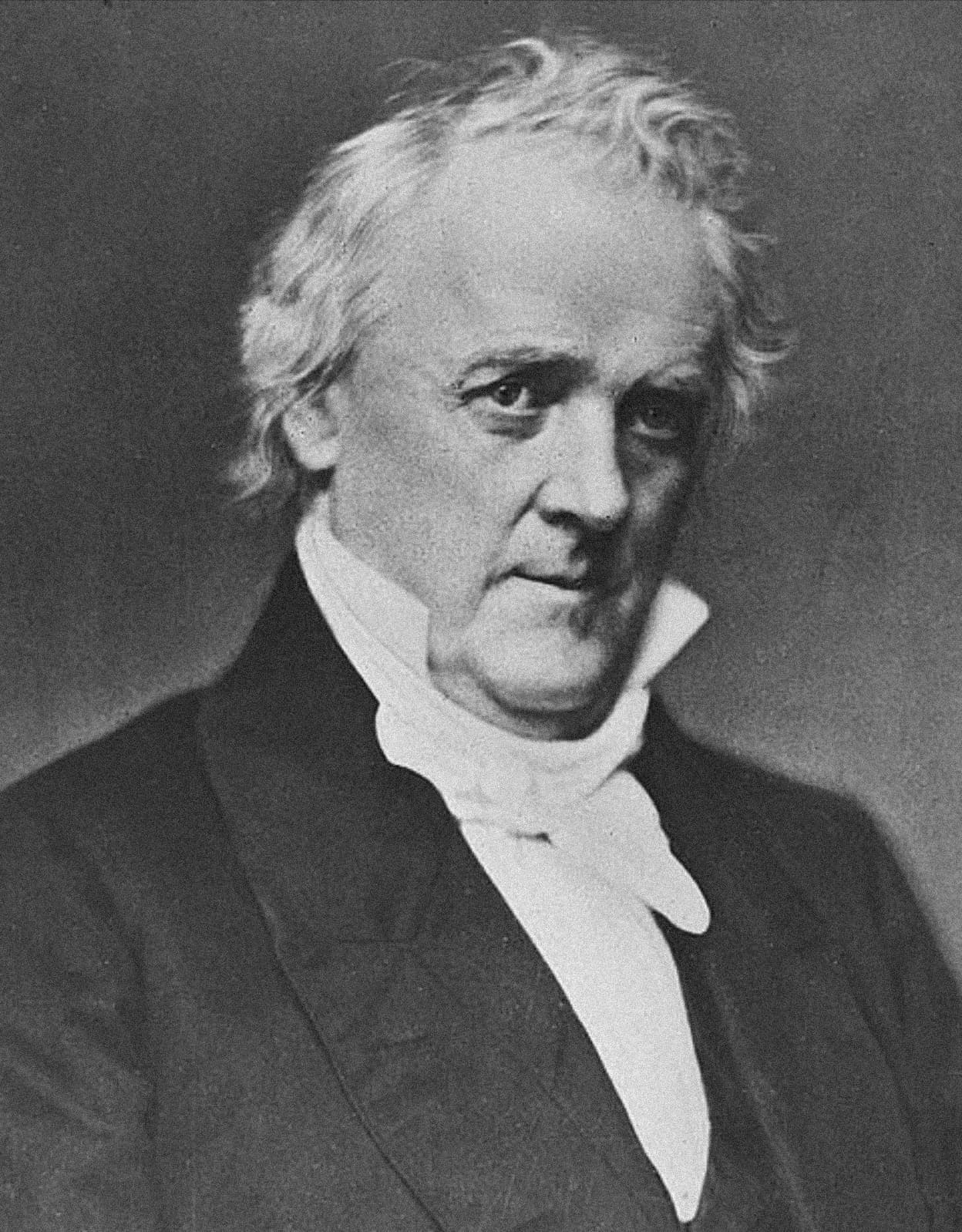
Geboren
April 23, 1791
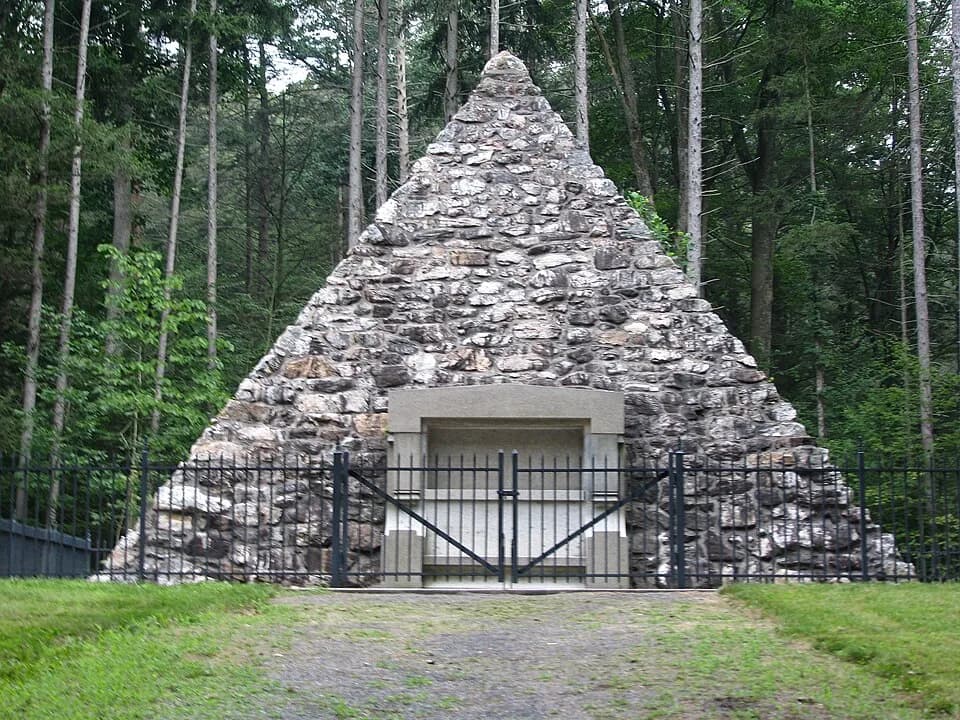
Cove Gap, United States
Verstorben
June 1, 1868
Lancaster, United States
Bekannt für
president of the United States from 1857 to 1861
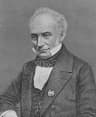
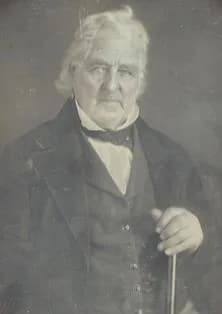
James Buchanan (1791–1868) was United States best known for president of the United States from 1857 to 1861.
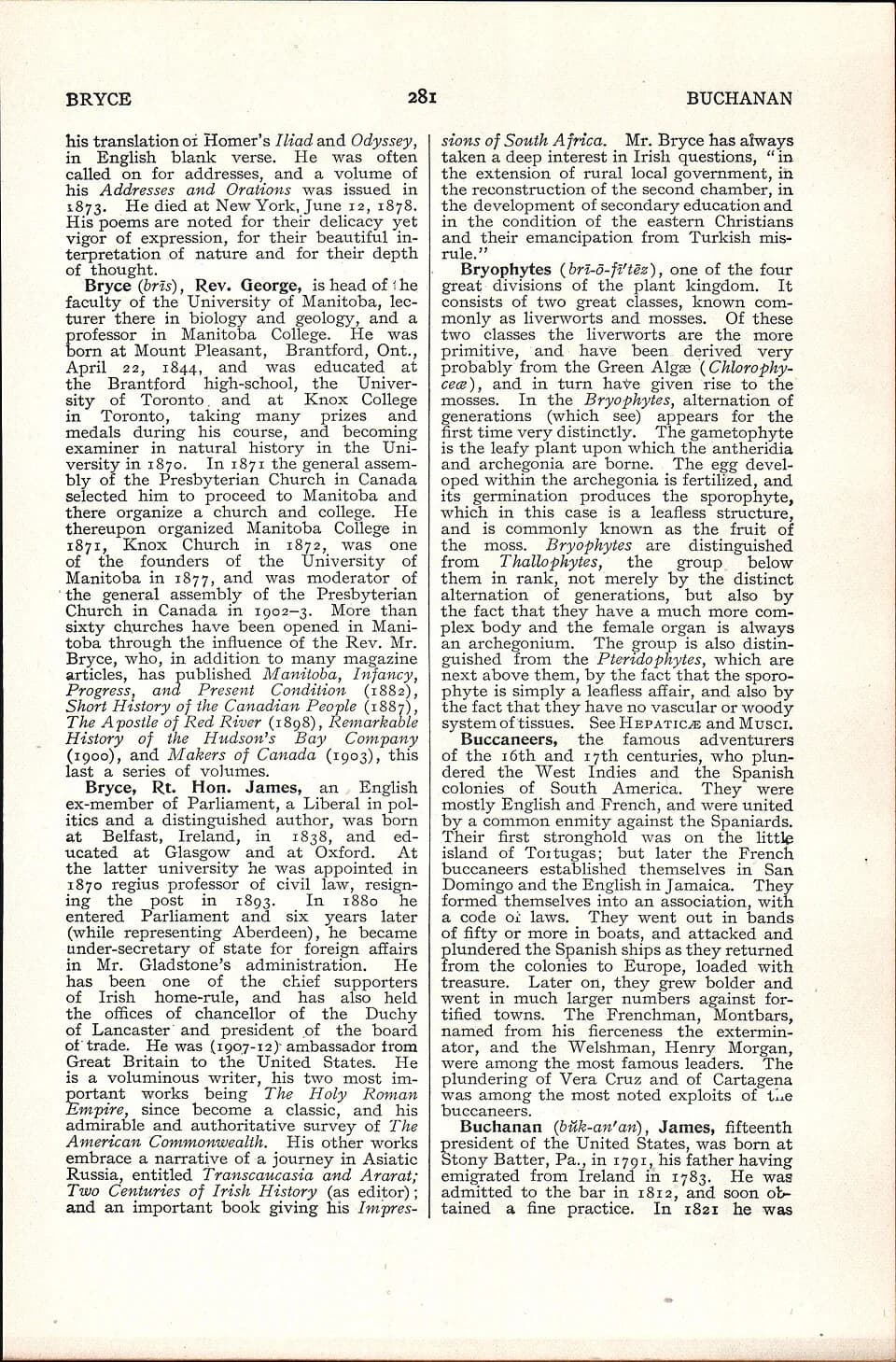
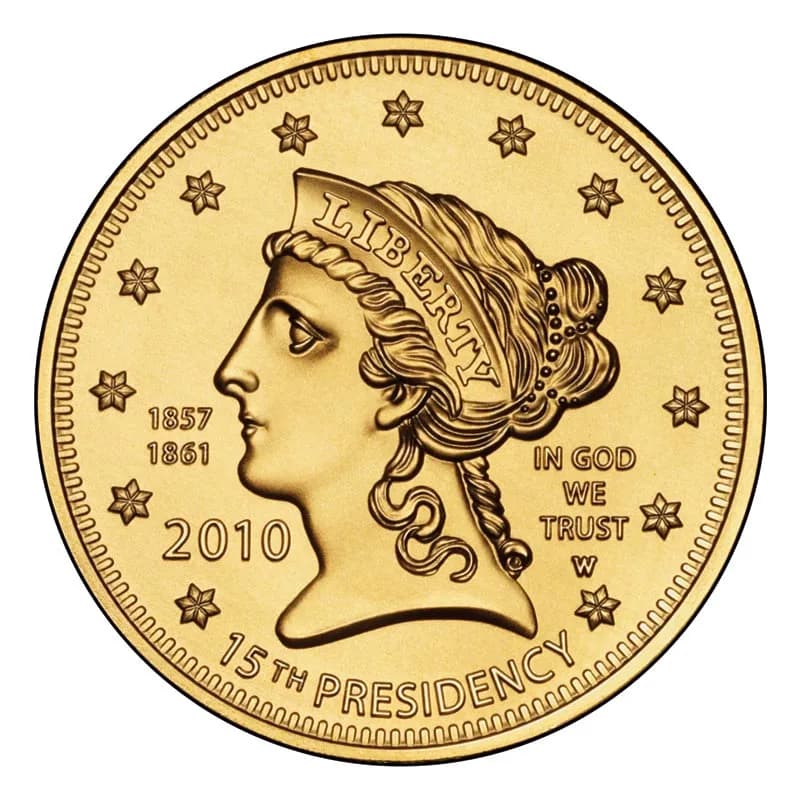
James Buchanan Jr. (April 23, 1791 – June 1, 1868) was a lawyer, politician, ambassador, and the 15th President of the United States. He served from 1857 to 1861, advocating for states' rights, particularly regarding slavery, preceding the American Civil War. His leadership during this critical period shapes much of his enduring legacy.
Kapitel
Lebenskapitel
Kapitel 1 · 1791· Kapitel 1 von 8
An Enduring Legacy in American History
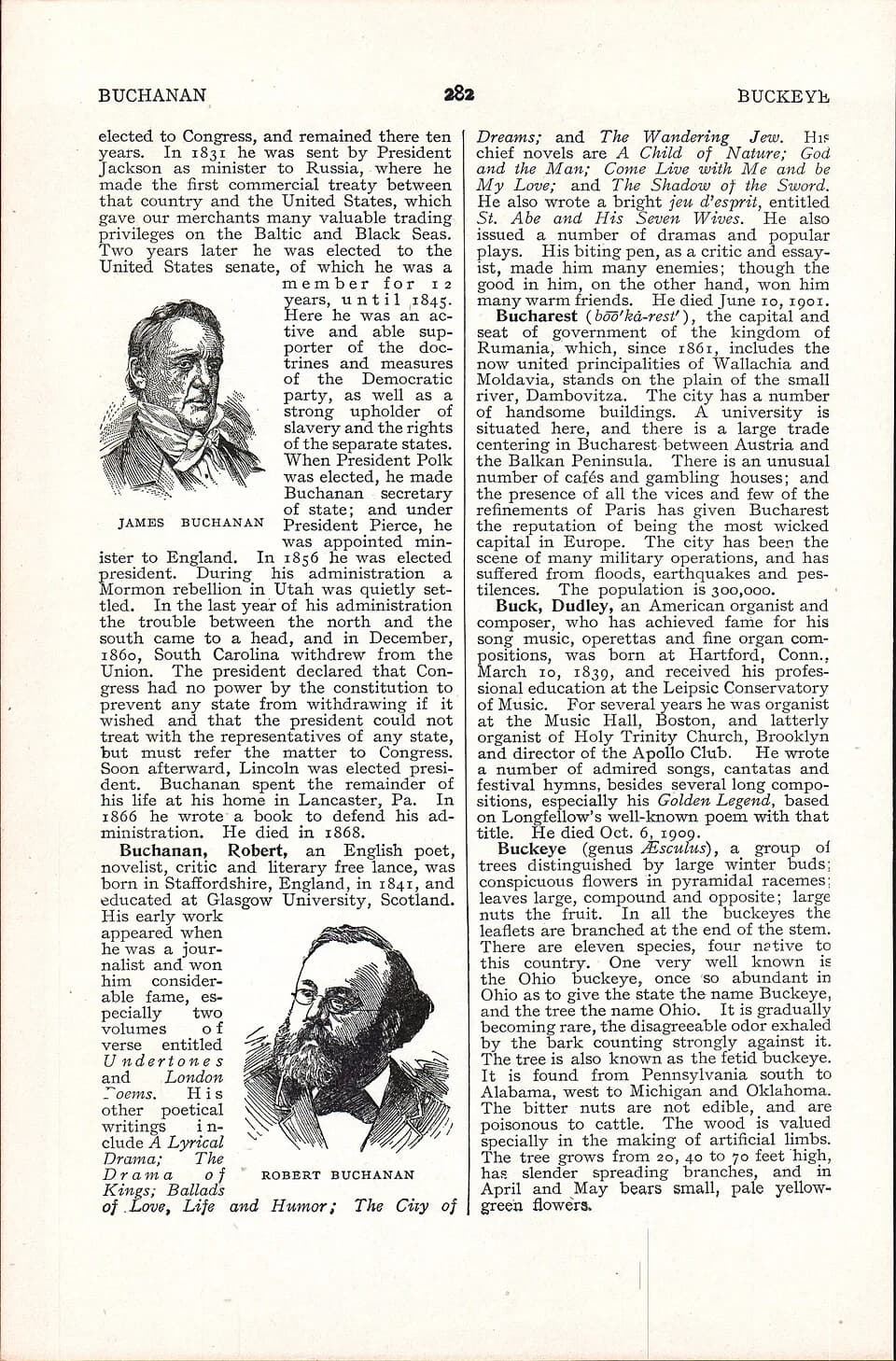
James Buchanan Jr. (April 23, 1791 – June 1, 1868) was a distinguished lawyer, politician, diplomat, and statesperson who served as the 15th President of the United States. His life spanned a critical period in American history, leading directly to the defining conflict of the Civil War, leaving an enduring mark on the nation's political discourse and future direction. Buchanan's extensive career was characterized by decades of dedicated public service at various levels of government, shaping his views and contributions.
Kapitel 2 · 1791· Kapitel 2 von 8
Early Life and Origins
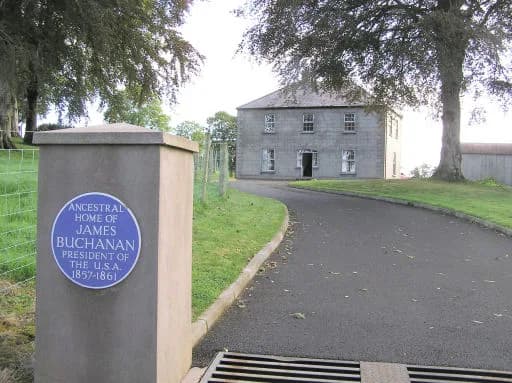
Born on April 23, 1791, in Cove Gap, United States, James Buchanan began his journey in what was then a young and expanding nation. While specific details about his family and formal early education are not extensively provided, his birthplace in south-central Pennsylvania set the stage for a career deeply intertwined with American politics. The formative environment of early republican America undoubtedly influenced his perspectives and ambitions from a young age, preparing him for a life of public engagement.
Kapitel 3· Kapitel 3 von 8
Career Beginnings
Buchanan embarked on his professional life as a lawyer, a foundational profession that proved instrumental throughout his extensive political endeavors. His early entry into public service saw him quickly rising through the ranks, eventually representing Pennsylvania in both houses of the U.S. Congress. These formative years in Congress established him as a significant and respected political figure within the burgeoning federal government, where he honed his skills as a politician and statesperson.
Kapitel 4 · 1845· Kapitel 4 von 8
Major Achievements and Career Highlights
James Buchanan's pre-presidential career was marked by several pivotal roles that highlighted his diplomatic and political acumen. He notably served with distinction as the 17th United States Secretary of State from 1845 to 1849, demonstrating a clear command of foreign policy and interstate relations. His most recognized achievement was ascending to the office of the 15th President of the United States, a demanding term he held from 1857 to 1861, overseeing a nation in increasing turmoil. Throughout these various positions, he was consistently recognized as an adept ambassador and diplomat.
Kapitel 5· Kapitel 5 von 8
Personal Life
Information concerning James Buchanan's personal life, including specific family relationships or particular interests outside of his extensive public service, is not detailed in the provided biographical materials. His deep commitment to his professional responsibilities as a lawyer, politician, ambassador, and diplomat appears to have been the central focus of his known biographical record. Buchanan dedicated the vast majority of his adult life to the intricacies of American governance and foreign affairs.
Kapitel 6· Kapitel 6 von 8
Notable Works or Contributions
Throughout his political career, and especially during his presidency, Buchanan was a consistent advocate for states' rights, a position that became increasingly central to national debates. He articulated these convictions most prominently in discussions surrounding slavery, arguing for a limited role of the federal government in the contentious issue. These stances were particularly significant in the escalating political climate immediately preceding the American Civil War, reflecting a deeply held belief in specific constitutional interpretations prevalent during his era.
Kapitel 7 · 1861· Kapitel 7 von 8
Later Years
James Buchanan concluded his single term as president in March 1861, just as the nation erupted into civil conflict. Following his presidency, he retired from public life, observing the profound changes and struggles of the country from afar. He passed away several years later on June 1, 1868, in Lancaster, United States, as the nation was still grappling with the complex challenges of Reconstruction after the Civil War.
Kapitel 8· Kapitel 8 von 8
Legacy and Impact
Buchanan's legacy is inextricably linked to the tumultuous period leading up to the American Civil War, a defining moment in the nation's history. His consistent advocacy for states' rights and a limited federal government, particularly concerning the issue of slavery, positioned him at the very center of the nation's most divisive debates. While his presidency concluded before the war's outbreak, his decisions and viewpoints as the 15th president continue to be subjects of intense historical study and debate, offering critical insights into that pivotal era in American democracy.
Ein Leben in Momenten
Die Momente, die ein Leben prägten
FAQ
Häufig gefragt
Wann starb James Buchanan?
James Buchanan starb am 1. Juni 1868 in Lancaster, United States im Alter von 77 Jahren.
Wo wurde James Buchanan geboren?
James Buchanan wurde in Cove Gap, United States am 23. April 1791 geboren.
Wofür ist James Buchanan am bekanntesten?
James Buchanan ist am bekanntesten für president of the United States from 1857 to 1861.
Wie alt war James Buchanan beim Tod?
James Buchanan war zum Zeitpunkt des Todes 77 Jahre alt.
Welche Nationalität hatte James Buchanan?
James Buchanan stammte aus United States.
Zeitlinie
Leben im Überblick
Fotogalerie
Ein Leben in Bildern
Klicken Sie ein Polaroid an, um es zu vergrößern · 21 Fotos
QR-Code
Diese Biografie teilen
Drucken & Teilen
Scannen Sie, um diese Biografieseite zu besuchen. Drucken Sie sie für Veranstaltungen, Ausstellungen oder Lehrmaterialien.